What an Old Italian Greyhound’s Coat Looks Like
It's always a little bittersweet to watch our beloved Italian Greyhounds age. One day you look at them, and while they're still undeniably beautiful and full of spirit, you start to notice the subtle shifts – a new gray hair on their muzzle, a slightly slower gait, and yes, even changes in that once-impeccably sleek coat. If you've been wondering what to expect from your senior Italian Greyhound's coat, or perhaps you've already observed some differences and are looking for reassurance or advice, this guide is here to walk you through the natural evolution of their fur as they gracefully enter their golden years.
The Subtle Shift: Early Signs of an Aging Coat
Just like us, Italian Greyhounds show signs of aging gradually, and their coat is often one of the first places these changes become apparent. It's not usually a sudden transformation but a slow, almost imperceptible shift that you might only notice when comparing a recent photo to one from a few years ago. These early signs are often more about texture and feel than dramatic visual differences.
Loss of Luster and Softness
Remember that puppy-soft, impossibly smooth coat your Italian Greyhound had in their prime? It felt like velvet, and the light just seemed to bounce off it, giving it a healthy sheen. As they age, many owners notice this intense luster starts to fade. The coat might appear a bit duller, less vibrant, and perhaps not quite as sleek as it once was. This isn't just an aesthetic change; it's often a reflection of what's happening internally. The skin's natural oil production can decrease with age, leading to a less well-hydrated coat. These oils are what give the fur its characteristic gloss and keep each strand supple. Without them in abundance, the individual hairs can become a little drier and less flexible, losing that luxurious, silken feel that is so characteristic of the breed. What once felt like liquid silk might now feel slightly coarser to the touch, or just not quite as incredibly soft. It's a natural part of the aging process, but it can be quite noticeable when you're used to their youthful glow.
Patchy Thinning and Sparse Areas
Another common early sign of an aging coat is subtle thinning. While an Italian Greyhound's coat is already quite short and fine, you might start to notice areas where it seems a little sparser. These spots are often pressure points or areas of friction. Think about their elbows, the sides of their chest where they might lie down, or even their inner thighs and belly. These are not necessarily bald patches, but rather areas where the hair density decreases, making the skin beneath more visible. It's different from more generalized or symmetrical hair loss that might indicate a specific condition like Color Dilution Alopecia in a Blue Italian Greyhound, which typically affects blue or fawn Iggys. This thinning is usually a more gradual, localized phenomenon. For instance, if your Iggy loves to curl up in the same spot on the sofa, you might observe a bit more shedding there, or notice that the fur on their underside is simply not as lush as it once was. It's your older dog’s body simply slowing down, and hair growth cycles become less robust.
The Appearance of Graying
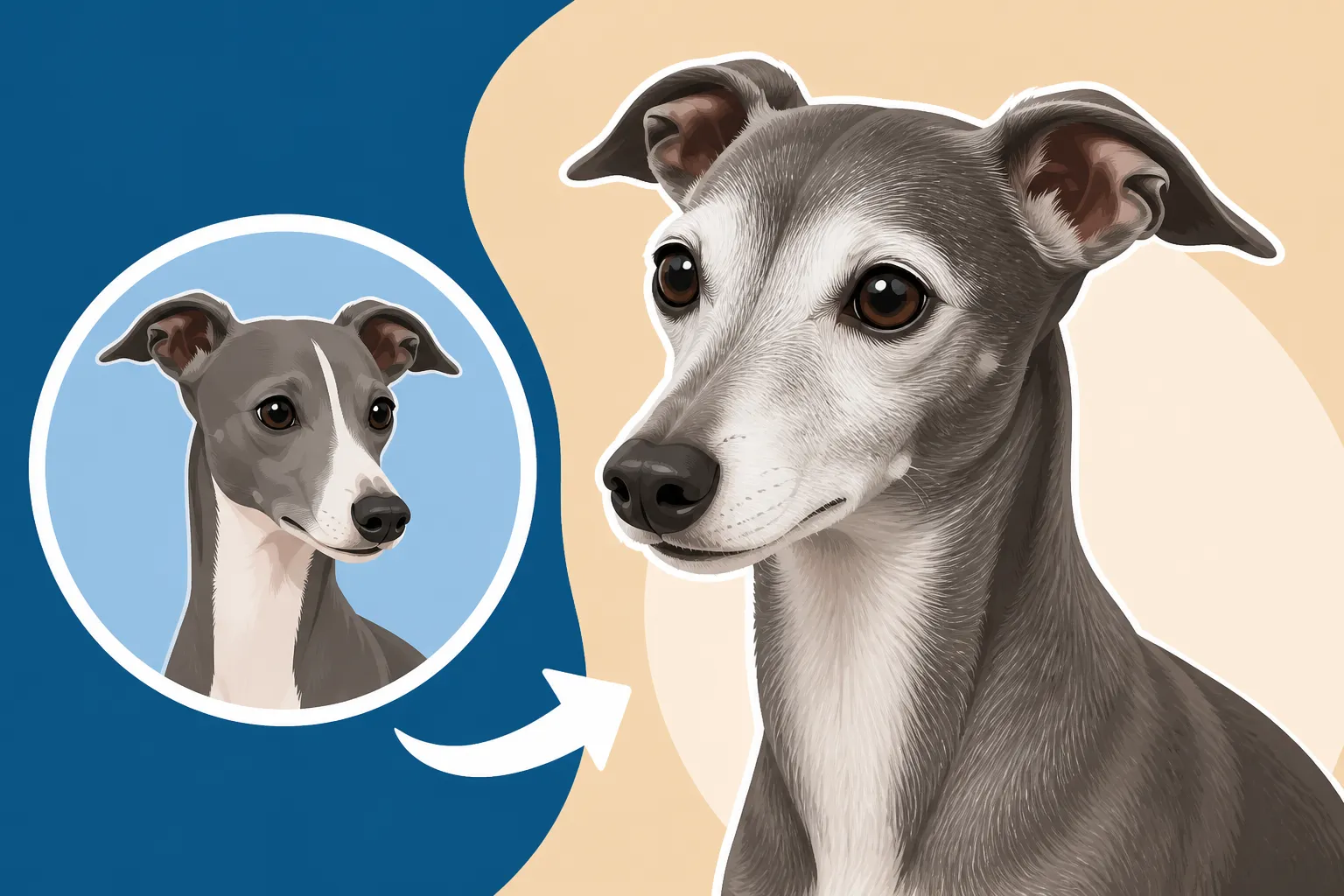
Of course, the most iconic sign of aging in many dogs, including Italian Greyhounds, is the appearance of gray hairs. We often associate this with the muzzle, and indeed, that's where it typically begins. However, as an Italian Greyhound continues to age, those silvery strands can start to pepper other areas of their body. For dogs with darker coats, like blacks or blues, this can be particularly striking, with a scattering of white or light grey hairs appearing along their back, flanks, or even tails. For lighter-colored Iggys, like fawns or creams, the graying might be much more subtle, blending in more seamlessly with their existing coat color and appearing more as a general lightening or dulling. It's similar to how humans go gray; some develop full silver manes, while others just get a few scattered strands. This process is purely aesthetic and doesn't impact their health, but it's a clear visual cue that your little companion is reaching their distinguished years.
Common Coat Changes in Senior Italian Greyhounds
As your Italian Greyhound moves deeper into their senior years, which for many Iggys can be well past eleven years old, these subtle changes can become more pronounced. You might go beyond just noticing a lack of shine and start to observe more tangible differences in the hair itself and the underlying skin. Caring for an Italian Greyhound Past Eleven definitely involves understanding these physical shifts.
Increased Brittleness and Breakage
With age, individual hairs on an Italian Greyhound's coat can become more fragile and prone to breakage. This happens for several reasons. Firstly, as mentioned, decreased oil production means the hair strands themselves lack the natural lubrication and elasticity they once had. Imagine a dried-out piece of string versus a fresh one – the dry one snaps more easily. Secondly, the overall metabolic rate slows down, which can affect the delivery of essential nutrients to the hair follicles. Just like a plant might struggle in poor soil, hair growth can suffer when the body isn't as efficient at distributing resources. This brittleness means you might find more fine hairs around the house or notice that even gentle petting can dislodge more fur than before. Their already delicate skin, often described as paper-thin, means that any damage to the hair follicle or surrounding skin can have a noticeable effect on the coat's integrity. How Fine an Italian Greyhound's Skin Should Be is something to remember here; their skin is incredibly delicate and warrants careful attention as they age.
Dryness and Flakiness of the Skin
Perhaps one of the most common and sometimes frustrating coat-related issues in senior Italian Greyhounds is the development of dry, flaky skin. This ties directly into the reduced production of natural sebum (skin oils) that often comes with age. When the skin isn't adequately moisturized from within, it can become dry, itchy, and sometimes even appear flaky, especially on their belly, inner thighs, or flanks. This dryness can then exacerbate the coat issues, as healthy hair grows from healthy skin. External factors can certainly play a role here too; dry indoor air in winter, too-frequent bathing, or using harsh shampoos can strip away what little natural oils their skin is still producing.
It's crucial to use very gentle, hydrating shampoos specifically formulated for sensitive or dry skin. You might find excellent options available from places like Chewy or Amazon, often labeled as hypoallergenic or oatmeal-based. These products are designed to clean without stripping and often leave behind a little extra moisture. Regular, but not excessive, brushing with a very soft brush can also help to distribute any natural oils and stimulate blood flow, which can be beneficial for skin health. If you notice persistent flakiness or irritation, it's always a good idea to chat with your vet, as it could also be a sign of an underlying health issue or allergy that needs attention.
More Pronounced Baldness in Pressure Areas
While some thinning in pressure areas is an early sign, in senior Italian Greyhounds, this can progress to more distinct bald patches. These are most commonly seen on the elbows, hocks (the joint at the back of their rear legs), hips, and the prominent bones of their chest. Why here? Because Italian Greyhounds are incredibly thin and bony, with very little body fat or natural padding. When they lie down, especially on hard surfaces, these bony prominences bear the brunt of their weight. Over years of repeated pressure and friction, the hair follicles in these areas can simply stop producing hair, leading to permanent bald spots.
This is where the right bedding becomes absolutely vital. You might have already invested in plush beds, but as they age, The Bedding a Thin Skinned Italian Greyhound Actually Needs often means orthopedic foam or memory foam that provides superior cushioning and pressure relief. Brands like PetFusion or Casper dog beds (available on Amazon or Chewy) offer great support. Even adding extra soft blankets or snuggle sacks can make a huge difference in protecting these vulnerable areas. If you notice these patches, don't just see them as an aesthetic issue; they indicate areas where your Iggy needs more comfort and protection. Failing to provide adequate cushioning can lead to calluses or even skin irritation.
Factors Influencing an Old Italian Greyhound's Coat
Understanding what an old Italian Greyhound's coat looks like is one thing, but knowing why it changes and what factors influence these changes can help you proactively support their health and comfort. It's never just about the surface; the coat is a window into their overall well-being.
Nutrition and Hydration
A healthy coat starts from within, and this becomes even more critical for senior Italian Greyhounds. As dogs age, their metabolic needs change. They might become less active, requiring fewer calories, but their need for high-quality protein, essential fatty acids, and vitamins often remains, or even increases, to support aging bodily functions, including skin and coat health.
- Dietary Needs: Look for senior-specific dog foods that are often formulated with ingredients to support joint health, cognitive function, and skin and coat. These might include higher levels of omega-3 and omega-6 fatty acids, which are crucial for maintaining skin moisture and hair luster. Good sources include fish oils, flaxseed, and certain vegetable oils. Brands like Ollie, known for its fresh, human-grade food, can be an excellent option for a senior Iggy, providing tailored nutrition that supports their overall health, and by extension, their coat. Always ensure the food is easily digestible, as older digestive systems can sometimes be less efficient.
- Hydration: Water intake is absolutely fundamental. Dehydration affects every system in the body, and the skin and coat are no exception. Dry skin and brittle fur can often be linked to insufficient water. Make sure your Italian Greyhound always has access to fresh, clean water. You might even consider adding a little bit of low-sodium broth to their water or feeding wet food to boost their fluid intake. Whether an Old Italian Greyhound Needs Softer Kibble can also factor into hydration if a dog struggles to chew dry kibble and therefore eats less.
Underlying Health Conditions
Sometimes, coat changes are more than just normal aging; they can be a red flag for an underlying health issue. Many systemic diseases can manifest in changes to the skin and fur.
- Hypothyroidism: This is a condition where the thyroid gland doesn't produce enough hormones. One classic symptom of hypothyroidism in dogs is a dull, dry, brittle coat, often accompanied by hair loss, particularly on the flanks. If your Italian Greyhound's coat seems unusually poor, or they're showing other signs like lethargy, weight gain despite no increase in food, or intolerance to cold, Hypothyroidism in an Italian Greyhound should definitely be investigated by your veterinarian. A simple blood test can often diagnose this.
- Kidney Disease: As kidneys decline with age, toxins can build up in the body, which can impact skin and coat health, leading to dullness or dryness.
- Skin Infections and Allergies: Older dogs can sometimes develop new allergies or become more susceptible to skin infections. These can cause excessive itching, redness, inflammation, and subsequent damage to the coat from scratching or licking.
This is why regular veterinary check-ups are so important for senior Iggys. How Often an Italian Greyhound Needs a Wellness Exam should be discussed with your vet, as they can catch these issues early and provide appropriate treatment, which in turn can often improve coat quality.
Environmental Factors and Grooming Routines
The environment your Italian Greyhound lives in and the way you care for their coat also significantly influence its appearance and health, especially as they age.
- Dry Indoor Air: During colder months, heating systems can strip moisture from the air, creating a very dry indoor environment. This can dry out your Iggy's skin and coat, making it more prone to flakiness and brittleness. A humidifier in the room where they spend most of their time can make a noticeable difference.
- Harsh Shampoos and Over-Bathing: While it's important to keep your Italian Greyhound clean, over-bathing or using shampoos with harsh detergents can strip their skin of essential natural oils, leading to dryness and irritation. As they age, their skin is even more vulnerable. Aim for infrequent baths using only gentle, moisturizing, pH-balanced shampoos.
- Lack of Warmth: Italian Greyhounds are notoriously sensitive to cold due to their lean build and thin coat. Why an Old Italian Greyhound Feels the Cold More is a real concern. When they are cold, their body diverts energy to staying warm, which can take resources away from non-essential functions like maintaining a pristine coat. Keeping them warm and comfortable with sweaters, blankets, and perhaps a heated bed can indirectly support their overall health, including their coat.
Caring for a Senior Italian Greyhound's Changing Coat
Even though coat changes are a natural part of aging, there's plenty you can do to support your senior Italian Greyhound and keep them as comfortable and healthy as possible. The goal isn't necessarily to reverse time, but to manage these changes thoughtfully. What Changes in an Old Italian Greyhound's Care certainly includes adapting their grooming.
Tailoring Grooming to Their Needs
Your senior Italian Greyhound's delicate skin and thinning coat require a gentler touch and a more specialized grooming routine.
- Gentle Brushing: Ditch any stiff brushes. Opt for a very soft bristle brush or a grooming mitt. Daily, gentle brushing can help stimulate blood circulation to the skin, remove loose hair, and distribute natural oils without irritating their sensitive skin. Think of it as a loving massage rather than a vigorous grooming session.
- Lukewarm Baths with Hypoallergenic Shampoo: When it's time for a bath, ensure the water is comfortably lukewarm, never hot. Use a high-quality, moisturizing, hypoallergenic shampoo designed for sensitive skin. Work up a gentle lather and rinse thoroughly to ensure no residue is left behind, as this can irritate the skin. Pat your Iggy dry with a soft towel instead of rubbing, to avoid friction that could stress their delicate skin and hair. For quick clean-ups between baths, especially after outdoor potty breaks, consider using pet-specific grooming wipes that are gentle and fragrance-free.
- Nail Trims and Ear Checks: While not directly coat-related, these are crucial parts of overall grooming that become even more important for seniors. Keep nails trimmed short to prevent discomfort or injury from long nails, especially if they are less active. Regularly check and gently clean their ears to prevent infections, as seniors can sometimes be more prone to these issues.
Supporting Skin and Coat Health from Within
Beyond external grooming, what you put into your Italian Greyhound's body significantly impacts their coat.
- Supplements: Talk to your veterinarian about supplements that might benefit your senior Iggy's skin and coat. Omega-3 fatty acid supplements (like fish oil) are often recommended for their anti-inflammatory properties and ability to support skin hydration and coat luster. Some joint supplements also contain ingredients beneficial for skin and coat. Always consult your vet before adding any new supplements to their regimen to ensure they are appropriate and correctly dosed for your dog.
- Food Options: Re-evaluate their diet. If they're struggling with dry kibble, or if their current food isn't providing optimal skin support, consider switching to a high-quality senior formula. Wet food can be beneficial not just for palatability but also for increasing their daily fluid intake, which aids hydration. Brands like Ollie offer customized meal plans that can be specifically formulated to meet the nutritional demands of senior dogs, potentially boosting their skin and coat health.
Creating a Comfortable Environment
An old Italian Greyhound's comfort directly correlates with their skin and coat health, particularly in areas prone to baldness or calluses.
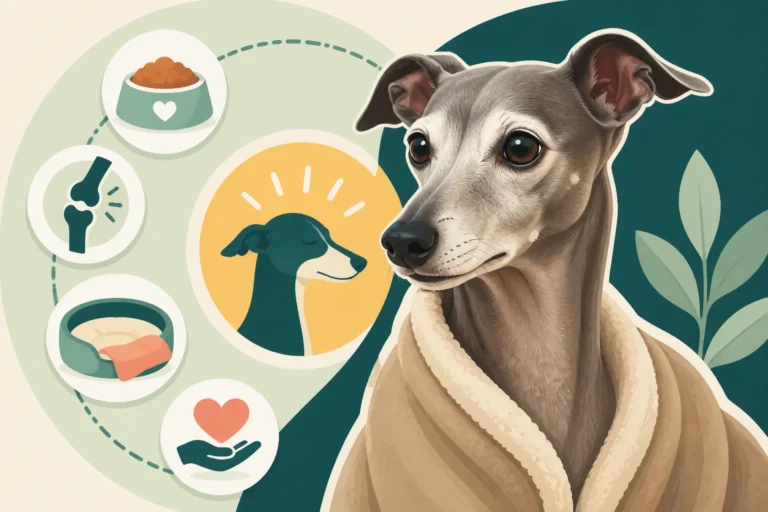
- Soft, Supportive Bedding: As discussed, investing in high-quality orthopedic or memory foam beds is crucial. These distribute weight more evenly, reducing pressure on bony areas and helping to prevent further hair loss or the formation of calluses. Ensure they have plenty of soft blankets, and consider Whether an Old Italian Greyhound Needs a Warmer Bed for added comfort, especially if they feel the cold more acutely. A heated bed can provide immense relief for aching joints and help them relax, which indirectly benefits their overall well-being.
- Avoiding Rough Surfaces: Try to minimize their time on hard floors without cushioning. If you have slick, hard flooring, consider adding rugs or runners in frequently used pathways to provide traction and a softer landing spot, protecting their delicate joints and skin.
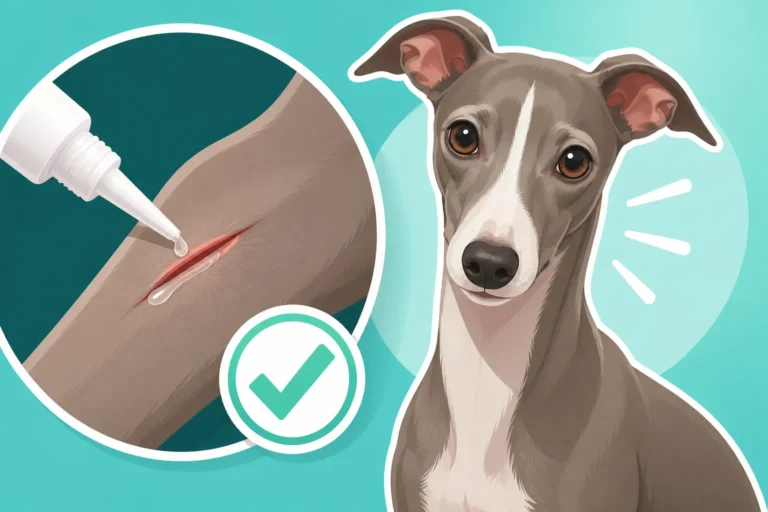
- Proactive Pressure Point Care: Regularly check their elbows, hocks, and hips for any signs of dryness, redness, or developing calluses. If you see them forming, ensure their bedding is adequate and consider applying a dog-safe, veterinarian-approved moisturizing balm to keep the skin soft and prevent cracking.
These proactive steps, combined with regular veterinary care, can help your old Italian Greyhound maintain a comfortable, healthy coat throughout their distinguished senior years, allowing them to remain the sleek, affectionate companions we cherish.
Disclaimer
This article is for general informational purposes only and does not constitute professional advice. Laws, prices and regulations vary by location and change over time. Consult a qualified professional for guidance on your specific situation.