Whether an Old Italian Greyhound Feels Cold Indoors
It’s a common worry for Italian Greyhound owners, especially as their beloved companions get a little grey around the muzzle: "Is my senior Italian Greyhound truly warm enough, even inside my own home?" Given their famously sleek, minimal-fat build, it’s not just a passing thought, it’s a constant concern, particularly for our older Iggys. This guide is dedicated to exploring why senior Italian Greyhounds often feel the cold more acutely indoors and, most importantly, what you can do to ensure their comfort and well-being as they age.
The Unique Physiology of an Aging Italian Greyhound and Cold Sensitivity
Italian Greyhounds are already renowned for their delicate, thin-skinned nature, and this becomes even more pronounced as they age. It's not just that they're being dramatic about a slight chill; there are genuine physiological shifts that make them far more susceptible to feeling cold, even when the thermostat is set to what feels comfortable for us. Understanding these changes is the first step in providing them with the best care.
Reduced Metabolic Rate and Heat Generation
As our Iggys mature into their senior years, their metabolism naturally begins to slow down. Think about how much energy a young Italian Greyhound puppy burns, constantly zipping around the house and playing. That energy conversion creates internal heat. A senior Italian Greyhound, however, isn't expending the same level of energy. Their bodies are just running a little slower, a bit more efficiently in some ways, but less effectively at generating their own warmth. This reduced metabolic rate means they have less internal heat production to combat ambient coolness. It’s like a furnace that used to run at full blast all day now only hums along at a lower setting. This can be especially noticeable when they’ve been resting for a while, as their internal furnace has had even longer to cool down.
Diminished Fat Reserves and Insulation
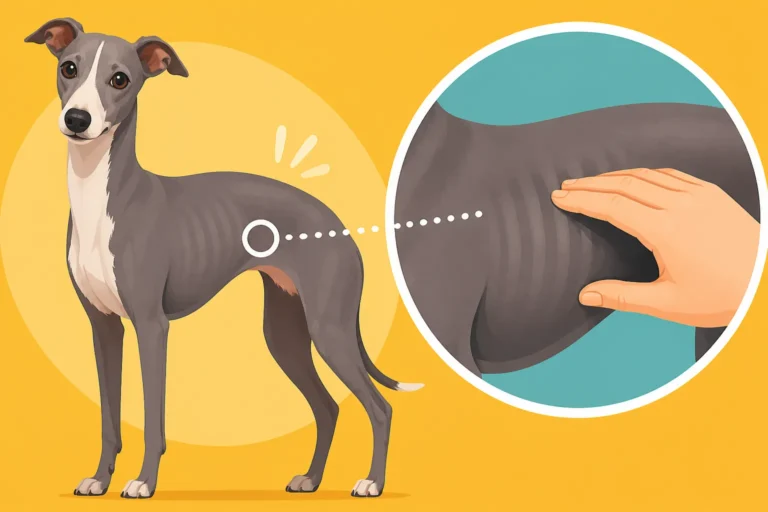
Italian Greyhounds, at any age, are not built for insulation. They famously carry Why an Italian Greyhound Carries Almost No Body Fat, and this characteristic becomes an even greater challenge in their golden years. While they might still maintain a healthy weight, the minimal subcutaneous fat they do possess can further diminish with age. This isn't necessarily about them being underweight; it's simply a natural part of the aging process where muscle mass can decrease and even the leanest of fat reserves might thin out. Without that insulating layer, however slight it might have been, their skin is even closer to the ambient air temperature, allowing heat to escape rapidly. Even a slight draft can feel like a biting wind to their delicate frame. You might feel a gentle breeze and barely notice it, but for an older Iggy whose body is already struggling to maintain warmth, it's a significant chill.
Less Efficient Circulation
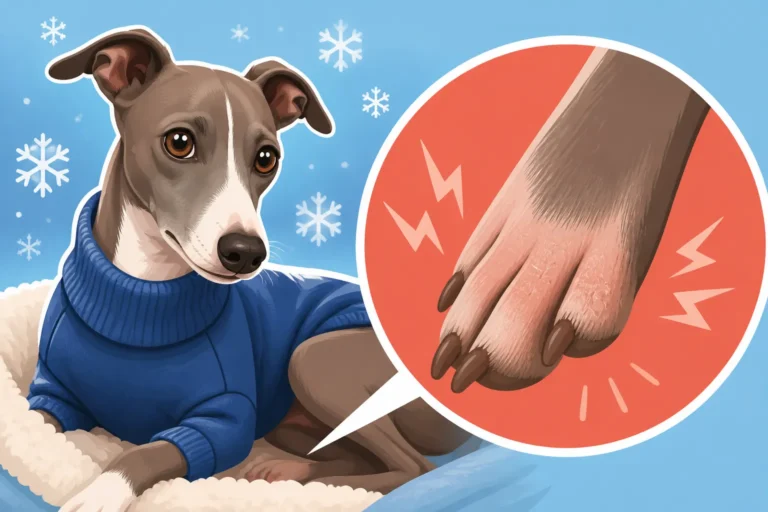
Another factor contributing to an older Italian Greyhound's increased cold sensitivity is a potential decline in circulatory efficiency. Just like in humans, an older dog's blood vessels might not be as elastic, and their heart might not pump blood with the same vigor it once did. This can lead to poorer circulation, especially to the extremities – their delicate paws, ear tips, and tail. These areas are then more prone to feeling cold because warm blood isn't reaching them as effectively. Imagine your own fingers and toes getting cold even if the rest of you feels okay; it's a similar principle for them. If their paws or ears feel cool to the touch, even indoors, it's a clear sign that their internal temperature regulation isn't quite as robust as it used to be. Why an Old Italian Greyhound Feels the Cold More explains this phenomenon in more detail.
Environmental Factors and How to Assess Comfort Indoors
It's easy to assume that if you're comfortable in your home, your Italian Greyhound must be too. However, as we've just discussed, their physiology is very different, and what feels pleasant to you might be genuinely chilly for them, especially a senior one. Paying close attention to both your home environment and your dog's behavior is crucial.
Ambient Room Temperature: What's Comfortable for Them?
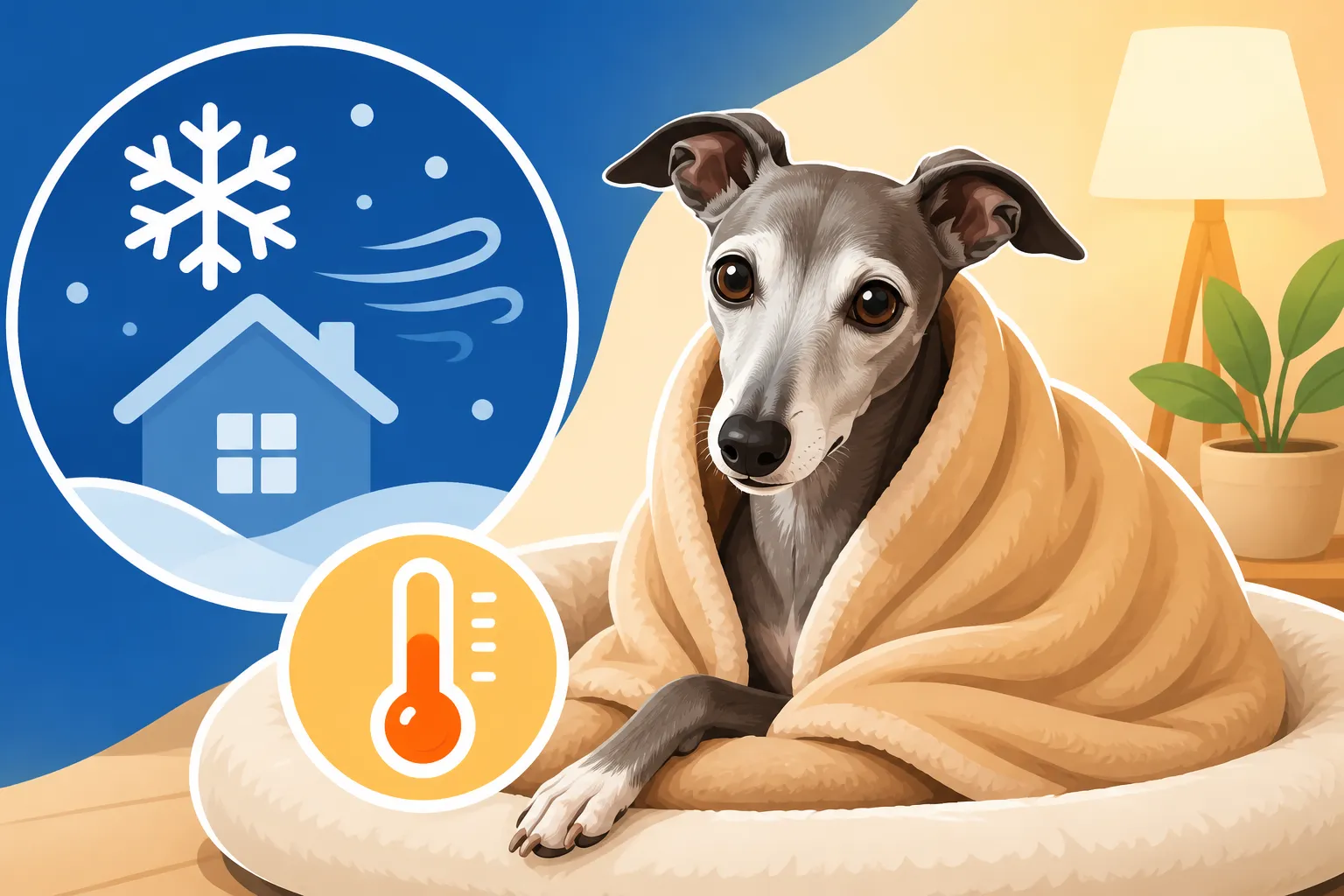
While you might be perfectly content with your thermostat set to 68-70°F (20-21°C), this might not be warm enough for an older Italian Greyhound. For many Iggys, especially seniors, the ideal indoor temperature can be several degrees higher, often closer to 72-75°F (22-24°C). This is particularly true if they spend a lot of time lying still, as their bodies aren't generating much active heat. Consider that they're often sleeping on the floor or a low bed, where the air can be noticeably cooler than at human head height. A simple room thermometer placed near their favorite sleeping spot can give you a more accurate picture of their environment. What might feel like a mild, pleasant room to you could feel like a constant struggle to stay warm for your older Iggy, leading to discomfort and even potentially impacting their overall health.
Drafts and Cold Surfaces: Hidden Chill Zones
Your home, no matter how well-insulated, likely has hidden cold spots and drafts that can significantly impact a thin-skinned Italian Greyhound. Areas near windows, exterior doors, and even electrical outlets can allow subtle currents of cold air to seep in. For a dog that sleeps low to the ground, these drafts are much more prominent than they are for us. Similarly, cold floors, especially hardwood, tile, or laminate, can rapidly draw heat away from their bodies. This is why you often see them seeking out sunny spots or burrowing under blankets. The Indoor Temperature an Italian Greyhound Starts Shivering At often correlates directly with their proximity to these drafty, cold surfaces.
How to check for drafts:
- Light a stick of incense or a thin piece of tissue paper near windows, doors, and vents. If the smoke or paper moves, you have a draft.
- Feel the floor with your hand in different spots, particularly where your Iggy rests. Is it significantly cooler than the air around it?
Behavioral Cues: What Your Iggy Is Telling You
Your Italian Greyhound can't tell you directly that they're cold, but they will show you. Learning to recognize these subtle (and not-so-subtle) signs is paramount for senior Iggy owners.
Signs your Italian Greyhound is cold:
| Behavior | What it Means |
|---|---|
| Shivering/Trembling | The most obvious sign. Even subtle quivering indicates they're struggling to warm up. |
| Curling up tightly | Trying to minimize exposed surface area to conserve body heat. |
| Seeking warm spots | Moving to sunbeams, snuggling against you, or trying to get under blankets. |
| Reluctance to move | Staying put in a warm spot, even if you call them, to avoid cold air. |
| Hunching or tucking tail | A defensive posture against the cold, trying to make themselves smaller. |
| Cold ears or paws | Physically touching them and finding their extremities cool to the touch. |
| Sleeping more than usual | While seniors sleep a lot, excessive sleep could be energy conservation against cold. |
| Increased desire to burrow | Digging into blankets, pillows, or even clothing piles to create a warm nest. |
If you observe any of these behaviors, it’s time to take action, even if you feel perfectly warm yourself. Your senior Italian Greyhound is relying on you to interpret their needs.
Practical Strategies for Keeping Your Senior Italian Greyhound Warm Indoors
Now that we understand why older Italian Greyhounds feel the cold more and how to recognize the signs, let's talk about the practical steps you can take to make their indoor environment a cozy haven. These aren't just about comfort; consistent warmth can contribute significantly to their overall health and quality of life.
Appropriate Clothing and Bedding: Layering for Warmth
This is where the Italian Greyhound wardrobe truly shines, even indoors. For senior Iggys, sweaters, fleeces, and even pajamas are not just fashion statements; they are essential tools for maintaining core body temperature. When an Italian Greyhound Needs a Sweater Indoors usually means it's time to layer up!
- Sweaters and Fleeces: A soft, well-fitting sweater or fleece can make a huge difference, especially if your home fluctuates in temperature or you have cooler rooms. Look for materials that are soft against their skin and don't restrict movement. You can find a good selection of specialized Italian Greyhound clothing online from retailers like Chewy or independent crafters through platforms like Amazon Handmade.
- Pajamas: For sleeping, especially if they don't burrow under heavy blankets, a full-body set of pajamas can provide continuous warmth through the night. This is especially helpful if they tend to stretch out and expose their bellies.
- Heated Beds and Snuggle Sacks: These are absolute game-changers for senior Italian Greyhounds. A good quality heated bed, often available from Chewy or Amazon, provides consistent, gentle warmth that penetrates their thin coat and warms them right to the bone. Always ensure the bed has safety features, like an automatic shut-off or a low, regulated temperature setting. Whether a Heated Bed Is Safe for an Italian Greyhound is a common question, and with proper research into reputable brands, they can be a wonderful investment. Snuggle sacks, which are essentially fleece-lined envelopes, allow them to burrow and create their own warm pocket, mimicking their natural desire to dig under blankets.
- Orthopedic Bedding: While not directly for warmth, supportive bedding can encourage an older Iggy to lie down more comfortably and stay in one spot longer, reducing their need to move around searching for comfort, which can also help them conserve heat. Which Bed Protects an Italian Greyhound's Elbows and other joints is important for their overall comfort.
Strategic Placement of Beds and Ramps: Creating Warm Havens
Where your Italian Greyhound sleeps and rests is just as important as what they sleep on. Be mindful of their favorite spots and adjust them as needed.
- Away from Drafts: This is critical. Move beds, crates, or blankets away from windows, exterior doors, and even less-used interior doors that might open and close frequently, creating a gust. Even a warm room can have a cold floor next to a drafty patio door.
- Elevated Beds: If your Iggy can safely access them, elevated beds (like a dog cot or a bolster bed on a low stand) can keep them off cold floors, providing a slight advantage against ambient chill.
- Ramps and Steps: As Iggys age, their joints can become stiffer, and their bones more fragile. Ramps and Steps for an Italian Greyhound's Furniture are invaluable for allowing them safe access to warm, elevated spots like sofas or human beds, which are often warmer than floor level. This prevents them from attempting dangerous jumps that could lead to injury, and ensures they can reach their preferred cozy spots without pain or struggle.
Maintaining Core Body Temperature: Beyond Just External Warmth
While external warmth is paramount, their overall health and well-being also play a role in how they perceive and manage cold.
- Nutrition: A balanced, high-quality diet provides the energy their bodies need, including for metabolic heat production. While seniors might eat a little less, ensure what they do eat is nutrient-dense. Consult your vet about appropriate senior diets or supplements if you're feeding brands like Ollie that offer specialized meal plans.
- Veterinary Check-ups: Regular vet visits are crucial for older Iggys. Conditions like Hypothyroidism in an Italian Greyhound can cause increased cold sensitivity. What Changes in an Italian Greyhound After Eleven is a good discussion point with your vet, as they can identify and address underlying health issues that might contribute to your Iggy feeling colder, such as dental pain which can affect appetite, or even joint discomfort like Arthritis in an Italian Greyhound's Healed Leg that makes them reluctant to move to a warmer spot. Your vet can also advise on appropriate weight management, as being slightly underweight can exacerbate cold sensitivity.
By combining an understanding of their unique needs with proactive, empathetic care, you can ensure your senior Italian Greyhound remains comfortable, cozy, and cherished throughout their golden years, no matter how chilly it might feel outside, or even inside, to their delicate bodies.
Disclaimer
This article is for general informational purposes only and does not constitute professional advice. Laws, prices and regulations vary by location and change over time. Consult a qualified professional for guidance on your specific situation.