Whether Bones Break an Italian Greyhound’s Teeth
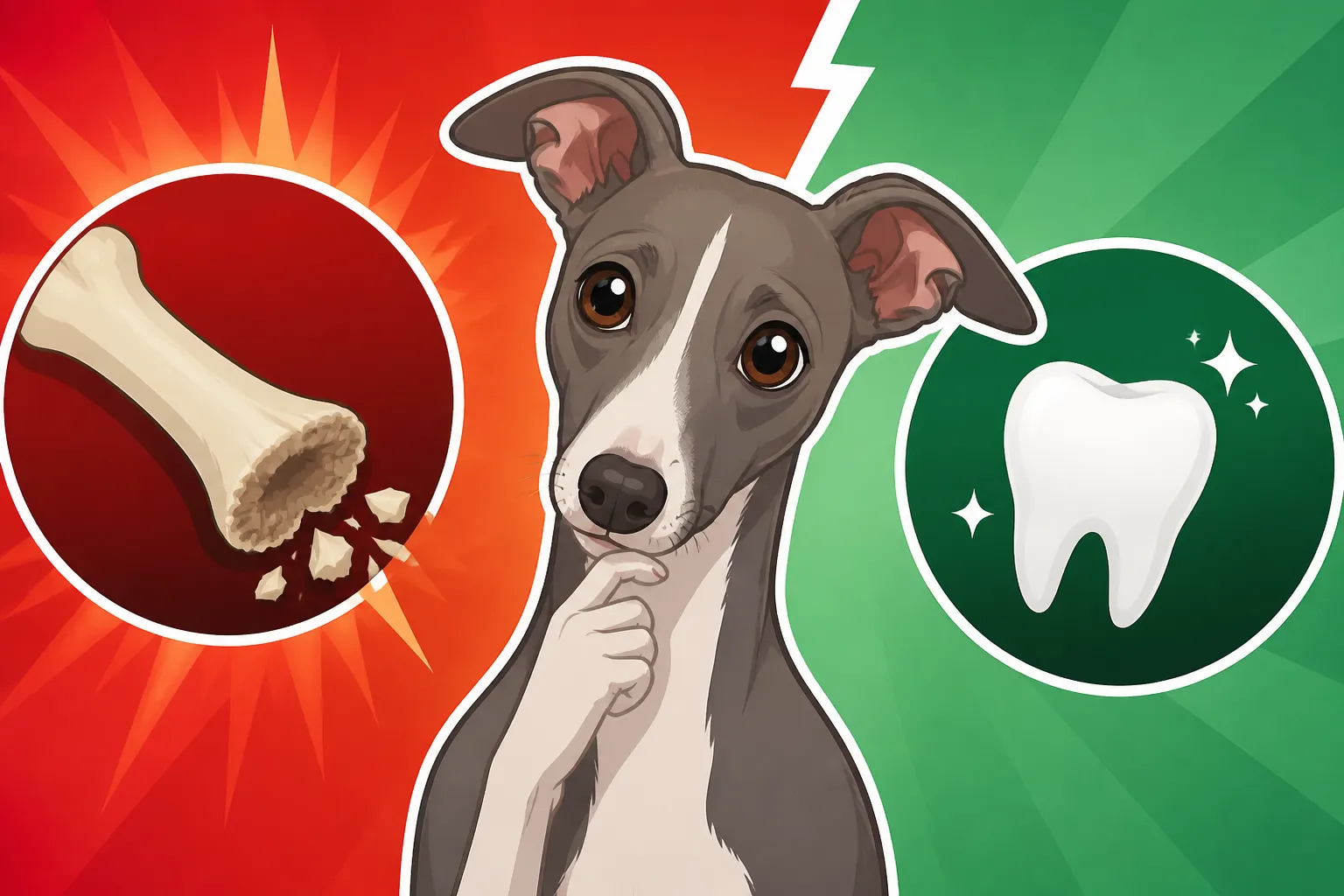
It’s a deeply ingrained instinct to want to offer your beloved Italian Greyhound a bone. Visions of a happy dog contentedly gnawing away on a natural treat often come to mind, and it feels like such a natural, wholesome thing to do for their dental health and enjoyment. However, for Italian Greyhounds, the seemingly innocent act of giving a bone can quickly turn into a heartbreaking and very expensive emergency. This guide will meticulously break down why bones, especially hard ones, pose a significant risk to your Italian Greyhound’s delicate teeth and jaw, and what safe alternatives exist to satisfy their natural urge to chew without endangering their health.
The Fragile Nature of an Italian Greyhound's Mouth
Italian Greyhounds are exquisite creatures, known for their fine bones and delicate features. While this adds to their charm, it also means certain parts of their anatomy are more vulnerable than those of a sturdier breed. Their mouth, in particular, is a prime example of this inherent delicacy.
Understanding the Delicate Structure of an IG's Jaw and Teeth
Imagine holding a tiny, intricate porcelain sculpture – that's often how you need to think about an Italian Greyhound's jaw and teeth. Their bone structure is significantly finer and less dense than that of many other breeds, even those of similar size. This means their jaws, while perfectly suited for their natural diet and typical activities, simply aren't built to withstand the immense forces exerted when chewing on something extremely hard like a weight-bearing animal bone.
Furthermore, their teeth themselves are often shallow-rooted. Unlike some breeds with deep-set, robust teeth, an Italian Greyhound's teeth can be more easily damaged or even dislodged under pressure. Compounding this, many Italian Greyhounds suffer from overcrowded mouths, a common issue for the breed. Their long, narrow muzzles are often just a bit too small to accommodate all 42 adult teeth properly, leading to rotation and close proximity. This crowding creates additional stress points and makes individual teeth more susceptible to fracturing, especially if they are already pushed out of their ideal alignment. This is a big part of Why an Italian Greyhound's Muzzle Cannot Hold Its Teeth.
Pre-Existing Dental Vulnerabilities
Beyond the structural delicacy, Italian Greyhounds are notoriously prone to dental disease, often starting at a surprisingly young age. Many IGs begin to show signs of How Early Tartar Appears on an Italian Greyhound with tartar buildup as early as two or three years old. This makes them highly susceptible to Periodontal Disease Is the Italian Greyhound's Most Common Diagnosis, which weakens the supporting structures around the teeth.
When teeth are already compromised by gum recession, bone loss, or existing plaque and tartar, they become even more fragile. A hard bone chew on an already compromised tooth is like trying to crack a nut with a hammer when the nut itself is already half-cracked. The likelihood of a catastrophic failure, such as a major fracture or even a jaw break, skyrockets. It's a cruel irony that owners often offer bones with the best intentions, hoping to clean teeth, but for an IG, it can actually accelerate and worsen existing dental issues, making the need for extensive dental work even more urgent down the line.
The Grave Risks of Bone Chewing for Italian Greyhounds
The image of a dog happily chewing a bone is classic, but for an Italian Greyhound, it's a scene fraught with danger. The very act of chewing on hard items can lead to a host of painful and costly injuries.
Types of Dental Damage from Hard Bones
When an Italian Greyhound tries to chew a bone that is too hard, several types of dental damage can occur, each more distressing than the last:
- Enamel Fractures and Chipped Teeth: This is often the most common and "mildest" form of damage, but it's still serious. The hard outer layer of the tooth, the enamel, can chip or crack. This exposes the sensitive dentin underneath, leading to pain, sensitivity, and a direct pathway for bacteria to enter the tooth, potentially causing an abscess.
- Slab Fractures: These are particularly nasty. A large, flat piece of the tooth, often from one of the molars or premolars, can break off. This usually involves the pulp cavity, the inner chamber containing nerves and blood vessels. When the pulp is exposed, it's incredibly painful and almost guarantees an infection. Without immediate veterinary intervention, often a root canal or extraction, the infection can spread.
- Avulsion (Tooth Loss): In some cases, the force of chewing can actually dislodge an entire tooth from its socket. This is not only excruciating but also results in immediate tooth loss and potential damage to the surrounding gum and bone.
- Jaw Fractures: This is perhaps the most devastating and least understood risk. Because of their fine bone structure, an Italian Greyhound's jaw can actually fracture from the pressure of chewing a hard bone. This is a severe injury requiring complex and expensive surgery, often involving wiring or plating the jaw. This is especially true if Why an Italian Greyhound's Jaw Can Break During Extraction has already weakened the jawbone, but it can happen even without pre-existing conditions. Imagine the pain and trauma for your little dog.
Which Bones Pose the Biggest Threat?
Not all "bones" are created equal, but for an Italian Greyhound, extreme caution is warranted across the board.
- Weight-Bearing Bones (Femur, Knuckle Bones): These are the absolute worst offenders. Bones from large animals like cows, pigs, or even lamb, that are designed to support a great deal of weight, are far too dense and hard for an IG's teeth. They are the prime culprits behind slab fractures and jaw breaks. Even "recreational" raw bones can be problematic if they are too hard.
- Cooked Bones: A strict "no" for any dog, but especially for an Italian Greyhound. Cooking makes bones brittle, causing them to splinter into sharp shards that can cause internal perforations, choking, or blockages in the digestive tract.
- Antlers and Hooves: While natural, these items are often as hard, if not harder, than weight-bearing bones. Many veterinarians consider them too risky for any dog, let alone a small, delicate-mouthed breed like the Italian Greyhound. Their non-yielding surface makes them notorious for causing severe tooth fractures.
- Rawhide: While not bone, rawhide also carries risks. It can become soft and gummy, posing a choking hazard, or if swallowed in large pieces, can cause digestive blockages. The processing chemicals used in some rawhide products are also a concern for many owners.
It’s tempting to think a "natural" bone is always better, but in this case, natural can mean a trip to the emergency vet.
Beyond Dental Damage: Other Dangers of Bone Chewing
The risks extend beyond just teeth and jaws. Giving an Italian Greyhound a bone can lead to:
- Choking Hazards: Pieces can break off that are just the right size to get lodged in the throat.
- Internal Blockages: Swallowed fragments can cause obstructions in the esophagus, stomach, or intestines, requiring emergency surgery.
- Gastrointestinal Upset: Rich marrow or bone fragments can cause vomiting, diarrhea, and pancreatitis, particularly in dogs with sensitive stomachs.
- Bacterial Contamination: Raw bones can carry bacteria like Salmonella or E. coli, posing a risk to both your dog and your family.
Safer Chewing Alternatives for Your Italian Greyhound
Understanding the risks of bones for Italian Greyhounds isn't about denying them the joy of chewing. It's about finding safe ways to satisfy that natural instinct. Thankfully, there are plenty of options that won't put their delicate mouths in peril.
Appropriate Chews Designed for Dental Health and Safety
When choosing a chew for your Italian Greyhound, the golden rule is: if you can't indent it with your thumbnail, or if you wouldn't hit your kneecap with it, it's probably too hard.
Here are some safer alternatives:
- Rubber Chews (e.g., Kongs): These are fantastic. They're durable, bouncy, and have enough give to be safe for teeth. You can stuff them with softened kibble, peanut butter (xylitol-free!), or even a little canned pumpkin and freeze them for a longer-lasting challenge. You can find a huge variety of these on sites like Chewy or Amazon.
- Softer Dental Chews: While some dental chews can still be quite hard, many brands offer softer, more pliable options specifically designed for smaller breeds or senior dogs. Look for chews that are designed to be consumed, as they're usually softer. Remember, these are supplements to actual brushing, not replacements, and you might wonder Whether Dental Chews Do Anything for an Italian Greyhound at all – discuss with your vet!
- Edible Chews (with caution): Items like bully sticks or digestible dental chews can be okay for some IGs, but always supervise. Choose appropriate sizes and monitor how your dog chews. If they try to swallow large pieces, or if it's gone too quickly, it might not be the right fit. Ensure they are fully digestible and watch for any signs of choking.
- Raw Vegetables: Carrots, apple slices (no seeds), or even frozen green beans can offer a satisfying crunch and some nutritional benefits. Always introduce new foods slowly and in moderation.
The Importance of Supervision, Even with Safe Chews
Even with the safest chews, supervision is key. Your Italian Greyhound's chewing habits can change, and what was once safe might become a choking hazard if they chew off a large piece. Always keep an eye on your dog, especially with new chew toys or edible treats. If a chew toy becomes too small, worn, or damaged, it's time to replace it. Think of it as investing in their safety and your peace of mind.
Daily Dental Care: The Best Defense
While chews can offer some mechanical abrasion, they are no substitute for a consistent, hands-on dental hygiene routine. Regular brushing is the single most effective way to maintain your Italian Greyhound's oral health and prevent the buildup of plaque and tartar that leads to Periodontal Disease Is the Italian Greyhound's Most Common Diagnosis.
Aim for Brushing an Italian Greyhound's Teeth Every Day. It might sound daunting, but with patience and positive reinforcement, most IGs can learn to tolerate it. Choose a small, soft toothbrush designed for pets and a dog-specific enzymatic toothpaste. Your veterinarian can show you proper brushing techniques. Combining daily brushing with regular professional dental cleanings under anesthesia is truly the gold standard for an Italian Greyhound's oral health. This is vital, as How Often an Italian Greyhound Needs a Dental Cleaning is typically recommended annually or even more frequently for this breed.
Here's a quick comparison of safe vs. risky chews:
| Chew Type | Pros | Cons | Risk Level for Italian Greyhounds |
|---|---|---|---|
| Rubber Chews (e.g., Kong) | Durable, flexible, can be stuffed, long-lasting. | Can be expensive to replace if lost/damaged. | Low |
| Softer Dental Chews | Designed to be digestible, freshens breath, textured. | Some can still be too hard, not a substitute for brushing, calorie count. | Low to Medium (check hardness) |
| Raw Vegetables (Carrots, Apples) | Natural, nutritious, good crunch, low calorie. | Can be consumed quickly, may cause stomach upset if overfed. | Low |
| Bully Sticks | Long-lasting, digestible, high-value treat. | Can be a choking hazard if swallowed in large pieces, high calorie. | Medium |
| Hard Bones (Weight-bearing) | Natural, satisfying for some dogs. | High risk of fractures (teeth/jaw), choking, internal damage. | Extremely High |
| Cooked Bones | Readily available. | Splinters, choking, internal perforations. | Extremely High |
| Antlers/Hooves | Very long-lasting. | Extremely hard, high risk of severe tooth fractures. | Extremely High |
| Rawhide | Long-lasting, cheap. | Choking hazard, blockages, potential chemical processing. | Medium to High |
When Dental Damage Happens: What to Do
Despite your best efforts, accidents can happen. If you suspect your Italian Greyhound has damaged a tooth or jaw from chewing, knowing what to do immediately can make a significant difference in their prognosis and comfort.
Recognizing the Signs of Dental Trauma
Italian Greyhounds are often stoic, and they can be masters at hiding pain. This makes it crucial for you to be vigilant and recognize subtle signs that something might be wrong with their mouth.
Look out for any of these indicators:
- Sudden reluctance to eat: Especially hard kibble or favorite chews. Your dog might drop food, chew only on one side, or refuse to eat altogether. Sometimes they'll lick at the food but won't pick it up.
- Paw at their mouth or face: They might rub their muzzle against furniture or repeatedly paw at their cheek or jaw.
- Increased drooling: Excess saliva, sometimes with a tinge of blood, can indicate pain or injury.
- Facial swelling: Swelling around the jaw, under the eye, or on the cheek could point to an abscess or fracture.
- Bad breath: A sudden worsening of breath, beyond their usual "dog breath," can signal infection.
- Visible chips, cracks, or missing teeth: Carefully, if your dog allows, try to examine their teeth. Look for any discoloration (a black spot often means dead pulp), rough edges, or actual missing pieces of tooth.
- Irritability or changes in temperament: Pain can make even the sweetest Italian Greyhound grumpy or withdrawn. They might flinch when you try to pet their head.
- Bleeding from the mouth: Any blood is a definite sign that something is wrong.
If you observe any of these signs, don't wait. Early intervention is critical to prevent further pain and complications.
The Immediate Steps to Take
If you suspect your Italian Greyhound has damaged its teeth or jaw, here’s what you should do:
- Remove the offending item: Immediately take away whatever they were chewing on.
- Contact your veterinarian: Call your vet as soon as possible. Describe the symptoms you're seeing and what happened. They will likely want to see your dog for an examination. Be prepared to go in quickly.
- Do not try to treat it yourself: Don't give human pain medication (many are toxic to dogs), and don't try to pull out any loose fragments yourself. You could cause more harm.
- Keep your dog comfortable: If they are in pain, try to keep them calm and in a quiet environment. Offer soft food or wet food, or even the soft, cooked food offered by services like Ollie, to minimize discomfort if they absolutely must eat before their appointment.
Potential Treatments and Associated Costs
Dental and jaw trauma in Italian Greyhounds can be complex and expensive to treat. This is why prevention is so important.
- Dental X-rays: The first step will usually be a thorough oral exam under anesthesia, including dental X-rays. This allows the vet to assess the full extent of the damage, including issues below the gumline. What X Rays Cost on an Italian Greyhound is usually a part of the diagnostic process.
- Extractions: For severely fractured or infected teeth, extraction is often the only option. This can range from a single tooth extraction to multiple teeth, depending on the damage. What a Single Extraction Costs on an Italian Greyhound can vary widely based on the tooth's location and the complexity of the extraction. If the jaw is already fragile due to existing dental disease, Why an Italian Greyhound's Jaw Can Break During Extraction is a serious concern, adding to the complexity and cost.
- Root Canals: In some cases, for specific teeth (usually larger, more critical ones), a veterinary dental specialist might be able to perform a root canal to save the tooth. This is a highly specialized procedure and comes with a significant price tag.
- Jaw Repair: If a jaw fracture has occurred, surgical intervention will be necessary. This can involve wiring the jaw shut, plating, or other orthopedic techniques. This is major surgery, requiring a specialist, and What Fracture Repair Costs on an Italian Greyhound for a jaw can be substantial, often requiring extensive aftercare.
- Pain Management and Antibiotics: Regardless of the treatment, your dog will likely need pain medication and possibly antibiotics to manage infection.
The financial burden of these emergencies can be immense, easily running into thousands of dollars for a single incident. This is why budgeting for potential emergencies, perhaps by having an emergency fund or robust pet insurance that covers accidents, is a wise decision for any Italian Greyhound owner. Prevention, through careful chew selection and diligent oral hygiene, is truly the best medicine.
Disclaimer
This article is for general informational purposes only and does not constitute professional advice. Laws, prices and regulations vary by location and change over time. Consult a qualified professional for guidance on your specific situation.