Whether an Italian Greyhound Should Sleep on a Hard Floor
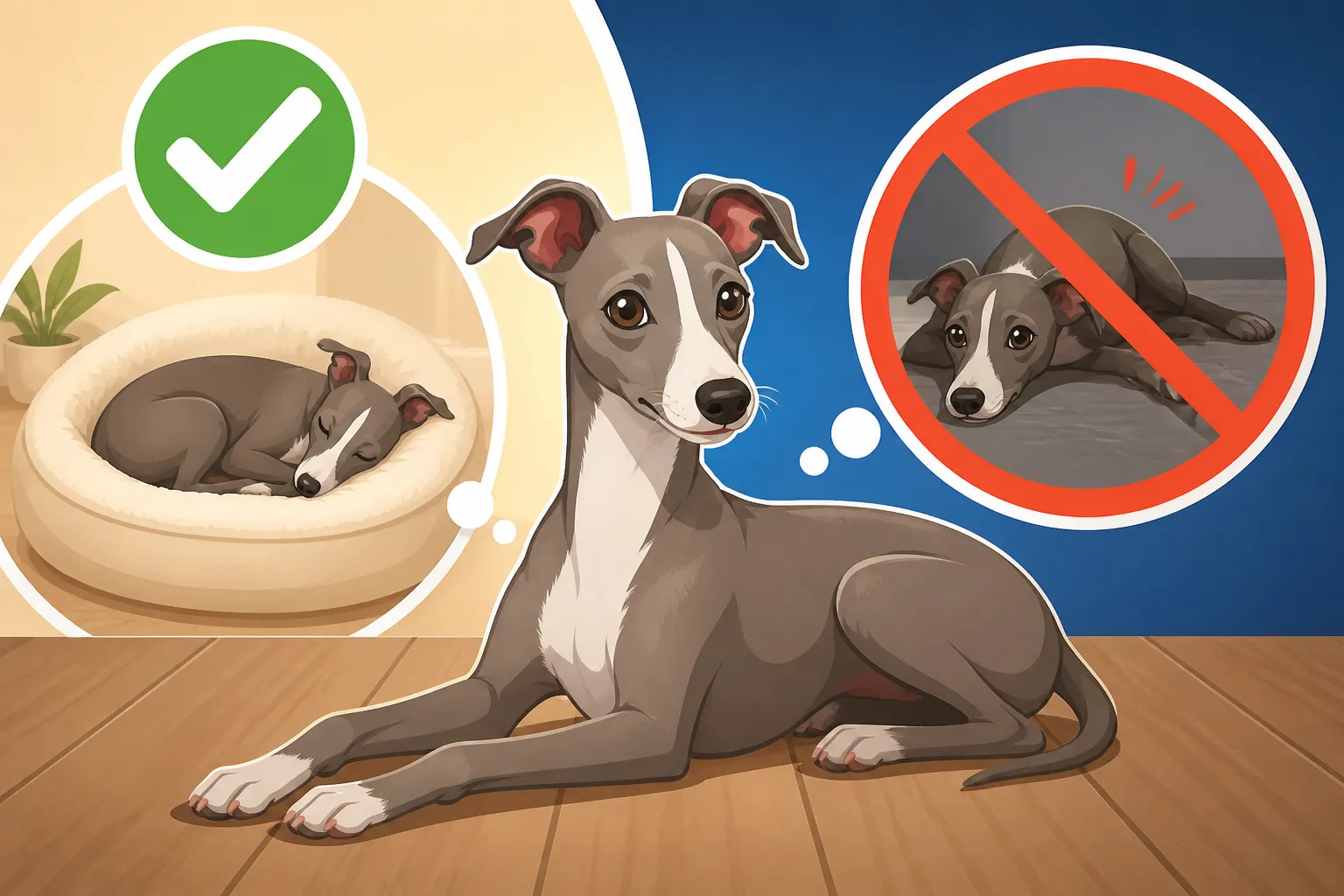
It’s a common sight for many dog owners: their beloved canine curled up on the cool kitchen tiles or stretched out on the living room hardwood. But for Italian Greyhound owners, seeing their delicate companion snooze on a hard floor can spark a real worry. These graceful, thin-skinned creatures have unique needs that make cold, unyielding surfaces far from ideal. This guide will dive deep into why hard floors are a less-than-optimal choice for your Italian Greyhound and offer practical, empathetic solutions to ensure they rest in comfort and safety.
Why Hard Floors Are a No-Go for Your Italian Greyhound
While a quick nap on a cool tile might seem harmless on a hot day, consistent sleeping or resting on hard floors poses several risks for Italian Greyhounds due to their distinctive physical characteristics. It’s not just about comfort; it’s about their long-term health and well-being.
The Delicate Bone Structure and Fracture Risk
Italian Greyhounds are renowned for their elegant, slender build, but this also means their bones are more delicate than many other breeds. Their long, fine leg bones, particularly the radius and ulna in the forelegs, are especially vulnerable. When an Italian Greyhound rests on a hard surface, there's always a subtle, underlying risk. Each time they shift, stretch, or even get up quickly, there's a small impact.
Imagine the cumulative effect of constant micro-impacts over months and years. While unlikely to cause an immediate fracture from just sleeping, a hard, unforgiving surface provides no shock absorption. If your Iggy decides to suddenly "zoom" from a prone position on a hard floor, or if they slip trying to gain purchase, the sudden twisting or impact on their fragile limbs could easily lead to a serious break. This is especially true for younger Italian Greyhounds whose growth plates are still hardening. Why an Italian Greyhound's Leg Bones Break So Easily
Thin Skin, Lack of Padding, and Pressure Sores
One of the most striking features of an Italian Greyhound is their incredibly fine, almost paper-thin skin, coupled with virtually no body fat. Unlike breeds with thick coats or natural padding, Italian Greyhounds lack this protective layer. This anatomical reality means that when they lie on a hard surface for any length of time, there’s very little to cushion their bony prominences.
Areas like their elbows, hips, and hocks are particularly susceptible. Prolonged pressure on these points can lead to the development of painful pressure sores or unsightly calluses. These aren’t just cosmetic issues; they can become irritated, break open, and even become infected, causing significant discomfort and requiring veterinary intervention. Furthermore, their thin skin is prone to tearing from friction or bumping against hard edges. How an Italian Greyhound's Skin Tears Even something as simple as scooching across a rough floor can cause irritation or abrasion to their delicate underside. Where an Italian Greyhound Gets Pressure Sores
Temperature Regulation Challenges
Italian Greyhounds are often affectionately called "velcro dogs" not just for their affectionate nature, but also because they crave warmth and gravitate towards cozy spots. This isn't just a preference; it's a physiological necessity. With their minimal body fat and short, fine coat, they have a difficult time regulating their body temperature. They don't have the natural insulation that other breeds possess.
Hard floors, especially those like tile, concrete, or uncarpeted wood, are often significantly colder than the ambient air temperature, acting like a giant heat sink. When your Italian Greyhound lies directly on such a surface, their body heat is quickly drawn away, making them feel cold very rapidly. You might notice them shivering, even indoors, or constantly trying to burrow under blankets or seeking out sunbeams. This constant battle against the cold can make them restless and prevent them from getting truly deep, restorative sleep. Why an Italian Greyhound Cannot Hold Its Own Heat
What Your Italian Greyhound Really Needs in a Sleeping Spot
Given their unique needs, providing the right sleeping environment for your Italian Greyhound isn't just a luxury; it's a fundamental part of responsible ownership. They thrive when their comfort and safety are prioritized.
Softness for Joint and Skin Health
The primary antidote to hard floors is, quite simply, softness. Your Italian Greyhound needs cushioning that cradles their delicate frame, distributing their weight evenly and protecting those vulnerable bony areas. Investing in a high-quality, supportive bed can make a world of difference for their joint health, especially as they age. Think memory foam or orthopedic beds, which contour to their body, offering superior pressure relief.
This isn't just for senior Iggies, either; puppies and adults also benefit greatly from this protective layer. Proper cushioning helps prevent the repeated micro-trauma to joints and reduces the risk of skin irritation and pressure sores discussed earlier. A soft, yielding surface allows their muscles to relax completely, promoting deeper sleep and better overall physical recovery from their daily sprints and playful antics. Which Bed Protects an Italian Greyhound's Elbows
Warmth and Security for a Restful Sleep
Beyond just softness, warmth and a sense of security are paramount for an Italian Greyhound's restful sleep. As we've established, they are incredibly sensitive to cold. A bed that insulates them from drafts and maintains their body heat is ideal. This is why you'll often find them attempting to burrow under any available blanket or pile of laundry! It’s an instinctual drive to create a warm, protected den.
Snuggle sacks, covered beds, or even a simple pile of soft, fleece blankets satisfy this deep-seated need for warmth and security. For extra chilly homes or for older Iggies, a heated bed on a low setting can be a godsend. The feeling of being completely enclosed and warm can significantly reduce anxiety, especially for a breed known for its sensitive nature. A truly cozy spot allows them to fully relax, knowing they are safe and comfortable. Why an Italian Greyhound Burrows Under Blankets
Accessibility and Safety
When choosing and placing your Italian Greyhound's sleeping spot, consider both accessibility and overall safety. While they are agile and can jump surprisingly high, repeated jumping on and off furniture (especially high beds or sofas) puts immense strain on their delicate legs and can lead to fractures. The very action of leaping down can result in an awkward landing, causing a break.
Therefore, consider beds that are low to the ground to minimize the need for jumping. If you do allow your Italian Greyhound on your bed or sofa, make sure there are ramps or steps readily available and that they are consistently used. Teaching them to use these access aids from a young age is crucial. A designated safe zone where they feel secure and can retreat undisturbed is also vital for their mental well-being, reducing stress and promoting truly restful sleep. Ramps and Steps for an Italian Greyhound's Furniture
Creating the Perfect Snooze Zones for Your Italian Greyhound
Once you understand their needs, transforming your home into an Italian Greyhound haven becomes a joyful task. It’s about thinking strategically about where they spend their time and ensuring those spots offer maximum comfort and safety.
Choosing the Right Bed
The market offers a fantastic array of dog beds, but not all are created equal for an Italian Greyhound. You'll want to prioritize plushness, support, and a design that caters to their burrowing instincts. Orthopedic beds, often made with memory foam, are excellent for joint support and pressure relief, preventing calluses and sores. Bolster beds provide a soft rim for them to lean against or rest their heads, mimicking the security of a den. Donut beds are also popular for Iggies, as they allow them to curl up in a tight, warm ball.
For the ultimate cozy experience, consider covered beds or snuggle sacks. These are essentially pockets of fleece or soft fabric where your Iggy can tunnel in completely, satisfying their innate need to burrow and ensuring they stay wonderfully warm. When looking for these, online retailers like Chewy offer a vast selection, allowing you to compare features and read reviews from other sighthound owners. Amazon is another excellent resource, often featuring specific "cave beds" or "snuggle sacks" designed for smaller, cold-sensitive breeds. Look for beds with removable, washable covers, as Italian Greyhounds can sometimes track in dirt or have accidents.
The Magic of Blankets and Burrowing
Even with the best bed, an Italian Greyhound will almost always appreciate a blanket. This isn't just an accessory; it's a vital part of their comfort toolkit. They instinctually seek to burrow, creating their own little microclimates. A soft, lightweight fleece blanket is often all they need to feel secure and warm.
To set up an inviting burrow, simply place one or two blankets in their chosen bed. Many Iggies will instinctively push and nuzzle their way into a comfortable cocoon. You can also find specialty snuggle sacks designed specifically for this purpose, which are essentially pre-made blanket tunnels. For older Italian Greyhounds or those who struggle with cold, a self-warming pad placed under their bedding (never directly on the pad) can add an extra layer of ambient warmth without the need for electricity. Regular washing of these blankets and bed covers is important for hygiene and comfort. How Often an Italian Greyhound's Bedding Should Be Washed
Strategic Placement and Multiple Comfort Stations
Where you place your Italian Greyhound's beds is just as important as the beds themselves. Avoid drafty areas, like near exterior doors or poorly insulated windows. Instead, choose spots that naturally retain warmth, perhaps against an interior wall or in a sunny patch where natural light can warm their bed during the day. Consider areas where the family congregates, as Italian Greyhounds are highly social and thrive on being close to their people.
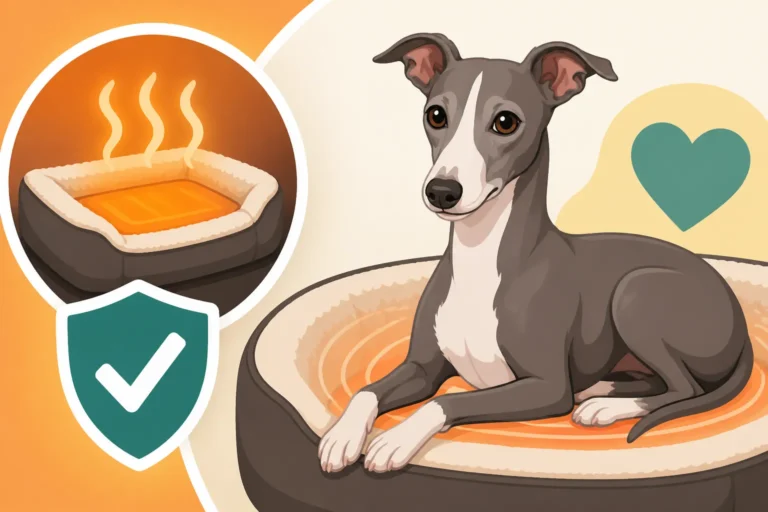
Having multiple comfort stations around the house is often the best approach. A primary sleeping bed in your bedroom, a cozy spot in the living room, and perhaps another near a sunny window or by your desk if you work from home. This ensures they always have a soft, warm place to rest, no matter where you are in the house. If you have a large expanse of hard flooring, consider laying down a few area rugs or non-slip mats in high-traffic zones. This breaks up the hard surface, provides some warmth and traction, and gives them intermediate resting spots between their main beds. If you're considering a heated bed, always ensure it's specifically designed for pets and used according to manufacturer instructions for safety. Whether a Heated Bed Is Safe for an Italian Greyhound
Beyond the Bed: Protecting Your Italian Greyhound in All Living Spaces
While comfortable beds are crucial, an Italian Greyhound's delicate nature means you need to consider their safety and well-being throughout your entire home, not just when they're sleeping. Proactive measures can prevent accidents and ensure a happier, healthier life.
Mitigating Risks on Hard Floors
Even with the best beds, Italian Greyhounds will inevitably spend time on hard floors. They’ll trot through the kitchen, dash across the hallway during zoomies, or simply follow you from room to room. To reduce the risks associated with these surfaces, strategically placed rugs, runners, and non-slip mats are invaluable. These provide much-needed traction, especially in areas where they might accelerate or make sharp turns.
For older Italian Greyhounds or those who seem particularly unsteady on slick surfaces, consider investing in paw grippers or traction socks. These small additions can make a big difference in preventing slips and falls, which can easily lead to serious injuries. Regularly trimming your Italian Greyhound's nails is also essential. Overly long nails can make it harder for them to grip hard surfaces, increasing their instability. What Happens If an Italian Greyhound's Nails Get Long Smooth, hard nails simply slide more easily than properly trimmed ones.
Safe Furniture Access
The allure of the sofa or your bed is often irresistible to an Italian Greyhound, and many owners enjoy snuggling with their Iggies on furniture. However, jumping on and off these elevated surfaces is one of the leading causes of fractures in the breed. Their slender legs are simply not built to absorb the impact of repeated jumps.
The solution lies in consistent training and readily available aids. Install ramps or steps for every piece of furniture your Italian Greyhound is allowed to access. Start training them young to use these aids exclusively, and never encourage jumping. It takes patience, but it's a vital safety measure. It might seem like a small thing to just lift them down, but waiting for them to use the ramp or lifting them yourself every single time can prevent a catastrophic injury. Teaching an Italian Greyhound Not to Jump Down It might feel like a chore at first, but the alternative—a broken leg, expensive surgery, and a long recovery—is far worse. Always pick up your Italian Greyhound gently and securely, supporting their long body to prevent injury. How to Pick Up an Italian Greyhound Safely
When a Hard Surface Is Unavoidable Temporarily
There will be times when your Italian Greyhound has to be on a hard surface that you can't control. Think veterinary visits, professional grooming (though Italian Greyhounds rarely need it), or when traveling in a crate. In these situations, your goal is to make the temporary hard surface as safe and comfortable as possible.
Always bring plenty of soft, familiar bedding from home to line carriers or crates. A favorite blanket or snuggle sack can provide both physical comfort and a sense of security in an unfamiliar environment. For vet visits, ask if you can place a towel or blanket on the exam table. If they are crated for travel, make sure their travel crate (many available on Amazon, for example) is generously lined with soft materials, keeping them warm and cushioned against any bumps along the way. Planning ahead for these temporary situations can significantly reduce stress and enhance your Italian Greyhound's safety.
Disclaimer
This article is for general informational purposes only and does not constitute professional advice. Laws, prices and regulations vary by location and change over time. Consult a qualified professional for guidance on your specific situation.