When an Italian Greyhound Moves to Adult Food
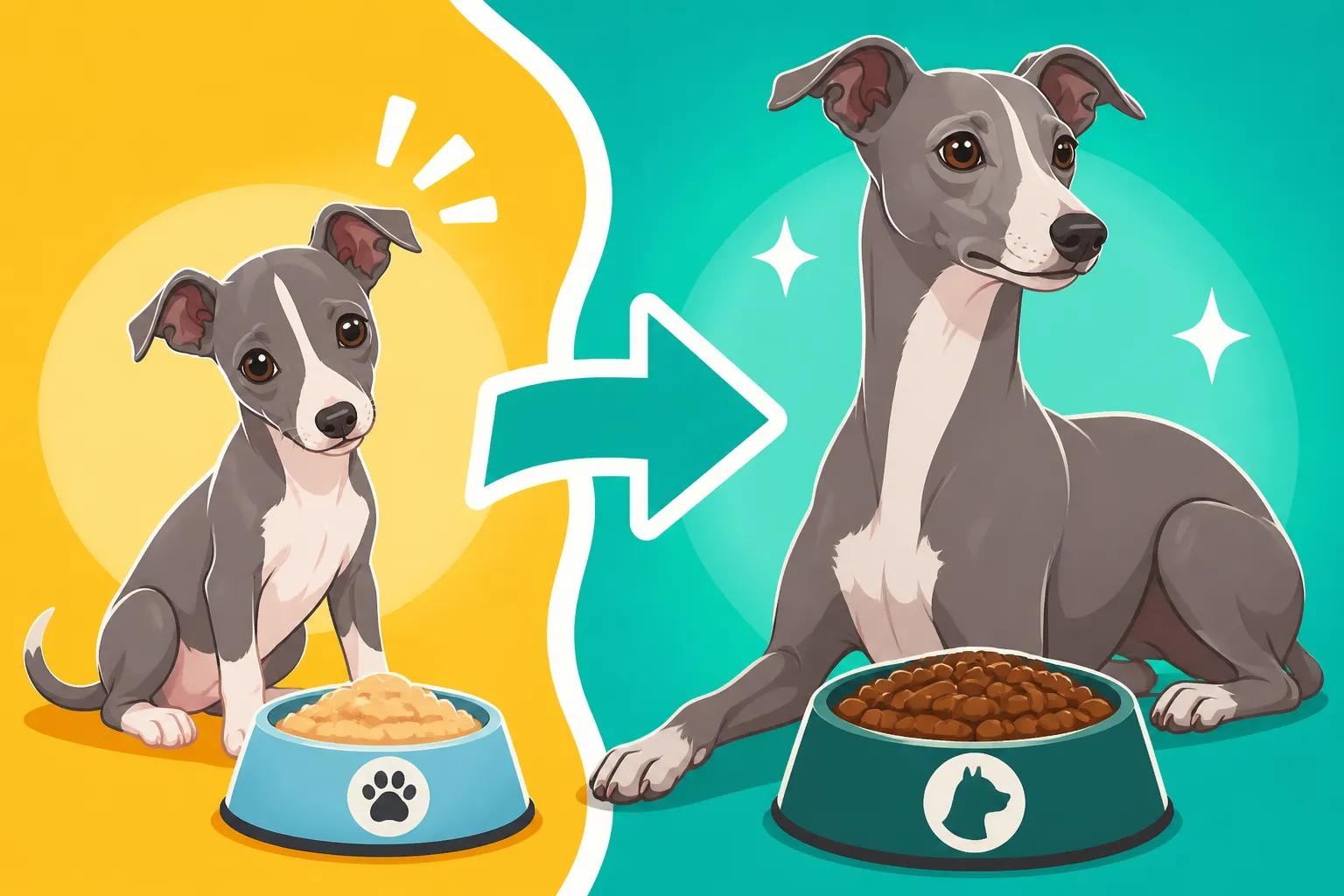
One of the most common questions new Italian Greyhound owners wrestle with is when exactly their adorable, gangly puppy needs to make the big switch from high-energy puppy food to a more balanced adult formula. It's not just about hitting a certain age; it's a careful dance between physical maturity, growth plate closure, and ensuring their delicate systems get the right nutrients without causing stomach upset or encouraging unhealthy weight gain. This guide will walk you through everything you need to know to make this transition smoothly and confidently.
Understanding the Italian Greyhound Puppy's Nutritional Journey
Italian Greyhounds, despite their small size, go through an incredibly rapid growth period in their first year. Puppy food is specifically designed to fuel this intense development, packing in more calories, protein, and essential nutrients than adult formulas. Understanding why puppy food is so critical first helps you appreciate when it's time to move on.
Why Puppy Food is Crucial for Growth
Think of a tiny Italian Greyhound puppy as a miniature construction project, constantly building muscle, strengthening bones, and developing vital organs. Puppy food acts as the specialized, high-octane fuel for this intense construction. It's typically higher in calories, fat, and protein compared to adult dog food, which supports their rapid growth spurts and boundless energy levels. These formulas also contain specific ratios of calcium and phosphorus, crucial for healthy bone development, particularly important for a breed known for its delicate bone structure. Too little, or too much, can actually lead to developmental orthopedic issues.
Beyond the macronutrients, quality puppy foods are also fortified with essential vitamins, minerals, and often DHA, an omega-3 fatty acid that supports brain and vision development. Imagine trying to build a skyscraper with only basic bricks – you need specialized materials for the complex wiring, plumbing, and structural integrity. Similarly, a growing Italian Greyhound needs this enriched diet to reach its full potential, both physically and mentally. This early nutritional foundation sets the stage for a healthy Why an Italian Greyhound Lives Fourteen to Fifteen Years.
The Rapid Growth Phase of an Italian Greyhound Puppy
Italian Greyhounds grow incredibly fast in their first few months. You'll literally see them change week by week! While they are a toy breed, their growth trajectory isn't quite the same as a giant breed, which requires a careful balance to prevent too-rapid bone growth. For Iggies, the focus is on providing consistent, high-quality fuel without overdoing it. Most of their vertical growth and bone development occurs within the first 6 to 9 months. During this time, their caloric needs per pound of body weight are much higher than an adult dog's, reflecting the sheer amount of energy they expend on growing.
After about six months, while they might still fill out a bit, the frantic pace of growth starts to slow down significantly. This period of rapid development is when they are most vulnerable and their nutritional needs are at their peak. It's during this phase that they burn through calories at an astonishing rate, sometimes leading owners to worry if their puppy is eating enough, or conversely, if they're eating too much and gaining weight too quickly, which is also a concern for developing joints and bones.
Key Indicators for Transitioning to Adult Food
Knowing when to switch isn't just a calendar date; it's a combination of factors including age, physical development, and even behavioral cues. Rushing the process can be detrimental, and waiting too long can lead to other issues.
Age-Based Guidelines and Considerations
For most Italian Greyhounds, the sweet spot for transitioning to adult food falls somewhere between 9 to 12 months of age. Some smaller or slower-maturing individuals might benefit from staying on puppy food until they are closer to 12 months, but generally, by the time they are approaching their first birthday, their major growth plate development is slowing down or complete. While specific breeds like giant dogs might stay on puppy food for 18-24 months, toy breeds like the Italian Greyhound mature much faster.
It's tempting to think that since they're still acting like puppies, they need puppy food, but their internal needs are changing. Continuing puppy food past the optimal transition window can actually be counterproductive. The higher caloric density and fat content can lead to excess weight gain in a dog whose growth has plateaued, setting them up for joint problems later in life and making it harder to maintain a healthy weight. Always check with your vet, as individual growth rates can vary.
Physical Maturity Markers
One of the clearest signs your Italian Greyhound is ready for adult food is their physical development. When they've reached their near-adult height and length, and are starting to fill out rather than just grow taller, that's a strong indicator. For many Iggies, this means they've hit the approximate weight range that is typical for the breed. The Age an Italian Greyhound Reaches Full Weight is usually around 9-12 months. You should observe that their lean, lanky puppy frame is beginning to solidify into the more defined, graceful structure of an adult Italian Greyhound.
Another important, though less visible, physical marker is the closure of their growth plates. These are areas of cartilage at the ends of long bones where bone growth occurs. Once these plates close and ossify (turn to bone), further linear growth stops. While you can't see this directly without an X-ray, it generally aligns with the 9-12 month age range for toy breeds. Continuing to feed a diet with excessive calcium and phosphorus after growth plates have closed can potentially lead to orthopedic issues, so switching to adult food, which has a more balanced mineral profile for maintenance, becomes important. You should be able to feel their ribs easily without them being protruding, and their waist should be nicely tucked. If you're struggling to feel those ribs, or they look a bit round, it might be time to dial back the calories.
Behavioral Cues to Watch For
Beyond the physical signs, your Italian Greyhound's behavior can also offer clues that they're ready for adult food. Have you noticed their energy levels evening out a bit? While Italian Greyhounds are known for their bursts of "zoomies" throughout their lives, the constant, frenetic energy of a young puppy that seems to run on pure adrenaline often starts to temper as they approach a year old. They might still have their mad dashes, but perhaps they're also settling for longer naps or more relaxed playtime rather than non-stop antics.
Another subtle cue can be a slight decrease in appetite, or simply not being quite as ravenous as they once were. A puppy's stomach is a bottomless pit, seemingly. As they near adulthood, their intense caloric demand lessens, and they might regulate their food intake more. If your Iggy is leaving a few kibbles in the bowl more often, or doesn't seem quite as frantic at meal times, it could be a sign their body's nutritional requirements are shifting. However, be cautious not to mistake pickiness or an upset stomach for readiness to switch; always consider other factors.
The Transition Process: A Gentle Approach
Changing your dog's food, especially for a breed like the Italian Greyhound that can sometimes have a sensitive tummy, requires a slow and gentle approach. Sudden changes can lead to digestive upset, which is no fun for anyone involved!
Gradual Introduction of Adult Kibble
The golden rule for changing any dog's food is gradual transition, and this holds especially true for Italian Greyhounds. Their sensitive digestive systems can react strongly to sudden dietary changes. The best method involves mixing the new adult food with their old puppy food over a period of 7 to 10 days, slowly increasing the proportion of new food while decreasing the old. This allows their digestive enzymes to adjust to the new ingredients without becoming overwhelmed.
A typical schedule might look something like this:
| Day | Puppy Food | Adult Food |
|---|---|---|
| 1-2 | 75% | 25% |
| 3-4 | 50% | 50% |
| 5-6 | 25% | 75% |
| 7-10+ | 0% | 100% |
During this time, observe your Italian Greyhound closely. Look for any changes in stool consistency, appetite, or energy levels. If you notice soft stools or diarrhea, slow down the transition. You might need to hold at a certain ratio for a few extra days before increasing the new food again. Remember, patience is key here to avoid an upset stomach or a food aversion.
Monitoring Digestion and Appetite During Transition
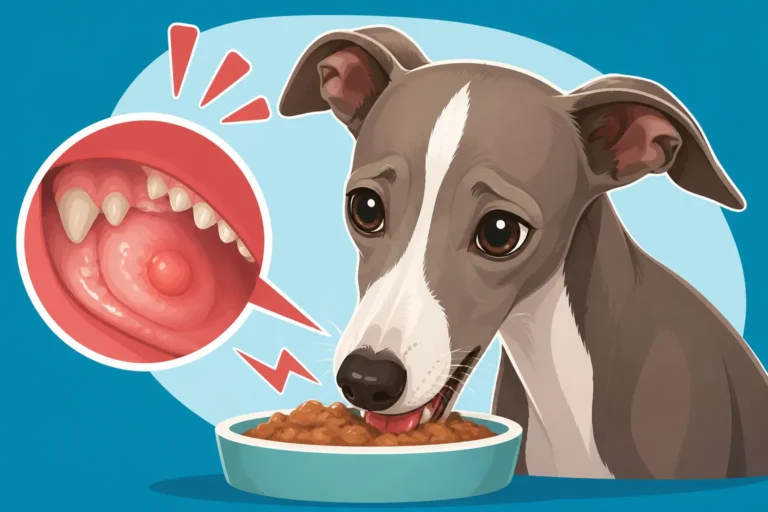
As you introduce the new food, paying close attention to your Italian Greyhound's digestive health is paramount. Soft stools, diarrhea, vomiting, or excessive gas are all signs that the transition might be happening too quickly or that the new food isn't agreeing with them. These delicate dogs can sometimes experience a sensitive stomach (Whether an Italian Greyhound Has a Sensitive Stomach), so a keen eye is necessary. If these symptoms occur, revert to the previous ratio of food that your dog tolerated well and hold there for a few more days before attempting to increase the new food again. Some dogs just need more time.
Beyond digestion, keep an eye on their appetite. Are they still eager to eat? Some Iggies can be quite picky, and if they suddenly turn their nose up at mealtime, it might not be a sign of stomach upset but rather a preference issue. However, a complete loss of appetite, especially combined with other symptoms, warrants a call to your vet. You want them to be excited about their meals but not to the point of gorging, especially if the new food is richer than what they're used to.
Addressing Picky Eaters and Stomach Sensitivity
Italian Greyhounds can sometimes be a bit particular about their food, or they might have genuinely sensitive digestive systems. If your Iggy is turning into a Getting a Picky Italian Greyhound to Eat, the transition can be even more challenging. One trick is to warm the food slightly, as this can enhance its aroma and make it more appealing. You can also try adding a small amount of plain, cooked chicken breast or a spoon of canned pumpkin (not pie filling!) to the new food to entice them, but be careful not to add too much, as this can unbalance the diet or make them even pickier for the "add-ins."
For those with true stomach sensitivity, sometimes a hydrolyzed protein diet or a limited ingredient diet might be necessary, but this should always be discussed with your veterinarian. During the transition, if you encounter persistent digestive issues, consider a probiotic supplement specifically designed for dogs. These can help support gut health and make the switch smoother. Reputable brands like Purina FortiFlora or VetriScience Probiotic Everyday are often recommended by vets and can be found easily on platforms like Chewy or Amazon. Don't be afraid to slow the transition down to two weeks if needed; a happy tummy is worth the extra time.
Choosing the Right Adult Food for Your Italian Greyhound
Once you've made the decision to transition, the next crucial step is selecting the right adult food. Not all dog foods are created equal, and what works for a Labrador might not be ideal for a slender, active Italian Greyhound.
Nutritional Requirements for Adult Italian Greyhounds
Adult Italian Greyhounds, while still energetic, have different caloric and nutritional needs than puppies. Their food should be formulated for "maintenance" rather than "growth." This generally means a slightly lower calorie and fat content to prevent unwanted weight gain, as these dogs can easily become Signs an Italian Greyhound Is Overweight if overfed, putting undue stress on their delicate bones and joints. A good adult Italian Greyhound food should still contain a moderate to high level of quality protein to maintain their lean muscle mass.
Look for a food with easily digestible ingredients, as Iggies can be prone to sensitive stomachs. The first few ingredients should be identifiable protein sources, like chicken, lamb, or fish, rather than vague "meat meals" or excessive fillers. While they are small, Whether an Italian Greyhound Needs Small Breed Kibble isn't always strictly necessary, but a smaller kibble size can make it easier for them to chew and digest. Avoid foods with artificial colors, flavors, or excessive preservatives, as these can sometimes trigger sensitivities.
Evaluating Different Food Types and Brands
The market is flooded with dog food options, which can feel overwhelming! You'll encounter dry kibble, wet food, fresh food, and even raw diets. For Italian Greyhounds, dry kibble is often the most practical and cost-effective, and many high-quality options exist. When evaluating brands, look for those that conduct feeding trials and have veterinary nutritionists on staff. Mainstream premium brands often provide consistent quality and are widely available. You can find a vast selection on online retailers like Chewy or Amazon, often with detailed ingredient lists and customer reviews that can help guide your choice.
Some owners also explore fresh food delivery services, such as Ollie, which can offer tailored, human-grade meals. These can be excellent for picky eaters or those with sensitivities, though they typically come at a higher price point. If you consider a raw or home-cooked diet, it's absolutely critical to consult with a board-certified veterinary nutritionist to ensure it's nutritionally complete and balanced, as deficiencies can have serious long-term health consequences for your Italian Greyhound. Regardless of the type, always ensure the food meets AAFCO (Association of American Feed Control Officials) nutritional standards for "maintenance" or "all life stages."
Special Dietary Considerations and Supplements
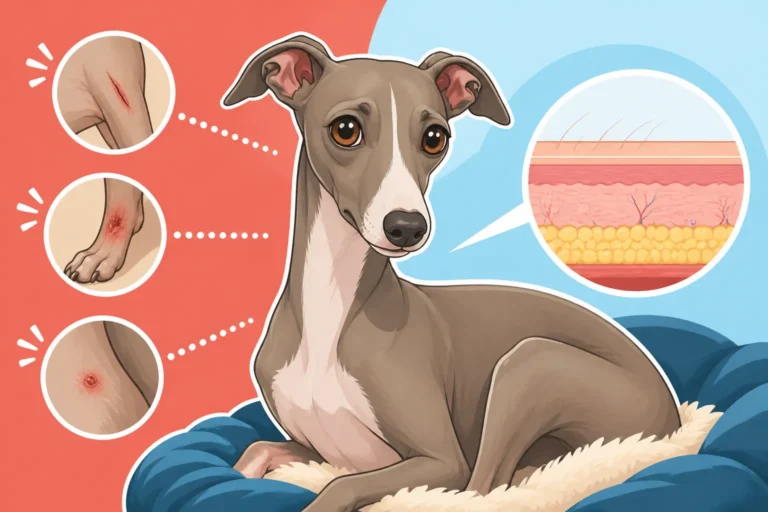
While a high-quality, complete, and balanced adult dog food should ideally provide all the nutrients your Italian Greyhound needs, some individual dogs might have specific requirements. For instance, if your Iggy has particularly delicate skin, or you want to support their coat health, you might consider a food enriched with omega-3 and omega-6 fatty acids, or supplement with a fish oil (again, vet-approved dosage). Italian Greyhounds have very fine, thin skin, so good skin and coat health is important for their comfort and protection.
If your Italian Greyhound is particularly active, or perhaps on the leaner side, you might choose a food with a slightly higher calorie count, but always ensure they maintain a healthy body condition. Conversely, if they gain weight easily, a "light" or "weight management" formula might be appropriate, under veterinary guidance. Generally, healthy adult Iggies don't require routine supplements beyond what's in a good quality food, unless recommended by a vet for a specific health concern, such as Arthritis in an Italian Greyhound's Healed Leg or other age-related joint support as they get older.
Common Pitfalls and Troubleshooting During the Switch
Even with the best intentions, the food transition might not go perfectly smoothly. Being prepared for common challenges and knowing how to troubleshoot them will make the process less stressful for both you and your Italian Greyhound.
Avoiding Common Feeding Mistakes
One of the biggest mistakes owners make is switching foods too quickly, as we've already covered. Patience truly is a virtue here. Another common pitfall is overfeeding. Once your Italian Greyhound is on adult food, their caloric needs drop significantly compared to their puppy days. Many owners continue to feed the same volume of food, leading to gradual weight gain. Refer to the feeding guidelines on the new adult food packaging, but treat them as a starting point. How Much an Adult Italian Greyhound Eats can vary based on their activity level, metabolism, and individual needs. Always monitor their body condition; you should be able to easily feel their ribs without seeing them overtly, and they should have a discernible waist.
Another mistake is constantly switching foods if your Iggy is a picky eater. While trying a new food during transition is one thing, continually rotating through brands or types of food in an attempt to find the "perfect" one can actually exacerbate pickiness and stomach sensitivities. Try to stick with a high-quality food that they tolerate well for an extended period. Also, avoid giving too many table scraps or treats, especially during this transition, as it can upset their stomach and make them even pickier about their regular meals.
What to Do If Your Italian Greyhound Refuses New Food
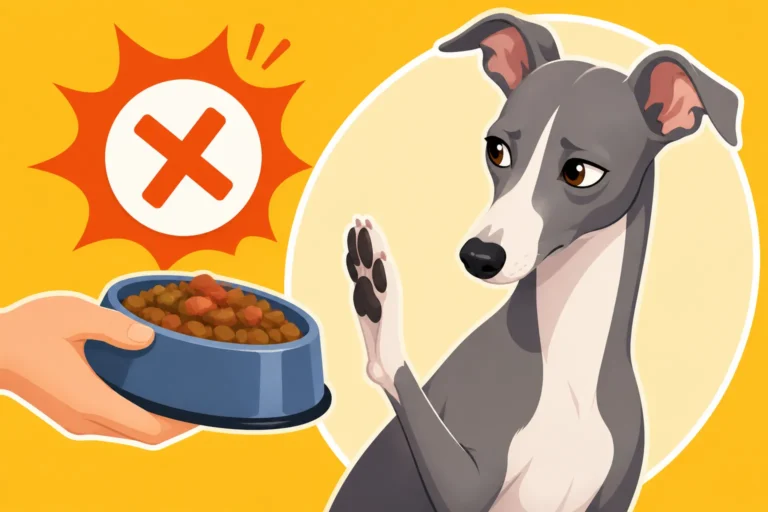
If your Italian Greyhound is refusing the new adult food, first rule out any underlying health issues with a vet check, especially if they are also showing signs of lethargy or digestive upset. Assuming they're healthy, it's likely a case of pickiness. These dogs can be quite finicky! Sometimes, simply offering the mixed food and removing it after 15-20 minutes if they don't eat, and not offering anything else until the next mealtime, can encourage them to eat what's available. Don't worry, a healthy dog will not starve itself. This isn't about being harsh; it's about establishing good eating habits.
You can also try making the new food more palatable. A little bit of low-sodium chicken broth, warm water, or a small dollop of plain yogurt (if they tolerate dairy) can sometimes do the trick. For some particularly stubborn Iggies, trying a different flavor of the same brand, or even a different brand altogether, might be necessary. However, if you do switch to a completely new food again, remember to restart the slow transition process. Some owners find that a fresh food option, like those from Ollie, can be incredibly appealing to a fussy eater due to its palatability and scent.
Consulting Your Veterinarian for Expert Guidance
When in doubt, your veterinarian is your best resource. If you're unsure when to switch, what food to choose, or if your Italian Greyhound is experiencing persistent digestive issues or refusing to eat during the transition, don't hesitate to reach out. Your vet can assess your dog's individual growth, health status, and lifestyle to recommend the best course of action. They might suggest specific brands or dietary approaches tailored to your Iggy's needs, especially if there are any underlying health concerns like Hypothyroidism in an Italian Greyhound or food allergies.
A vet can also help you determine if your Italian Greyhound's current weight is healthy using a body condition score, and advise you on proper portion control for the adult food. They can perform diagnostic tests if there are concerns about stomach sensitivity or other issues. Remember, proactive veterinary care, including regular wellness exams, is a cornerstone of maintaining your Italian Greyhound's health throughout its Caring for an Italian Greyhound Past Eleven life.
Disclaimer
This article is for general informational purposes only and does not constitute professional advice. Laws, prices and regulations vary by location and change over time. Consult a qualified professional for guidance on your specific situation.