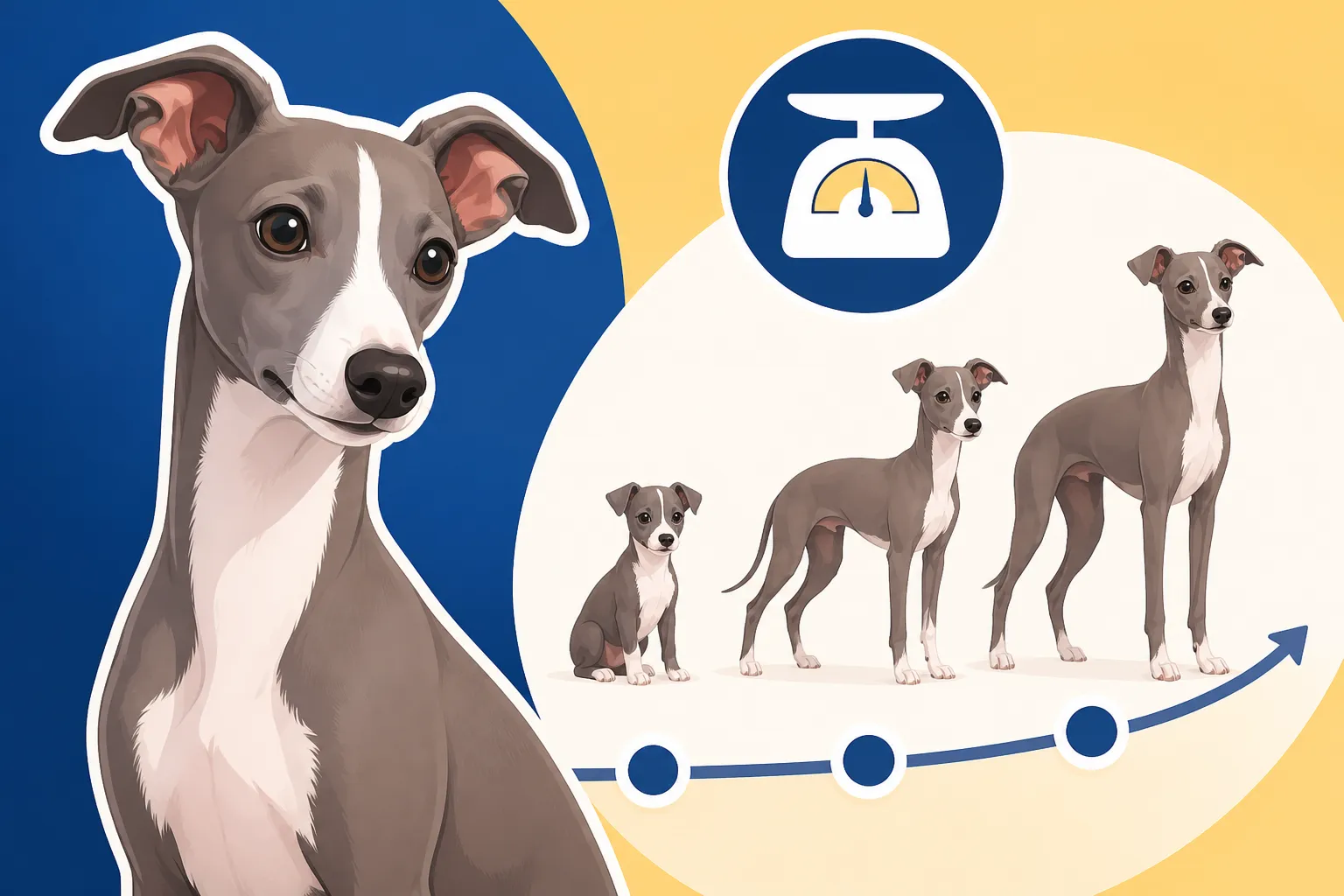
The Age an Italian Greyhound Reaches Full Weight
It's completely normal to watch your adorable Italian Greyhound puppy grow with a mixture of excitement and a tiny bit of anxiety, wondering when they'll finally settle into their adult size and what that will even look like. This guide is here to walk you through the typical growth trajectory of an Italian Greyhound, helping you understand when they usually reach their full weight, what factors play a role, and how to tell if your lean little companion is growing just right.
Understanding Italian Greyhound Growth Stages
Bringing home an Italian Greyhound puppy is a whirlwind of tiny paws and boundless energy, and it feels like they're growing exponentially every single day! While their growth isn't quite that dramatic, they do go through distinct stages of development that determine their eventual adult size. It’s a journey that starts with incredibly rapid changes and gradually tapers off into a more subtle filling-out phase.
Rapid Early Development
From the moment they’re born, Italian Greyhound puppies are on a fast track. The first few weeks and months are characterized by incredibly quick gains in both weight and height. When you first bring your puppy home, often around eight to twelve weeks, they are still very much in this rapid growth phase. You'll notice changes almost daily: they'll outgrow collars, their legs will seem to sprout overnight, and their appetite will probably be quite robust for such a small creature. This initial burst of growth is crucial for laying down the foundational skeletal structure and organ development. They’re building the framework of their adult body, and it's a demanding process. Keeping an eye on their weight during this period, perhaps even Weighing an Italian Greyhound Puppy Every Week, can be incredibly reassuring and help you track their progress against breed norms.
The Adolescent Spurt
Just like human teenagers, Italian Greyhounds have an adolescent growth spurt, though it happens much earlier! This typically occurs between about four to eight months of age. During this time, they often gain significant height, sometimes appearing a bit gangly or "all legs" as their bones stretch out. You might even see a temporary dip in their lean appearance as their body tries to keep up with the rapid skeletal changes. It’s important not to try and "fatten them up" during this phase, as proper nutrition should focus on steady, healthy development rather than excessive weight gain, which can put undue stress on their still-developing joints. This is also a critical time for monitoring their activity; their bones are growing quickly but aren't fully hardened, making them more susceptible to injury. The Age an Italian Greyhound Is Most Likely to Break a Leg often falls within this window, so careful supervision and avoiding risky jumps are paramount.
When "Full Weight" Truly Kicks In
Defining "full weight" for an Italian Greyhound isn't as simple as pointing to a specific calendar date. It's a more nuanced process than many people realize, especially for a breed known for its delicate build and lean physique.
Not Just About the Scale
When we talk about an Italian Greyhound reaching its "full weight," it's not solely about the number on the scale. While weight is certainly a factor, it's more accurately about reaching a state of physical maturity where their skeletal system has fully ossified (hardened), their muscles have developed to their full potential for their frame, and their body condition is stable and healthy. An Italian Greyhound should always be lean, with their ribs easily palpable but not sharply protruding. They aren't meant to be bulky; their elegance lies in their slender, athletic build. So, while a numerical weight might be consistent, the quality of that weight – the composition of muscle versus fat – is what truly signifies maturity. A mature Italian Greyhound should have a distinct tuck-up and a sleek, graceful silhouette.
Individual Variation is Key
Here's the thing about Italian Greyhounds, much like people: they are individuals! While there are general timelines, there's no single, universal age when every Italian Greyhound reaches its exact full adult weight. Genetics play a huge role here, passed down from their parents. Some Iggies might mature a little faster, while others might take an extra couple of months to fully fill out. Most Italian Greyhounds will reach their full height somewhere between 8 to 12 months, but they often continue to fill out and gain muscle mass more subtly until they are closer to 18 months, or even up to two years old. This "filling out" phase is less about growing taller and more about muscle development and bone density reaching its peak. So, if your one-year-old Italian Greyhound still looks a bit slender or seems to be gaining a little muscle, don't fret; it's likely a perfectly normal part of their developmental journey. Always remember to check What an Italian Greyhound Should Weigh against healthy body condition rather than just a number on the scale.
Factors Influencing Your Italian Greyhound's Final Size
While it might seem like their final size is predetermined, there are several key factors that influence how large (or rather, how perfectly sized) your Italian Greyhound will ultimately become. Understanding these can help you support their healthy development.
The Role of Genetics and Lineage
First and foremost, genetics are the blueprint. Your Italian Greyhound's parents and their lineage will give you the best indicator of what size they are likely to be. If both parents are on the smaller side of the breed standard, it's highly probable their offspring will also mature to be smaller. Conversely, puppies from larger-boned or taller parents are more likely to grow into that same physique. A reputable breeder can provide information about the parents' size and the typical size of their previous litters, which can offer valuable insight into your puppy's potential. This genetic predisposition sets the upper and lower limits of their growth, and while other factors can influence how fully they reach that potential, they can’t fundamentally change it. What an Italian Greyhound Breeder Should Have Tested for their dogs often includes evaluations of conformation and health that can impact growth.
Nutrition's Impact on Development
While genetics lay the groundwork, nutrition is the mortar that builds the house. Proper nutrition during puppyhood and adolescence is absolutely vital for healthy growth. Feeding a high-quality, balanced puppy food specifically formulated for small breeds, or discussing tailored options with brands like Ollie, ensures they receive all the necessary proteins, fats, vitamins, and minerals to support bone development, muscle growth, and overall health. The key is appropriate nutrition, not excessive nutrition. Overfeeding a puppy, especially with foods too high in calories or calcium, can actually lead to problems, potentially causing too-rapid growth that can stress developing joints and bones. This is particularly important for a delicate breed like the Italian Greyhound, where Why an Italian Greyhound's Leg Bones Break So Easily is a constant concern. Always follow feeding guidelines for their age and weight, and consult your vet if you have questions. You can find a vast array of quality dog food options and supplements on platforms like Chewy or Amazon, making it easy to provide the right diet.
Health and Activity Levels
An Italian Greyhound's overall health and the type of activity they engage in also play a role in their development. A puppy that experiences significant illness or parasitic burden during crucial growth periods might have its development temporarily stunted or impacted. Regular vet check-ups, appropriate vaccinations, and parasite control are foundational for ensuring optimal health and, by extension, optimal growth.
When it comes to activity, Italian Greyhounds are naturally active dogs, known for their bursts of speed and "zoomies." How Much Exercise an Italian Greyhound Needs is important, but careful management is crucial, especially during their younger, more fragile years. While exercise helps build muscle and strengthen bones, excessive or inappropriate high-impact activities (like repeated jumping from furniture or rough play with much larger dogs) can put undue strain on their still-developing growth plates, potentially leading to injuries. Gentle, consistent exercise, allowing for natural play and short sprints in a safe, enclosed area, is ideal to support muscle development without risking harm to their delicate frame.
Monitoring Your Italian Greyhound's Growth
As an Italian Greyhound owner, it's natural to be attuned to every little change in your beloved companion. Monitoring their growth isn't about being obsessive, but about being informed and ensuring they're on a healthy trajectory.
Weekly Puppy Weigh-Ins
For young puppies, especially up to six months of age, regular weigh-ins can be incredibly helpful. Weighing an Italian Greyhound Puppy Every Week can give you a clear picture of their growth rate. You can use a small kitchen scale or a baby scale for accuracy. Consistent weight gain, even if small, is generally a good sign. Any sudden drops or plateaus in weight, particularly if accompanied by changes in appetite or energy, should warrant a call to your veterinarian. These weigh-ins aren't just for curiosity; they help you confirm that your puppy is thriving and that their diet is adequate. As they get older, the frequency of weigh-ins can decrease, perhaps to once a month, as their growth slows.
Visual Cues and Body Condition Scoring
Beyond the scale, learning to "read" your Italian Greyhound's body condition is perhaps the most important skill for a responsible owner. Italian Greyhounds are supposed to be lean, but there's a difference between lean and underweight. You should be able to easily feel their ribs with a light touch, but not see them prominently protruding, especially from a distance. Their waist should be clearly visible when viewed from above, creating an hourglass shape, and they should have a significant "tuck-up" where their abdomen curves upwards towards their hind legs when viewed from the side.
A good way to assess this is using a body condition score chart, often provided by your vet or found online. It uses a visual and tactile assessment to determine if your dog is underweight, ideal, or overweight. Remember, a common mistake with Iggies is thinking they are too thin because we're used to seeing chunkier breeds. Your vet is the best resource for teaching you How to Feel an Italian Greyhound's Ribs correctly and interpreting their body condition. Brands like Ollie often provide guidance on ideal body condition as part of their personalized meal plans, which can be a helpful tool.
When to Consult Your Vet
Your veterinarian is your primary partner in your Italian Greyhound's health journey. If you have any concerns about your puppy's growth – whether they seem too small, too large, aren't gaining weight, or are gaining it too rapidly – a vet visit is always warranted. They can assess your puppy's overall health, check for any underlying issues, and provide personalized feeding recommendations. This is especially important if you notice any limping, stiffness, or changes in gait, as these could indicate skeletal or joint development issues. Catching potential problems early is key to ensuring your Italian Greyhound grows into a healthy, strong adult. Don't hesitate to reach out to your vet if you're ever in doubt.
The Difference Between Height and Weight Maturity
It’s easy to think of "full size" as a singular moment, but for Italian Greyhounds, it's often a two-part process. They typically reach their full height before they fully "fill out" in terms of muscle and bone density. This distinction is important for understanding their development.
Height First, Then Filling Out
Most Italian Greyhounds will reach their maximum height — that is, how tall they stand at the shoulder — around 8 to 12 months of age. You might notice them having what seems like a final growth spurt in height during this period. However, at this stage, they can still appear quite slender, even lanky. Their bones are largely elongated, but they haven’t yet packed on all the muscle or achieved the full density in their skeletal structure that characterizes a truly mature adult. Think of it like building the frame of a house before adding the interior walls and finishes. This means that while they might not get any taller after their first birthday, their body will continue to undergo subtle but significant changes.
The Slow Maturation of Bones
The process of bone maturation, or ossification, continues long after an Italian Greyhound reaches its full height. Their growth plates, the areas of cartilage at the ends of long bones where growth occurs, usually close by 12 to 18 months, though some vets will advise caution regarding activities until closer to two years of age for very active dogs or those with a history of injuries. The Age an Italian Greyhound's Bones Finish Hardening is crucial for understanding why we need to be careful with them as youngsters. During this period, their bones are strengthening and becoming denser, and their musculature is developing. They might gain a small amount of weight, not from getting fatter, but from increased muscle mass and denser bones. This gradual "filling out" contributes to their adult physique, making them more resilient, though still inherently delicate. Patience is key; rushing their physical development with excessive protein or calcium supplements, or pushing them into strenuous activities, can be counterproductive and even harmful. It's about letting nature take its course with good support.
Common Italian Greyhound Weight & Age Milestones
While every Italian Greyhound is unique, there are some general milestones you can expect regarding their growth. It's helpful to have a reference, but remember these are averages and your individual dog might vary slightly.
Here's a general guide for typical Italian Greyhound weight ranges at different ages:
| Age | Approximate Weight Range (Pounds) | Developmental Stage |
|---|---|---|
| 8 Weeks | 2 – 4 lbs | Rapid early growth, tiny puppy stage |
| 3 Months | 4 – 7 lbs | Continued rapid growth, starting to look "leggy" |
| 6 Months | 6 – 9 lbs | Approaching full height, still somewhat slender |
| 9 Months | 7 – 12 lbs | Often at full height, beginning to fill out |
| 12 Months (1 Year) | 8 – 14 lbs | Nearing full physical maturity, still developing muscle |
| 18 Months (1.5 Years) | 8 – 15 lbs | Generally reached full weight and bone density |
Please note: These are general ranges. Individual Italian Greyhounds can fall slightly outside these ranges based on genetics.
These figures represent healthy, lean Italian Greyhounds. An adult Italian Greyhound will typically weigh between 8 to 15 pounds, with some individuals being slightly smaller or larger within the breed standard. The most important thing is that your Italian Greyhound maintains a healthy body condition, which means being lean, muscular, and agile, rather than simply hitting a number on the scale. For more detailed insights into what constitutes a healthy size, you might find What an Italian Greyhound Weighs and How Tall It Stands particularly useful.
Ensuring Healthy Growth for Your Italian Greyhound
Supporting your Italian Greyhound's journey to full weight and maturity is about more than just food; it's a holistic approach to care that emphasizes safety, appropriate exercise, and consistent monitoring.
Balanced Nutrition Through All Stages
From the day you bring your puppy home, providing a high-quality, age-appropriate diet is paramount. For puppies, look for formulas designed for small breed puppies, which have the right balance of nutrients for their rapid growth without being excessively high in calories that could lead to overly fast growth. As they approach maturity (around 12-18 months), you’ll transition them to an adult formula. Remember, Italian Greyhounds have a relatively fast metabolism, but they are also very small, so portion control is key. Brands like Chewy and Amazon offer a wide selection of premium small-breed kibbles, raw, or gently cooked food options. Many owners are exploring personalized nutrition, and services like Ollie can provide freshly prepared meals tailored to your IG's specific needs, which can be invaluable during growth stages. Always aim for consistent, steady growth rather than trying to bulk them up quickly.
Controlled Exercise and Safe Play
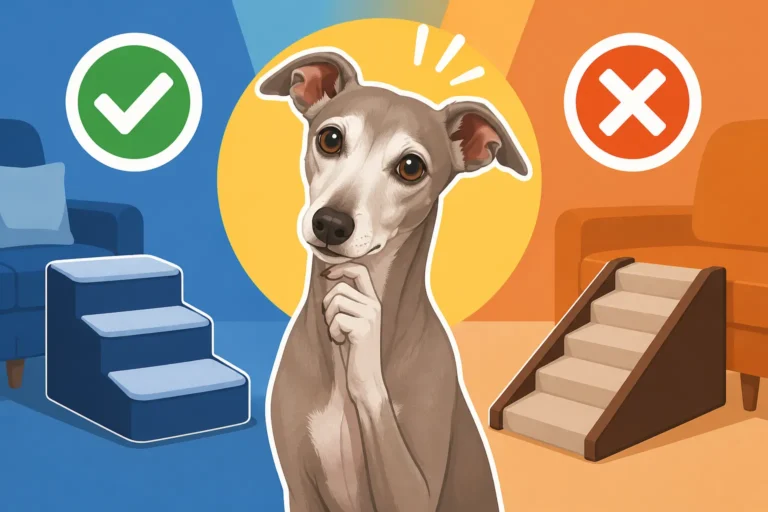
While Italian Greyhounds are athletic, their delicate bone structure means that controlled exercise is crucial, especially during their first 18 months. Avoid excessive jumping, rough play with larger dogs, or prolonged strenuous activities that could stress their developing joints and growth plates. Restricting an Italian Greyhound Under Two is a common recommendation for good reason. Short, frequent walks on a leash in a safe area, supervised playtime in a securely fenced yard, and gentle indoor play are ideal. Many owners find that ramps and steps for furniture are invaluable tools to prevent injury, as sudden jumps can lead to serious fractures. Learning How an Italian Greyhound Can Safely Land is vital, but preventing risky jumps is even better.
Regular Veterinary Check-ups
Routine veterinary visits are essential for monitoring your Italian Greyhound's growth and overall health. Your vet can assess their body condition, track their weight, and ensure they are hitting appropriate developmental milestones. They can also advise on any specific nutritional needs, discuss appropriate exercise levels, and screen for any genetic health conditions relevant to the breed, such as Legg Calve Perthes Turns Up in an Italian Greyhound at Six Months or patellar luxation. These check-ups are not just for when things go wrong; they are proactive steps to ensure a long, healthy life for your Italian Greyhound.
Conclusion
The journey of an Italian Greyhound from a tiny, fragile puppy to a sleek, elegant adult is incredibly rewarding, and understanding their growth trajectory is a big part of being a responsible owner. While most Iggies reach their full height by around 8 to 12 months, they often continue to fill out and gain muscle mass until they're closer to 18 months, or even up to two years of age. This "full weight" isn't a hard number, but rather a state of mature, healthy body condition—lean, muscular, and graceful.
By focusing on high-quality, appropriate nutrition, managing their exercise to protect their delicate bones, and maintaining regular veterinary care, you can ensure your Italian Greyhound grows into the healthy, beautiful companion they are meant to be. Embrace their unique, slender physique, and enjoy every stage of their development!
Disclaimer
This article is for general informational purposes only and does not constitute professional advice. Laws, prices and regulations vary by location and change over time. Consult a qualified professional for guidance on your specific situation.