What an Italian Greyhound’s Breath Should Smell Like
As Italian Greyhound owners, we become intimately familiar with every little quirk and detail of our beloved pups, and their breath is certainly no exception. While we all joke about "dog breath," there's a real spectrum of smells, and knowing what’s normal versus what's a warning sign can be crucial for your Italian Greyhound's health. This guide is all about helping you understand what your Italian Greyhound's breath should smell like, what those concerning odors might mean, and what you can do about them.
The Baseline: What Healthy Italian Greyhound Breath Should Smell Like
Let's start with what's considered normal. No dog, including our delicate Italian Greyhounds, is going to have breath that smells like a field of wildflowers after a fresh rain. It's just not going to happen! But there's a distinct difference between a mild, slightly "doggy" smell and something truly offensive that makes you recoil.
The Mild, Neutral Scent of a Healthy Mouth
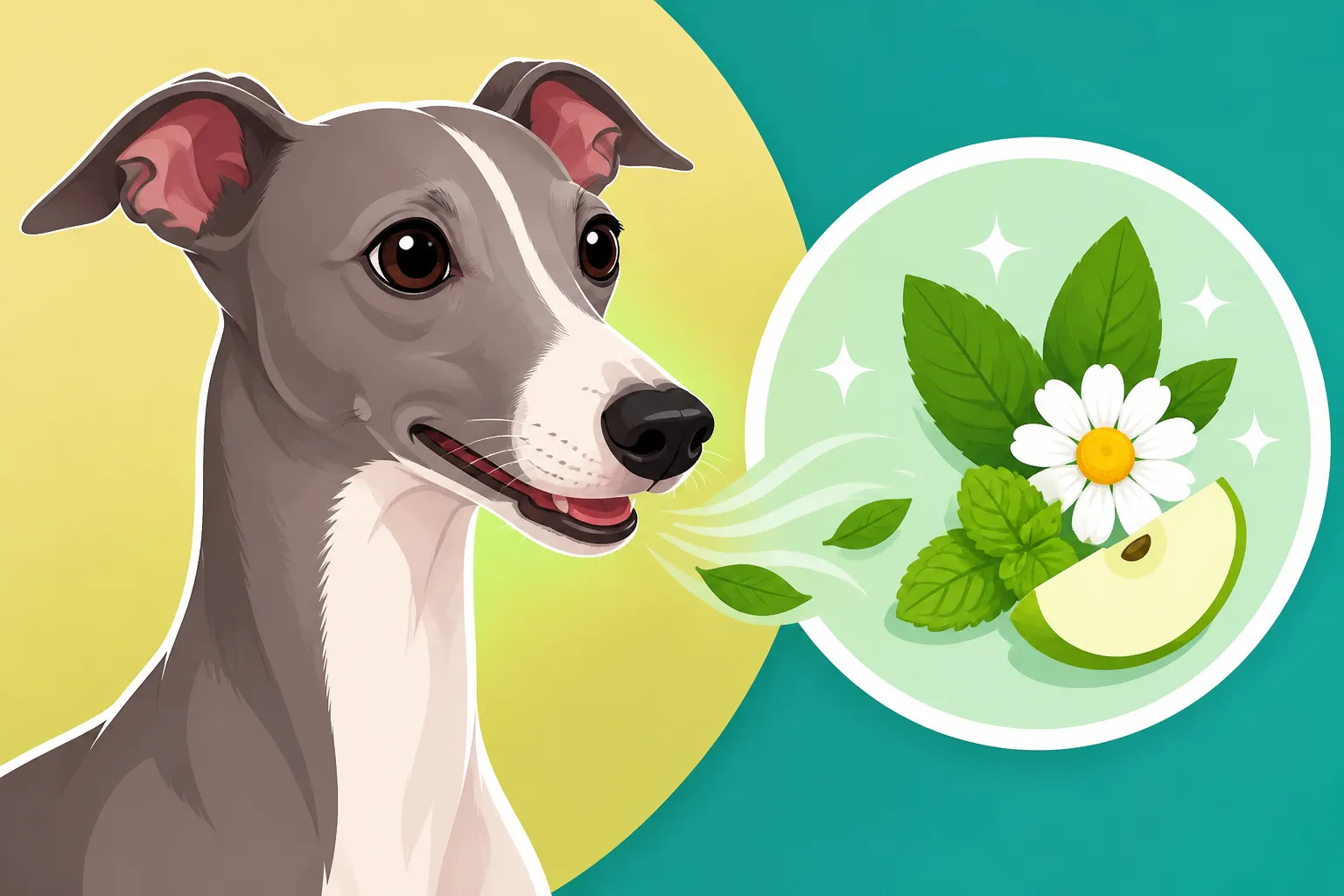
When your Italian Greyhound has a healthy mouth, their breath should be fairly neutral, maybe just a hint of what they've recently eaten. It might have a faint, warm scent that's uniquely "dog," but it shouldn't be strong, putrid, or foul enough to notice from across the room. You should be able to get close to their muzzle, offer a snuggle, and not be overwhelmed by a blast of stinky air. If you're consistently met with a gentle, almost imperceptible scent when your Iggy yawns or gives you a quick lick, you're likely in good shape. This neutral scent indicates that their teeth are clean, gums are healthy, and their digestive system is in good working order.
Italian Greyhounds are often quite delicate, and their bodies are generally lean, which means we tend to be very tuned into their subtle cues. A healthy breath is one of those quiet assurances that all is well beneath that sleek, fine coat.
Puppy Breath: A Fleeting, Sweet Experience
Ah, puppy breath! If you've ever had an Italian Greyhound puppy, you know this magical, sweet scent. It's often described as milky, slightly sweet, or even mushroomy, and it's something many new puppy owners cherish (and miss terribly once it's gone). This unique smell is usually present from birth until around six months of age, coinciding with the period when their baby teeth are erupting and falling out. During this phase, their mouths are still relatively clean, and their diet is primarily milk or easily digestible puppy food.
However, even puppy breath can turn sour if there are issues like retained baby teeth or early tartar buildup. While the sweet puppy breath is lovely, it's also a crucial time to start establishing good dental hygiene habits. Even if their breath smells fine, getting them used to having their mouths handled and teeth brushed sets them up for a lifetime of better oral health. It's a short window, so enjoy that sweet smell, but don't let it lull you into complacency about future dental care! When an Italian Greyhound's Baby Teeth Must Be Pulled is a good read if you're concerned about lingering baby teeth.
When "Dog Breath" Becomes a Red Flag: Common Causes of Halitosis in Iggys
If your Italian Greyhound's breath has taken a turn for the worse, becoming noticeably strong, foul, or unusual, it’s time to pay attention. This isn't just "dog breath" anymore; it's halitosis, and it's almost always a sign that something is amiss.
The Unavoidable Culprit: Dental Disease and Tartar Buildup
The overwhelming majority of bad breath cases in dogs, especially Italian Greyhounds, trace back to dental disease. Our Iggys have delicate, often crowded mouths, making them particularly prone to tartar accumulation and periodontal disease. Think about it: they have 42 teeth crammed into a tiny jaw. It’s a recipe for trouble!
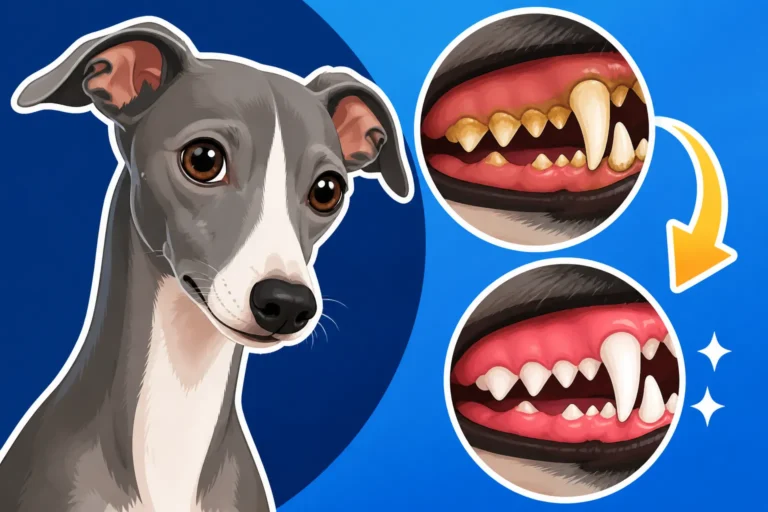
When food particles and bacteria combine in the mouth, they form plaque. If plaque isn't regularly removed through brushing or chewing, it hardens into tartar. Tartar is porous and creates a rough surface where even more bacteria can cling. This bacterial buildup leads to gingivitis (inflamed gums) and, eventually, periodontal disease. The bacteria release foul-smelling volatile sulfur compounds, which are the primary cause of that truly awful "rotten" smell from their mouth. Periodontal Disease Is the Italian Greyhound's Most Common Diagnosis for a deeper dive into this widespread issue.
This isn't just about bad breath; it's a serious health concern. The bacteria from the mouth can enter the bloodstream and travel to vital organs like the heart, liver, and kidneys, causing more severe systemic problems. If you can smell your Iggy's breath from several feet away, or if you notice their gums are red, swollen, or bleeding, or if they're hesitant to eat hard kibble, it's time for a vet visit. This is probably the most common reason you'd notice a drastic change in their breath.
Dietary Contributions: From Food Choices to Forbidden Snacks
What your Italian Greyhound eats can absolutely play a role in their breath. It's not just about what they eat, but also how it impacts their oral health.
- Low-Quality or Inappropriate Food: Some foods, especially those with questionable ingredients, can contribute to digestive upset and a less-than-fresh breath. Just like with humans, an unbalanced gut microbiome can manifest as bad breath. Also, foods that are very soft or sticky don't provide the abrasive action that kibble can (though often doesn't adequately) offer to help scrape away plaque. If you're feeding a high-quality food, like some of the premium options found on Chewy or Ollie, and still have bad breath issues, it's less likely to be the food itself and more likely something else.
- Forbidden Snacks and Scavenging: Italian Greyhounds are clever, and many are opportunistic scavengers. Getting into the trash, finding something questionable on a walk, or even sneaking a bite of cat food can temporarily give them bad breath. Some human foods, like garlic or onions, can cause not only bad breath but also be toxic. Even common treats, if they are high in sugar or extremely soft, won't do their teeth any favors. Why an Italian Greyhound Refuses Its Dinner might cover some aspects of picky eating that could influence dietary choices.
- Food Allergies or Sensitivities: Less commonly, food sensitivities can cause digestive issues that might contribute to bad breath. If your Iggy has other signs like itching, ear infections, or chronic diarrhea along with bad breath, it might be worth discussing a dietary trial with your vet.
It's a good idea to monitor what your Iggy is consuming, both intentionally and unintentionally. Their tiny digestive systems can be sensitive, and even a small change can sometimes lead to noticeable odors.
Beyond the Mouth: Systemic Health Issues
While dental disease is the most frequent culprit, a persistent or unusually strong odor from your Italian Greyhound's mouth can sometimes signal a more serious underlying systemic health problem. These are often less common but certainly more urgent.
- Kidney Disease: If your Iggy's breath smells like ammonia or urine, it could indicate kidney failure. The kidneys are responsible for filtering waste products from the blood, and if they're not functioning properly, these toxins build up and can be expelled through the breath. This is a very serious sign requiring immediate veterinary attention. Kidney Disease in an Old Italian Greyhound is an important topic to be aware of.
- Diabetes: A sweet, fruity, or acetone-like smell can be a symptom of unregulated diabetes. This occurs when the body isn't processing sugar properly, leading to the production of ketones, which can be smelled on the breath. Other signs of diabetes include increased thirst, frequent urination, and unexplained weight loss despite a good appetite.
- Liver Disease: A particularly foul, musty, or dead animal-like odor can sometimes be associated with severe liver disease. The liver plays a critical role in detoxification, and when it fails, toxins accumulate and can cause a very distinct, unpleasant breath.
- Gastrointestinal Issues: Beyond just what they eat, chronic GI problems like inflammatory bowel disease or certain infections can manifest as bad breath, as the digestive system isn't functioning optimally.
- Respiratory Infections: Infections in the lungs, sinuses, or nasal passages can also contribute to bad breath, as mucus and bacteria accumulate. You might notice other symptoms like sneezing, coughing, or nasal discharge.
- Oral Cancers/Tumors: Though less common, growths or tumors in the mouth can become necrotic or infected, leading to very offensive odors. This is often accompanied by difficulty eating, drooling, or visible masses.
If your Iggy's bad breath is accompanied by other symptoms like lethargy, changes in appetite or thirst, vomiting, diarrhea, weight loss, or changes in behavior, don't wait. See your veterinarian right away. These aren't just minor issues; they could be life-threatening.
Decoding the Odor: Different Bad Smells and What They Mean
It might sound strange, but paying close attention to the type of bad smell can give you a clue about its origin. It helps your vet narrow down possibilities.
Fishy, Sweet, or Foul: Identifying Specific Scents
Different underlying causes tend to produce distinct odors:
- Foul/Rotten/Decay-like: This is the most common and almost always points directly to severe dental disease, like advanced How Common Dental Disease Is in an Italian Greyhound or decaying teeth. The bacteria thriving in plaque and tartar produce these noxious gases. It's the smell of infection and inflammation in the mouth. Sometimes, a foreign object lodged in the mouth (like a stick splinter or a piece of toy) could also cause this if it starts to decay or cause an infection.
- Sweet/Fruity/Acetone: This particular smell is a classic indicator of diabetes. It's the scent of ketones, which are byproducts of fat metabolism when the body can't use glucose for energy. If you detect this, especially if your Iggy is also drinking and urinating more than usual, get them to the vet immediately.
- Ammonia/Urine-like: This strong, sharp smell is highly suggestive of kidney disease. When the kidneys aren't filtering waste properly, urea and other nitrogenous compounds build up in the blood and can be exhaled. This is an emergency.
- Musty/Mousy/Stale: While less common, a distinct musty or "dead" smell can sometimes point to serious liver issues. The liver is crucial for detoxifying the body, and its failure can lead to a buildup of toxins that create this specific odor.
- Fishy: Sometimes, bad breath can have a fishy undertone, which might not be directly from the mouth. It could be related to anal gland issues, where the glands express themselves (often due to excitement or fear) and the pungent scent can transfer to their fur, or even just be a strong digestive odor. This one isn't typically indicative of a serious systemic problem but is still worth investigating.
Being able to accurately describe the odor to your veterinarian is incredibly helpful in guiding their diagnostic process. Don't be shy – they've smelled it all!
The Urgency of Odor: When to See the Vet
Knowing when to simply step up your home care versus when to rush to the veterinary clinic is vital. Here’s a quick guide:
| Odor Type | Associated Condition | Urgency | Action |
|---|---|---|---|
| Mild "Dog Breath" | Healthy Mouth | Low | Continue routine dental care. |
| Foul/Rotten/Decay | Dental Disease (most common) | Moderate to High (if severe) | Schedule a vet visit for a dental exam and cleaning. |
| Sweet/Fruity/Acetone | Diabetes | HIGH – EMERGENCY | Seek immediate veterinary attention. |
| Ammonia/Urine | Kidney Disease | HIGH – EMERGENCY | Seek immediate veterinary attention. |
| Musty/Mousy | Liver Disease | HIGH – EMERGENCY | Seek immediate veterinary attention. |
| Fishy | Anal Gland/Diet/GI | Low to Moderate (if persistent/severe) | Monitor, discuss with vet at next wellness exam, or schedule sooner if other symptoms appear. |
If your Iggy's breath has suddenly changed for the worse, or if it's accompanied by any other symptoms like lethargy, changes in appetite or thirst, vomiting, diarrhea, or reluctance to eat, that's your cue for an urgent vet visit. Don't wait. Early detection and treatment can make a huge difference, especially with serious systemic diseases. Even for dental disease, catching it early can save your dog from pain and extensive (and expensive!) procedures down the line.
Proactive Steps for Fresh Breath and a Healthy Iggy
The good news is that for most cases of bad breath, you can take proactive steps to prevent it or manage it effectively. It largely comes down to consistent home care and regular professional check-ups.
Daily Oral Hygiene: Your First Line of Defense
This cannot be stressed enough: daily tooth brushing is the single most effective way to combat plaque and tartar buildup in your Italian Greyhound. Their teeth are so small and crowded that plaque can accumulate incredibly quickly. Just imagine if you never brushed your own teeth!
- Consistency is Key: Aim for once a day, every day. Even a few times a week is better than nothing, but daily is ideal. Start early when they're puppies to get them accustomed to it.
- Proper Tools: You'll need a dog-specific toothbrush or a finger brush and enzymatic dog toothpaste. Never use human toothpaste, as it contains ingredients toxic to dogs. Finding Which Toothbrush Fits an Italian Greyhound's Mouth can be a game-changer. You can find a good selection of these tools on Amazon or Chewy.
- Technique: Focus on the outside surfaces of the teeth, especially the back molars and the canines, as these are where tartar tends to build up most rapidly. Gently lift their lip and brush in small circles.
- Make it Positive: Pair brushing with positive reinforcement, like praise and a small, healthy treat afterwards. It should be a positive experience, not a wrestling match.
While brushing is paramount, other things can help:
- Dental Chews (Use with Caution): Some dental chews can help scrape away plaque, but it's crucial to choose appropriate ones for Italian Greyhounds. Avoid anything too hard that could chip a tooth. Look for chews that are specifically designed to reduce plaque and tartar, and always supervise your Iggy when they're enjoying a chew.
- Water Additives: Some veterinarians recommend water additives that contain enzymes to help break down plaque. These can be an additional tool but are not a substitute for brushing.
Remember, Brushing an Italian Greyhound's Teeth Is the Care Task That Matters for their long-term health.
Professional Dental Care: A Non-Negotiable Necessity
Even with the most diligent home care, most Italian Greyhounds will eventually need professional dental cleanings under anesthesia. This isn't a luxury; it's a critical part of their health maintenance.
- Regular Check-ups: Your veterinarian will assess your Iggy's mouth during their annual How Often an Italian Greyhound Needs a Wellness Exam. They can spot early signs of gingivitis or tartar buildup that you might miss.
- Anesthetic Cleanings: When your vet recommends it, a professional cleaning involves scaling (removing tartar above and below the gumline) and polishing the teeth. This is done under general anesthesia to ensure your Iggy's comfort, allow for thorough cleaning, and enable full mouth X-rays. X-rays are crucial because a significant portion of dental disease happens below the gumline, invisible to the naked eye. What an Italian Greyhound's Dental Requires Anesthesia might sound scary, but it's performed safely and is absolutely necessary.
- Extractions: If periodontal disease is advanced, extractions may be necessary to remove painful, infected teeth and prevent the spread of infection. It's far better for your Iggy to live pain-free with fewer teeth than to suffer from constant infection.
Many Italian Greyhounds need a professional cleaning every one to three years, sometimes even more frequently, depending on their individual genetics, diet, and home care. Don't wait until the bad breath is overwhelming or your Iggy is showing obvious signs of pain. Proactive dental cleanings can prevent a lot of suffering and much higher bills down the road.
Diet and Chew Choices for Oral Health
While diet isn't the primary solution to existing dental disease, it can certainly contribute to better oral health and prevent future problems.
- Kibble Size and Texture: For some Italian Greyhounds, a kibble with a slightly larger size and abrasive texture can help physically scrape away some plaque. However, many Iggys prefer smaller kibble, and the effectiveness of kibble alone for dental cleaning is often overestimated. If you're using a brand like Purina Pro Plan Veterinary Diets or Hill's Prescription Diet t/d, these are specifically formulated with a unique fiber matrix to clean teeth as the dog chews, and can be found on Chewy.
- Wet Food vs. Dry Food: Wet food generally offers no dental benefits, as it doesn't provide any abrasive action. If your Iggy primarily eats wet food, daily brushing becomes even more critical. If you're wondering Whether an Italian Greyhound Needs Small Breed Kibble, generally, small breed formulas are appropriate, but focus on quality ingredients.
- Avoiding Sugary Treats and Table Scraps: Just like in humans, sugary treats contribute to plaque formation. Stick to dog-specific treats, and be mindful of ingredients. Avoid giving table scraps that might contain sugars, unhealthy fats, or ingredients potentially toxic to dogs.
- Safe Chews and Toys: Beyond dental chews, providing appropriate chew toys can help keep teeth clean. Look for rubber toys or those designed for gentle chewing that can help massage gums and remove soft plaque. Always ensure the chew toy is appropriate for your Iggy's size and chewing style to prevent choking hazards or broken teeth.
Combining a high-quality diet with consistent home dental care and regular professional cleanings gives your Italian Greyhound the best chance at a healthy mouth and fresh breath throughout their life. It might seem like a lot of effort for such a tiny dog, but their oral health is intrinsically linked to their overall well-being and lifespan.
Disclaimer
This article is for general informational purposes only and does not constitute professional advice. Laws, prices and regulations vary by location and change over time. Consult a qualified professional for guidance on your specific situation.