Whether Rugs Help an Italian Greyhound on Hardwood
If you're an Italian Greyhound owner, you know the heart-stopping moment when your precious pup tries to launch themselves across a gleaming hardwood floor, only for their little paws to splay out from under them. It's not just a clumsy moment; for a breed with such delicate bone structure, a seemingly innocuous slip can lead to devastating injuries, like a broken leg. This guide is all about transforming those treacherous, slick surfaces into a safe, confident playground for your Italian Greyhound, primarily by strategically incorporating rugs and other traction solutions into your home.
The Treacherous Terrain: Why Hardwood Floors Are a Hazard for Italian Greyhounds
Owning an Italian Greyhound means understanding their unique physiology. They are built for speed and elegance, but this athleticism comes with a vulnerability that many first-time owners are shocked to discover. Those long, slender legs and fine bones, coupled with almost no body fat, make them susceptible to injuries that other breeds might shrug off.
The Anatomy of a Slip: Fragile Bones and Delicate Skin
Imagine trying to sprint across an ice rink in socks; that's often what it feels like for an Italian Greyhound on hardwood floors. Their bones are much finer and more delicate than many other breeds, particularly the radius and ulna in their front legs. A sudden slip, a twist, or an awkward landing from even a low height can result in a spiral fracture, which is incredibly painful and expensive to repair. It's a constant worry for us Iggy parents, knowing that a moment of playful exuberance could turn into an emergency vet visit. We've all heard stories, or experienced it ourselves, of a joyful zoomie ending in a yelp and a trip to the orthopedic specialist. This breed's propensity for fractures is a core part of their care, and understanding Why an Italian Greyhound's Leg Bones Break So Easily is crucial.
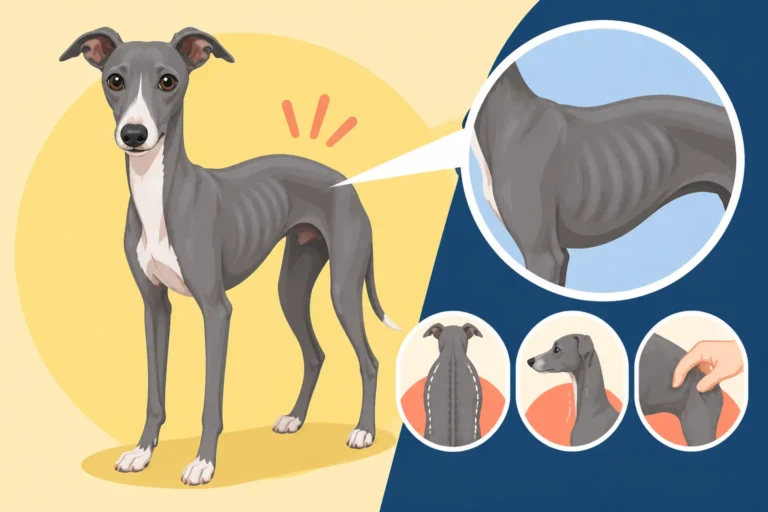
Beyond the bones, their skin is incredibly thin and fragile, often referred to as "tissue paper" skin. While less common from a slip on hardwood alone, any sudden, uncontrolled movement that leads to them scraping against furniture, doorframes, or even another dog can result in a nasty tear or deep abrasion. These aren't just superficial scratches; their skin can literally split open, requiring veterinary attention. Protecting them from uncontrolled impacts is a huge part of being a responsible owner.
Furthermore, the fear of slipping can profoundly impact an Italian Greyhound's confidence and willingness to move freely in their own home. You might notice them walking gingerly, "creeping" along hardwood sections, or even refusing to cross certain areas, preferring to wait to be carried. This isn't just behavioral; it's a genuine learned response to discomfort and potential pain. They learn very quickly that fast movements on slick surfaces can be dangerous, and this anxiety can restrict their natural play and exercise.
The Traction Challenge: Tiny Paws on Slick Surfaces
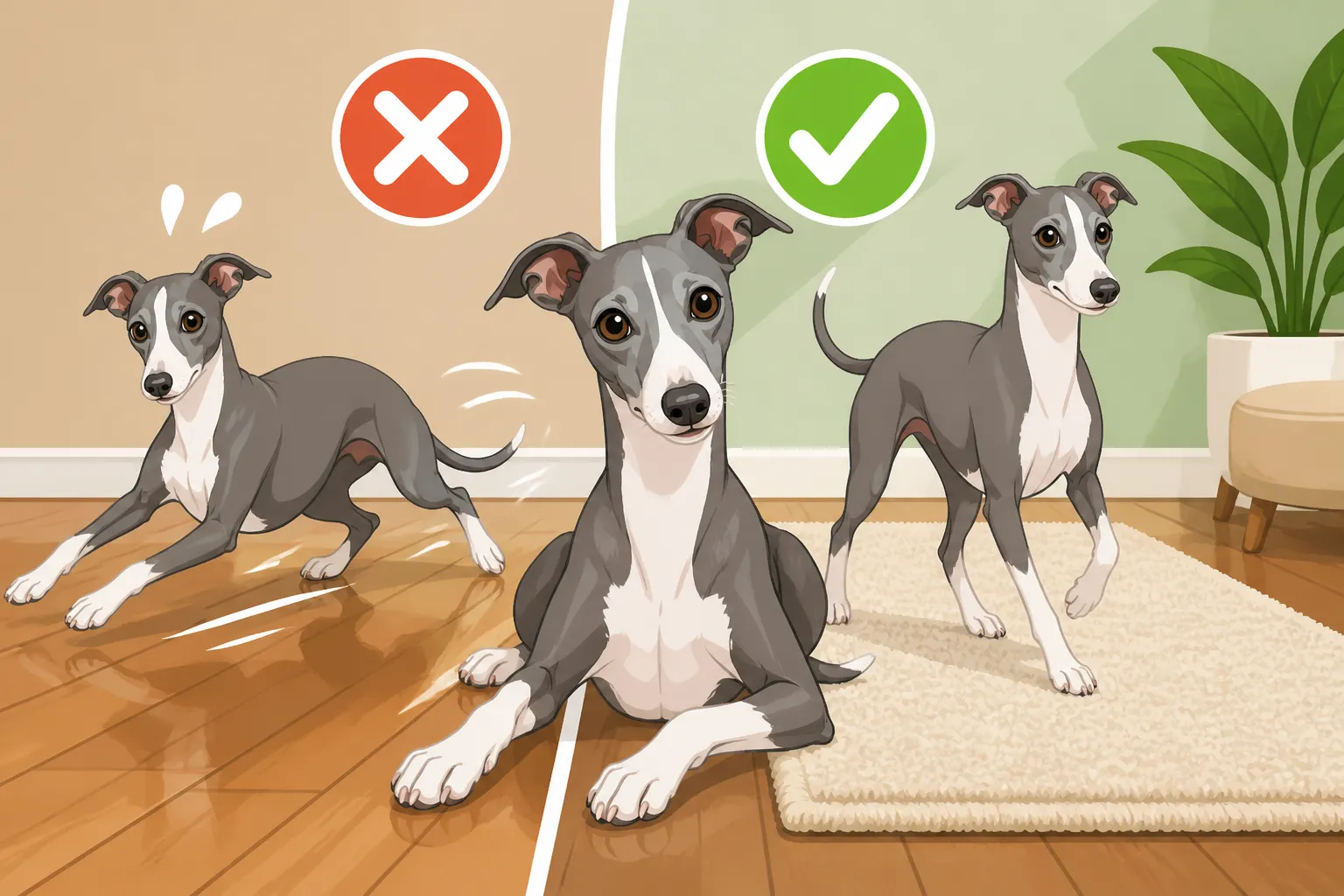
Italian Greyhounds, like other sighthounds, have paws designed for speed and minimal ground contact, not for gripping slick indoor surfaces. Their pads are relatively small and firm, lacking the coarse, rough texture that provides grip for many other breeds. When they try to accelerate, stop, or turn on a smooth floor, those tiny pads simply can't find enough purchase, leading to their legs splaying out in an instant. This is particularly noticeable during those legendary "zoomies" when they dart across a room at top speed, only to skid uncontrollably into a wall or piece of furniture. It's an alarming sight, and one that every Italian Greyhound owner desperately tries to prevent.
Their lack of natural body weight to press their pads down for friction further exacerbates the problem. Unlike heavier, stockier breeds that might have more 'traction' by sheer force, Iggies are feather-light, barely making an imprint. This means every movement, especially at speed, is a delicate balance. Even just standing up from a nap can be a challenge on a slick floor, as their hind legs might slide out from under them as they try to push off. Understanding Why an Italian Greyhound Slips on Hardwood really highlights the mechanical challenge their bodies face in our modern homes.
This isn't just about preventing catastrophic breaks; it's about their everyday comfort and mobility. A dog that is constantly slipping, even if not seriously injuring themselves, is experiencing low-level stress and discomfort. They might avoid certain rooms, or change their gait to be more tentative, which isn't ideal for their long-term joint health or their overall happiness.
Long-Term Impact: Joint Stress and Calluses
While a broken leg is the most immediate and frightening risk, the constant struggle with hardwood floors also contributes to chronic issues over an Italian Greyhound's lifespan. The repetitive micro-trauma from slips and slides, even minor ones, puts undue stress on their delicate joints. Imagine your own knees and hips being constantly jolted or twisted – over years, this can contribute to early onset arthritis or exacerbate existing joint issues. While Iggies aren't typically prone to hip dysplasia like some larger breeds, constant instability on floors can still lead to wear and tear.
Another common problem Italian Greyhounds face when regularly lounging on hard surfaces are pressure sores or calluses. Because they have so little body fat and thin skin, their bony prominences – elbows, hocks, and hips – press directly against hard floors. Over time, this pressure can lead to thickened, callused, and sometimes even cracked skin in these areas. While not life-threatening, these can be uncomfortable, unsightly, and occasionally become infected if not properly cared for. Where an Italian Greyhound Gets Pressure Sores often include their elbows, and this is directly related to hard resting surfaces.
Preventing these long-term issues is just as important as avoiding acute injuries. By creating a softer, more stable environment, you're not just safeguarding against immediate danger; you're investing in your Italian Greyhound's comfort and joint health throughout their entire life. It means they can maintain a more natural gait, enjoy their playful antics without fear, and rest comfortably without developing painful pressure points.
Rolling Out the Welcome Mat: How Rugs Transform Your Home into an Iggy Oasis
The solution to hardwood havoc is often simpler than you might think: rugs, rugs, and more rugs! Strategically placed carpets and runners can dramatically improve your Italian Greyhound's quality of life and reduce your daily anxiety about their safety. It’s about creating an environment where they can be themselves without constant fear of injury.
The Immediate Benefits: Traction, Cushioning, and Confidence
The most obvious and immediate benefit of rugs is the traction they provide. Suddenly, those slippery expanses become navigable pathways. Your Italian Greyhound's paws can grip the pile, allowing them to accelerate, turn, and stop without sliding. This freedom of movement is transformative. You'll likely notice an instant change in their behavior; a previously hesitant dog might start trotting or even doing playful bursts of speed across the carpeted areas. It's a joy to see them move with confidence, truly owning their space.
Beyond traction, rugs offer crucial cushioning. If a tumble does happen, landing on a soft rug is infinitely better than impacting hard wood. This added padding can absorb some of the shock, potentially preventing or lessening the severity of an injury. It also provides a much more comfortable surface for them to lie down and rest, reducing the risk of those aforementioned pressure sores. Providing soft, supportive surfaces like Why an Italian Greyhound Needs Orthopedic Foam extends beyond just their beds to the very floors they walk and lie on daily.
Perhaps most importantly, rugs boost an Italian Greyhound's confidence. When they know they can move freely and safely, their anxiety diminishes. They'll be more inclined to join you in different rooms, engage in play, and simply relax without the underlying stress of navigating a hazardous environment. This psychological benefit is invaluable, contributing to a happier, more well-adjusted dog who feels secure in their home.
Choosing the Right Rug: Material, Thickness, and Backing
Not all rugs are created equal when it comes to Italian Greyhound safety. The ideal rug offers good traction and stability without becoming a tripping hazard itself.
- Material and Pile: Look for rugs with a slightly textured pile, like a low-pile cut loop or even a flat-weave rug. High-pile shag rugs might offer cushioning, but their long fibers can sometimes trap tiny paws or make it difficult for an Iggy to get proper footing, like trying to walk through deep sand. Loop piles are generally good, but ensure the loops aren't so big they could snag a nail. Synthetics like nylon or polypropylene are often durable and easy to clean, which is a big plus for pet owners.
- Thickness and Cushioning: A little cushioning is good, but you don't need excessively thick rugs everywhere. A rug with a decent pile, combined with a good rug pad, provides ample shock absorption.
- Non-Slip Backing is Non-Negotiable: This is absolutely critical. A rug that slides around on the hardwood is just as dangerous, if not more so, than no rug at all. Many rugs come with a non-slip rubber backing, but for rugs that don't, you must purchase a separate rug pad. These pads are usually made of rubber or felted materials and adhere to the floor, preventing the rug from shifting. You can find excellent options for rug pads on sites like Chewy or Amazon, often specifically marketed as non-slip or designed for pet households. Don't skimp on this; it's the foundation of rug safety.
When considering a rug, also think about its washability. Accidents happen, especially with Italian Greyhounds, who can sometimes be notoriously difficult to housetrain. Being able to throw a smaller runner or area rug into the washing machine or easily spot clean it can save you a lot of headache in the long run.
Strategic Placement: Where Rugs Make the Biggest Difference
You don't necessarily need to carpet your entire home. The key is strategic placement to create safe pathways and zones.
- High-Traffic Routes: Place runners or area rugs along the most common paths your Italian Greyhound takes. This includes hallways, routes from one room to another, and the areas between their favorite napping spots and the door. These "traction highways" allow them to navigate the house confidently.
- Play Zones: Identify areas where your Iggy loves to play or gets their zoomies. A large area rug in the living room or a dedicated play space can make a huge difference in preventing slips during energetic bursts. Observe where they naturally like to run and install a rug there.
- Furniture Landing Pads: Italian Greyhounds love to be on furniture, and often, despite our best efforts, they'll jump down. Place rugs directly in front of sofas, chairs, and beds to provide a soft landing spot. This can mitigate the impact if they do decide to take a leap, which can be one of The Jump Off the Sofa That Breaks an Italian Greyhound's Leg.
- Stairways: If you have hardwood stairs, these are particularly hazardous. While carpeting stairs entirely is the safest option, stair runners or individual stair treads with non-slip backing can offer vital grip and prevent devastating falls. If full carpeting isn't an option, consider gating off stairs, especially for young Iggies or those prone to accidents.
- Doorways: Place smaller mats or rugs just inside doorways. This is where Iggies often get excited, darting in or out, and a slip here can be dangerous as they might hit the doorframe.
By carefully observing your Italian Greyhound's movement patterns, you can identify the critical areas that need rug intervention. It's about thinking like your dog and anticipating their needs for secure footing.
Beyond the Pile: Complementary Strategies for a Slip-Free Sanctuary
While rugs are a game-changer, a truly slip-proof home involves a multi-faceted approach. Think of it as creating a comprehensive safety net that addresses various aspects of your Italian Greyhound's interaction with their environment.
Paw Power: Keeping Those Little Feet Grippy
Rugs do most of the heavy lifting, but your Italian Greyhound's paws themselves play a significant role in traction. Maintaining healthy, well-groomed paws can provide an extra edge against slipping.
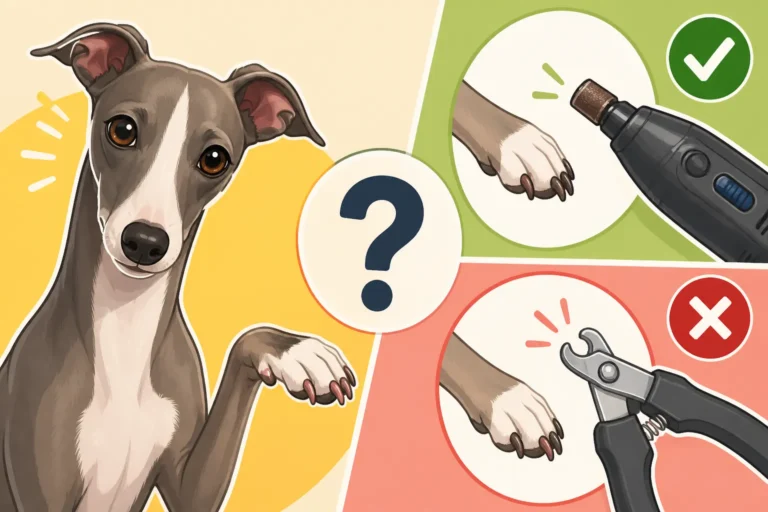
- Regular Nail Trims: Overgrown nails reduce the contact area of the paw pads with the ground, making them more prone to slipping. Keeping their nails short and tidy ensures their pads can make maximum contact, improving grip. This is a simple yet often overlooked aspect of paw care.
- Paw Pad Health: Dry, cracked paw pads can also reduce traction. Regularly applying a pet-safe paw balm or moisturizer can keep their pads supple and healthy. Brands like Chewy often carry various paw balms specifically formulated for dogs. While it might seem minor, healthy pads grip better than dry, slick ones.
- Paw Grips or Socks: For Iggies that still struggle, or for specific areas of the house not covered by rugs, paw grips or anti-slip socks can be a temporary or permanent solution. These are typically socks with rubberized treads on the bottom. Finding ones that fit the Italian Greyhound's slender legs and stay on can be a challenge, but many options exist, particularly on sites like Amazon. Some owners use liquid paw grip products that create a thin, non-slip layer on the pads, which can be reapplied as needed. These can be particularly useful for older Italian Greyhounds who might be experiencing some mobility issues.
Furniture Fortification: Safe Access to the High Life
Italian Greyhounds adore being near their people, which often means being on the sofa, chair, or bed. However, these elevated spots pose significant risks if they jump down, especially onto slick floors.
- Ramps and Steps: The single most effective way to protect your Italian Greyhound from furniture-related injuries is to provide ramps or steps. Teach them from an early age to use these rather than jumping. This is especially vital for puppies, whose bones are still developing, and older Iggies, whose joints might be more fragile. Ramps and Steps for an Italian Greyhound's Furniture are a crucial investment in preventing fractures.
- Strategic Rug Placement: Even with ramps and steps, an Iggy might occasionally decide to jump. Placing a thick, non-slip rug directly at the base of their favorite furniture provides a softer landing zone, absorbing some of the impact. This acts as a secondary safety measure, just in case.
- Training for Safe Egress: While a challenge, teaching your Italian Greyhound to wait to be lifted down, or to always use the ramp/steps, is an ongoing effort. Positive reinforcement and consistency are key. Avoid encouraging jumping games on or off furniture, especially onto hard surfaces.
Training and Supervision: The Human Element
Even with all the physical safeguards in place, human vigilance and consistent training remain paramount. We are, after all, their primary protectors.
- Managing Zoomies: Those bursts of energy, while adorable, are when Italian Greyhounds are most prone to slipping. Encourage zoomies in carpeted areas or outdoors in a secure, enclosed space. If an Iggy starts a full-speed run on a hard floor, try to gently redirect them or have them "settle" with a favorite toy in a safe area. Restricting an Italian Greyhound Under Two years old, especially during playful bursts, is often recommended until their bones are fully mature and less prone to fracture.
- Supervision in Risky Areas: Be extra vigilant in areas like kitchens, bathrooms, or entryways where floors might be particularly slick or temporarily wet. If you can't be actively supervising, consider temporarily gating off these areas, especially if your Iggy is prone to wild play.
- Positive Reinforcement: Reward calm, controlled movement on all surfaces. When your Italian Greyhound walks carefully across a patch of un-rugged floor, offer praise or a small treat. This reinforces safe habits.
The Ultimate Comfort: Supportive Beds and Cozy Nests
Finally, ensuring your Italian Greyhound has plenty of soft, supportive places to rest not only prevents calluses but also promotes overall well-being. A comfortable, warm dog is often a calmer dog, less prone to frantic, uncontrolled movements.
- Orthopedic Beds: Invest in high-quality orthopedic beds, especially for their primary sleeping and lounging spots. These beds offer superior support for their slender bodies and joints, preventing pressure points and providing maximum comfort. Which Bed Protects an Italian Greyhound's Elbows is an important consideration, as firm orthopedic foam can distribute weight better than thin, flimsy beds.
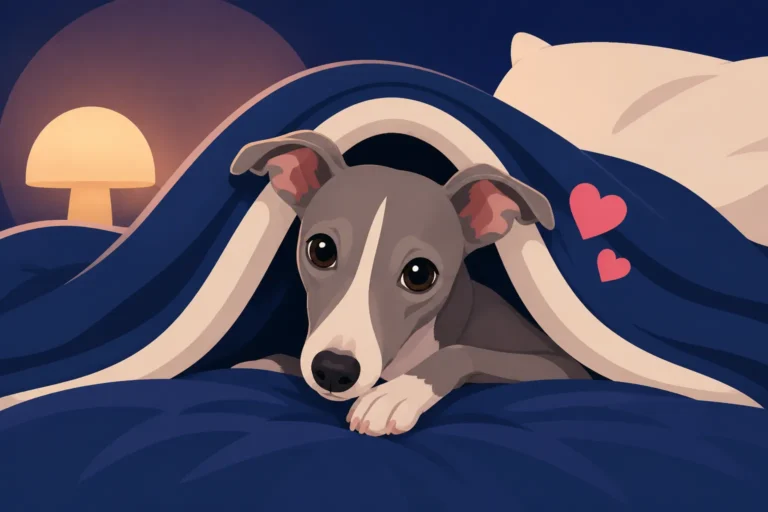
- Blankets and Snuggle Sacks: Italian Greyhounds adore burrowing. Provide them with an abundance of soft blankets, snuggle sacks, or even heated beds (ensuring they are pet-safe and properly supervised) throughout the house. These not only keep them warm but also provide a soft, inviting place to curl up, reducing the temptation to lie on cold, hard floors. Why an Old Italian Greyhound Feels the Cold More means these comforting additions become even more critical as they age.
- Warmth and Security: A secure, warm environment helps an Italian Greyhound feel safe and relaxed. When they are cold or anxious, they might shiver or move more frantically, increasing the risk of slips. Ensuring they have cozy spots everywhere, complete with blankets and perhaps even a warm sweater indoors if your home is chilly, contributes to their overall stability and comfort.
By combining the power of strategic rug placement with diligent paw care, safe furniture access, mindful training, and an abundance of comfy resting spots, you can transform your home into an Italian Greyhound paradise. It's an investment in their safety, health, and happiness for years to come.
Choosing Your Iggy-Friendly Flooring Solutions
Here’s a quick overview of different flooring modifications and their benefits for your Italian Greyhound.
| Solution Type | Description | Key Benefits for Italian Greyhounds | Best For |
|---|---|---|---|
| Area Rugs | Larger rugs covering significant floor space. | Max traction, cushioning, defining play zones, large resting areas. | Living rooms, bedrooms, open-plan spaces. |
| Runners | Long, narrow rugs. | Creating safe pathways, connecting rooms, protecting hallways. | Hallways, corridors, between furniture groupings. |
| Stair Runners/Treads | Rugs specifically designed for stairs or individual non-slip coverings. | Preventing falls on stairs, critical safety improvement. | Hardwood staircases. |
| Non-Slip Rug Pads | Undersheets placed beneath rugs. | Prevents rug shifting and bunching, adds cushioning. | Essential for any rug on hardwood; buy from Chewy or Amazon. |
| Paw Grips/Socks | Specialized socks with rubberized treads or liquid paw applications. | Temporary traction boost, for specific problem areas, older dogs. | Kitchens, bathrooms, or uncarpeted areas where rugs aren't feasible. |
| Ramps/Steps | Gradual slopes or tiered steps for furniture access. | Prevents jumping injuries from sofas/beds, protects joints. | Next to sofas, beds, or any elevated resting spot. |
| Orthopedic Beds | Beds with dense, supportive foam. | Protects bony prominences, supports joints, encourages rest off hard floors. | Primary sleeping areas, favorite lounging spots. |
Disclaimer
This article is for general informational purposes only and does not constitute professional advice. Laws, prices and regulations vary by location and change over time. Consult a qualified professional for guidance on your specific situation.