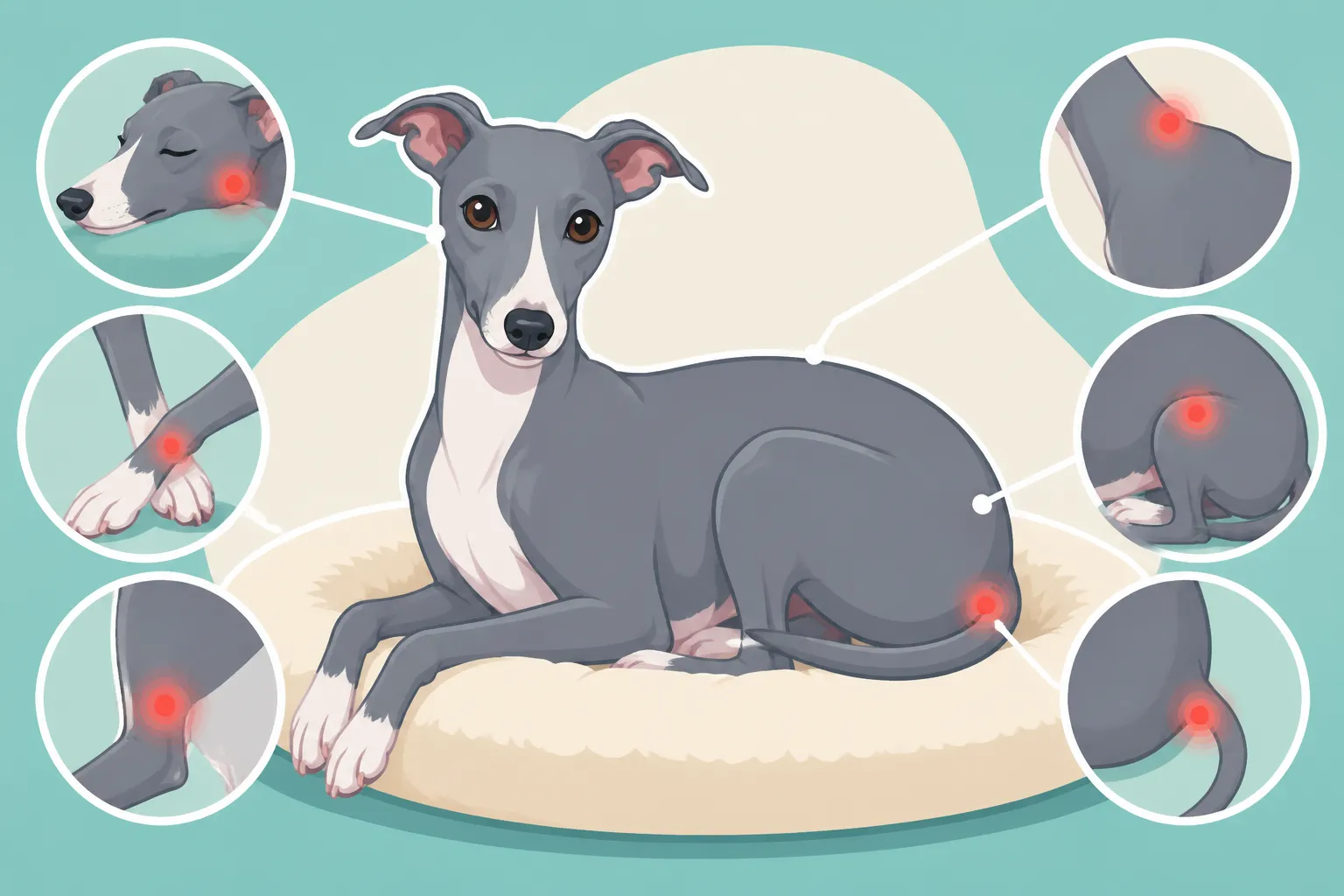
Where an Italian Greyhound Gets Pressure Sores
It's heartbreaking to see your beloved Italian Greyhound develop a raw spot or callus, especially when you know just how delicate their skin and bones can be. These elegant, slender dogs are prone to a specific type of skin issue: pressure sores. This guide will delve deep into understanding why Italian Greyhounds are so susceptible, where these painful sores typically appear, how to spot them early, and most importantly, how to prevent and manage them effectively to keep your little companion comfortable and healthy.
Understanding Your Italian Greyhound's Delicate Anatomy
Italian Greyhounds are truly unique in their physical makeup, and what makes them so beautiful and athletic also makes them vulnerable to certain conditions. Their distinct build means that areas of their body that might be well-padded in other breeds are much more exposed, creating a perfect storm for pressure sore development. It's not just about their thin skin; it's a combination of factors that owners need to be acutely aware of.
Why Their Skin and Bones Are Different
When you pet an Italian Greyhound, you can immediately feel how fine and taut their skin is. It's incredibly delicate, almost like tissue paper, and it stretches directly over their lean muscle and prominent bone structure. Unlike many breeds that have a layer of subcutaneous fat or a thick, dense coat to provide cushioning and protection, Iggies have very little of either. This means there's less of a buffer between their skin and any hard surface they might lie on, or even the friction from bedding that isn't quite right.
This isn't a flaw in the breed; it's simply how they are built, a legacy of their sighthound heritage where speed and agility are paramount, not insulation or robust padding. Why an Italian Greyhound Carries Almost No Body Fat is a crucial aspect of their physiology, contributing to their slender appearance and their tendency to feel the cold, but also directly impacts their susceptibility to skin integrity issues like pressure sores. Their skin, while beautiful, doesn't offer much in the way of shock absorption or protection from constant rubbing or pressure, making it prone to irritation and injury.
The Minimal Cushioning Effect
Imagine a plush sofa versus a wooden bench. Most dogs are like the plush sofa, with natural cushioning to protect their joints and skin. Your Italian Greyhound, however, is more like that wooden bench – beautiful and streamlined, but without much built-in comfort. Their lack of substantial muscle mass and body fat means that their prominent bony points are often the first to make contact with any surface they lie or sit on. These points bear the brunt of their body weight, leading to sustained pressure on the skin and underlying tissues.
Over time, this constant pressure restricts blood flow to the area, causing the cells to die and the skin to break down. Even something as seemingly benign as a regularly used dog bed that has lost its loft can contribute to this issue, as the dog's weight presses through to the hard floor beneath. This minimal cushioning effect is why Italian Greyhounds are often observed seeking out soft blankets or burrowing deep into beds; it's an instinctive attempt to protect themselves from discomfort and potential injury.
Common Pressure Point Hotspots for Italian Greyhounds
Knowing where to look is half the battle when it comes to preventing and identifying pressure sores on your Italian Greyhound. These aren't random occurrences; they typically manifest in very specific areas where bones are close to the surface and bear the most weight when your IG rests. Paying close attention to these common hotspots can help you catch issues before they escalate.
Elbows and Hocks: The Grounding Points
The elbows and hocks (which are essentially the ankles of their hind legs) are perhaps the most common sites for pressure sores on an Italian Greyhound. Think about how your dog lies down: when they flop onto their side, their elbows often hit the ground first. When they lie with their legs tucked, their hocks are often resting against a surface. These areas are bony protrusions, with minimal muscle or fat to cushion them.
Over time, repeated pressure on hard surfaces like hardwood floors, tile, or even thin carpet can lead to the skin becoming dry, thickened, and eventually callused. These calluses are the body's attempt to protect the area, but if the pressure continues and intensifies, the skin can crack, break open, and become infected. Why an Italian Greyhound Gets Calluses on Its Elbows explains this phenomenon in more detail. It's a classic case of form meeting function, where their graceful, fine-boned structure unfortunately creates vulnerable spots when they're simply trying to relax.
Hips and Shoulders: Hidden Risks
While not as immediately obvious as the elbows, the points of the hips and shoulders are also significant risk areas, especially for Iggies who favor sleeping in certain positions. When an Italian Greyhound lies flat on its side, the prominent hip bone (the greater trochanter) and the shoulder blade (scapula) can be pressed against the ground. These areas might seem less exposed than the elbows, but they can still develop problems, particularly in older or less mobile dogs who spend more time in one position.
Imagine your Italian Greyhound sprawling out on a firm bed or even a mat; the weight distribution can put direct pressure on these areas. It might not lead to a visible callus as quickly as on the elbows, but chronic pressure here can still impede circulation and lead to tissue damage. It's especially important to consider these spots if your IG has any underlying joint issues, as they might shift their weight to accommodate discomfort, inadvertently creating new pressure points.
Sternum and Spine: Laying Down Concerns
The sternum, or breastbone, runs along the chest, and the delicate spine along the back. For Italian Greyhounds, these areas are very close to the surface, again with minimal padding. When an IG lies on its chest, particularly in a 'sphinx' position or stretched out on its belly, the sternum can become a primary pressure point. Similarly, if they sleep curled up or on their back, parts of their spine, particularly the prominent vertebrae, can be exposed to pressure.
This is where the quality of their bedding becomes paramount. A dog that burrows into blankets or soft cushions naturally alleviates pressure on these areas. However, if they're on a firm dog bed or, worse, a bare floor, the continuous pressure on the sternum can lead to skin thinning and redness. For the spine, while less common for severe sores, constant pressure can contribute to overall discomfort, especially in older Iggies. Ensuring full body support, not just joint support, is crucial for these slender dogs.
Recognizing the Signs of Pressure Sores
Catching pressure sores early is absolutely vital for your Italian Greyhound. The sooner you identify a problem, the easier it is to treat and prevent it from worsening. Because Iggies have such fine skin, what might seem like a minor irritation can quickly escalate into something much more serious if left unchecked. Regular, gentle examination of your dog's common pressure points should become a part of your routine.
Early Indicators: Redness and Hair Loss
The very first signs of a developing pressure sore are often subtle. You might notice a patch of skin that appears redder than usual, especially after your Italian Greyhound has been lying down for a while. This redness is a clear indicator of inflammation and restricted blood flow. It might feel warmer to the touch than the surrounding skin. Sometimes, the skin in the affected area might also start to look a bit dry or flaky.
Another tell-tale sign is localized hair loss. As the skin becomes irritated and the hair follicles are damaged by constant pressure, the fine, silky fur of your IG may start to thin or disappear entirely in that specific spot. This hair loss creates a bald patch, often on an elbow or a hock, making the underlying irritated skin even more visible. Don't dismiss these early signs as just "old dog calluses" or minor abrasions. These are warning signals that your IG needs better cushioning and pressure relief.
Advanced Stages: Open Sores and Infection
If early signs are missed or ignored, a pressure sore can progress to much more concerning stages. The skin, weakened by prolonged pressure and lack of blood flow, can eventually break down completely, leading to an open wound. This might start as a small crack or blister, but it can quickly develop into a painful ulcer or an open sore. These open sores are incredibly vulnerable to infection from bacteria on the skin or in the environment.
An infected pressure sore will often be more swollen, emit a foul odor, and may have pus or discharge. Your Italian Greyhound might show signs of pain, such as limping, reluctance to lie on that side, or even fever. At this point, veterinary intervention is absolutely necessary. An advanced pressure sore is not just uncomfortable; it can be deeply painful, difficult to heal, and can lead to more widespread health issues if the infection spreads. This is why vigilance and proactive prevention are so critical for this delicate breed.
Preventing Pressure Sores: Proactive Strategies
Prevention truly is the best medicine when it comes to pressure sores in Italian Greyhounds. Given their unique anatomy, it's not a matter of "if" but "when" they might develop these issues if proper care isn't taken. Implementing a few thoughtful strategies can make a world of difference in keeping your IG's skin healthy and their joints protected. It's about creating an environment that supports their delicate structure, from where they rest to how they move.
The Importance of Proper Bedding
This is arguably the most crucial aspect of pressure sore prevention for an Italian Greyhound. Their beds aren't just for comfort; they're a vital piece of their health infrastructure. You need to provide orthopedic, supportive bedding that distributes their weight evenly and prevents their bony prominences from pressing against a hard surface. Look for beds made with high-quality memory foam or dense, supportive polyfill that won't flatten out quickly. Brands found on Chewy or Amazon often offer a wide selection of orthopedic dog beds designed for various sizes and needs.
A good rule of thumb is to check the bed's support by pressing your hand down on it; if you can easily feel the floor through the bedding, it's not supportive enough for your IG. Consider layering thinner, softer blankets on top of an orthopedic bed for added cushioning and burrowing comfort. The Bedding a Thin Skinned Italian Greyhound Actually Needs is a comprehensive guide to choosing the right options. Remember, even soft blankets on their own aren't enough if the underlying surface is hard. They need genuine, resilient padding that maintains its loft and support.
Regular Movement and Position Changes
While quality bedding is paramount, even the best bed can't entirely negate the need for movement. Encouraging your Italian Greyhound to change positions regularly helps to relieve sustained pressure on any one area. This is particularly important for older Iggies, or those with mobility issues, who might spend more time in a single spot. Gently encouraging them to get up, stretch, or shift their sleeping position throughout the day can be beneficial.
This isn't about being disruptive, but rather about mindful interaction. If you notice your IG has been lying in the same spot for a long stretch, a gentle call to come for a cuddle, a potty break, or a quick treat can prompt them to move. For Iggies who are crate trained, ensure their crate has exceptionally soft and thick bedding to prevent sores during prolonged rest periods. For very elderly or convalescing dogs, manual repositioning might even be necessary, just as it is for humans.
Maintaining a Healthy Weight
Keeping your Italian Greyhound at a healthy, lean weight is crucial for their overall health, and it also plays a significant role in preventing pressure sores. An underweight Italian Greyhound has even less natural padding than usual, making their bony areas even more vulnerable. Conversely, an overweight IG, while seemingly having more "padding," often has issues with mobility and may struggle to shift positions, leading to prolonged pressure on certain spots. Signs an Italian Greyhound Is Underweight and Signs an Italian Greyhound Is Overweight can help you assess your dog's condition.
Your vet can help you determine the ideal weight range for your individual dog. Feeding a high-quality, balanced diet, like options available from brands such as Ollie, can help maintain muscle mass without adding unnecessary fat. Regular, appropriate exercise also helps keep their muscles strong and their weight in check. A healthy weight ensures that any natural padding they do have is optimally distributed and that their mobility remains unhindered, allowing them to shift and adjust their bodies as needed to relieve pressure.
Here's a quick overview of pressure point prevention strategies:
| Pressure Point Location | Why It's Vulnerable | Prevention Strategy | Essential Bedding Characteristics |
|---|---|---|---|
| Elbows & Hocks | Bony protrusions, bear weight when lying. | Orthopedic bedding, soft top layers, encourage movement. | High-density foam, memory foam, thick, doesn't flatten. |
| Hips & Shoulders | Prominent when lying on side. | Full-body support, regular position changes, soft surfaces. | Even weight distribution, conforming material. |
| Sternum & Spine | Close to surface when lying on chest/back. | Deep, soft bedding that allows burrowing, avoid hard floors. | Plush, deep fill, snuggle sacks, heated beds. |
| General | Thin skin, minimal fat/muscle. | All of the above, plus healthy weight and skin care. | Consistent support, washable, durable. |
Treating and Managing Existing Pressure Sores
Even with the best preventative measures, sometimes a pressure sore can develop. When it does, prompt and appropriate action is key. You never want to ignore an open sore on an Italian Greyhound, as their delicate skin and minimal body fat mean infections can set in quickly and become serious. Managing an existing sore requires a combination of professional veterinary care and diligent home treatment.
Veterinary Consultation and Care
The moment you notice an open wound, significant redness, swelling, or any signs of pain or infection around a pressure point, it's time to call your veterinarian. Do not attempt to self-diagnose or treat an advanced pressure sore with home remedies alone. Your vet will assess the severity of the sore, check for infection, and prescribe the appropriate course of treatment. This might include:
- Antibiotics: If an infection is present, oral or topical antibiotics will be necessary to clear it up.
- Wound Cleaning: Professional cleaning of the wound to remove debris and dead tissue is crucial.
- Topical Treatments: Specific creams or oint may be prescribed to promote healing and keep the wound moist.
- Bandaging: The vet may apply a special bandage to protect the wound, absorb exudate, and create an optimal healing environment. Changing these bandages correctly and regularly is critical.
Your vet might also want to do bloodwork to check for underlying health issues or perform a culture of the wound to identify the specific bacteria causing infection. Don't be shy about asking questions and ensuring you understand all aspects of the treatment plan. It's a team effort between you and your vet to get your IG back to health.
Home Care and Wound Management
Once you have a vet's diagnosis and treatment plan, a lot of the ongoing care will fall to you at home. This is where your commitment to diligent wound management truly makes a difference. You'll likely need to clean the wound, apply prescribed medications, and change bandages as instructed. Always wash your hands thoroughly before and after handling the wound to prevent further contamination.
Keeping the area clean and dry, while also allowing the wound to heal in a moist environment (if that's what your vet advises for the specific dressing type), is a delicate balance. Follow your vet's instructions precisely. Ensure your Italian Greyhound cannot lick or chew at the wound or bandages; a soft Elizabethan collar (E-collar) or recovery suit may be necessary. You can find these items on Chewy or Amazon if your vet doesn't supply one. Above all, continue to provide impeccable pressure relief through appropriate bedding and ensure your dog is not lying on the injured area. Consistency in care is vital for proper healing.
Long-Term Prevention After Healing
Even after a pressure sore has completely healed, the work isn't over. The area where the sore occurred will always be a vulnerable spot, and without continued vigilance, recurrence is highly likely. The skin may remain thinner, or the area may have developed a more fibrous callus, which can still be prone to cracking. Therefore, long-term prevention is about maintaining all the proactive strategies you put in place to prevent the initial sore.
This means continually providing superior orthopedic bedding, ensuring your IG has plenty of opportunities to move and change positions, and regularly checking all their pressure points during grooming or cuddle time. Consider using protective elbow sleeves or hock wraps, often available from pet supply retailers, if a particular area remains highly susceptible, especially during periods of increased activity or if your dog prefers certain lying positions. This ongoing commitment ensures that your Italian Greyhound can live a comfortable life, free from the pain and complications of recurrent pressure sores. What Changes in an Old Italian Greyhound's Care often includes intensified focus on these preventative measures.
Ongoing Care to Protect Delicate Skin
Protecting your Italian Greyhound's delicate skin goes beyond just preventing pressure sores. Their fine, thin skin is susceptible to other issues, and a holistic approach to their care is essential. By understanding their unique needs, you can provide an environment and routine that supports their overall dermal health, minimizing the chances of any skin-related woes.
Hydration and Nutrition for Skin Health
Just like humans, a dog's skin health is often a reflection of their internal well-being. Ensuring your Italian Greyhound is well-hydrated is fundamental. Always have fresh water readily available, and consider adding a small amount of low-sodium broth to their water bowl if they're not big drinkers. Proper hydration helps keep their skin supple and resilient, making it less prone to dryness and cracking.
Nutrition also plays a critical role. A high-quality diet rich in essential fatty acids, such as Omega-3 and Omega-6, can significantly contribute to skin and coat health. Look for dog foods that list sources of these fatty acids, like fish oil or flaxseed. Some owners also choose to supplement their IG's diet with a small amount of fish oil, but always discuss this with your vet first to ensure appropriate dosage. A balanced diet not only helps maintain a healthy weight but also nourishes their skin from the inside out, making it stronger and more resistant to external pressures.
Environmental Considerations and Comfort
Creating a comfortable and safe environment for your Italian Greyhound is crucial. This means more than just a good bed. Consider their living space as a whole. Do they have access to soft surfaces throughout the house? Rugs and mats on hard floors can provide cushioning and prevent slipping, which can indirectly reduce trauma to joints and skin. Orthopedic foam (Why an Italian Greyhound Needs Orthopedic Foam) and whether to let them sleep on a hard floor (Whether an Italian Greyhound Should Sleep on a Hard Floor) are important considerations.
Temperature is another factor; while not directly causing pressure sores, extreme cold or dryness can make their skin more brittle and prone to cracking. Keeping your home at a comfortable temperature for your IG and perhaps using a humidifier in very dry climates can help. Regular washing of their bedding, as explored in How Often an Italian Greyhound's Bedding Should Be Washed, ensures a clean, allergen-free sleeping surface, which further supports skin health. Small, seemingly minor adjustments can cumulatively create a significantly more skin-friendly environment for your delicate companion.
Regular Skin Checks and Grooming
Even though Italian Greyhounds are low-maintenance when it comes to grooming, regular, hands-on checks of their skin are paramount. Make it a habit during your daily cuddle time to gently run your hands over their entire body, paying special attention to all the bony prominences we've discussed. Feel for any changes in skin texture, warmth, or the presence of lumps, bumps, or tender spots.
During these checks, look for any signs of redness, flakiness, hair loss, or irritation. A quick, gentle inspection once a day can catch issues when they are still minor and easily treatable, long before they become serious pressure sores. This routine also strengthens your bond with your Italian Greyhound and helps you become intimately familiar with their normal skin condition, making any changes immediately noticeable. Early detection is truly your best defense against pressure sores and other skin problems in this wonderful, delicate breed.
Disclaimer
This article is for general informational purposes only and does not constitute professional advice. Laws, prices and regulations vary by location and change over time. Consult a qualified professional for guidance on your specific situation.