Why an Italian Greyhound Gets Calluses on Its Elbows
Finding a rough, thickened patch on your delicate Italian Greyhound's elbow can be a moment of genuine concern, especially when you know how sensitive and fine their skin is. It often appears out of nowhere, leaving you wondering if it's painful or a sign of something more serious. This guide will walk you through the reasons why these unsightly calluses form on an Italian Greyhound's elbows, and more importantly, how you can prevent them and care for any that have already developed.
Understanding Italian Greyhound Skin and Anatomy
Our beloved Italian Greyhounds are truly unique in their physical makeup, which unfortunately makes them more prone to certain issues that might not affect other breeds. Their sleek, refined appearance isn't just for show; it's intrinsically linked to their delicate nature, including their skin and bone structure.
The Delicate Nature of Italian Greyhound Skin
Italian Greyhounds are renowned for their incredibly fine, thin skin. Unlike many breeds with thick coats and robust dermis, an IG's skin offers less natural padding and protection. It's almost like tissue paper – beautiful, but incredibly susceptible to tears, scrapes, and yes, repetitive friction. This isn't a fault; it's simply a characteristic of the breed, a feature that contributes to their elegance but also demands extra care. You might have already experienced Cuts, Scrapes and an Italian Greyhound's Paper Thin Skin when a minor brush against something sharp leads to a surprisingly deep-looking injury. This same fragility means their skin lacks the resilience to constant pressure that a thicker-skinned dog might possess.
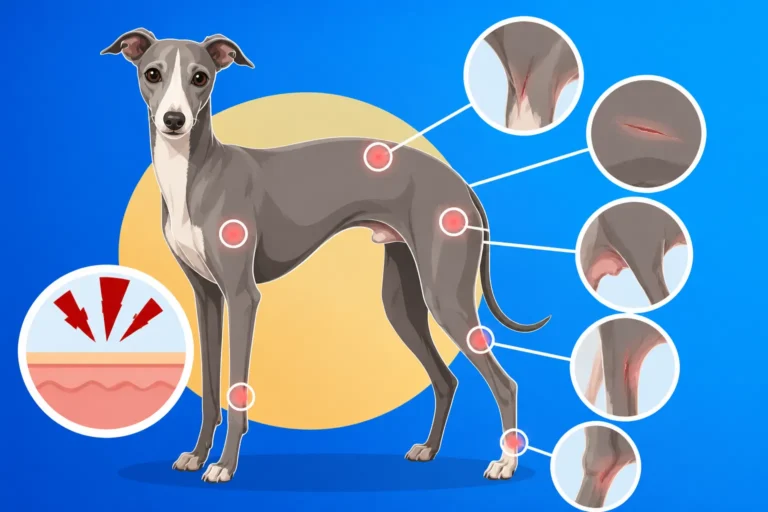
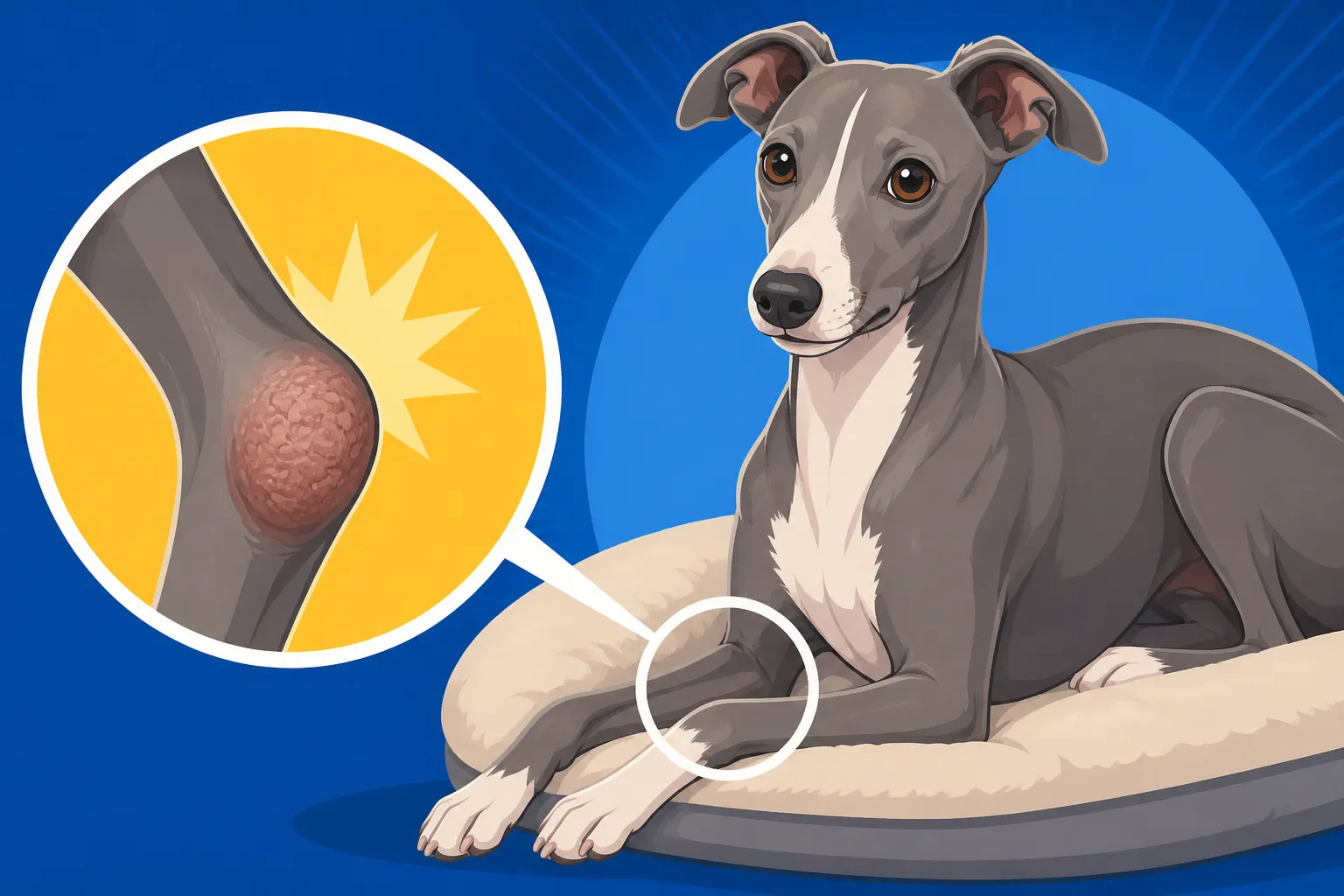
When that delicate skin is repeatedly subjected to pressure, particularly over bony prominences, it doesn't have the protective layers to prevent damage. Instead, the body tries to protect itself by building up layers of dead skin cells, leading to that tough, often darkened patch we recognize as a callus. It's a natural, albeit unwelcome, defense mechanism against repeated trauma to an area that isn't built to withstand it.
The Prominence of Their Bony Structure
One look at an Italian Greyhound and you immediately notice their elegant, almost sculpted physique. They are the epitome of sighthound grace, lean and athletic, with minimal body fat and a sleek, short coat. While this is part of their charm, it also means their bones, particularly around joints like the elbows, are very close to the surface of their skin. They famously Why an Italian Greyhound Carries Almost No Body Fat, meaning there's not much natural cushioning between their elbows and whatever surface they choose to rest on.
Imagine the pointed tip of an elbow bone pressing directly onto a hard floor. There's no thick layer of muscle, fat, or dense fur to act as a buffer. Every time your Italian Greyhound lies down, sits up, or shifts its position on a hard surface, that bony point grinds and rubs against the floor through their thin skin. This constant friction and pressure, repeated hundreds of times a day over months or years, is precisely what triggers the skin to harden and form a callus. It's a problem exacerbated by their love for comfortable, yet often unsupportive, sleeping spots.
The Root Causes of Elbow Calluses in Italian Greyhounds
Now that we understand the inherent vulnerabilities of our Italian Greyhounds, let's dive into the specific scenarios and factors that most commonly lead to the development of elbow calluses. It’s rarely one single event but rather a cumulative effect of daily habits and environmental conditions.
Hard Surfaces and Pressure Points
The number one culprit behind elbow calluses in Italian Greyhounds is undoubtedly repeated contact with hard surfaces. Think about where your IG loves to lounge. Is it on cool tile floors in the summer? The uncarpeted landing of the stairs? Perhaps even a thin rug over a concrete slab? Every time they recline, nap, or even just lean, their elbow joints bear the brunt of their body weight directly against that unforgiving surface. This isn't just about sleeping; it's about all the moments they spend resting throughout the day.
Many Italian Greyhounds, especially in warmer climates or during summer months, gravitate towards cooler, hard surfaces like kitchen tile or hardwood floors. While it offers temporary relief from heat, it’s a setup for callus development. Over time, this constant pressure and friction irritate the skin and underlying tissues, prompting the body to form a protective layer of tough, thickened skin. It's the equivalent of a human developing calluses on their hands from manual labor – the body adapting to protect itself from repeated stress.
Lack of Adequate Bedding and Cushioning
Even if your Italian Greyhound has a dog bed, it might not be providing the specific type of support needed to prevent calluses. Many standard dog beds, while seemingly soft, can compress over time, losing their loft and failing to adequately cushion pressure points like the elbows. A plush, inexpensive bed from a big box store might feel soft initially, but within a few months, it could be flattened and offering little protection against the hard floor beneath. This is where investing in Which Bed Protects an Italian Greyhound's Elbows truly pays off.
An Italian Greyhound needs bedding that offers firm, resilient support to distribute their weight evenly and lift those bony elbows off any hard surface. Memory foam or orthopedic beds are often recommended for this reason. Without this kind of cushioning, even a dog who has a bed might still be inadvertently developing calluses because their elbows are still making contact with hard surfaces through flattened padding. It’s a subtle but significant distinction that many owners overlook, thinking any bed is sufficient when in reality, quality and design matter immensely for our delicate IGs.
Age and Weight as Contributing Factors
While hard surfaces and inadequate bedding are the primary causes, other factors can exacerbate the issue or make your Italian Greyhound more susceptible. As Italian Greyhounds age, their skin can become even thinner and less elastic. They might also spend more time resting, or have reduced muscle mass, which further reduces natural padding over their joints. An older Italian Greyhound might develop calluses more quickly or severely than a younger one, even if their environment hasn't changed. Caring for an Italian Greyhound Past Eleven often involves extra vigilance for these kinds of skin issues.
Weight can also play a role, though Italian Greyhounds are generally quite lean. An Italian Greyhound who is even slightly overweight, or who has a naturally more robust bone structure, will exert more pressure on their elbows when lying down. Conversely, an Italian Greyhound who is underweight, and thus has even less natural fat padding over their joints, could also be more prone to developing calluses. Knowing What an Italian Greyhound Weighs and How to Tell If It Is Right is crucial for their overall health, including protecting their elbows. It’s about ensuring their body condition minimizes stress on all their bony prominences.
Preventing and Managing Elbow Calluses
The good news is that elbow calluses are often preventable, and even existing ones can be managed with consistent care. The key is to be proactive and create an environment that minimizes the risk factors we've discussed.
Providing Optimal Soft Bedding
This is, hands down, the most important step in preventing elbow calluses. Your Italian Greyhound needs abundant, high-quality, and strategically placed soft bedding throughout your home. Forget the idea that one bed in the living room is enough. Think of every spot your IG likes to flop down – by the window for sunbathing, near your desk, in the kitchen, and certainly their primary sleeping area – and ensure it’s cushioned. Remember, Whether an Italian Greyhound Should Sleep on a Hard Floor is a resounding no, especially if you want to avoid these issues.
Orthopedic beds are often the best choice, specifically those made with dense memory foam or a combination of support layers. These materials contour to your dog's body, distributing weight evenly and keeping those delicate elbows lifted off the hard ground. Brands available through retailers like Chewy or Amazon often carry a good selection of orthopedic pet beds, sometimes even specifically designed for sighthound body types. Don't forget about Why an Italian Greyhound Needs Blankets too! Many IGs love to burrow, and a soft blanket, while not a substitute for a supportive bed, adds an extra layer of comfort and warmth, which can encourage them to use the bed more consistently. Regularly check the condition of your dog's bedding – if it's flattening, it's time for a new one or to add extra padding.
Protecting High-Risk Areas
Beyond dedicated beds, consider the other "hot spots" where your Italian Greyhound might rest. If they love to curl up on a hard-tiled patio, consider adding an outdoor mat or a portable, cushioned pad. For areas with hardwood or laminate flooring, strategically placed throw rugs or runners can make a huge difference. Even a simple bath mat can offer a surprising amount of cushioning in a pinch for a small dog like an IG.
Think like your Italian Greyhound and anticipate their preferred resting spots. If they jump onto the sofa, but then slide off onto the floor for a nap, make sure that landing zone is padded. Ramps and Steps for an Italian Greyhound's Furniture can not only prevent leg injuries but also reduce the impact on their elbows when moving on and off elevated surfaces. The goal is to minimize direct contact between their bony elbows and any unyielding surface, whenever and wherever they choose to relax. This comprehensive approach is far more effective than just having a single bed in one room.
Addressing Existing Calluses with Care
If your Italian Greyhound already has calluses, don't despair! While they may never completely disappear, you can certainly soften them, prevent them from worsening, and keep them from cracking or becoming infected. The first step is to implement all the preventive measures discussed above, ensuring no further irritation.
For existing calluses, you can apply pet-safe moisturizing balms or specialized callus creams, often found on Chewy or Amazon. Look for products designed to soften and heal dry, thickened skin. Ingredients like shea butter, coconut oil, or specific veterinary formulations can be very effective. Apply these regularly, gently massaging them into the callus. If the callus is particularly dry, flaky, or showing any signs of redness, swelling, or cracking, it’s crucial to consult your veterinarian. These signs could indicate an infection or an advanced stage where more intensive treatment, possibly including antibiotics or anti-inflammatory medication, might be needed. Never try to pick at or forcefully remove a callus, as this can cause pain and severe infection in your Italian Greyhound's delicate skin.
| Callus Prevention Strategy | Description | Key Benefits | Considerations |
|---|---|---|---|
| Orthopedic Beds | Beds with memory foam or dense, supportive layers. | Even weight distribution, lifts elbows, reduces pressure. | Can be an investment, require regular checking for flattening. |
| Strategic Rug Placement | Placing rugs or mats on hard floors in common resting areas. | Provides immediate cushioning on frequently used surfaces. | Requires identifying all preferred resting spots, may need frequent cleaning. |
| Moisturizing Balms | Applying pet-safe balms to existing calluses. | Softens skin, prevents cracking, aids healing. | Needs consistent application, veterinary consultation for signs of infection. |
| Weight Management | Ensuring your IG maintains a healthy, lean weight. | Reduces overall pressure on joints and bony prominences. | Requires careful diet and exercise, regular vet check-ups. |
| Environmental Awareness | Identifying and softening all hard surfaces your IG contacts. | Comprehensive protection, addresses all potential friction points. | Requires ongoing vigilance and adaptation as your dog's habits change. |
Disclaimer
This article is for general informational purposes only and does not constitute professional advice. Laws, prices and regulations vary by location and change over time. Consult a qualified professional for guidance on your specific situation.