Where an Italian Greyhound’s Skin Tears Most
One of the most heart-wrenching realities of sharing your life with an Italian Greyhound is their incredibly delicate skin. It's not just a myth; these sweet, fragile creatures can suffer significant skin tears from what seem like the most innocent bumps and scrapes. This guide will walk you through the most common areas where these unfortunate injuries occur and, crucially, how you can do your best to prevent them and care for your beloved companion.
The Unique Fragility of Italian Greyhound Skin
It feels like you're constantly on high alert, doesn't it? Every little tumble or rough-and-tumble moment with another dog sends a jolt of anxiety through you because you know just how easily an Italian Greyhound's skin can give way. This isn't an exaggeration; their skin is genuinely different from many other breeds, and understanding why is the first step in protecting them.
Why Their Skin Is So Thin and Susceptible
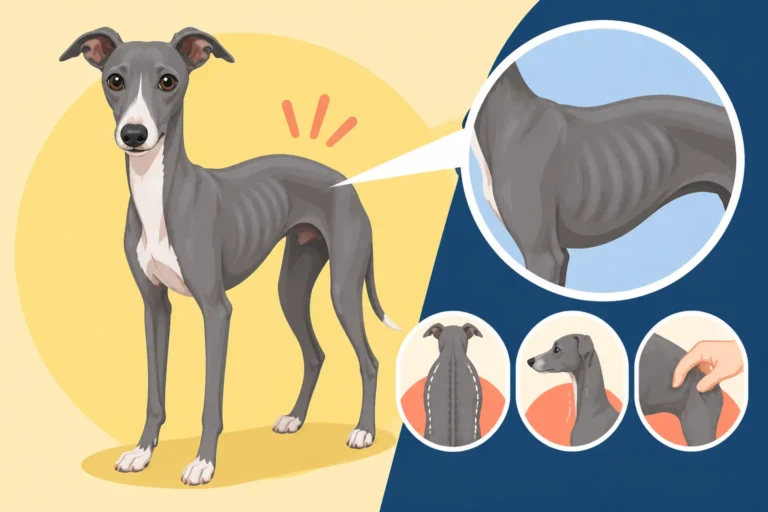
Italian Greyhounds are built for speed and elegance, not for rough-and-tumble durability. Their minimal body fat, fine, short coat, and delicate skeletal structure mean there's very little padding or protection between the outside world and their internal tissues. Their skin is, quite literally, paper-thin in many areas. It lacks the thick dermal layers and robust collagen that might shield a more heavily coated or muscled breed. This genetic predisposition means what might be a minor bruise on a Golden Retriever could be a gaping tear on an Italian Greyhound.
It's a constant source of worry for us IG owners. You want your dog to live a full, happy life, to run and play, but every joyous burst of energy comes with the underlying fear of an accident. You feel like you're walking on eggshells, scrutinizing every piece of furniture, every doorway, every playmate. This isn't overprotective paranoia; it's a realistic understanding of the breed's physical vulnerability. The frustration comes from knowing that sometimes, despite your best efforts, accidents still happen because their skin simply isn't designed to withstand much impact.
Common Scenarios Leading to Skin Tears
It's rarely a dramatic, high-impact incident that causes these tears. More often, it's the mundane, everyday occurrences that catch us off guard. Picture your Italian Greyhound doing zoomies in the living room and catching their flank on the sharp corner of a coffee table. Or perhaps they misjudge a jump off the sofa and scrape their leg on the way down. Even a playful nip from another Italian Greyhound during a game can break the skin where a larger, tougher dog might not even feel it.
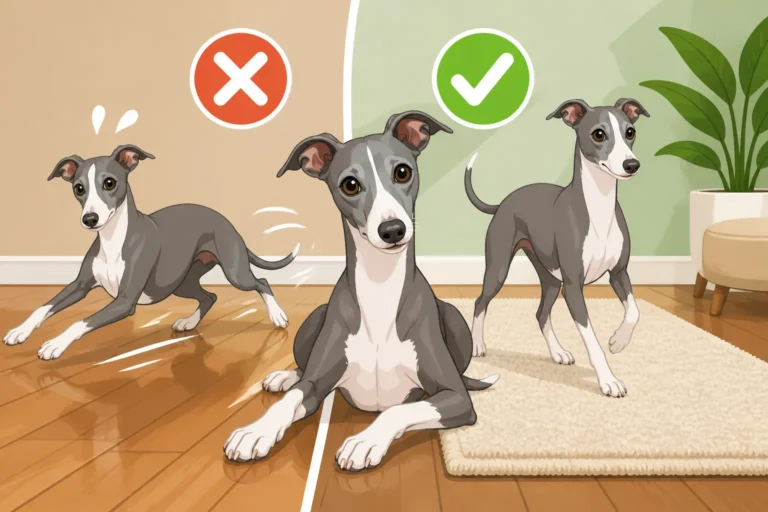
Sometimes, the culprit isn't even a foreign object but friction. A quick stop against a carpet, a slide on hardwood, or even repetitive rubbing against an exposed bed frame can be enough. Imagine your sweet IG wiggling their way into a tight spot between furniture or under a chair; a slight snag or rub can be enough to cause a tear. It's often not "rough play" in the aggressive sense, but simply the joyful, energetic expression of a normal dog living its life. The challenge is anticipating these seemingly harmless moments and trying to mitigate the risks without stifling their natural instincts. It’s a delicate balance, and one that requires constant vigilance and proactive measures.
The Most Vulnerable Areas for Skin Tears
When you look at an Italian Greyhound, their lean, elegant build immediately suggests fragility, and their skin is no exception. While a tear can theoretically happen anywhere, there are certain spots that, due to their anatomy and typical activities, are far more prone to injury. Knowing these hotspots can help you focus your prevention efforts.
Legs and Joints: The Front Lines of Injury
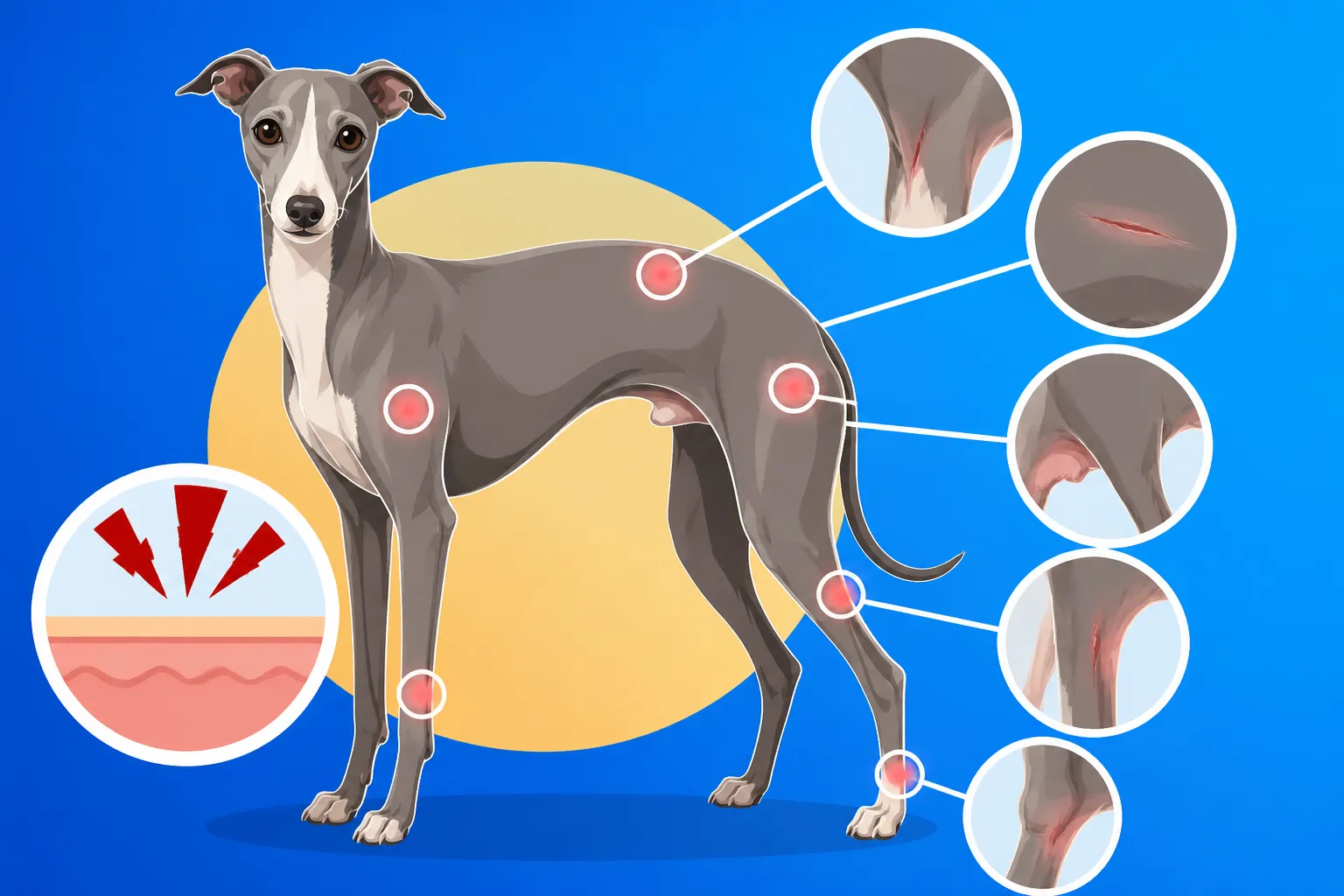
The legs are arguably the most frequent site for skin tears, particularly around the hocks (ankles), elbows, and the lower parts of both front and hind legs. Think about how active Iggies are: they sprint, they jump, they weave through furniture. Every movement brings their thinly-covered limbs into potential contact with objects.
The elbows, for example, are common points of impact. When an Italian Greyhound lies down, their elbows are often exposed, and if they're on a hard surface or slide a bit too enthusiastically, that delicate skin can scrape against the floor, a step, or even a doorframe. Similarly, the hocks, with their prominent bones, are like magnets for bumps. A misstep, a quick turn, or a bump into a chair leg can easily shear the skin. The lower legs, especially the front radius and ulna, are also highly susceptible. These long, slender bones are barely padded with muscle, making the skin here incredibly taut and vulnerable to tearing from impact. It's the same fragility that makes Why an Italian Greyhound's Radius Is the Bone That Breaks such a concern, but even without a bone fracture, a skin tear is a very real possibility. Unlike other dogs who might just get a bruise, an Italian Greyhound's skin often just gives way. This is because Why an Italian Greyhound's Skin Splits Instead of Bruising is a common characteristic, leaving an open wound rather than just a superficial mark.
Chest and Flanks: Running and Rubbing Risks
The chest and flanks are another area where tears can occur, often from friction or direct impact. Imagine your Italian Greyhound taking off at full speed and brushing too closely against a wall, a table leg, or even the sharp edge of a kitchen counter if they're trying to "counter surf" (which, let's be honest, they will try!). The skin on their sides is relatively taut and lacks significant fat or muscle cushioning, making it vulnerable.
Sometimes, tears in this area aren't from impact but from rubbing. An ill-fitting harness, if it's too loose and slides around, or too tight and chafes, can create a sore spot that eventually tears the skin. Even repetitive rubbing against bedding that isn't soft enough, or against the sides of a crate, can cause an issue. We want our Iggies to be comfortable and safe, and ensuring any clothing or gear fits perfectly is crucial. This is a common concern among owners who quickly realize that off-the-rack clothing simply doesn't fit their unique build.
Ears and Face: Surprisingly Common Occurrences
While perhaps less common than limb injuries, tears around the ears and face can be surprisingly frequent and quite alarming. An Italian Greyhound's ear leather is incredibly thin and delicate. During rough play with another dog, even a gentle nip that might barely register on a sturdier breed can easily tear an ear. I've seen situations where an excited Italian Greyhound, shaking their head, accidentally catches an ear on a buckle or a loose piece of their own collar.
The corners of the mouth can also be vulnerable, especially if they chew on something too hard or get into a playful tussle with another dog. Their long, slender muzzles mean the skin here is quite exposed. A simple scratch from a sharp claw (either their own or a playmate's) can also lead to a tear on the face. These facial injuries, though often small, bleed profusely and can look much worse than they are, causing immediate panic for any loving owner. It's a reminder that even the softest, most loving interaction can sometimes lead to an accidental injury with such a delicate breed.
Prevention Strategies for Delicate Skin
Preventing skin tears in Italian Greyhounds is truly a proactive, ongoing effort. It's not about wrapping them in cotton wool, but about making their environment safer and choosing their accessories wisely. It’s about minimizing risks without stifling their joy and natural exuberance.
Environmental Modifications and Safety Measures
One of the most impactful things you can do is "Ig-proof" your home. This means taking a good, hard look at potential hazards. Sharp corners on coffee tables, side tables, or even furniture legs are prime culprits. You can find child-proof corner protectors at most big box stores or online, which are invaluable for softening these edges. Similarly, consider the height of your furniture. Italian Greyhounds love to jump up and down, but those leaps can put immense strain on their delicate bones and also lead to scrapes if they misjudge a landing. Providing ramps and steps for an Italian Greyhound's furniture can dramatically reduce these risks, not only for skin tears but for more serious leg fractures too.
Supervision, especially during play with other dogs, is absolutely critical. While Iggies usually play well with their own kind, and even gentle giants, rough play can lead to nips and scratches that quickly become tears. Knowing when to intervene and redirect play can save a trip to the vet. Ensure their bedding is soft and free of snags or sharp edges. An Italian Greyhound needs truly plush and supportive bedding to prevent pressure sores and provide a safe, cozy spot. For more comprehensive safety, consider Setting Up a House an Italian Greyhound Cannot Break a Leg In, which also covers many skin tear risks. The right bed, specifically, can make a huge difference, and understanding Which Bed Protects an Italian Greyhound's Elbows can guide your choices on major retailers like Amazon.
Appropriate Clothing and Gear
This might sound like an indulgence, but for an Italian Greyhound, clothing is often a necessity, not just a fashion statement. Well-fitting sweaters, t-shirts, or even light jackets can provide an invaluable layer of protection against minor bumps and scrapes. During cooler weather, they also help keep your Ig warm, reducing shivering that can make them more prone to clumsy movements. However, the key here is "well-fitting." Loose clothing can snag, and tight clothing can chafe, both leading to potential skin issues.
You'll quickly learn that finding clothing that genuinely fits an Italian Greyhound's unique physique – deep chest, narrow waist, long legs – can be a challenge. Generic dog clothes often don't cut it. Many Ig owners find themselves looking to specialized brands or even making their own. The right fit ensures comfort and maximum protection. If you're wondering about the financial commitment, Clothing an Italian Greyhound Is a Real Budget Line, but it's an investment in their safety. To ensure the clothing actually protects, rather than harms, understanding Where Italian Greyhound Clothing Actually Fits is essential for preventing rubbing and chafing.
Routine Skin Care and Health
While prevention is key, maintaining overall skin health can also play a role in its resilience. Regularly trimming your Italian Greyhound's nails is crucial. Long, sharp nails can easily inflict accidental scratches, either on themselves during an itch or on a playmate, which can quickly turn into a tear on thin skin. A dremel tool is often preferred over clippers for Iggies, as it allows for smoother, shorter nails without the risk of cutting the quick. Understanding Nails, Ears and Feet on an Italian Greyhound is a good starting point for this essential routine.
A high-quality diet, rich in essential fatty acids (like Omega-3s and 6s), can contribute to healthier, more supple skin. Brands like Ollie often focus on fresh, nutritious ingredients that support overall health, including skin and coat condition, though always consult your vet about the best diet for your individual dog. Regularly checking their skin during grooming sessions can also help you spot any minor abrasions, dry patches, or sensitive areas before they escalate into full-blown tears. Early detection allows for prompt treatment and prevents further irritation.
What to Do When a Skin Tear Occurs
Despite all your best efforts and preventative measures, the unfortunate reality is that a skin tear is a likely occurrence in the lifetime of an Italian Greyhound. When it happens, it can be a terrifying moment, but knowing how to react calmly and effectively can make a significant difference in the outcome.
Immediate First Aid at Home
The first thing you need to do is stay calm. Your Italian Greyhound will pick up on your anxiety, and that will only make them more stressed. Gently but firmly secure your dog, perhaps by having a helper hold them or wrapping them in a towel if they're particularly agitated.
Next, you need to assess the wound. Is it bleeding profusely? Most Ig skin tears bleed quite a bit due to the thinness of the skin and underlying capillaries, so don't let the amount of blood immediately send you into a panic. Apply gentle but firm pressure with a clean cloth or gauze for several minutes to help control the bleeding. Once the bleeding is somewhat under control, you need to clean the wound. Use a mild antiseptic solution, like diluted povidone-iodine or chlorhexidine, or simply warm water and a tiny bit of plain soap. Gently blot, rather than scrub, around the wound to remove any dirt or debris. Avoid harsh chemicals like hydrogen peroxide or alcohol, as these can damage delicate tissue and impede healing. For further guidance on what you should have on hand, refer to What to Keep in a First Aid Kit for an Italian Greyhound.
When to Seek Veterinary Care
After performing initial first aid, you need to make a judgment call on whether a vet visit is necessary. In most cases of skin tears on an Italian Greyhound, the answer is yes. Their skin is so thin that even seemingly small tears can be deeper than they appear and may require medical attention to heal properly and prevent infection.
You should definitely seek veterinary care if:
- The tear is deep or wide: If you can see underlying tissue (fat, muscle) or if the edges of the skin are gaping, stitches or surgical glue will likely be needed to close the wound.
- The bleeding doesn't stop: If, after 10-15 minutes of continuous pressure, the bleeding is still significant, it indicates a deeper injury or a larger vessel involved.
- The tear is in a problematic location: Tears over joints (like elbows or hocks) or in areas of high movement can be difficult to heal at home because the skin is constantly being pulled. Tears on the face or near the eyes also warrant immediate professional attention.
- Signs of infection: If the wound appears red, swollen, warm to the touch, has a foul odor, or is discharging pus, it's already infected and needs veterinary treatment, likely including antibiotics.
- You're simply unsure: When in doubt, it's always better to err on the side of caution and consult your vet. They can properly clean the wound, assess its depth, and determine the best course of action. Sometimes, even small, clean tears benefit greatly from medical-grade skin glue or a few well-placed stitches, and understanding When an Italian Greyhound's Cut Can Be Glued is a crucial part of informed decision-making.
Here’s a quick overview of common tear locations and typical causes:
| Location | Common Causes | Prevention Strategies |
|---|---|---|
| Elbows/Hocks | Scrapes on hard surfaces, bumping furniture, falls | Soft, padded bedding (e.g., memory foam from Chewy), ramps |
| Lower Legs | Impact with furniture, falls, rough play, sharp objects | Furniture corner protectors, supervised play, ramps |
| Chest/Flanks | Friction against surfaces, tight spaces, ill-fitting harnesses | Well-fitting clothing/harnesses, clear pathways, soft bedding |
| Ears/Face | Rough play (nips), accidental scratches, catching on objects | Supervised play, short nails, check collars for snags |
| Tail | Wagging against hard surfaces, getting caught in doors | Awareness of tail space, padded crate/bedding |
Owning an Italian Greyhound is an incredible joy, filled with laughter, cuddles, and their unique, charming personalities. But it also comes with the responsibility of understanding and mitigating their inherent vulnerabilities. Their delicate skin is a testament to their refined structure, and while it poses challenges, proactive care and a swift, calm response to injuries ensure they can still live a long, happy, and relatively healthy life by your side. With a little vigilance and preparation, you can keep those precious Iggies safe and sound.
Disclaimer
This article is for general informational purposes only and does not constitute professional advice. Laws, prices and regulations vary by location and change over time. Consult a qualified professional for guidance on your specific situation.