When an Italian Greyhound’s Cut Can Be Glued
If you’re an Italian Greyhound owner, the sight of a cut on your beloved little companion can send a wave of panic through you. Their incredibly delicate, paper-thin skin means even a minor bump can result in a surprising tear, and figuring out the best course of action – especially whether a tiny wound might just be "glued" shut – is a common worry. This guide will walk you through understanding your Iggy's unique skin, the precise situations where veterinary tissue adhesive (skin glue) can be a suitable solution, and when more robust intervention, like stitches, is absolutely necessary to ensure proper healing and prevent complications.
The Delicate Nature of Italian Greyhound Skin and Why Cuts Happen
Italian Greyhounds are renowned for their sleek, elegant lines and incredibly fine bone structure, but this elegance comes with a practical challenge: their skin is notoriously delicate. It often feels like tissue paper, leading to frequent worry among owners whenever a new scrape or cut appears. Understanding why their skin is so fragile is the first step in knowing how to care for it when injuries inevitably occur.
"Tissue Paper" Skin: Why Iggies Are So Prone to Tears
Unlike many other dog breeds with thicker hides and a good layer of subcutaneous fat, Italian Greyhounds possess minimal cushioning beneath their skin. Their skin is taut, fine, and has less elasticity. This means that instead of bruising or stretching, their skin is more inclined to simply tear open when subjected to even a minor impact or snag. It's an unfortunate truth that many Iggy owners have experienced the frustration of a seemingly innocuous event – a brush against a sharp furniture corner, a playful nip from another dog, or a simple misstep – resulting in a surprising, gapping cut. It truly feels like they get Cuts, Scrapes and an Italian Greyhound's Paper Thin Skin from just living their normal, energetic lives. We often joke that you can look at them wrong, and they'll get a scrape! This lack of protective fat (Why an Italian Greyhound Carries Almost No Body Fat) also makes their skin even more susceptible to direct trauma. The way their skin reacts to injury is also distinctive; often, rather than just a red mark, the skin will actually split, which can be alarming to witness.
How to Quickly Assess a Skin Injury
When you first discover a cut on your Italian Greyhound, it's natural to feel a surge of alarm. The key is to try and remain calm, and quickly assess the situation. Is it just a surface scratch that barely breaks the skin, or is it a deeper, more open wound? Gently part the fur (if any) around the area to get a clear view. Look at the edges of the wound: are they clean and close together, or are they jagged and pulled apart? Is there any dirt or debris embedded in the wound? How much is it bleeding?
A superficial scrape might appear red and raw but won't typically gape open. A true skin tear, however, might reveal underlying tissue, and the edges could be visibly separated. This initial assessment is crucial for determining the immediate next steps, but always remember that a veterinarian's professional eye is irreplaceable. Many owners find that How an Italian Greyhound's Skin Tears is something they learn through unfortunate experience, but being prepared to assess it calmly can make a big difference in seeking prompt, appropriate care.
Identifying When Veterinary Tissue Adhesive (Skin Glue) is an Option
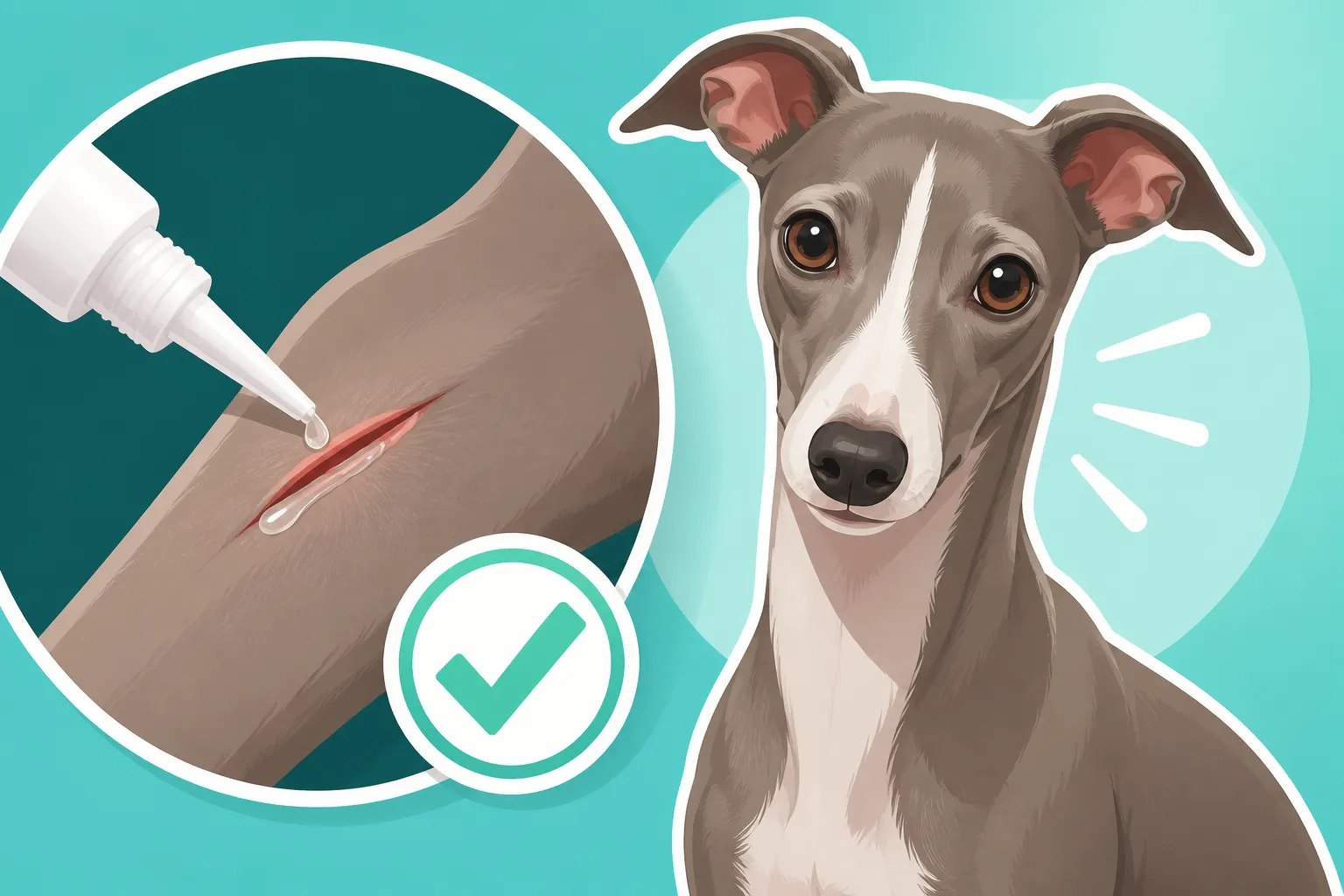
When it comes to fixing those frustrating skin tears, surgical tissue adhesive, often just called "skin glue," can sometimes be a fantastic solution. However, it's not a magical fix-all, and its suitability depends entirely on the characteristics of the specific wound.
The Specific Criteria for a Glued Wound
Not all cuts are candidates for glue, and attempting to use it on the wrong type of wound can lead to complications. For a veterinarian to consider using tissue adhesive on your Italian Greyhound's cut, the wound generally needs to meet several key criteria:
- Small Size: We're talking minor nicks or superficial scrapes, typically no longer than an inch or so. Anything larger usually requires more robust closure.
- Shallow Depth: This is critical. Skin glue is designed to hold together the very top layers of skin. If the cut goes deeper into the subcutaneous fat or muscle, glue simply won't provide adequate structural support. You shouldn't be seeing anything but surface skin layers if glue is to be considered.
- Clean and Fresh: The wound must be pristine, free from dirt, debris, or any signs of contamination. Glue essentially seals the wound, and if bacteria are trapped inside, it can lead to a serious infection or abscess. It also needs to be fresh, ideally within a few hours of the injury, before swelling and bacterial growth complicate matters.
- Minimal Tension: This is often a deal-breaker for Iggy skin. If the skin edges are pulled apart and require effort to bring together, glue will not hold. It works best on areas where the skin naturally relaxes and the edges can be approximated easily. Wounds over joints, for instance, are rarely suitable due to constant movement and skin tension.
If a cut on your Italian Greyhound looks more like a clean, paper-thin slice rather than a ragged tear, and it's not gaping widely, then asking your vet about skin glue might be an appropriate conversation starter. However, remember that only your veterinarian can make the final call after a thorough examination.
Pros and Cons of Using Skin Glue
When a wound meets the criteria, veterinary tissue adhesive offers some compelling advantages for both you and your Italian Greyhound, but it's important to be aware of its limitations too.
Advantages:
- Quick Application: Applying glue is generally a much faster process than suturing, meaning less time at the vet and potentially less stress for your dog.
- No Stitches to Remove: This is a huge benefit! You avoid a follow-up visit for suture removal, which can be another stressful event for some sensitive Iggies. The glue will naturally slough off as the skin heals, usually within 1 to 2 weeks.
- Less Invasive: For very small, cooperative dogs, glue can sometimes be applied without heavy sedation or even local anesthetic, depending on the wound and the dog's temperament.
- Potentially Less Scarring: Because it creates a very fine closure, some believe that skin glue can result in less noticeable scarring compared to traditional stitches, though this isn't always a guarantee and depends on the individual wound.
Limitations:
- Not for All Wounds: As discussed, deep, wide, contaminated, or high-tension wounds are simply not suitable for glue.
- Risk of Failure: If the wound isn't perfectly clean, or if your Iggy licks or picks at it excessively, the glue can break down or pull apart, leaving the wound open and potentially leading to infection.
- Doesn't Provide Strength: Glue merely holds the edges together; it doesn't provide the robust structural support that sutures offer for deeper wounds or those under strain.
- Cannot be Used Internally: Tissue adhesive is for surface skin closure only and cannot be used inside the body.
- Can Cause Irritation: Some dogs can have a mild reaction to the glue itself, causing itching or redness around the site.
Your vet will weigh these factors carefully, considering your Iggy's specific injury and personality, before recommending glue or another closure method.
When Stitches or Other Professional Interventions are Absolutely Necessary
While skin glue can be a convenient option for minor nicks, most Italian Greyhound skin tears will unfortunately require a more traditional approach: stitches. It's crucial for owners to understand when glue is definitely not the answer, as choosing the wrong method can lead to much more serious problems down the line.
Critical Scenarios Where Glue is NOT an Option
Trying to glue a wound that isn't suitable for it can have severe consequences, including infection, delayed healing, and increased pain for your dog. Here are the clear indicators that your Iggy's cut needs more than just a quick dab of adhesive:
- Deep or Wide Wounds: If you can see anything beyond the immediate surface layer of skin – such as yellowish fat, muscle tissue, or even bone – the wound is too deep for glue. Similarly, if the skin edges gape widely and don't easily come together, glue won't hold. Where an Italian Greyhound's Skin Tears Most are often areas that are difficult to glue due to movement or thinness over bony prominences.
- Contaminated Wounds: Imagine your Iggy scraped itself on asphalt or through dirt. These wounds are inherently dirty. Gluing them shut would trap bacteria inside, creating a perfect environment for a severe infection or abscess to brew beneath the surface. These wounds require thorough cleaning and sometimes even a period of open drainage before closure can be considered.
- Wounds Under Tension: Any cut over a joint (like an elbow or knee), or on an area where the skin is constantly moving or stretching, is not a good candidate for glue. The natural movement will pull the glued edges apart, preventing healing. This is particularly true for Italian Greyhounds where Why an Italian Greyhound's Skin Splits Instead of Bruising often means the skin tears in areas of movement or impact.
- Puncture Wounds: These can be deceptive. A puncture might look like a small hole on the surface, but it can be surprisingly deep, carrying bacteria and debris far into the tissue. Gluing a puncture would seal in potential infection. Punctures often require careful cleaning and sometimes even surgical exploration to ensure no foreign material is left inside.
- Actively Bleeding Wounds: While minor oozing is acceptable, if a wound is actively bleeding, glue won't adhere properly and won't stop the flow. Deeper wounds that bleed freely need direct pressure and often surgical closure to control the hemorrhage.
- Older Wounds: If a cut has been open for more than a few hours (the exact timeframe varies but is generally less than 6-8 hours), the risk of bacterial contamination significantly increases. At this point, vets often prefer to clean the wound thoroughly and may even leave it open to heal naturally (secondary intention) rather than risk sealing in infection with either glue or stitches.
If any of these conditions are present, do not hesitate; your Italian Greyhound needs to see a vet immediately for professional assessment and treatment.
Understanding the Stitching Process and What to Expect
When stitches (sutures) are the recommended course of action, it's natural to have questions and concerns, especially given how delicate Iggies are. Here's what you can generally expect:
- Cleaning and Debridement: The very first step, regardless of glue or stitches, is always thorough cleaning of the wound. The vet will likely clip the fur around the area and flush it extensively to remove any contaminants. If there's any damaged or necrotic (dead) tissue, it will be carefully removed in a process called debridement to promote healthy healing.
- Anesthesia or Sedation: For all but the most superficial and tiny cuts on exceptionally calm Iggies, sedation or local anesthesia (or both) will be necessary. This ensures your dog is comfortable, still, and pain-free during the procedure. Italian Greyhounds are sighthounds and can be sensitive to certain anesthetics, so your vet will use appropriate protocols for their breed.
- Closure: The veterinarian will carefully bring the wound edges together using sterile sutures. Depending on the depth of the wound, they might use several layers of stitches – dissolving stitches under the skin, and then non-dissolving stitches on the surface. These stitches mechanically hold the skin together, providing much stronger closure than glue, especially for deeper or higher-tension wounds.
- Post-Operative Care: This is where your job really begins. Your Iggy will likely go home with pain medication and possibly antibiotics. The most critical part of aftercare is preventing your dog from licking, chewing, or scratching at the stitches. This almost certainly means the dreaded "cone of shame" (an Elizabethan collar). You might also consider soft recovery suits, often available from retailers like Chewy or Amazon, which can be an alternative to a traditional cone for some dogs, especially Whether an Italian Greyhound Needs a Cone After Stitches. Restricted activity will be paramount; no jumping, no zoomies, and quiet leash walks only. Your vet will advise on the timeline for suture removal, typically 10-14 days later.
Stitches might seem more daunting than glue, but they are often the safest and most effective way to ensure proper healing for the majority of Italian Greyhound skin injuries.
The Crucial Vet Visit and Essential Post-Treatment Care
No matter how small a cut appears on your Italian Greyhound, a veterinary assessment is always the safest first step. Their delicate skin means that what looks minor to you could be more significant than you realize, or it could be in a location prone to complications.
The Importance of Professional Assessment
As Iggy owners, we learn to be hyper-vigilant about their fragile nature. The moment you spot a cut, your primary focus should be on getting a professional opinion. Here’s why that vet visit is non-negotiable:
- Accurate Diagnosis: You might think it's just a surface scrape, but your vet can determine the actual depth and extent of the injury. They’ll check for foreign bodies, assess for contamination, and gauge the tension on the skin. This expert evaluation is crucial for deciding whether glue, stitches, or another approach (like healing by secondary intention) is most appropriate.
- Proper Cleaning and Preparation: Even if a wound is suitable for glue, it requires meticulous cleaning with appropriate antiseptic solutions to prevent infection. This isn't something to attempt at home with household products, which can irritate or harm delicate tissue.
- Prescription Medications: Depending on the wound, your vet may prescribe antibiotics to prevent infection, or pain medication to keep your Iggy comfortable during recovery. These are vital components of successful healing.
- Avoiding Home Remedies: Please, resist the urge to use human super glue or other DIY solutions. Human glues are not sterile, can contain toxic chemicals, and are not designed for flexible animal skin. Using them can cause chemical burns, seal in bacteria, or simply fail, leading to worse problems. Your vet has access to medical-grade, safe tissue adhesives specifically formulated for veterinary use. Having What to Keep in a First Aid Kit for an Italian Greyhound is smart, but it's for initial care, not full treatment.
Managing Your Italian Greyhound's Recovery at Home
Whether your Iggy's wound was glued or stitched, the care you provide at home is just as important as the vet's treatment. Consistency and vigilance are key to preventing complications and ensuring a smooth recovery.
- Prevent Licking and Chewing: This is, without a doubt, the biggest challenge. Dogs instinctively want to lick their wounds, but this can introduce bacteria, pull stitches out, or break down glue. An Elizabethan collar (e-collar or "cone of shame") is often the most effective tool. While your Iggy might hate it, it's essential. For certain locations or very calm dogs, a soft recovery collar, inflatable donut collar, or a pet-safe recovery suit (think a full-body onesie) might work. Many owners find these options easily on Chewy or Amazon. Remember, Whether an Italian Greyhound Needs a Cone After Stitches is a question that applies to glued wounds too!
- Keep the Wound Dry and Clean: For glued wounds, moisture can dissolve the adhesive. For both glued and stitched wounds, excessive moisture can encourage bacterial growth. Avoid baths, swimming, or letting your Iggy walk through puddles or wet grass until your vet gives the all-clear. If the wound gets dirty accidentally, gently clean it as instructed by your vet.
- Restrict Activity: This is another tough one for an active Italian Greyhound. No jumping on or off furniture (consider putting Ramps and Steps for an Italian Greyhound's Furniture in place before surgery!), no rough play, no running, and leash walks only. High-impact movements can pull sutures or glued edges apart. Crate rest or keeping them in a small, safe room for a period might be necessary.
- Monitor for Complications: Keep a close eye on the wound area daily. Look for any signs of infection: increased redness, swelling, warmth to the touch, pus or discharge, or a foul odor. If the wound reopens, or if your Iggy develops a fever, loses appetite, or seems unusually lethargic, contact your vet immediately.
- Follow Medication Instructions: Administer all prescribed medications, whether antibiotics or pain relief, exactly as directed by your veterinarian. Do not stop early just because the wound looks better.
Your diligence during this recovery period is critical for your Iggy's well-being and ensures that the vet's initial treatment is successful.
Proactive Strategies to Protect Your Ig's Fragile Skin
Living with an Italian Greyhound means accepting their delicate nature, but it doesn't mean you're helpless against every bump and scrape. There are many proactive steps you can take to minimize the risk of skin injuries and keep your furry friend safe.
Environment Proofing for Delicate Iggies
Think of your home from your Italian Greyhound's perspective – specifically, at their eye level and jump height. Small changes can make a huge difference in preventing those dreaded skin tears.
- Soft Landings: Invest in soft, plush dog beds and plenty of blankets. Italian Greyhounds love to burrow and will appreciate the comfort. Also, consider placing soft rugs or mats in areas where they like to zoom or jump, especially around furniture. A snuggle sack (Whether a Snuggle Sack Suits an Italian Greyhound) isn't just for warmth; it can offer a layer of protection too.
- Guard Against Sharp Edges: Walk around your home and identify any sharp corners on furniture, low-hanging shelves, or exposed metal. Corner protectors, often used for baby-proofing, can be a lifesaver. Ensure any metal crates or playpens have smooth edges and no protruding wires.
- Clear the Clutter: Keep floors clear of small objects, toys, or anything your Iggy could snag themselves on during a sudden burst of zoomies. A clear path is a safe path.
- Protective Clothing: During colder months, or even just for an extra layer of protection during active indoor play, a well-fitting sweater or lightweight body suit can act as a buffer against minor bumps and scrapes. There are many options available specifically designed for sighthound builds on sites like Chewy or Amazon.
By making your environment as "Iggy-proof" as possible, you significantly reduce the daily risks to their fragile skin.
Safe Handling and Play
Beyond the environment, how we interact with our Italian Greyhounds and manage their play greatly impacts their safety. Their high energy and slender build necessitate careful consideration.
- Teach Safe Handling: Educate everyone in the household, especially children, on How to Pick Up an Italian Greyhound Safely. Their delicate bone structure means they should always be supported under the chest and hindquarters, never picked up by their front legs or just under their armpits. Rough handling can lead to injuries beyond just skin tears, like broken legs. Why Children Should Not Carry an Italian Greyhound is a rule in many Iggy homes for good reason.
- Supervised Play: While Iggies love to play with other dogs, careful supervision is essential. Their thin skin and fine bones make them susceptible to injury, even from well-meaning playmates. Avoid rough-and-tumble play with larger, heavier dogs, as a simple paw swipe or collision can result in a significant injury. Why an Italian Greyhound Should Not Play With Large Dogs is a message often repeated by experienced owners.
- Regular Nail Trims: Long nails can cause your Iggy to accidentally scratch themselves when itching or playing. Keep their nails trimmed short to minimize this self-inflicted risk.
- First Aid Ready: Always have a basic pet first aid kit on hand. While it's not for full treatment, it can help you clean and temporarily cover a wound before you get to the vet. Include items like saline solution, gauze, non-stick pads, and self-adhering bandages. Knowing What to Keep in a First Aid Kit for an Italian Greyhound gives you peace of mind.
By combining environmental safety with mindful handling and play, you can significantly reduce the incidence of cuts and scrapes on your beloved Italian Greyhound, allowing them to live their best, zoomie-filled life with fewer trips to the vet for wound care.
Disclaimer
This article is for general informational purposes only and does not constitute professional advice. Laws, prices and regulations vary by location and change over time. Consult a qualified professional for guidance on your specific situation.