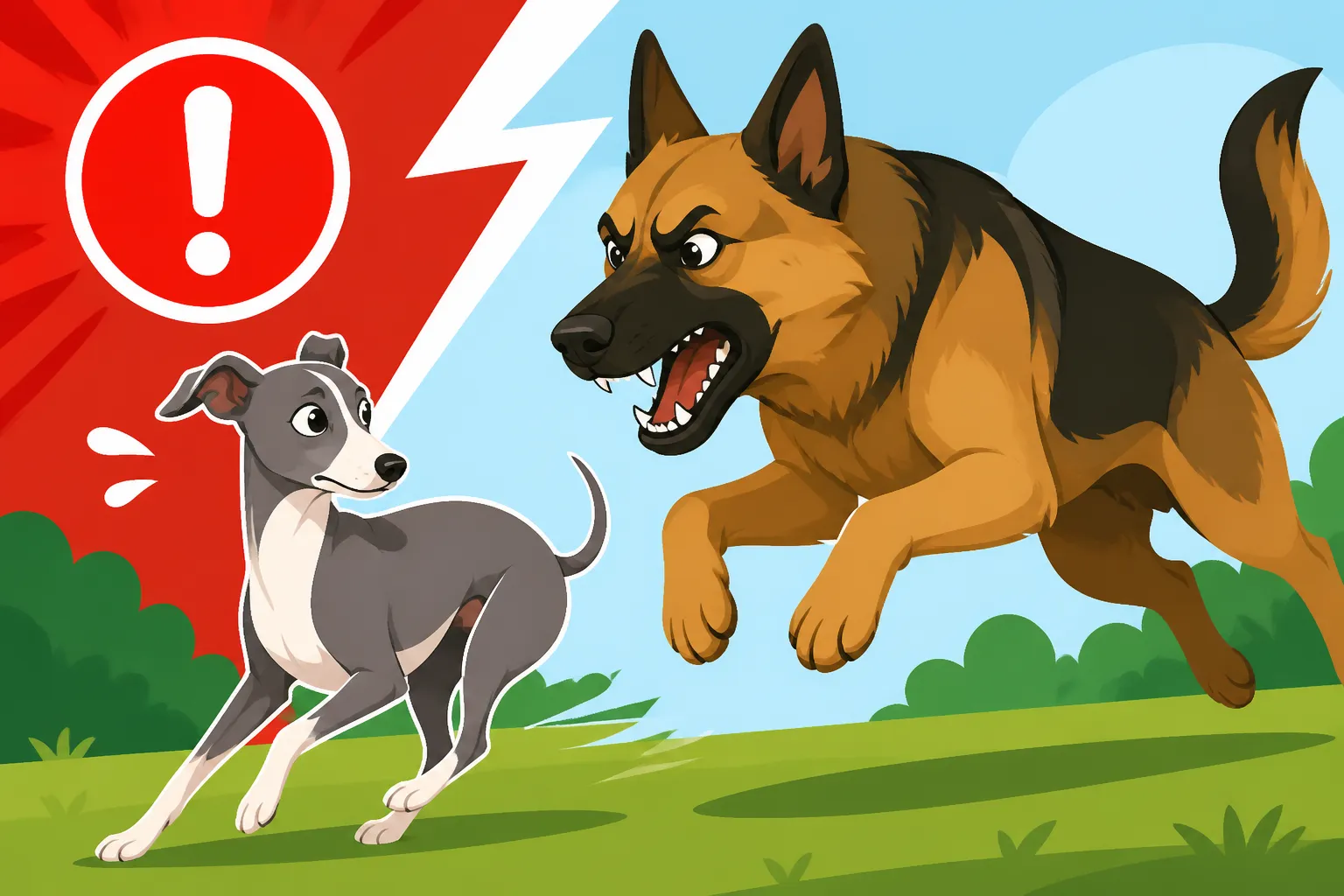
Why an Italian Greyhound Should Not Play With Large Dogs
It’s a common, utterly adorable image: two dogs, big and small, tumbling around in a joyous play session. We see it in movies, on social media, and in our own neighborhoods, and it makes our hearts swell. But for those of us who share our lives with Italian Greyhounds, that picture, when it involves a much larger dog, often fills us with a profound sense of anxiety. This guide is dedicated to exploring why allowing an Italian Greyhound to play with large dogs is a risk many owners discover the hard way, and how we can protect our delicate companions.
The Delicate Anatomy of an Italian Greyhound
Italian Greyhounds are truly unique in their physical makeup, and understanding their delicate anatomy is the first step in comprehending why interactions with larger, heavier breeds pose such a significant danger. It’s not about judging other dogs or breeds; it’s about recognizing the inherent vulnerability of our beloved Iggies.
Bones Built for Speed, Not Impact
An Italian Greyhound's bone structure is a marvel of evolutionary design, perfectly crafted for speed and agility. Their long, slender bones, particularly in their legs, are lightweight and finely tuned for rapid acceleration and graceful movement. Think of a finely tuned racing machine; every part is optimized for performance, not brute force. This means their bones, especially the radius and ulna in their front legs, are surprisingly fragile. They are designed for a specific kind of motion – running on soft ground, leaping with intention – not for absorbing the blunt impact of a playful paw or the accidental stumble of a dog many times their weight.
Imagine a sudden, unexpected bump from a boisterous Labrador. What might be a harmless nudge for another medium-sized dog could easily translate into a catastrophic fracture for an Italian Greyhound. Their bone density and slender shafts simply aren't equipped to withstand such forces. It’s a sad reality that A Broken Leg Is the Emergency Every Italian Greyhound Owner Fears, and often, these breaks happen in the blink of an eye during seemingly innocent play.
Paper-Thin Skin and Minimal Body Fat
Beyond their skeletal fragility, Italian Greyhounds possess extraordinarily thin skin and very little subcutaneous fat. They are literally built for speed, with no excess baggage. While this contributes to their elegant silhouette, it also means they have minimal padding to protect their internal organs and delicate bone structure.
A playful nip from a large dog, which might only ruffle the fur on a Golden Retriever, can easily tear an Italian Greyhound's skin or cause a deep bruise. Their skin is often described as "paper-thin," and it's not an exaggeration. Any rough play, even if not directly targeting the skin, can result in scrapes and tears from accidental contact with teeth, claws, or even just the ground during a tumble. Furthermore, their lack of body fat means they don't have that natural cushioning that other breeds do, making them more susceptible to injury from blunt force trauma. This is a breed that truly feels the cold because of this lack of insulation, highlighting just how little protective layering they have.
The Disparity in Play Styles and Potential for Injury
It's not just the size difference, though that's a huge factor. It's also about how different breeds perceive and engage in play. What one dog considers fun, another might find terrifying or, worse, physically damaging.
High-Energy, Heavy-Bodied Play vs. Agile Dainty Movements
Many larger breeds, especially those from working or sporting backgrounds, engage in play that involves a lot of body slamming, jaw sparring, and rough-and-tumble chasing. They might use their paws to "box" or their chests to "bump" other dogs. This is completely natural and healthy for them, but it's a disaster waiting to happen for an Italian Greyhound. An Iggy's play style is typically much more agile, involving quick bursts of speed, sudden changes in direction, and often a lot of "flight" rather than "fight." They might chase and be chased, but they rarely engage in heavy physical contact that involves bracing for impact.
When a large dog tries to initiate play with a full-body bump or a powerful paw swat, the Italian Greyhound, with its delicate frame and different play repertoire, simply cannot withstand it. The sheer weight and momentum of a larger dog can easily knock an Iggy off balance, leading to falls that result in fractures. We've all seen videos of large dogs running into each other like linebackers; imagine that force impacting a 10-pound Italian Greyhound. It’s truly a mismatch of physics, and the Iggy is almost always on the losing end.
Accidental Injuries from Unaware Companions
Even the gentlest giant can be an accidental danger. A large dog, unaware of the fragility of its Italian Greyhound playmate, might accidentally step on them, trip over them, or simply roll over during a moment of relaxed play. Their sheer mass, even when applied unintentionally, is enough to cause severe injury.
Consider a scenario in a dog park: a large, friendly Golden Retriever bounds over, excited to meet a new friend. It approaches with a wagging tail and perhaps a happy bark, then lowers its head to sniff. If the Iggy makes a sudden move, or if the Golden simply shifts its weight, an accidental paw placement can be devastating. How an Italian Greyhound Usually Breaks Its Leg often involves these seemingly innocuous events, like a quick twist, a misstep, or an unexpected collision. It's not malice; it's simply a profound difference in size and strength that most large dogs aren't equipped to understand or mitigate. This is why careful supervision is non-negotiable, and why, for many Italian Greyhound owners, these interactions are best avoided altogether.
Emotional Impact and Fear
Beyond the very real physical dangers, there's also the significant emotional toll that such interactions can take on an Italian Greyhound. Iggies are sensitive souls, and being repeatedly overwhelmed or frightened by larger, boisterous dogs can lead to lasting behavioral issues.
A small dog constantly feeling the need to flee or defend itself against larger playmates can develop anxiety, fear aggression, or become overly timid. This isn't just about a single bad experience; repeated exposure to overwhelming play can shape their entire perception of other dogs and the world around them. Instead of building positive social skills, they might learn to fear other dogs, leading to reactive behaviors on walks or in public spaces. We want our Iggies to be confident and happy, and exposing them to situations where they are physically vulnerable and emotionally stressed works against that goal. For some, the mere presence of a large, high-energy dog can trigger shivering and a strong desire to hide, demonstrating the deep-seated fear that can develop.
Strategies for Safe Socialization and Play
While the risks are clear, it doesn't mean your Italian Greyhound needs to live in a bubble! There are absolutely ways to ensure they get the socialization and playtime they need, without putting them in harm's way. It's all about intentionality and careful management.
Supervised Play with Appropriately Sized Dogs
The safest playmates for an Italian Greyhound are, predictably, other Italian Greyhounds, Whippets, or similar small, sighthound-type breeds. These dogs share a similar body structure and play style, making for much more harmonious and safe interactions. They understand the "rules" of delicate play and are less likely to cause accidental injury.
If you don't have access to other Iggies, look for small dog playgroups where all participants are under a certain weight limit, perhaps 15-20 pounds. This significantly reduces the risk of accidental injury. Always ensure that play is supervised, even with dogs of similar size, to step in if things get too rough or if one dog becomes overwhelmed. Consider joining breed-specific clubs or online communities where you can connect with other Italian Greyhound owners for playdates. Many local dog training facilities also offer dedicated "small dog play" hours, which can be an excellent option.
Utilizing Safe Spaces and Tools
Creating a safe environment for your Italian Greyhound is paramount. This means thinking about every space they inhabit and how to minimize risks.
- Secured Yards: An Italian Greyhound's prey drive is incredibly strong, and they can bolt in an instant. A securely fenced yard is non-negotiable. Which Fence Height Contains an Italian Greyhound is a crucial question, as they can be surprisingly agile climbers and jumpers.
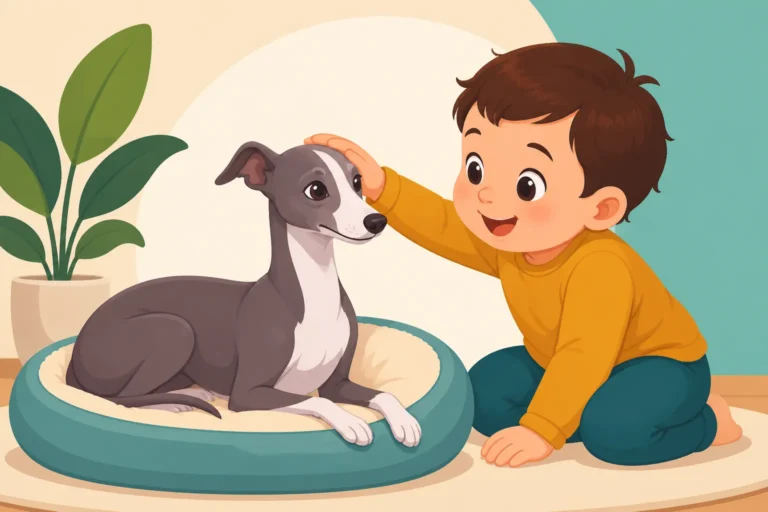
- Indoor Solutions: For indoor play, especially if you have visiting dogs (or children!), ensure there are safe zones. Baby gates can be your best friend, allowing your Iggy a calm retreat. For preventing injuries from jumping off furniture, consider investing in ramps or steps, easily found on platforms like Amazon. These small additions can make a huge difference in preventing leg breaks, which are incredibly common in the breed.
- Proper Walking Gear: Always use a well-fitting harness for walks, rather than a collar, to protect their delicate neck and throat. Italian Greyhounds can easily slip out of flat collars, and a martingale collar or a properly fitted harness is much safer. When on walks, if you see a large dog approaching, be proactive. Shorten the leash, move to the side, or even turn and walk in another direction if the other dog appears overly boisterous.
Training for Confidence and Impulse Control
While we can't completely control every interaction, we can certainly equip our Italian Greyhounds with better coping mechanisms and impulse control through positive reinforcement training.
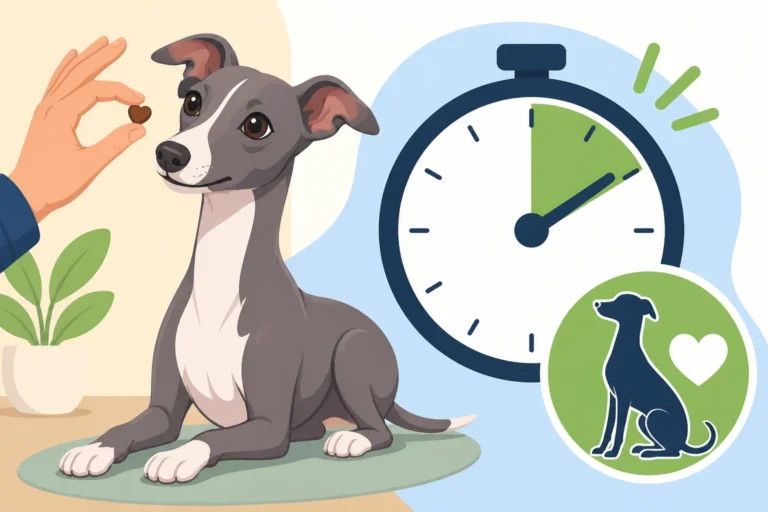
Bite-sized, fun training sessions, perhaps with a program like BAXTER & Bella, can help your Iggy learn cues like "come," "stay," or "leave it." These aren't just parlor tricks; they're vital safety commands that can prevent them from darting into a dangerous situation or help you redirect their attention if a potentially risky interaction is brewing. Teaching a solid recall, for example, is essential for off-leash areas (only if truly secure and free of large, uncontrolled dogs). Building confidence through positive training experiences can also make them less likely to react out of fear when encountering new dogs, though close management with large dogs will always remain necessary.
It’s also important to manage your own reactions. Italian Greyhounds are incredibly sensitive to our emotions. If you tense up every time a large dog approaches, your Iggy will pick up on that anxiety. Try to remain calm and confident, projecting an aura of safety, even as you take precautions.
Here's a quick overview of why size disparity matters so much for Italian Greyhounds:
| Feature/Action | Italian Greyhound Perspective | Large Dog Perspective | Risk for Italian Greyhound |
|---|---|---|---|
| Bone Structure | Delicate, slender, minimal fat padding, designed for speed. | Dense, robust, well-muscled, designed for strength/impact. | Severe fractures from minor bumps or falls. |
| Skin/Coat | Paper-thin skin, very short, fine hair. | Thicker skin, denser coat, more padding. | Lacerations, tears, bruising from accidental contact. |
| Play Style | Agile sprints, graceful leaps, chase-oriented, avoid impact. | Body slams, wrestling, pawing, mouth-sparring, rough-and-tumble. | Crushing injuries, being knocked over, falls. |
| Weight Disparity | Typically 7-14 lbs. | Can be 50-150+ lbs. (e.g., Lab, GSD, Mastiff). | Accidental crushing, being stepped on, severe blunt force trauma. |
| Reaction to Fear | Prone to freezing, panicking, or darting away. | May misunderstand fear as play invitation or become frustrated. | Exacerbated panic, getting lost, escalating a negative interaction. |
Ultimately, protecting your Italian Greyhound from playing with large dogs isn't about being overprotective; it's about being a responsible guardian who understands the unique needs and vulnerabilities of their breed. Their spirited nature deserves joyful, safe play, and sometimes that means carefully curating their social circle to ensure their longevity and well-being.
Disclaimer
This article is for general informational purposes only and does not constitute professional advice. Laws, prices and regulations vary by location and change over time. Consult a qualified professional for guidance on your specific situation.