How to Pick Up an Italian Greyhound Safely
One of the most common anxieties Italian Greyhound owners face is the ever-present fear of their delicate little dog getting hurt, especially when it comes to something as seemingly simple as picking them up. Their tiny, elegant build, while beautiful, is notoriously fragile. This guide is dedicated to easing those worries by walking you through the safest, most supportive ways to pick up your Italian Greyhound, ensuring both your peace of mind and their precious health.
Understanding the Italian Greyhound's Fragility
It’s not just a myth or an exaggeration; Italian Greyhounds are genuinely built differently than most other dog breeds. Their ethereal appearance isn't just for show; it's a testament to their sighthound heritage, bred for speed and agility, not robust impact absorption. This unique physiology means we, as their devoted caretakers, need to be extra mindful in how we interact with them.
Why Their Bones Are So Delicate
Italian Greyhounds possess a bone structure that is exceptionally fine and slender. Unlike many other small breeds, which often have stockier, denser bones, an IG's bones are more akin to a bird's in their delicate construction. They are, quite literally, built for flight, not fight or heavy impact. The long bones in their legs, particularly the radius and ulna in their forelegs, are especially vulnerable. These bones are thin and have very little surrounding muscle or fat to cushion them from a fall or an awkward landing. It's a key reason why a seemingly minor mishap can lead to a serious injury.
Imagine trying to break a thick, sturdy stick versus a thin, dry twig. The twig snaps with far less force. That's a simplified, albeit stark, way to think about the difference between an Italian Greyhound's bones and those of many other dogs. They simply don't have the robust framework to withstand much force. Their sighthound lineage emphasizes lightweight efficiency for high-speed chasing, a trait that unfortunately translates to structural vulnerability in a domestic setting. This unique skeletal architecture makes understanding Why an Italian Greyhound's Leg Bones Break So Easily paramount for any owner.
Common Scenarios Leading to Accidental Injury
It's heartbreaking to think about, but many Italian Greyhound fractures occur in seemingly benign everyday situations. Often, it's not a dramatic accident, but a small misstep that has significant consequences. One of the most common culprits is jumping from heights. That casual leap off the sofa, the bed, or even from your arms can put immense strain on their delicate front legs. Even a short distance for us can be a significant drop for a nine-pound dog, and the force of the landing concentrates on those slender bones. This is why you often hear stories of The Jump Off the Sofa That Breaks an Italian Greyhound's Leg leading to emergency vet visits.
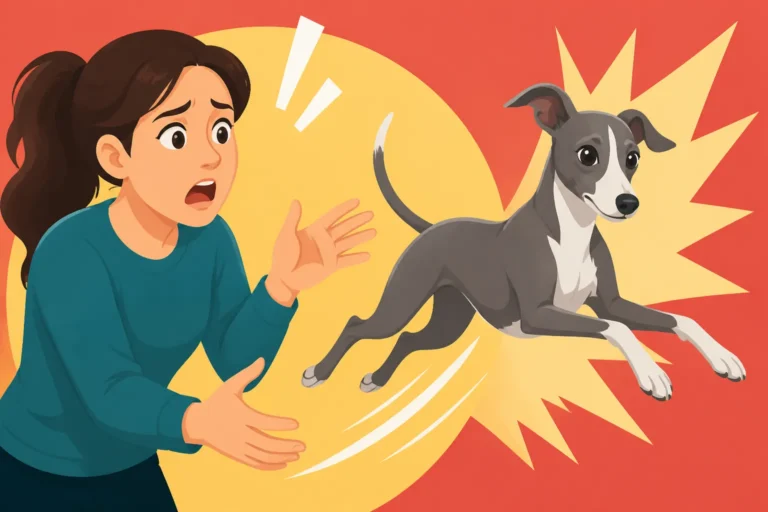
Another scenario, equally distressing, is being accidentally dropped. Perhaps your IG wiggled unexpectedly, or a momentary distraction caused a loss of grip. Even a short fall to the floor can be catastrophic, often resulting in a spiral fracture that requires extensive surgery. Why Dropping an Italian Greyhound Means Surgery highlights the severity of such incidents. Beyond accidental drops, rough handling by well-meaning but unaware individuals, including children, poses a significant risk. A child trying to pick up an IG by its front legs, or even an adult not providing adequate support, can easily cause harm. It’s crucial to establish firm rules, explaining Why Children Should Not Carry an Italian Greyhound to protect these fragile creatures from unintentional harm. Any sudden, unsupported movement while being held can twist a limb or cause an abrupt impact, making a careful, deliberate approach essential.
The Core Principles of Safe Italian Greyhound Handling
Learning the right way to pick up your Italian Greyhound is less about strength and more about technique, mindfulness, and consistency. It’s a skill that protects them and builds trust between you both. When you pick them up correctly every time, they learn to feel secure in your embrace, which in turn reduces their instinct to squirm and potentially injure themselves.
The Two-Handed, Full-Support Method
This is the golden rule for picking up an Italian Greyhound, and it’s surprisingly simple once you get the hang of it. The key is to distribute their weight evenly and support their entire body, treating them as if they are a delicate package.
- Approach Calmly: Always let your Italian Greyhound know you're about to pick them up. Speak to them softly, use their name, and offer a gentle stroke. A sudden grab can startle them and cause them to tense up or jump away.
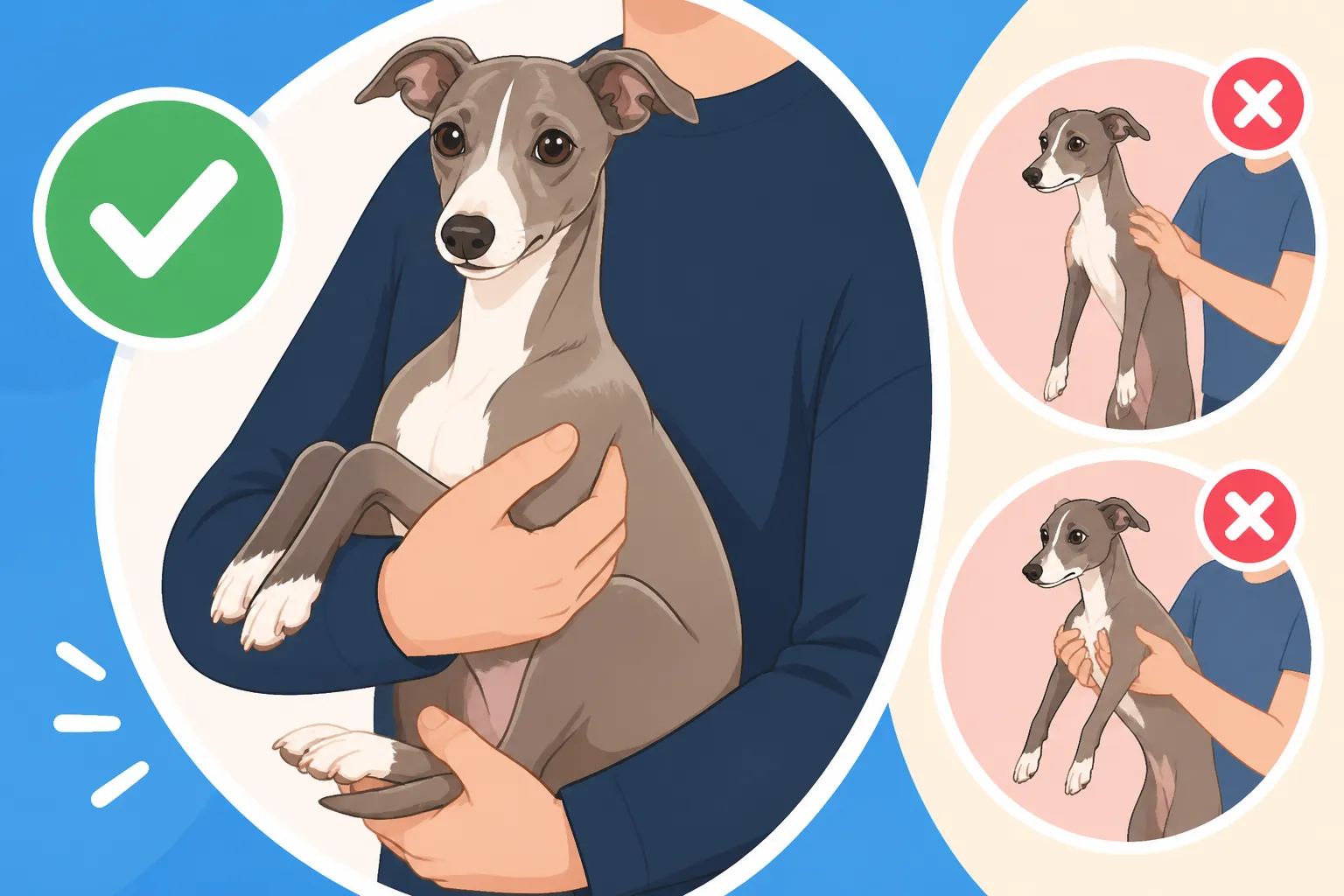
- Position Your Hands: Place one hand, palm up, firmly but gently under their chest, right behind their front legs. Your fingers should splay slightly to cradle their ribcage. This provides crucial support for their fragile front end.
- Support the Rump: Simultaneously, bring your other hand, palm up, under their hindquarters, supporting their bottom and back legs. This prevents their long spine from arching or twisting and stops their hind legs from dangling.
- Lift Straight Up: With both hands providing full and even support, lift your Italian Greyhound straight upwards, close to your body. Avoid swinging, twisting, or jerking movements. Think of it as scooping them up in a single, smooth motion. Keep them close to your chest for added security and to minimize any sudden shifts in their weight.
This method ensures their delicate spine remains aligned and their slender leg bones are never subjected to unsupported dangling or pressure. It might feel a little awkward at first, especially if you're used to picking up more robust dogs, but with practice, it becomes second nature.
Communicating Your Intent and Their Cues
Effective communication goes both ways when it comes to handling your Italian Greyhound. Before you even touch them, use a calm, reassuring voice. Say their name, perhaps a soft "Up, sweetie" or "Time to cuddle." This forewarning helps them prepare and reduces the likelihood of them being startled and trying to dart away. Maintain eye contact (if they're comfortable with it) to convey your gentle intentions.
Just as important is learning to read their cues. If your IG tenses up, tries to move away, or gives a soft whine, they might be uncomfortable or feeling insecure about being picked up. Respect these signals. If they're particularly agitated, overly excited, or engaged in vigorous play, it's probably not the best time to try and pick them up. Wait until they've calmed down, or redirect their attention with a treat or toy before attempting to lift them. This builds trust and teaches them that being handled by you is a safe and positive experience. Consistent positive reinforcement, like a small treat or praise after a successful, calm pickup, can work wonders in teaching them to cooperate. While BAXTER & Bella is often associated with more formal training, their philosophy of positive, consistent reinforcement and making training a fun, family-inclusive activity is directly applicable to teaching calm and cooperative handling from a young age.
Practicing Gentle Handling from Puppyhood
The best way to ensure your Italian Greyhound is comfortable with being handled is to start early and be consistent. From the moment you bring your puppy home, begin a routine of gentle touching and holding. This is essentially desensitization, teaching them that human hands are safe and their body is not off-limits.
During quiet moments, gently touch their paws, stroke their legs, run your hands over their back and belly. Practice the two-handed lift method for short durations, rewarding them with praise and tiny treats for staying calm. Make it a positive experience every single time. This early conditioning is vital. A puppy that learns to trust being handled will be far less likely to squirm or panic when they are older, reducing the risk of accidental injury. Restricting an Italian Greyhound Under Two often means a lot of careful handling, and starting good habits early makes this easier for everyone involved. Think of it as building a foundation of comfort and confidence, making vet visits, nail trims, and everyday cuddles much less stressful for everyone involved.
Practical Tips for Everyday Safety
Beyond the technique of the lift itself, many aspects of daily life can be adapted to enhance your Italian Greyhound's safety. It’s about creating an environment where their fragility is respected and accounted for, preventing situations where unsafe lifting might even become necessary.
Lifting From Different Surfaces (Floor, Sofa, Bed)
The principles of the two-handed, full-support lift remain the same, regardless of where your Italian Greyhound is. However, the approach might differ slightly.
- From the Floor: Bend at your knees, not your back, to get down to their level. This reduces the distance you need to lift them and puts less strain on your own body. Scoop them up close to your chest.
- From the Sofa or Bed: The critical rule here is never to let them jump down on their own. Their exuberance can easily lead to a misstep and a broken leg. Always, always lift them down using the two-handed method. Place them gently on the floor. To encourage this habit, consider investing in ramps or steps, which can be easily found on platforms like Amazon. These allow your IG to safely access their favorite lounging spots without dangerous leaps, minimizing the need for you to lift them every time they want to get up or down. Ramps and Steps for an Italian Greyhound's Furniture are a wise investment.
Crucially, never lift your Italian Greyhound by one leg, by their armpits, or by their collar. These actions concentrate all their weight onto extremely vulnerable areas and can cause severe injury. Their delicate neck and throat should also never be used as a primary point of contact for lifting or even pulling. Always aim for full body support.
Managing Interactions with Children and Strangers
This is an area where proactive communication and strict boundaries are non-negotiable for an Italian Greyhound owner. Children, especially young ones, often don't understand the concept of fragility and can be naturally clumsy or over-enthusiastic. Strangers, too, might see a small dog and assume it's robust enough for a quick pick-up.
- Children: Teach children from a very young age that your Italian Greyhound is delicate and is "hands-off" for lifting or carrying. Instead, encourage them to sit on the floor and let the IG approach them for gentle petting. Supervise all interactions closely. Explain that Italian Greyhounds don't play rough like some other dogs and need to be treated with extreme gentleness. Reiterate Why Children Should Not Carry an Italian Greyhound with clear, age-appropriate explanations.
- Strangers/Guests: When guests visit, explain your dog's delicate nature right away. Kindly request that they not pick up your Italian Greyhound, or if they must, demonstrate the correct two-handed method. You can gently say, "She's very delicate, so we always use two hands to scoop her up like this." Most people will understand and appreciate the guidance. It's far better to be clear upfront than to risk an accidental injury.
Tools and Aids for Safer Living
Making your home a safe haven for your Italian Greyhound involves more than just careful handling; it’s about strategic setup.
- Ramps and Steps: As mentioned, these are invaluable for preventing dangerous jumps from furniture. You can find a wide variety of stylish and functional options on Amazon to match your home decor.
- Carriers: For vet visits, car travel, or any time you need to move your Italian Greyhound securely, a well-ventilated, sturdy carrier is essential. It provides a safe, contained space where they can't suddenly leap out. Again, platforms like Amazon offer numerous choices suitable for small dogs.
- Harnesses: While not for lifting your dog in the traditional sense, a well-fitted harness is crucial for walks. It distributes pressure across their chest and shoulders, rather than their delicate neck, which is especially important for Italian Greyhounds. If you ever need to quickly lift them a few inches to avoid danger (e.g., a sudden car, another dog), grabbing the handle of a sturdy harness is far safer than grabbing their collar or trying to scoop them up in a split second. Look for harnesses designed specifically for sighthounds or with a secure fit to prevent slipping, which you can often find by searching on Amazon. Consider Which Harness Suits an Italian Greyhound's Neck carefully to find the best fit.
- Non-Slip Surfaces: Hardwood floors can be treacherous for IGs, who can easily slip and strain or fracture a leg. Consider runners, area rugs, or even non-slip socks to provide better traction, especially in high-traffic areas or near furniture.
What to Do If an Accident Happens
Despite all precautions, accidents can sometimes occur. Knowing what to do in the immediate aftermath can make a significant difference in your Italian Greyhound's prognosis and comfort.
Recognizing Signs of Injury
Italian Greyhounds are often stoic, so subtle signs can be missed. However, a fracture or severe sprain will usually present with obvious symptoms. The most immediate sign is typically sudden lameness, where they refuse to put weight on a leg or hold it up. You might hear a yelp or a cry at the moment of injury. Other signs include:
- Refusal to move: They might be hesitant or unable to stand or walk.
- Swelling: The injured area may begin to swell rapidly.
- Pain: They may cry out when touched, or even try to bite (out of fear and pain) if you try to examine the limb.
- Deformity: In severe fractures, you might see an unnatural angle or bend in the leg.
- Licking/Chewing: Excessive licking or chewing at the affected area.
Sometimes, an Italian Greyhound might still try to put some weight on an injured leg or even run briefly, making you question the severity. However, if you suspect any injury, it's always better to err on the side of caution. Even Why an Italian Greyhound Still Runs on a Broken Leg doesn't mean it's not a serious injury.
Immediate Steps and Vet Care
If you suspect your Italian Greyhound has broken a leg or suffered another significant injury, remain calm. Your calm demeanor will help keep your dog from panicking further.
- Restrict Movement: Gently try to restrict their movement. If possible, very carefully guide them into a small, secure crate or a pet carrier to prevent them from moving the injured limb further. Avoid trying to splint it yourself unless instructed by a vet, as improper splinting can cause more harm.
- Contact Your Vet Immediately: This is not a "wait and see" situation. Call your veterinarian or, if it's after hours, an emergency veterinary clinic right away. Describe what happened and the symptoms you're observing. They will advise you on how to safely transport your dog and prepare for your arrival. Be ready for questions about What an Italian Greyhound's Emergency Vet Visit Costs, as immediate care can be expensive.
- Specialized Care: Italian Greyhound fractures often require the expertise of a veterinary orthopedic surgeon. Their delicate bones and thin skin mean that repairs are often complex and sometimes involve plates and screws, rather than just a cast. It's worth asking your vet if they have experience with Italian Greyhound fractures or if they can refer you to a specialist. Finding a Surgeon Who Has Plated an Italian Greyhound can be a critical step in ensuring the best outcome for your beloved pet, and recovery can be a long road, sometimes requiring How Long an Italian Greyhound Takes to Heal a Fracture.
Remember, prevention is always the best medicine. By consistently practicing safe lifting techniques and creating a secure home environment, you significantly reduce the risk of these heartbreaking accidents for your Italian Greyhound.
| Action to Take | Safe Italian Greyhound Handling Principle | What to AVOID |
|---|---|---|
| Approach | Calm, verbal warning, gentle touch | Sudden grabs, startling them, yelling |
| Hand Placement (Lift) | One hand under chest, one under rump; full body support | Lifting by one leg, by armpits, by collar |
| Lifting Motion | Straight up, close to body, smooth, deliberate, even distribution of weight | Swinging, jerking, twisting, dropping |
| Returning to Ground | Gentle, full-support placement on desired surface | Allowing them to jump down from height |
| Environmental Adaptation | Ramps/steps for furniture, carriers for travel, non-slip surfaces | Leaving high jump-off points unattended, slippery floors |
| Interactions with Others | Supervise children, educate guests about fragility, set clear no-carry rules | Assuming others know how to handle, allowing unsupervised child play |
| Response to Discomfort | Read their cues, respect their space, wait for calmness | Forcing a lift when agitated, ignoring wiggles or protests |
Disclaimer
This article is for general informational purposes only and does not constitute professional advice. Laws, prices and regulations vary by location and change over time. Consult a qualified professional for guidance on your specific situation.