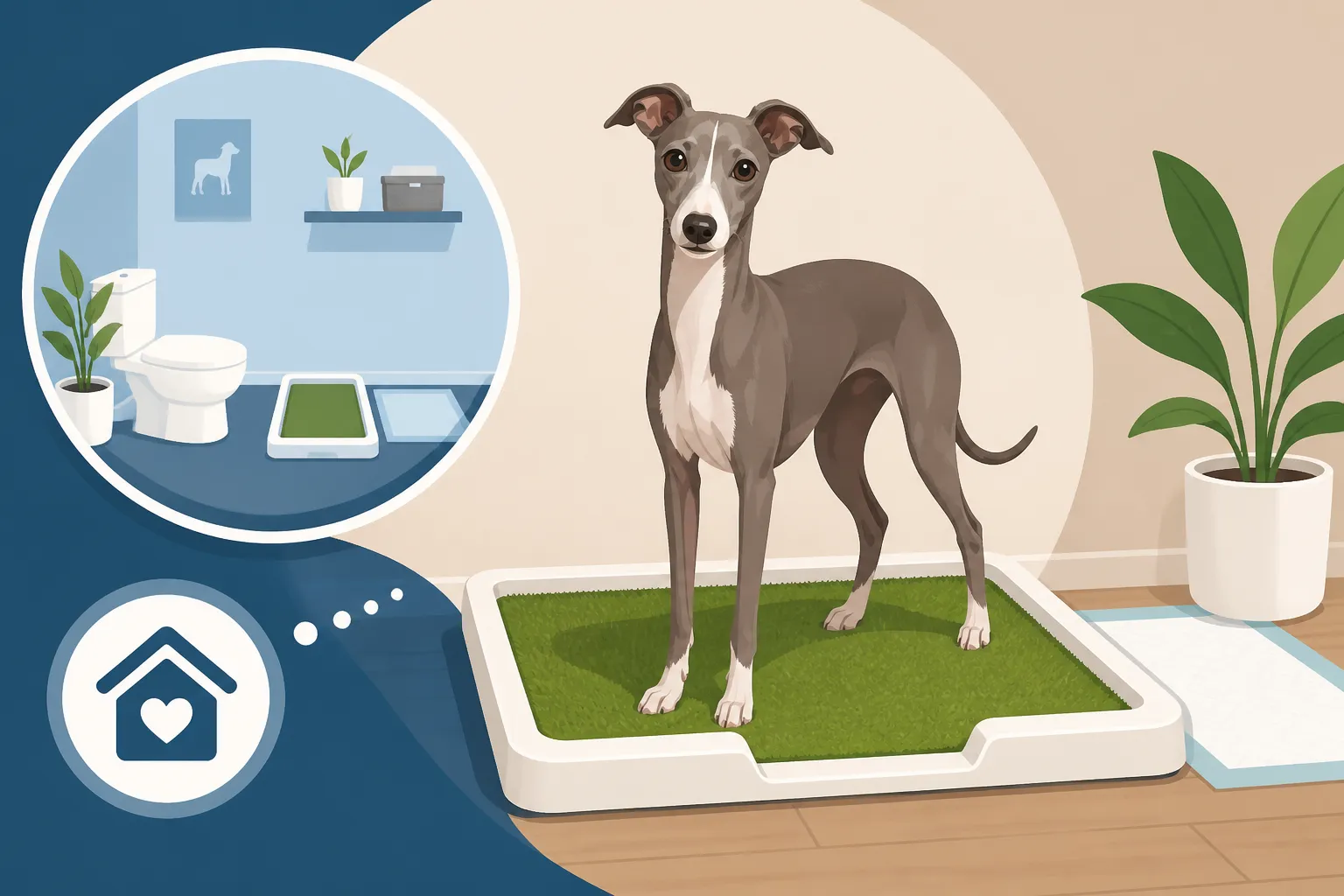
Setting Up an Indoor Bathroom for an Italian Greyhound
You adore your Italian Greyhound, but let's be honest, the housetraining struggles can test even the most patient owner. Those tiny bladders combined with an absolute aversion to cold or wet weather can turn potty breaks into a constant battle, leading to frustrating indoor accidents that feel impossible to resolve. But what if I told you there's a way to give your beloved Iggy a reliable, convenient potty option right inside your home? This guide will walk you through everything you need to know about setting up an effective indoor bathroom for your Italian Greyhound, making life easier for both of you and saving your floors in the process.
Why an Indoor Bathroom Is a Game Changer for Italian Greyhounds
Owning an Italian Greyhound is a truly unique experience, full of snuggles, zoomies, and undeniable charm. However, it also comes with some well-known challenges, and at the top of many owners' lists is housetraining. It’s not that Iggys aren't smart; it's simply that their physiology and preferences often clash with the traditional outdoor potty training model, especially for those living in less-than-ideal climates. Establishing an indoor potty area isn't a sign of failure; it's a smart, compassionate solution that aligns with your dog's natural tendencies and creates a more harmonious home environment.
The Challenges of Outdoor Potty Training
Let's face it, Italian Greyhounds are built for speed and comfort, not for braving the elements. Their fine, thin coats and minimal body fat mean they get cold incredibly quickly. A slight chill in the air that you might barely notice can feel like an arctic blast to your Iggy. Then there's the rain, the snow, the wind – any form of precipitation or severe temperature drop can turn a simple potty break into a monumental battle of wills. You bundle them up, lead them outside, and they freeze, shiver, and refuse to budge, only to come back inside and relieve themselves on your rug the moment your back is turned. It’s a classic Italian Greyhound move, and one that causes immense frustration.
Beyond the weather, Italian Greyhounds often have smaller bladders than you might expect for their size. This means they need to go more frequently, and holding it for extended periods can be uncomfortable or even contribute to accidents. Trying to force them outside every hour on the hour, especially when the weather is bad or your schedule is packed, becomes an exhausting endeavor. The sheer effort required to consistently take an Iggy out, combined with their strong aversion to anything unpleasant outside, can lead to a breakdown in house training, leaving both dog and owner feeling defeated. It’s often said that Housetraining an Italian Greyhound Is the Hardest Part of Owning One, and a big part of that difficulty stems from these environmental and physiological factors.
Peace of Mind for You and Your Iggy
An indoor bathroom offers a consistent, sheltered, and always-available solution that eliminates many of these outdoor challenges. Imagine not having to worry about How Cold Weather Undoes an Italian Greyhound's Training or Why an Italian Greyhound Refuses to Go Out in Rain. Your Iggy will have a safe, predictable spot to relieve themselves, regardless of whether it's pouring rain, snowing heavily, or just too darn cold for their delicate frames. This predictability significantly reduces stress for your dog, who no longer has to "hold it" or dread stepping onto cold, wet grass.
For you, the owner, it means fewer accidents, less cleanup, and far less anxiety about your dog's bladder control. It provides immense flexibility, especially if you work long hours or live in an apartment where outdoor access isn't instantaneous. You can step out for a few hours without panicking about your Iggy needing to go, knowing they have a designated, acceptable place. This peace of mind translates into a more relaxed relationship with your pet and a cleaner home, allowing you to focus on the joy of Italian Greyhound ownership rather than the endless battle against potty accidents.
Choosing the Right Indoor Potty System
Once you've decided that an indoor potty is the right move for your Italian Greyhound, the next step is selecting the best system. There's a surprising variety of options out there, each with its own benefits and drawbacks. What works for one Iggy might not work for another, so it’s worth considering your dog's preferences, your lifestyle, and how much maintenance you're willing to commit to. Remember, consistency is key, so choose a system you can stick with long-term.
Disposable Pads vs. Reusable Mats
Disposable Pads: These are perhaps the most common starting point for indoor potty training. They're absorbent squares, often with a waterproof backing, that you lay on the floor. Their main appeal lies in their convenience: you simply pick up the soiled pad, toss it, and replace it with a fresh one. For an Italian Greyhound with a small bladder, having these readily available can be a lifesaver, especially during puppyhood or when transitioning to indoor potty use. You can easily find large packs of them on retailers like Amazon, making them accessible.
However, disposable pads come with their downsides. Environmentally, they contribute to landfill waste, and the recurring cost can add up quickly over your Iggy's lifespan. Some dogs also develop a habit of shredding them, turning your potty solution into a confetti-strewn mess. If your Iggy is a chewer, this can become a significant problem. While Whether Indoor Pads Work for an Italian Greyhound is often debated, many owners find them a good short-term or supplementary solution, especially when space is limited.
Reusable Mats: These are an eco-friendlier and often more cost-effective alternative in the long run. Made from absorbent, washable materials, reusable mats are designed to be laundered after use. They typically have a non-slip backing, preventing them from bunching up or sliding around, which can be a real plus for a dainty Iggy. While the initial investment might be higher than a small pack of disposables, the savings on not constantly buying new pads can be substantial over time.
The trade-off, of course, is the laundry. You'll need to wash them regularly, which means having a few on hand so you always have a clean one available. Some owners find the idea of washing dog urine-soaked mats off-putting, but with modern washing machines and proper cleaning protocols, it's often less of an issue than anticipated. Reusable mats can also offer better absorption than some disposable options, leading to less tracking of wet paws around the house.
Grass Systems: Real vs. Artificial
Artificial Grass Systems: These systems typically consist of a faux grass mat placed over a collection tray, sometimes with an absorbent layer in between. The idea is to mimic the feel and look of real grass, which can be very appealing to dogs who are accustomed to outdoor pottying. They're designed for easy drainage and usually come with odor-controlling features. You can often find a variety of styles on Amazon, from basic trays to more elaborate multi-layered options.
Artificial grass is relatively low maintenance compared to real grass, requiring regular rinsing and occasional deep cleaning to prevent odors. The biggest challenge can be keeping them truly fresh and odor-free over time, as synthetic materials can trap smells. Some dogs also don't take to the texture as readily as others, but many Iggys appreciate the familiar "grass" feel. These systems offer a good middle ground for owners who want something more permanent than pads but less demanding than real grass.
Real Grass Systems: Yes, you can get actual patches of real grass delivered to your door for your dog to use indoors! These systems often come in a disposable tray or box and are designed to be completely biodegradable. The advantage is that real grass contains natural enzymes that help neutralize odors, and for many dogs, it's an instinctively appealing surface. Whether Real Grass Pads Work for an Italian Greyhound often depends on their previous experiences and natural preferences.
The main drawback here is the limited lifespan and maintenance. Real grass needs to be replaced regularly (typically every few weeks, depending on usage), and it can sometimes attract bugs or get messy if overused or not disposed of promptly. They also tend to be more expensive in the long run due to the frequent replacement costs. However, for a highly particular Iggy who refuses all other indoor options, a real grass system might be the breakthrough you need.
Litter Boxes and What Works
While often associated with cats, litter boxes can absolutely be an option for smaller dogs, including Italian Greyhounds. The key is finding the right setup and training method. Litter Box Training an Italian Greyhound can be a highly effective way to provide a consistent indoor potty solution, especially for dogs who prefer a contained space.
You'll typically use a larger, open-top cat litter box or a specifically designed dog litter box. As for the "litter," traditional clay cat litter isn't usually recommended for dogs due to dust and potential ingestion issues. Instead, consider paper pellets, pine pellets, or even specially formulated dog litter. These options are safer if ingested in small amounts and generally produce less dust. The main benefits are odor control (many litter types are excellent at this), a contained mess, and a relatively low ongoing cost once you have the box.
The biggest hurdle for litter boxes is often the initial training, as it's not an instinctual behavior for most dogs. You'll need patience and consistent positive reinforcement, but once an Iggy gets the hang of it, it can be a clean and reliable system. Some Iggys are naturally more fastidious and take to a litter box surprisingly well, appreciating the clean, consistent surface. Just ensure Which Litter Box Size Suits an Italian Greyhound is appropriate – large enough for them to turn around comfortably, but not so deep they struggle to get in and out.
Setting Up Your Italian Greyhound's Potty Zone
Once you've chosen your preferred indoor potty system, the next crucial step is setting it up correctly. It's not just about placing a pad on the floor; it's about creating an inviting, consistent, and practical space that your Italian Greyhound will understand and readily use. Think about it from your Iggy's perspective – where would they feel safe, comfortable, and discreet enough to do their business?
Location, Location, Location
The placement of your indoor potty system is paramount to its success. It needs to be easily accessible to your Italian Greyhound at all times, especially during the initial training phase. A common mistake is to place it in an out-of-the-way, inconvenient spot that the dog struggles to reach quickly. Instead, consider areas that are low-traffic but still visible, allowing your Iggy to feel both safe and aware of their surroundings. This might be a corner in your living room if it's large enough, a designated spot in a laundry room, or even a section of a bathroom.
Avoid placing it too close to their feeding area or sleeping bed, as most dogs are naturally averse to soiling where they eat or rest. While Iggys are deeply attached to their people, they also appreciate a bit of privacy for their business. A quiet corner or an area with a low barrier can provide this without isolating them completely. During the early days, you might even consider placing it within a Crating an Italian Greyhound Overnight setup, ensuring it's clearly separate from their sleeping area but within their confined space, to help reinforce the habit.
Making the Area Appealing
Beyond location, you need to make the potty area an attractive option for your Iggy. Consistency is key here. Once you've chosen a spot, stick with it. Moving the potty area around frequently will only confuse your dog and hinder their training. If you're using pads or mats, ensure they are always clean and fresh. No one, not even an Italian Greyhound, wants to use a soiled toilet, and an Iggy's sensitive nose will quickly pick up on old smells, making them seek out a "cleaner" spot elsewhere in your home.
You can also use scent cues to your advantage. Some potty pads come with attractant scents, which can help guide your dog to the right spot. If you're transitioning an Iggy from outdoor pottying, you might even place a small piece of soiled outdoor grass or a used potty pad (if they've had accidents on them) on the new indoor system initially. This familiar scent can signal to them that "this is the spot." Minimizing distractions around the potty area is also important. A busy hallway or a spot next to a constantly opening door won't offer the quiet focus your Iggy needs to feel comfortable.
Essential Accessories for Success
To truly set up a successful indoor bathroom, you’ll want a few key accessories beyond just the potty system itself. First and foremost, a good enzymatic cleaner is absolutely non-negotiable for Cleaning Up After an Italian Greyhound Accident. Regular household cleaners might mask the scent for human noses, but an Iggy's superior sense of smell will still detect residual odors, which can actually encourage them to go in the same "accident" spot again. Products like Rocco & Roxie Supply Co. Stain & Odor Eliminator or Nature's Miracle are popular choices available at most pet stores and on Amazon.
Consider a small, designated bin with a lid specifically for disposing of soiled pads or waste. This helps contain odors and keeps things tidy. If your Iggy is prone to marking indoors, especially intact males, a belly band can be a temporary solution while training progresses, offering protection for your home. Finally, and perhaps most importantly, a stash of high-value treats should always be nearby the potty area. These are critical for rewarding successful use of the indoor bathroom, reinforcing positive behavior immediately and enthusiastically. A reliable training resource like BAXTER & Bella also emphasizes the importance of these rewards for effective training.
Training Your Italian Greyhound to Use the Indoor Bathroom
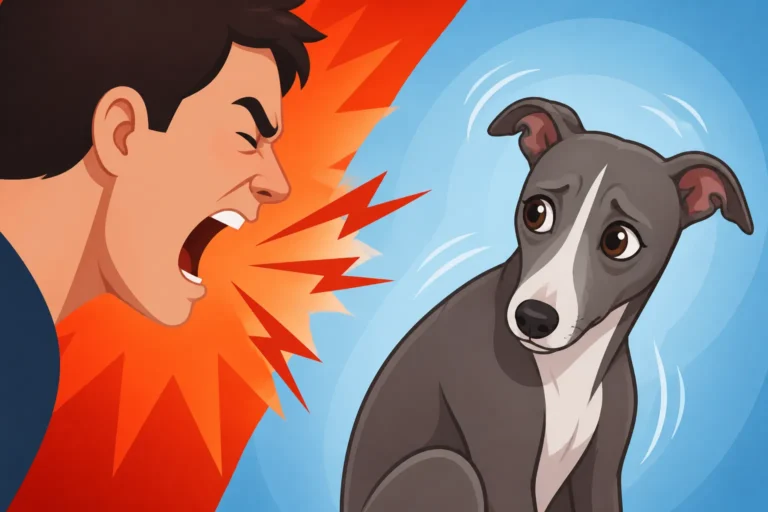
Setting up the perfect indoor potty is only half the battle; the other half is teaching your Italian Greyhound to actually use it. This requires patience, consistency, and a deep understanding of positive reinforcement. Iggys are sensitive souls, and harsh correction will only make them fearful and less likely to perform their business in front of you, potentially undoing all your hard work.
The Power of Positive Reinforcement
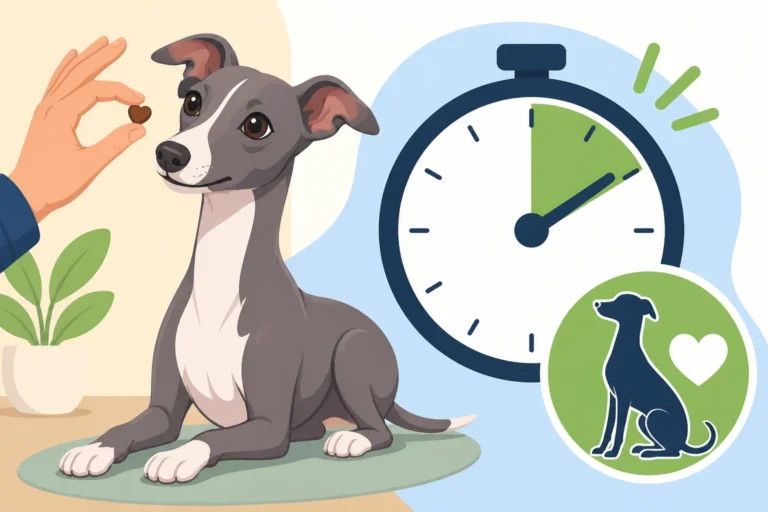
Italian Greyhounds respond incredibly well to positive reinforcement, and it's the only effective method for teaching them to use an indoor potty. Every single time your Iggy successfully uses the designated indoor potty spot, you need to mark that moment with enthusiastic praise and a high-value treat immediately. We're talking within seconds of them finishing their business. This rapid reward system teaches them precisely what action earned them that delicious treat and your happy attention.
Imagine your Iggy just finishes peeing on the pee pad. The moment they are done, "YES! Good potty!" followed by a tiny, delectable piece of chicken or cheese. This helps build a strong association: indoor potty = great things happen. Avoid any negative reactions if they have an accident elsewhere. A frustrated "No!" or a stern voice will only make them associate pottying with fear, leading them to hide their accidents from you. Instead, calmly clean up the mess with your enzymatic cleaner and commit to being more vigilant with supervision and scheduled potty breaks.
Transitioning from Outdoor to Indoor
If your Italian Greyhound is already used to going outside, transitioning them to an indoor system might take a bit more finesse. Start by making the indoor potty extremely appealing and easily accessible. Take your Iggy to the indoor spot frequently, especially after waking up, after playing, and before bedtime – these are prime potty times. When they are about to go, or in the act of going outdoors, try to gently guide them to the indoor system. Consistency is your best friend here.
One trick is to place a piece of soiled outdoor grass (if you were using a real grass system outside) or a slightly soiled disposable pad onto the new indoor system. The familiar scent can act as an invitation. Gradually, as they start using the indoor system, you can reduce the frequency of outdoor trips, especially when the weather is bad. For puppies, the process is similar to basic housetraining, just with an indoor target. Regular trips to the indoor spot, followed by immediate rewards for success, will build the habit. Remember Why an Italian Greyhound Has a Small Bladder, meaning frequent trips are essential.
Troubleshooting Common Indoor Potty Issues
Even with the best intentions, you might run into some bumps along the road. One common issue is marking indoors, particularly if you have an intact male Italian Greyhound. Why an Italian Greyhound Marks Indoors is often tied to territorial instincts. While neutering can help, it’s not a guaranteed fix. For marking, ensure consistent supervision and interrupt marking behavior with a gentle redirection to the indoor potty. If they mark, clean thoroughly with an enzymatic cleaner, and consider a belly band as a temporary management tool while you reinforce the correct behavior.
Another problem might be accidents occurring near the indoor potty, rather than directly on it. This often means the potty area isn't quite large enough, or your Iggy isn't entirely comfortable stepping fully onto it. Try increasing the size of the pad or mat, or ensure the litter box has low enough sides for easy entry. If they refuse to use the indoor potty at all, go back to basics: make the area irresistible with attractants, ensure it's clean, and most importantly, be present to reward immediately when they do use it, even if it's just a tiny pee. Patience is truly a virtue with Iggys, but with consistent effort, you can absolutely achieve indoor potty success.
| Potty System Type | Pros | Cons | Maintenance | Initial Cost (Shape) |
|---|---|---|---|---|
| Disposable Pads | Convenient, easy cleanup, widely available | Environmental waste, recurring cost, can be shredded | Daily replacement | Low |
| Reusable Mats | Eco-friendly, cost-effective long-term | Requires laundry, potential for lingering odor if not washed properly | Regular washing | Moderate |
| Artificial Grass | Mimics outdoor feel, contained mess | Can trap odors, requires regular rinsing/cleaning | Rinsing, occasional deep cleaning | Moderate |
| Real Grass | Natural, appealing to dogs, helps neutralize odors | Short lifespan, frequent replacement, can attract bugs | Regular replacement, light misting | High |
| Litter Box | Contained mess, good odor control with right litter, cost-effective litter | Requires training, finding dog-safe litter, some dogs may resist | Daily scooping, regular litter changes | Low to Moderate |
Disclaimer
This article is for general informational purposes only and does not constitute professional advice. Laws, prices and regulations vary by location and change over time. Consult a qualified professional for guidance on your specific situation.