Cleaning Up After an Italian Greyhound Accident
Few things are as frustrating for an Italian Greyhound owner as stepping in a surprise puddle or spotting a stain that wasn't there five minutes ago. You thought they were housetrained, you swear you just took them out, and yet, here we are again. It feels like a step backward, and the lingering odor can make you despair. This guide will walk you through effective ways to clean up those inevitable accidents and, crucially, offer strategies to help prevent them in the future.
Understanding Why Italian Greyhounds Have Accidents
Before you even grab a cleaning cloth, it helps to understand why your Italian Greyhound might be having accidents. It's rarely out of spite, and often, there's a very practical reason behind it that, once understood, can lead to more effective prevention.
The Small Bladder Dilemma
One of the most common reasons Italian Greyhounds have accidents, especially puppies and even some adults, is simply their physiology. They are a delicate, small breed, and with that comes a smaller bladder. This means they physically cannot hold their urine for as long as a larger dog might. Expecting them to go eight hours between potty breaks, especially during the day, is often unrealistic. This isn't a training failure on your part, but a biological reality for your little friend. Frequent trips outside are non-negotiable, and when life gets busy, an accident can easily happen because they simply couldn't wait any longer. Young puppies, in particular, need to go out with incredible frequency, sometimes every hour or two, especially after waking, eating, or playing.
Weather Aversion and Environmental Factors
Let's be real: Italian Greyhounds are notoriously sensitive to cold and wet weather. Their thin skin and minimal body fat mean they get chilly fast. Asking them to go out in a downpour, freezing temperatures, or even just a brisk wind can be met with stubborn refusal. They might go out, do a quick pee, and then race back inside, holding the rest of their business for a warmer, drier moment. This is a common scenario where accidents happen indoors. A fully housetrained Italian Greyhound can regress in their habits during winter or prolonged bad weather. You might see them doing their potty dance by the door, but if the conditions outside are too harsh for their liking, they'll often opt for a discreet spot in the house instead. Why an Italian Greyhound Refuses to Go Out in Rain touches on this common challenge.
Stress, Anxiety, and Marking Behaviors
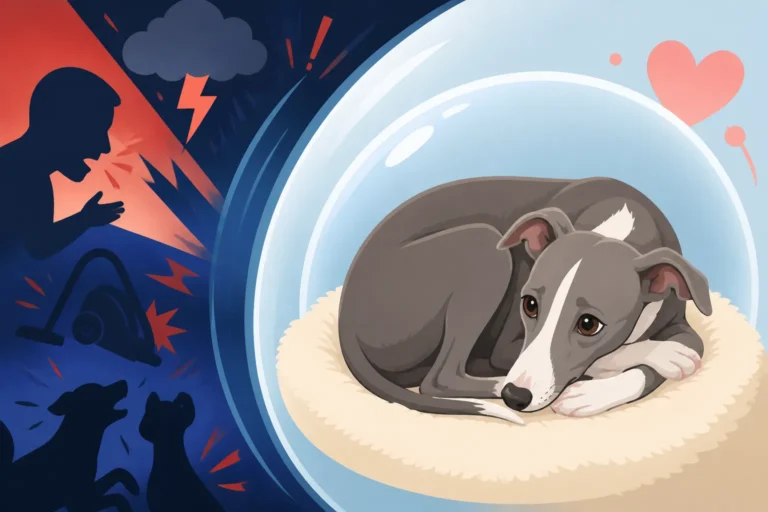
Sometimes, accidents aren't about holding it or weather, but about emotional or behavioral factors. Italian Greyhounds are known for being sensitive souls, and changes in routine, new people, or even just feeling lonely can cause stress. This stress can manifest as submissive urination or simply forgetting their training due to anxiety. Separation anxiety is a particular concern for this breed, and accidents can be a symptom. If your Italian Greyhound is particularly attached and you suddenly leave them alone for extended periods, they might soil the house as a result of their distress. Signs an Italian Greyhound Has Separation Anxiety delves deeper into these behavioral cues. Additionally, marking behavior, especially in unneutered males but sometimes even in females or neutered males, can lead to accidents. This isn't about emptying their bladder entirely, but about leaving small amounts of urine to scent their territory. This is often triggered by new smells, other pets, or perceived threats to their space. Why an Italian Greyhound Marks Indoors explores this more.
Immediate Steps: Tackling Fresh Accidents
When you find a fresh Italian Greyhound accident, the key is to act quickly and correctly. A speedy, effective cleanup prevents the odor from setting in and discourages your dog from returning to the same spot.
Blot, Don't Rub: The Golden Rule
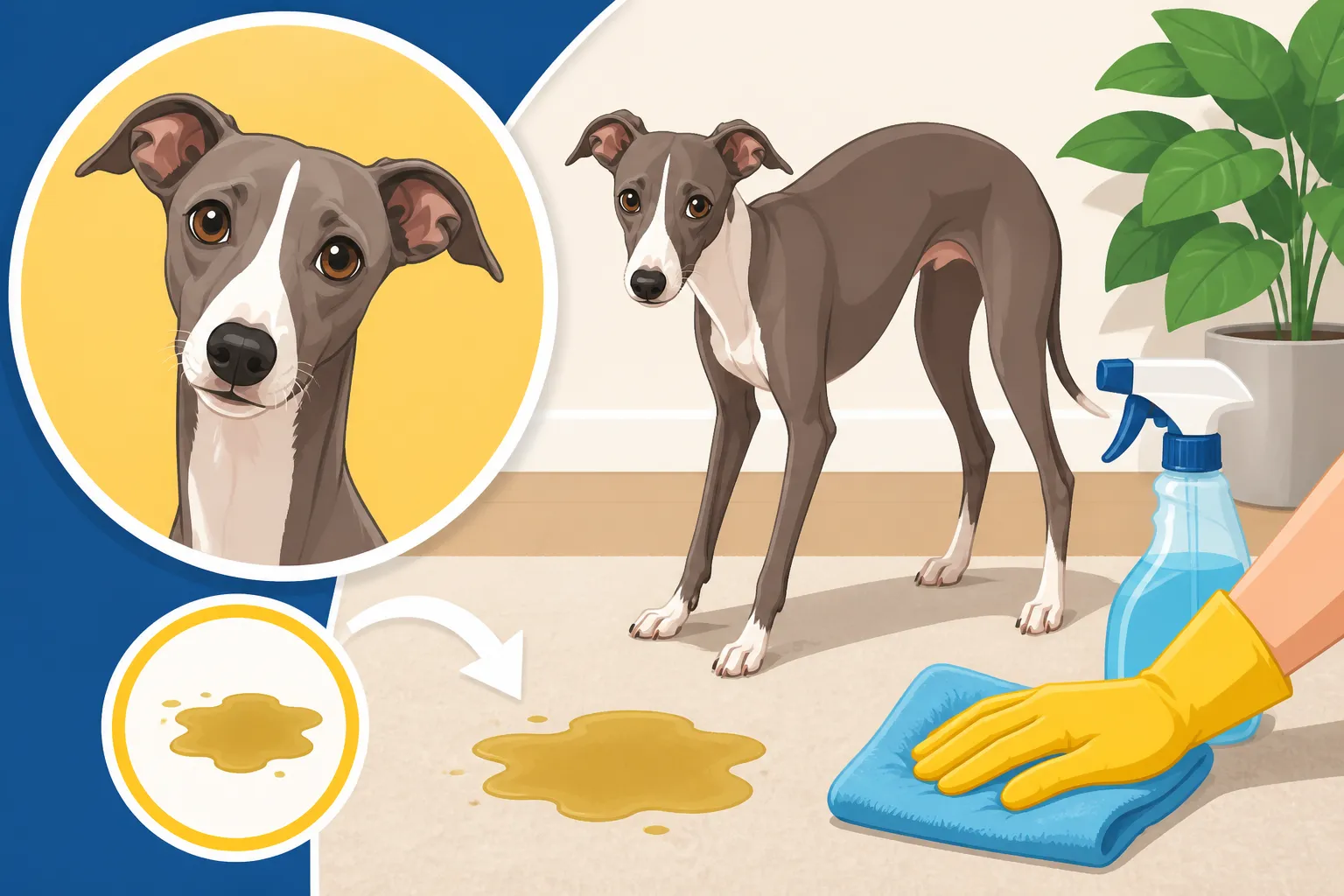
Your first instinct might be to scrub, but resist it! Rubbing an accident, especially on carpet, pushes the urine deeper into the fibers and padding, making it much harder to remove completely. Instead, grab a stack of clean paper towels, an old towel, or even a few layers of newspaper. Place it firmly over the wet spot and blot. Apply pressure, then lift. Repeat this process, moving to fresh, dry sections of your absorbent material, until no more moisture transfers. You're aiming to soak up as much of the urine as possible before applying any cleaning solutions. For solid waste, gently pick it up with a paper towel, then proceed to blot any residual moisture or staining.
The Power of Enzymatic Cleaners
This is where your cleaning arsenal truly comes into play. For pet accidents, regular household cleaners often aren't enough. You need an enzymatic cleaner. Why? Because urine contains crystals and proteins that standard cleaners can't break down. They might mask the smell for a human nose, but your dog's much more sensitive olfactory system will still detect it, marking the spot as an acceptable bathroom area. Enzymatic cleaners contain specialized enzymes that break down these organic compounds, essentially "eating" the waste and its odor.
When using an enzymatic cleaner, always follow the product's instructions precisely. Generally, you'll saturate the soiled area, allowing the cleaner to penetrate as deeply as the urine did. This often means leaving it to sit for a period, sometimes 10-15 minutes, or even longer for older stains. Many popular brands are available, easily found on platforms like Amazon, and they are a lifesaver for pet owners. After the recommended dwell time, blot the area again until dry. You might need to cover the area with plastic wrap or an upside-down laundry basket during the dwell time to prevent your Italian Greyhound from investigating or re-soiling the spot.
Addressing Odor and Stain Components
Even with enzymatic cleaners, some particularly stubborn odors or stains might persist, especially if the accident wasn't caught immediately. For persistent odors, consider a secondary treatment with a baking soda paste (mix baking soda with a little water) after the enzymatic cleaner has dried. Apply the paste, let it sit for several hours or overnight, then vacuum. Baking soda is excellent at absorbing residual odors.
For lingering stains, particularly on carpets, you might need a dedicated stain remover alongside your enzymatic cleaner. Always patch test any product in an inconspicuous area first to ensure it doesn't discolor your flooring or fabric. The goal is not just to clean what you see, but to eliminate what you can't see and what your Italian Greyhound can smell. If the smell isn't completely gone to their nose, they will likely go back to that spot.
Deep Cleaning and Odor Removal for Set-In Stains
Discovering an old, dried accident can be disheartening. The odor often announces itself long before you visually locate the stain. These require a more intensive approach than fresh spills, as the urine has had time to dry and crystallize deep within surfaces.
Different Surfaces, Different Strategies
The type of surface dramatically impacts your cleaning method for set-in stains.
- Carpets and Rugs: For deep-set carpet stains, begin by thoroughly vacuuming the area to remove any dry debris. Next, you'll need to re-wet the stain with clean water to reactivate the urine crystals. Apply a generous amount of your enzymatic cleaner, ensuring it soaks deep into the carpet and padding, mimicking how the urine initially penetrated. You may need to let it sit for several hours, or even overnight, covered with plastic, to allow the enzymes ample time to work. Blot thoroughly after the dwell time. For very old or large stains, a carpet extractor (steam cleaner) can be invaluable. Renting one or hiring a professional can be a good investment. Make sure to use a pet-specific solution in the extractor.
- Hardwood and Laminate Floors: While seemingly easier to clean, urine can seep into the seams of hardwood or laminate, leading to dark staining and persistent odors. For these, clean the surface thoroughly with an enzymatic cleaner designed for hard floors. If the odor persists, it indicates the urine has seeped between boards. For severe cases, this might unfortunately require sanding and refinishing the affected area, or even replacing damaged boards. Sealants can help prevent future seepage.
- Upholstery and Mattresses: These porous surfaces are particularly challenging. For upholstery, apply enzymatic cleaner, making sure to saturate the area that was soiled. Blot, let it sit, then blot again. For mattresses, the challenge is similar but amplified due to thickness. You'll need to apply cleaner, let it soak, and then press out as much moisture as possible, potentially multiple times. Air drying thoroughly is crucial to prevent mold. A wet/dry vacuum can be very useful here to extract the cleaner and dissolved urine. For very deep contamination, sometimes professional cleaning is the only solution, or in extreme cases, replacement.
The Indispensable UV Blacklight
Sometimes you can smell an odor, but you can't see the source. This is where a UV blacklight (also known as a blacklight flashlight) becomes your secret weapon. Urine residues glow under UV light, making invisible stains eerily visible. This tool is especially helpful for identifying old accidents on carpets, walls, and furniture that you might have missed.
To use it effectively, darken the room as much as possible. Scan suspect areas with the UV light. Any glowing spots are urine deposits that need cleaning. Once identified, treat these areas diligently with an enzymatic cleaner, just as you would for visible stains. This ensures you're addressing all the contaminated areas, not just the obvious ones, thereby truly eliminating the source of the odor. You can easily find these compact flashlights on Amazon.
When to Call in the Professionals
There are times when a DIY cleanup simply isn't enough. If you've tried all the methods and the odor or stain persists, especially in large areas, or if multiple accidents have occurred in the same spot over time, it might be time to call in professional carpet or upholstery cleaners. They have industrial-strength equipment and cleaning agents that can penetrate deeper and extract more effectively than home solutions. Be sure to tell them it's pet urine, as they'll need specific treatments to break down the enzymes and truly eliminate the odor, rather than just masking it. This can be an investment, but it's often worth it for your sanity and the longevity of your home furnishings.
Here's a quick comparison of cleaning methods for common surfaces:
| Surface Type | Fresh Accident Cleaning | Set-In Stain/Odor Removal | Essential Tools & Products |
|---|---|---|---|
| Carpet/Rugs | Blot immediately, saturate with enzymatic cleaner, blot dry. | Re-wet, saturate with enzymatic cleaner (long dwell time), blot, consider carpet extractor. | Paper towels, enzymatic cleaner, UV blacklight, baking soda, carpet extractor. |
| Hardwood/Laminate | Wipe immediately, clean with enzymatic hard floor cleaner. | Clean with enzymatic hard floor cleaner. May require sanding/refinishing for deep stains/seepage. | Clean cloths, enzymatic hard floor cleaner, UV blacklight, wood sealant. |
| Upholstery | Blot immediately, saturate with enzymatic cleaner, blot dry. | Saturate deeply with enzymatic cleaner, blot, use wet/dry vacuum for extraction. | Paper towels, enzymatic cleaner, wet/dry vacuum, UV blacklight. |
| Tile/Grout | Wipe immediately, clean with enzymatic cleaner. | Scrub grout lines with enzymatic cleaner and brush. | Clean cloths, enzymatic cleaner, scrub brush. |
Preventing Future Accidents: Beyond Just Cleaning
Cleaning up is only half the battle. The ultimate goal is to minimize, if not eliminate, future accidents. This requires a proactive approach, combining consistent training, environmental management, and attentive observation of your Italian Greyhound's habits.
Re-establishing Housetraining Protocols
If your Italian Greyhound is having accidents, it's often a sign that their housetraining needs a refresher course. This doesn't mean they've forgotten everything; it just means the rules need to be reinforced with unwavering consistency. Go back to basics:
- Scheduled Potty Breaks: Take your Italian Greyhound out frequently and on a strict schedule – first thing in the morning, after meals, after naps, before bed, and several times in between. For puppies, this means every hour or two.
- Supervision: When indoors, keep your Italian Greyhound either supervised directly or confined to a safe, contained space. This prevents them from wandering off to a hidden corner for an accident. Use a leash indoors if needed to keep them close.
- Positive Reinforcement: Every successful potty break outdoors should be celebrated with praise, a small, high-value treat, and perhaps a quick play session. Make going outside the most rewarding experience.
- Addressing the "Why": If weather is an issue, invest in quality winter coats or rain gear to make outdoor trips more comfortable for them. Consider A Broken Leg Is the Emergency Every Italian Greyhound Owner Fears and similar posts to understand why taking protective measures outdoors, including safe walking surfaces, is crucial. If anxiety is a factor, work on confidence building or consult with a professional trainer. Why an Italian Greyhound Is Slow to Housetrain goes into more detail on common challenges.
Environmental Management and Indoor Potty Solutions
Sometimes, no matter how diligent you are, life happens, or your Italian Greyhound just can't hold it. Having an indoor potty solution can be a game-changer for many owners, especially those dealing with weather-averse IGs or those who live in apartments.
- Pee Pads/Grass Patches: These offer a designated indoor spot for your Italian Greyhound to relieve themselves. Real grass patches, available via subscription services, can be very appealing, as they mimic the outdoor experience. Using pads or patches correctly involves placing them in a consistent, easily accessible spot and rewarding your dog every time they use them. Setting Up an Indoor Bathroom for an Italian Greyhound offers practical tips for this.
- Litter Boxes: Believe it or not, Italian Greyhounds can be litter box trained! This is a fantastic option for apartment dwellers or those who want to completely avoid outdoor weather. You'll need a low-sided litter box and appropriate litter, usually recycled paper pellets or artificial grass mats. Consistency is key, just like with pads. Litter Box Training an Italian Greyhound provides a comprehensive guide to getting started.
- Crating: When you can't actively supervise your Italian Greyhound, a crate can be an invaluable tool. Dogs are naturally reluctant to soil their sleeping area, so a properly sized crate (just big enough to stand up, turn around, and lie down comfortably) can help reinforce bladder control. It should never be used as punishment, but rather as a safe den. For tips on how to effectively use a crate overnight or during short periods of absence, you can refer to Crating an Italian Greyhound Overnight.
Utilizing Training Programs and Resources
Don't feel like you have to go it alone. There are fantastic resources available to help you navigate housetraining challenges. Online training platforms, like those offered by BAXTER & Bella, often provide structured programs that emphasize positive reinforcement and address common puppy and dog behavioral issues, including housetraining. These resources can give you step-by-step guidance, troubleshoot specific problems, and help you build a stronger bond with your Italian Greyhound through consistent, gentle methods.
Remember, patience is paramount. Italian Greyhounds can be sensitive, and harsh punishment for accidents can actually set back training, making them hide their accidents or become fearful. Focus on preventing opportunities for mistakes and generously rewarding desired behavior. Every Italian Greyhound is an individual, and what works for one might need slight adjustments for another, but with persistence, you can achieve a clean, accident-free home.
Disclaimer
This article is for general informational purposes only and does not constitute professional advice. Laws, prices and regulations vary by location and change over time. Consult a qualified professional for guidance on your specific situation.