Traveling With an Italian Greyhound
The thought of leaving your beloved Italian Greyhound behind when you travel can be heartbreaking, but taking them with you often feels like navigating a minefield of potential hazards and comfort challenges. Their delicate build, sensitive nature, and unique needs mean that traveling with an Italian Greyhound isn't as simple as tossing them in the back seat; it requires meticulous planning, a focus on safety, and a deep understanding of what makes them comfortable. This guide will walk you through everything you need to consider to make your travels with your Italian Greyhound as smooth, safe, and stress-free as possible, whether you're hitting the road or taking to the skies.
Preparing Your Italian Greyhound for the Journey Ahead
Before you even think about packing bags or booking tickets, the real groundwork for successful travel with an Italian Greyhound begins at home. These aren't dogs who typically thrive on spontaneity, especially when it comes to new environments or unusual schedules. Their comfort often hinges on routine and familiarity, which means any travel plans need a solid foundation of preparation.
Desensitization and Training for New Experiences
One of the biggest hurdles for many Italian Greyhounds when traveling is the sheer novelty of it all. New sights, sounds, smells, and routines can easily overwhelm their sensitive nervous systems. Desensitization isn't about forcing them into uncomfortable situations, but gradually introducing elements of travel in a positive, controlled way. Start small. If you're planning a car trip, take short, enjoyable drives to fun places like the park or a favorite walking trail, rather than only to the vet. Associate the car with good things—treats, praise, exciting destinations. For crate training, make their travel carrier a comfortable, safe den at home, not just something that appears when a trip is imminent. Toss in high-value treats, feed meals inside, and ensure it's lined with soft, familiar bedding that smells like home. This helps build a positive association, reducing anxiety when the carrier is used for actual travel.
You might also consider working on basic obedience and confidence-building exercises. A dog that feels secure in its understanding of commands and trusts its owner in new situations will generally handle travel better. Platforms like BAXTER & Bella offer online resources that can help build this foundation, focusing on positive reinforcement to make learning enjoyable and effective for sensitive breeds. The goal is to make them feel secure, no matter where they are. Remember, a sudden loud noise or an unexpected movement can easily startle an Italian Greyhound, so a calm, reassuring presence from you is paramount.
Veterinary Check-Ups and Health Considerations
Before any trip, especially if you're crossing state lines or flying, a visit to your veterinarian is non-negotiable. Your vet can confirm your Italian Greyhound is healthy enough for travel, particularly if they have any pre-existing conditions. Discuss your travel plans, including the mode of transport and duration. They might recommend specific vaccinations, parasite prevention, or even a mild sedative for anxious travelers. Airlines often require a health certificate issued within a certain timeframe before travel, so be sure to get this checked off your list.
Also, talk to your vet about temperature regulation. Why an Italian Greyhound Gets Cold on the Table is a great article that illustrates their extreme sensitivity to cold due to their low body fat. This sensitivity extends to travel environments, especially in air-conditioned cars, drafty airport terminals, or during flights. Your vet can advise on the best ways to keep them warm and comfortable, from sweaters and blankets to heated pads. Having a current copy of your Italian Greyhound's vaccination records, a recent photo, and your vet's contact information readily available is also a smart move, just in case of an unforeseen emergency during your travels.
Safe Car Travel with an Italian Greyhound
Car travel is often the most common way Italian Greyhound owners journey with their companions. While it offers more flexibility than flying, it still comes with its own set of considerations to ensure your delicate friend stays safe and comfortable.
Securing Your Italian Greyhound in the Vehicle
This is absolutely paramount. An unrestrained Italian Greyhound in a car is not only a distraction to the driver but also incredibly vulnerable in an accident. Their slight build means they can become a projectile or suffer severe injury from even a minor collision or sudden stop. A dedicated car seat designed for small dogs, or a crash-tested travel crate, is the safest option.
Many owners opt for booster seats that allow their IG to see out the window while being securely buckled in. These often attach to the car's seatbelt system and have a leash attachment point for your dog's harness (never a collar, as sudden stops can cause neck injury). Look for options that offer good padding and support. For those who prefer crates, ensure it's appropriately sized—large enough for them to stand, turn around, and lie down comfortably, but not so big that they can be jostled excessively. Secure the crate so it cannot slide or tip over. You can find excellent options for both car seats and travel crates on platforms like Amazon, often with reviews from other small dog owners. Remember, even a short drive to the pet store requires them to be safely secured.
Planning for Breaks and Comfort on the Road
Long car rides can be tough on anyone, and Italian Greyhounds are no exception. Regular breaks are crucial for potty opportunities, stretching, and a sip of water. Plan your route to include safe, quiet stops. When you do stop, always use a leash! Why an Italian Greyhound Cannot Be Trusted Off Leash, Ever applies just as much to rest stops as it does to your local park. Their strong prey drive and incredible speed mean they could be gone in a flash if they spot a squirrel or a blowing leaf.
Bring plenty of familiar blankets and perhaps a small, easily washable bed for their car seat or crate. Their thin skin and delicate joints benefit from soft, supportive surfaces, and familiar scents help reduce anxiety. Portable water bowls and a supply of fresh water are essential, especially on warmer days. Avoid feeding a large meal right before or during a long drive to prevent car sickness. Instead, offer small, easily digestible treats if needed. Keep the car temperature comfortable, erring on the warmer side if possible, or have extra sweaters ready. A happy, comfortable IG makes for a much more pleasant road trip for everyone.
Flying with an Italian Greyhound: What You Need to Know
Flying with an Italian Greyhound introduces a whole new level of complexity, primarily due to airline regulations, breed-specific considerations, and their inherent fragility. It's not a decision to be taken lightly.
Understanding Airline Regulations and Pet Policies
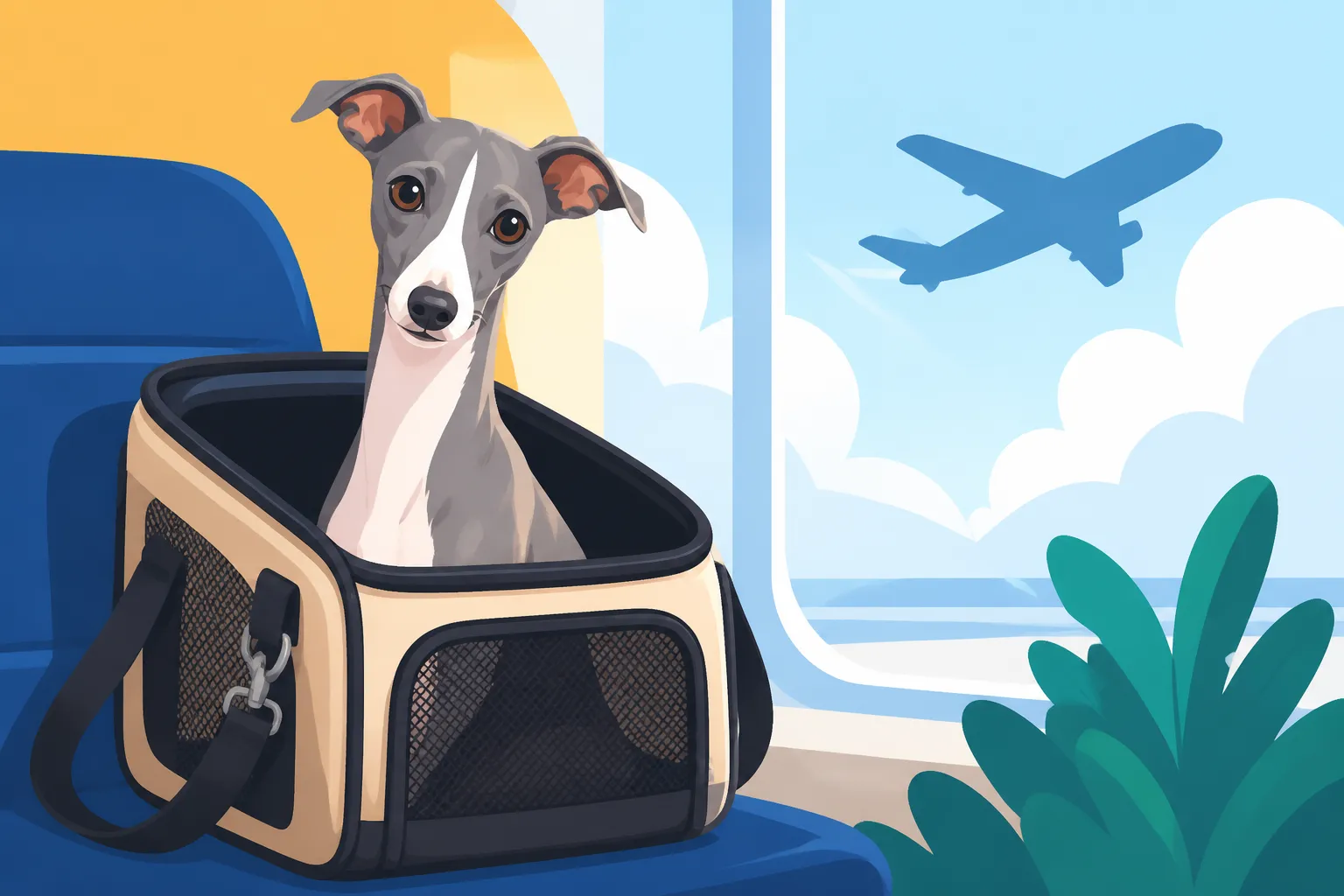
Before you even book your flight, research airline pet policies meticulously. Every airline has different rules regarding pet size, weight, carrier dimensions, and fees. For Italian Greyhounds, the good news is they almost always qualify to fly in-cabin with you, which is by far the safest and most recommended option. You want your IG to be under your seat, where you can monitor them and offer reassurance.
An in-cabin pet must fit comfortably in a soft-sided carrier that can stow under the seat in front of you. The carrier should be well-ventilated, waterproof, and allow your Italian Greyhound to stand up and turn around. Measure your IG carefully and compare it to airline-specific carrier dimensions. There are typically limits on the number of pets allowed in the cabin per flight, so book early! Always call the airline directly to confirm your pet's reservation and requirements, even after booking online. Never assume anything.
The Risks of Cargo Travel for Italian Greyhounds
I cannot stress this enough: avoid cargo travel for your Italian Greyhound at all costs. While some larger breeds might endure it, Italian Greyhounds are simply not suited for it. Their very nature – low body fat, thin skin, and tendency to stress easily – makes cargo an incredibly risky proposition.
The temperature fluctuations in cargo holds can be dangerous for a breed that struggles with thermoregulation. Warming an Italian Greyhound Through Surgery highlights their difficulty maintaining body heat, and a cold cargo hold can lead to hypothermia. The noise, isolation, and unfamiliar environment can induce extreme stress, potentially leading to panic, injury, or even worse outcomes. Many airlines have breed restrictions or embargoes on brachycephalic (short-nosed) breeds due to breathing issues, but even without such specific rules, the general environment of cargo is inherently unsafe for a delicate sighthound. If flying in-cabin isn't an option, seriously reconsider your travel plans. It's just not worth the risk to your beloved companion.
Ensuring Comfort and Security Away from Home
Once you've arrived at your destination, whether it's a bustling city hotel or a quiet family cabin, the challenge shifts to making your Italian Greyhound feel safe and settled in a new environment. Their "Velcro dog" nature, as explored in The Velcro Dog: What Constant Company Means With an Italian Greyhound, means they thrive on proximity and routine.
Establishing a Routine and Familiar Comforts
Consistency is your best friend when traveling with an Italian Greyhound. Try to maintain their feeding schedule, potty breaks, and bedtime routine as much as possible. This predictability helps reduce anxiety. Bring their favorite bed, blankets, and toys—items that smell like home and provide a sense of security. A snuggle sack or covered dog bed can be particularly comforting, offering them a cozy, den-like space where they feel protected. Whether an Italian Greyhound Needs a Heated Bed might offer insights into keeping them warm in potentially unfamiliar hotel rooms or homes.
When you arrive, give them time to explore their new surroundings on leash, allowing them to sniff and acclimate. Designate a specific "safe space" for them in the room, like their crate or bed, where they can retreat if they feel overwhelmed. If you're staying in a hotel, inquire about pet-friendly services and designated potty areas. Always check the room for potential hazards before letting your Italian Greyhound roam freely – small items they could swallow, gaps they could squeeze through, or loose wires.
Managing Anxiety and Unexpected Situations
Even with the best preparation, travel can be stressful for some Italian Greyhounds. Signs of anxiety might include trembling, excessive licking, pacing, panting, or unusual vocalization. Your calm demeanor is key; they look to you for reassurance. Speak in a soothing voice and offer gentle strokes. Sometimes, a high-value treat or a favorite chew toy can distract them.
If your IG is prone to separation anxiety, leaving them alone in an unfamiliar hotel room can be particularly challenging. How Long an Italian Greyhound Copes Alone provides insights into this. Consider leaving a radio or TV on softly to mimic familiar household sounds. If you absolutely must leave them, ensure they are safely crated with all their comforts, and try to keep the absence brief. Some owners use pheromone collars or diffusers, or even talk to their vet about natural calming supplements or prescription medication for severe anxiety, especially for longer trips.
Unexpected situations, like a fire alarm in the hotel or a sudden storm, can happen. Have a plan for quick evacuation, ensuring your Italian Greyhound is easily secured in their carrier or on a leash. Always have your phone, wallet, and dog's essentials (leash, small bag of food, vital medications) in an easily accessible "go bag." Remember, their safety is paramount, and your preparedness can make all the difference.
Travel Essentials Checklist for Your Italian Greyhound
To help you keep track, here's a handy checklist of items you'll want to pack for your Italian Greyhound:
| Category | Essential Items | Notes |
|---|---|---|
| Health & Safety | Vet records, health certificate | Especially for air travel, proof of vaccinations. |
| Medications (if applicable) | Pack extra if possible, along with original prescriptions. | |
| First-aid kit | Bandages, antiseptic wipes, pet-safe pain relief (consult vet), tweezers. For Cuts, Scrapes and an Italian Greyhound's Paper Thin Skin. | |
| ID tags and microchip info | Ensure contact info is up-to-date. Consider a GPS tracker for extra peace of mind. | |
| Harness and leash | Which Harness Suits an Italian Greyhound's Neck for comfort and safety. Always keep them leashed outdoors. | |
| Comfort & Sleep | Travel carrier/car seat | Secure and comfortable, appropriate size. |
| Favorite bed/blankets | Familiar scents provide comfort; crucial for warmth. | |
| Sweaters/coats | Multiple layers for varying temperatures. IGs get cold easily! | |
| Portable heated pad (optional) | For extra warmth in cold environments. | |
| Food & Hydration | Regular food supply | Stick to their usual diet to avoid stomach upset. Pack extra. |
| Portable food and water bowls | Collapsible silicon bowls work great. | |
| Bottled water | Familiar water can help sensitive stomachs, or if local water is questionable. | |
| Treats | High-value treats for positive reinforcement and distraction. | |
| Potty & Hygiene | Waste bags | Always, always clean up after your pet. |
| Potty pads (if house-trained to them) | For hotel rooms or emergencies, especially if Why an Italian Greyhound Is Slow to Housetrain is a factor for your dog. | |
| Pet-safe cleaning wipes | For quick clean-ups of minor accidents. | |
| Entertainment | Favorite toys | Helps combat boredom and anxiety. |
| Chew items | Long-lasting chews can keep them occupied during downtime. |
Traveling with your Italian Greyhound can be an incredibly rewarding experience, deepening your bond and creating lasting memories. With careful planning, a focus on their unique needs, and a commitment to their safety and comfort, you can open up a world of adventures for both of you. It's true that they demand a bit more consideration than some other breeds, but for devoted Italian Greyhound owners, the effort is always worth it.
Disclaimer
This article is for general informational purposes only and does not constitute professional advice. Laws, prices and regulations vary by location and change over time. Consult a qualified professional for guidance on your specific situation.