Why Chasing a Loose Italian Greyhound Makes It Worse
Few things can strike fear into an Italian Greyhound owner's heart quite like the sight of their tiny, speedy companion darting away, off-leash, into the great unknown. The immediate, gut-wrenching instinct is often to chase after them, screaming their name, but this natural reaction can actually make a terrifying situation much, much worse. This guide will explore the unique Italian Greyhound instincts that cause them to bolt, why chasing them fuels their flight, and what practical, safer steps you can take to recover your precious dog and prevent future escapes.
Understanding the Italian Greyhound's Instinct to Bolt
Italian Greyhounds, despite their delicate appearance, are sighthounds through and through. This means they were bred for centuries to spot movement at a distance and then unleash an incredible burst of speed to chase it down. This isn't just a quirky habit; it's deeply ingrained in their DNA, a powerful genetic imperative that overrides almost everything else. When an Italian Greyhound bolts, they aren't being disobedient or trying to defy you; they are simply responding to thousands of years of selective breeding.
The Power of Prey Drive and Visual Stimulation
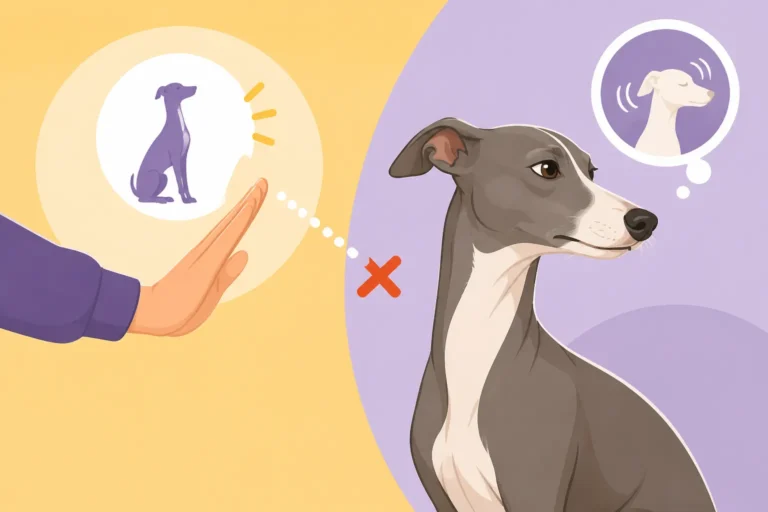
Imagine you're walking your Italian Greyhound, perhaps in a seemingly secure area, and a squirrel suddenly darts across a field, or a plastic bag tumbles by in the wind. To your IG, this isn't just a fleeting object; it's a prime target, a challenge to their ancient hunting instincts. Their eyes, designed for scanning horizons, pick up the movement instantly, and their brains trigger an almost involuntary response: chase. This prey drive is incredibly strong, often eclipsing any training they might have had or their desire to stay by your side. They literally go deaf to your calls and commands in that moment. It's a primal switch that flips, and once it's on, it's incredibly hard to turn off. This is why it's universally advised that Why an Italian Greyhound Cannot Be Trusted Off Leash, Ever.
Their Incredible Speed and Stamina
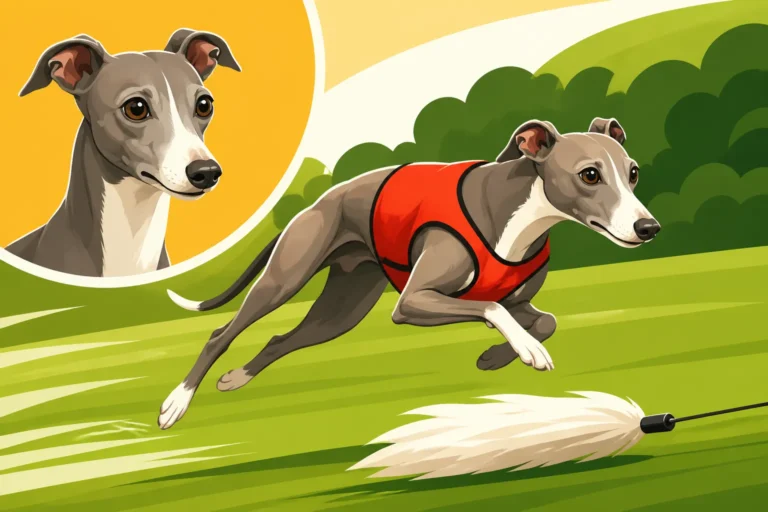
If you've ever seen an Italian Greyhound at full tilt, you know it's a breathtaking sight. These dogs are little rockets, capable of reaching impressive speeds in a matter of seconds. How Fast an Italian Greyhound Runs is often underestimated by new owners. They might look fragile, but their lean, muscular bodies are built for short, intense sprints. This speed isn't just for show; it's a survival mechanism from their sighthound heritage. Once they decide to run, they can cover an alarming amount of ground very quickly, making it nearly impossible for a human to keep up, especially in open spaces. By the time you start chasing, they could already be blocks away or out of sight entirely, adding to the panic.
Why Chasing Only Makes the Situation Worse
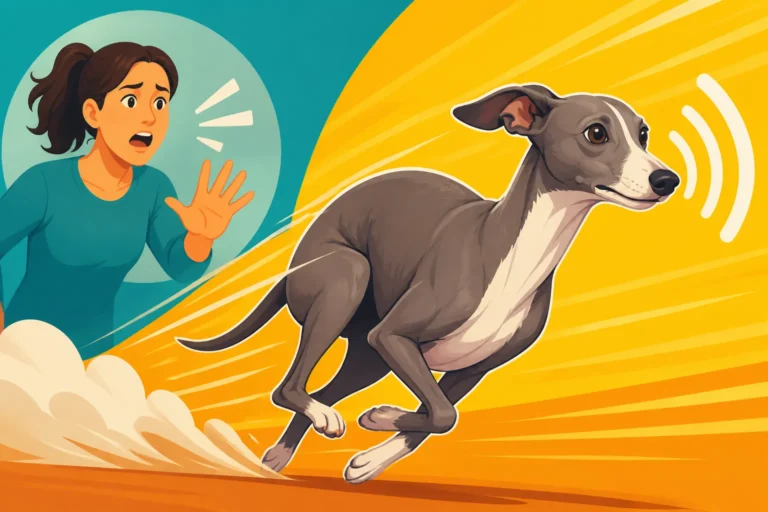
It's natural to want to run after your dog. Your heart is pounding, fear is gripping you, and every fiber of your being screams "catch them!" However, from an Italian Greyhound's perspective, your pursuit can be interpreted in a completely different, and often counterproductive, way.
The Game of Chase: Fueling the Instinct
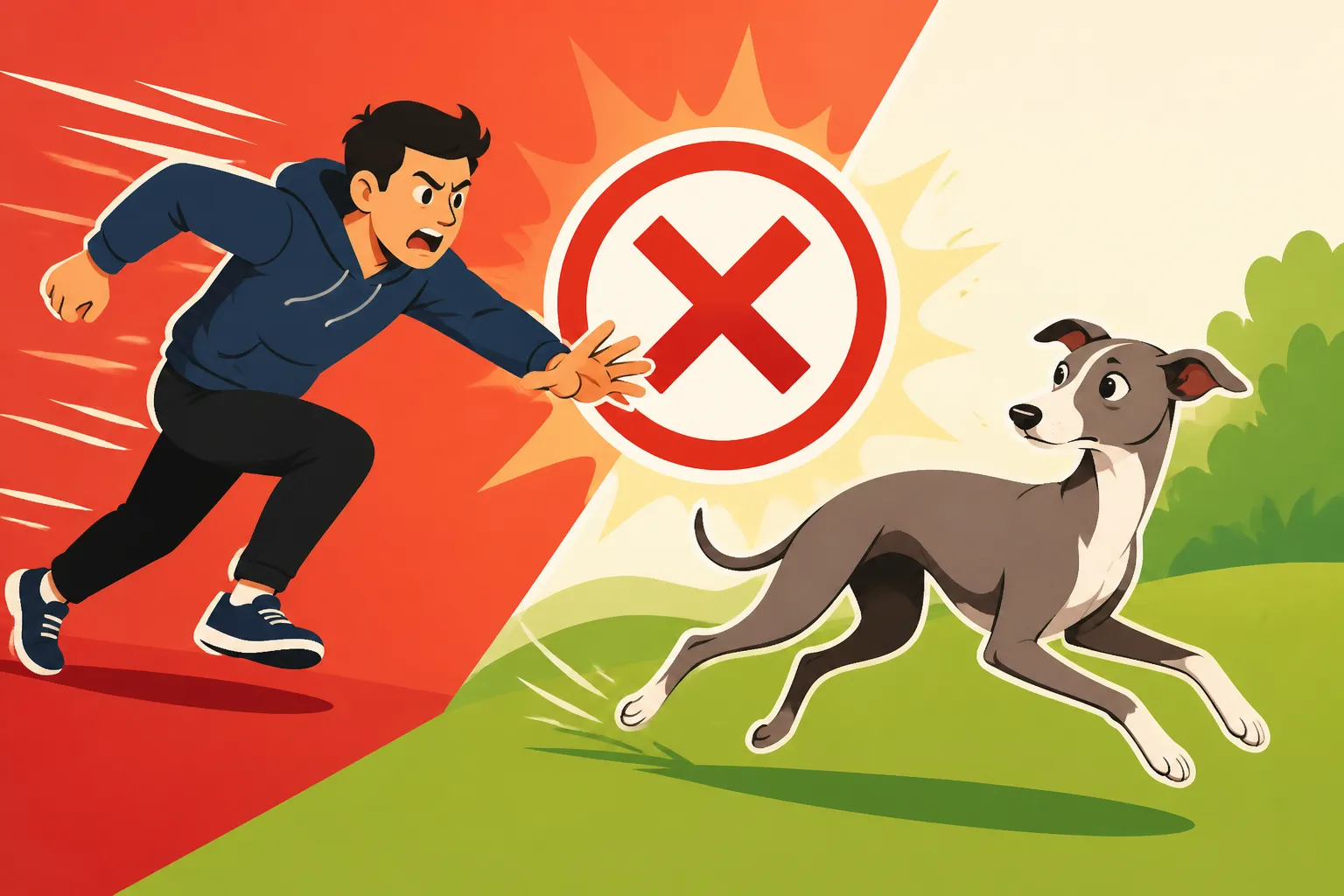
When you chase an Italian Greyhound, especially if you're yelling or running directly behind them, they don't typically interpret it as you trying to help them or bring them back to safety. Instead, for many IGs, it triggers their innate chase instinct even further, turning the terrifying situation into a thrilling game. They might think, "Oh, a game! My human is joining in!" This is particularly true if your dog has ever enjoyed playing chase games with you in a safe, fenced area. The faster you run, the more they feel compelled to run faster too, thinking they're just participating in a fun, high-stakes game of "catch me if you can." This is often why Why Chasing a Loose Italian Greyhound Makes It Worse is critical information for all owners. They are incredibly smart but also incredibly instinct-driven.
Increasing Fear and Anxiety
While some IGs might interpret chasing as a game, others, especially those with a shy or sensitive temperament, might see your pursuit as threatening. A loud, fast-approaching human can be scary, making them run even harder and further out of fear. They might think they're in trouble, or that you're angry, and their natural response is to flee to escape what they perceive as danger. This can lead them to run into traffic, deeper into unfamiliar territory, or hide in places that are difficult for you to access. The sheer panic they feel, combined with your panicked pursuit, creates a feedback loop that drives them further away, not closer.
Effective Strategies When Your Italian Greyhound Gets Loose
Okay, so chasing is out. What should you do when your Italian Greyhound manages to slip their leash or bolt out the door? Remaining calm and acting strategically is paramount. It’s hard, but it’s the best chance you have.
The "Drop and Flop" or Sitting Down Technique
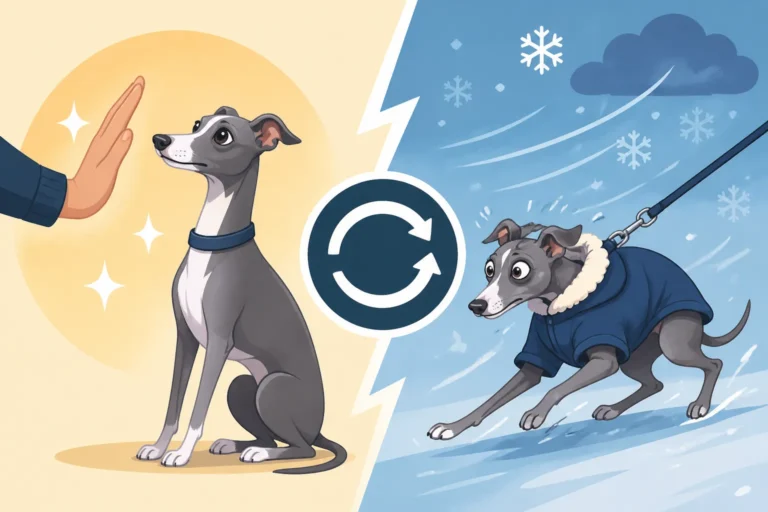
This might sound counterintuitive, but one of the most effective strategies is to stop moving. Get down low, sit on the ground, or even lie down (the "drop and flop"). This immediately changes the dynamic. You are no longer a predator pursuing prey or a playmate in a chase. Instead, you become an interesting, non-threatening, and perhaps even vulnerable object. Many Italian Greyhounds, driven by their deep connection to their people, will become curious and often circle back to investigate. If they have a strong "velcro dog" attachment, seeing you on the ground might even trigger their desire to come comfort you. You can try calling their name softly and invitingly, but often, just your changed posture is enough to pique their interest and encourage them to return.
Turning Your Back and Running Away (From Them!)
Another surprising tactic is to turn and run in the opposite direction from your dog. This can trigger their sighthound instinct to chase you. Because they are so visually stimulated, seeing you run away from them can be an irresistible invitation for them to give chase. As you run, keep glancing over your shoulder to see if they're following. If they are, continue running until they are close enough for you to safely scoop them up or re-leash them. This works especially well if your Italian Greyhound enjoys playing games of chase with you at home. Remember, the goal is to make them want to catch you. This strategy takes a lot of nerve, but it can be incredibly effective when you need to lure your dog back from potential danger.
Calling, Treats, and Favorite Toys
Once you've stopped chasing, you can try to engage their attention with familiar cues. Use a happy, excited voice to call their name, rather than a frantic or angry one. If you have high-value treats on you (and every IG owner should always carry some!), crinkle the bag or toss a treat on the ground near you. Their strong sense of smell, though not as dominant as their sight, can still be a powerful motivator. If you have a favorite squeaky toy, try squeaking it. The key is to associate coming back to you with positive things, not fear or punishment. Having a strong recall built on positive reinforcement from the start is invaluable here. Products like those from BAXTER & Bella offer online puppy training programs that emphasize positive reinforcement and building a strong foundation, which can be critical for recall in a breed like the Italian Greyhound.
Prevention is Always the Best Policy
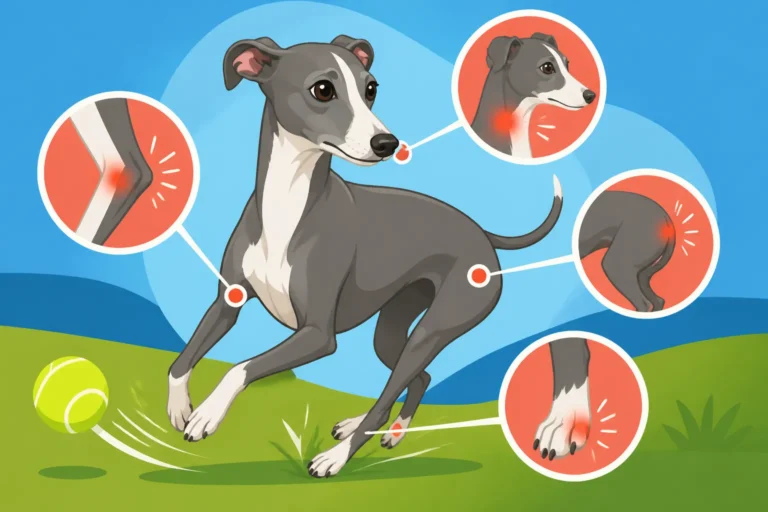
While knowing what to do when your Italian Greyhound gets loose is vital, preventing the escape in the first place is always the preferred scenario. Italian Greyhounds are masters of escape and their fragility makes every unplanned dash a potential medical emergency.
Secure Leashes and Harnesses
The most common way an Italian Greyhound gets loose is by slipping out of their collar or harness. Their narrow, S-shaped necks are notoriously difficult to fit in standard collars, and they can easily back out of many harnesses. This is why a proper Which Harness Suits an Italian Greyhound's Neck is non-negotiable. Look for a Martingale collar, which tightens safely without choking when they pull, or a properly fitted sighthound-specific harness that has a belly strap to prevent backing out. Many owners opt for a double-leash system, attaching one leash to a Martingale collar and another to a secure harness for extra safety. You can find a variety of these specialized harnesses and collars on Amazon, often with reviews from other Italian Greyhound owners.
Door Awareness and Yard Security
Italian Greyhounds are notorious door-dashers. Their speed means that if a door opens even slightly, they can be through it and halfway down the street before you've registered what's happened. Training them to Teaching an Italian Greyhound to Wait at a Door is crucial. This involves consistent practice with a "stay" command before opening any exterior door, or even using baby gates to create a buffer zone.
For yards, standard fencing often isn't enough. Italian Greyhounds can jump surprisingly high and are adept at squeezing through small gaps. How High a Fence an Italian Greyhound Needs is often higher than owners expect. Additionally, always check for gaps under gates or between fence panels. An invisible fence is generally not recommended for this breed due to their high prey drive and the potential for them to ignore the correction in pursuit of something interesting, potentially running through it and getting lost.
Consistent Recall Training
Even though their prey drive is strong, consistent, positive-reinforcement-based recall training can significantly improve your chances of getting your Italian Greyhound back if they do get loose. Practice in varied environments, gradually increasing distractions. Always make coming back to you the most rewarding experience possible with lavish praise, exciting toys, and the best treats. While you can't guarantee a 100% reliable recall for a sighthound when their prey drive kicks in, a strong foundation can make all the difference in a less distracting scenario or if they momentarily break focus from their chase. What to Do When an Italian Greyhound Gets Loose is a situation every IG owner dreads, and training is your best defense.
Microchipping and ID Tags
No matter how careful you are, accidents can happen. Ensure your Italian Greyhound is microchipped and that your contact information is up to date with the microchip registry. They should also always wear an ID tag with your current phone number. This increases the chances of a quick reunion if they are found by a kind stranger or picked up by animal control. Consider a GPS tracker, especially if you live in an area with a lot of open space or dense woods. What a GPS Tracker Costs for an Italian Greyhound is a small price to pay for the peace of mind it can offer, especially given how easily these dogs can vanish from sight.
Putting It All Together: A Summary of Do's and Don'ts
When that gut-wrenching moment arrives and your Italian Greyhound is loose, knowing what not to do is as important as knowing what to do.
| DO | DON'T |
|---|---|
| Stop immediately, remain calm. | Chase directly after them, yelling. |
| Get low (sit, crouch, "flop"). | Run toward them frantically. |
| Call in a happy, inviting voice. | Yell in an angry or panicked tone. |
| Offer high-value treats or favorite toys. | Assume they will come back on their own. |
| Turn and run away from them. | Give up quickly. |
| Be patient; they may circle back. | Allow them off-leash in unsecured areas. |
| Have up-to-date ID tags and microchip. | Rely on standard collars or ill-fitting harnesses. |
| Implement door training and yard security. | Underestimate their speed and prey drive. |
Understanding the unique behavioral nuances of your Italian Greyhound is key to keeping them safe. Their ancient instincts are powerful, but with the right knowledge and preventative measures, you can minimize the risk of a terrifying escape and ensure your delicate sighthound remains safely by your side.
Disclaimer
This article is for general informational purposes only and does not constitute professional advice. Laws, prices and regulations vary by location and change over time. Consult a qualified professional for guidance on your specific situation.