How Often a Loose Italian Greyhound Comes Back
That moment of absolute panic when you realize the gate was left ajar, or the leash slipped, and your Italian Greyhound is a blur disappearing into the distance – it’s a terrifying scenario every IG owner dreads. You’re left with a sinking feeling, wondering if they’ll ever come back, or if their instincts will take over completely. This guide isn't here to sugarcoat the risks, but to equip you with a realistic understanding of why Italian Greyhounds bolt, what influences their return, and crucially, what you can do to maximize your chances of getting them back and prevent that heart-stopping moment from happening in the first place.
Understanding the Italian Greyhound's Instincts When Loose
When an Italian Greyhound gets loose, it's not like your average backyard retriever. These are sighthounds, bred for centuries to spot and chase prey, and their instincts are incredibly powerful. This isn't about being disobedient; it's about their very genetic makeup taking over.
The Sighthound Prey Drive
Imagine being wired to run, to hunt, to fixate on anything that moves. That’s your Italian Greyhound’s default setting when something triggers their prey drive. A squirrel darting across the street, a rabbit bolting from a bush, even a blowing leaf in the wind – these aren’t just distractions; they’re irresistible calls to action. Their eyes are incredibly acute for detecting movement, and once they lock onto something, the world around them ceases to exist. It's a primal switch that flips, and every fiber of their being screams "chase!"
This intense focus means that your frantic calls, whistles, or shouts become nothing more than background noise. They literally become oblivious to your presence, absorbed entirely by the pursuit. This isn't personal; it's instinct. Understanding this helps you react appropriately and, more importantly, put measures in place to prevent them from ever being in a situation where this instinct can take over unsafely. It’s why you’ll often hear the mantra: Why an Italian Greyhound Cannot Be Trusted Off Leash, Ever.
The "Deaf" Phenomenon
Many Italian Greyhound owners jokingly refer to their dogs as selectively deaf, and when they're off-leash and in pursuit, this "deafness" becomes terrifyingly real. It’s not that they can't hear you; it’s that their brain prioritizes the visual stimulus and the thrill of the chase above all else. Their recall, no matter how well-practiced in a quiet park, often evaporates completely when their sighthound instincts kick in.
This phenomenon is why relying solely on verbal commands in an uncontrolled environment is a gamble you simply cannot afford to take with an Italian Greyhound. Even a perfectly trained IG can succumb to this overwhelming drive. It's a heartbreaking reality for many owners who invest so much time and effort into training, only to see it vanish in a puff of dust as their dog disappears after a flicker of movement. The sheer speed they can achieve in an instant makes it impossible to intervene once they've committed to a chase.
Speed and Distance
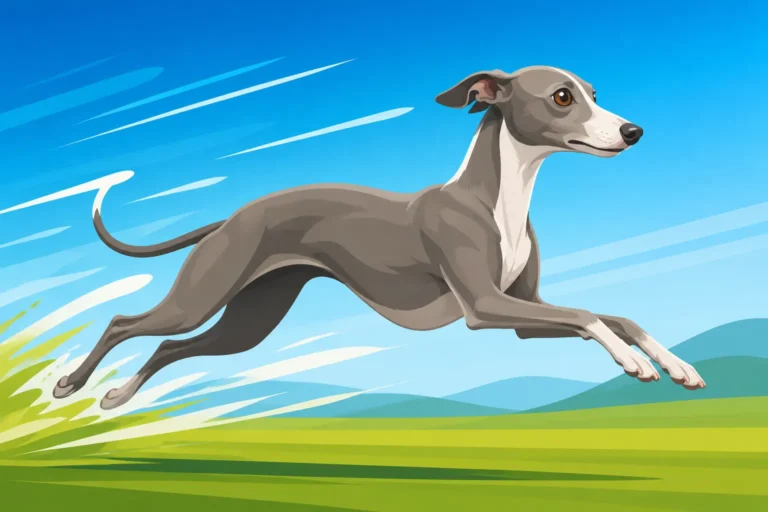
Italian Greyhounds are built for speed, pure and simple. They may be small, but they can accelerate to surprising velocities in mere seconds. A short dash across a park can quickly turn into a quarter-mile sprint down a busy street before you can even react. Their lithe, athletic bodies are designed for bursts of speed, allowing them to cover incredible distances in a very short amount of time.
This speed means that once they're out of your immediate reach, catching them becomes virtually impossible on foot. They're not going to stop and wait for you to catch up; they're driven by their target. This rapid disappearance vastly complicates any recovery efforts, pushing them further into unfamiliar territory and increasing the dangers they face. Knowing What Speed an Italian Greyhound Reaches is crucial to understanding the gravity of an escape.
Factors Influencing an Italian Greyhound's Return
While their instincts are powerful, several factors can influence whether a loose Italian Greyhound eventually makes their way back or is recovered. It's rarely a clear-cut situation, and every escape is a unique, terrifying ordeal.
Environment and Familiarity
The surroundings where your Italian Greyhound gets loose play a massive role in their chances of returning. If they escape in their own yard or a familiar neighborhood, there's a slightly higher chance they might eventually circle back, especially if they're disoriented or the initial chase loses its appeal. Familiar smells and landmarks might eventually draw them home.
However, if they get loose in an unfamiliar area – say, on a road trip, at a new park, or in a bustling city environment – their chances of finding their way back are drastically reduced. The overwhelming sensory input, coupled with a lack of familiar cues, can lead to severe disorientation and panic, pushing them further away rather than towards safety. They may run until exhaustion or until a perceived threat causes them to hide.
Training and Reinforcement
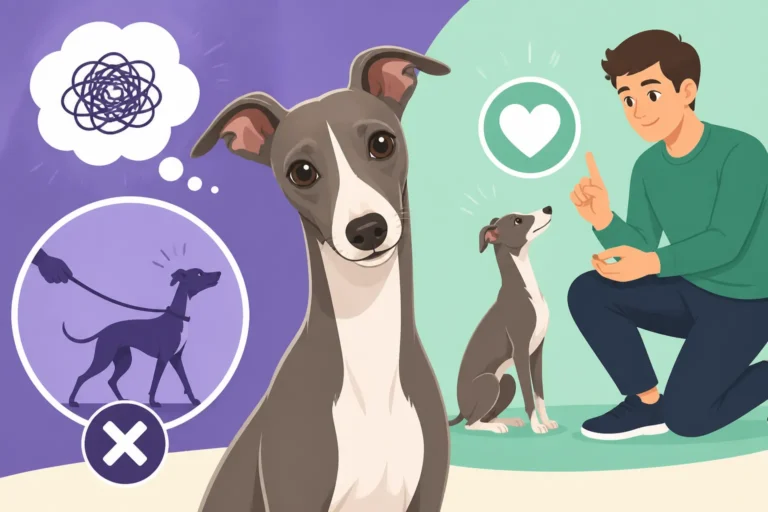
Even with the strongest prey drive, consistent, positive reinforcement training can make a difference. While an Italian Greyhound's recall is notoriously difficult to perfect, an emergency recall command, practiced diligently and with incredibly high-value rewards, might break through their focus in a dire situation. This isn't about calling them off a rabbit they're actively chasing, but rather having a rock-solid "come" that they associate with the absolute best things in life.
However, it's critical to understand the limitations. Training often works best when the dog is not in full sighthound flight mode. A strong bond and a history of positive interactions where coming to you means great things can sometimes override that instinct for a split second, especially if they're not fully committed to a chase. Resources like BAXTER & Bella's online training courses often emphasize building this kind of bomb-proof relationship and emergency recall, but even they would caution against off-leash trust with an IG in an uncontrolled environment. The truth about How Reliably an Italian Greyhound Comes When Called is often a humbling lesson for new owners.
Personality and Bond
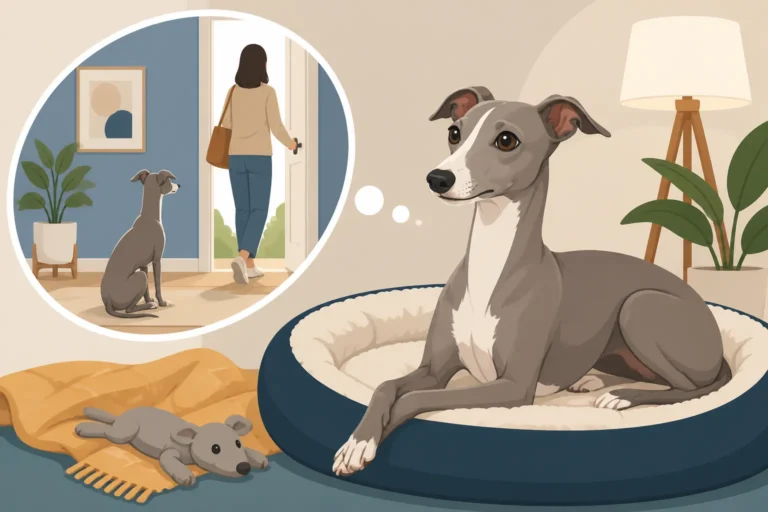
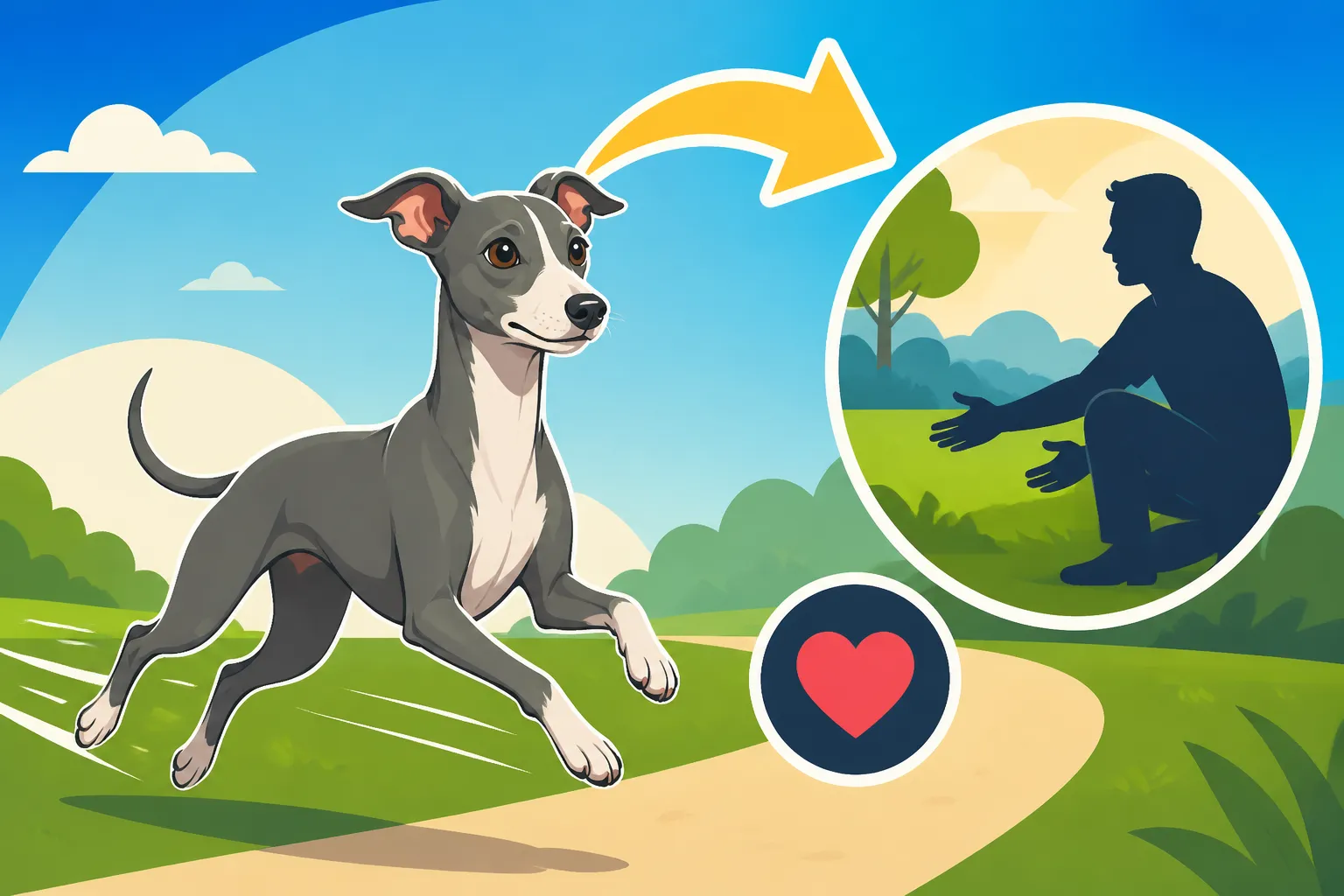
Every Italian Greyhound is an individual. Some are more attached to their humans, often called "Velcro dogs," and might experience more anxiety when separated, which could motivate them to seek you out. Others are more independent or easily spooked, making them more likely to run farther and hide. A dog with a strong, loving bond with their owner might, in a moment of fear or disorientation, prioritize finding their human over continuing a chase once the initial adrenaline wears off.
Consider your dog's typical behavior: Are they prone to being easily startled? Do they typically stay close to you even off-leash in a safe, enclosed area? Do they have a high tolerance for new environments, or do they become overwhelmed? These personality traits, combined with the strength of your bond, can subtly influence their decision-making process when faced with the terrifying reality of being lost. A fearful dog might hide, making them harder to find, while a dog with a strong attachment might try to retrace their steps.
Strategies to Maximize the Chances of Return (and Prevent Escapes)
The best strategy, without a doubt, is prevention. But in the awful event that your Italian Greyhound does get loose, knowing what to do immediately can dramatically impact the outcome.
Immediate Actions When Your IG is Loose
When your Italian Greyhound bolts, panic is a natural reaction, but quick, calm, and strategic action is essential. Here’s what you should do:
- Do NOT Chase: This is counter-intuitive but crucial. Chasing your Italian Greyhound will likely trigger their flight instinct, making them run faster and further, believing it's part of a game or a threat. It also teaches them that you're part of the chase, making them harder to catch. This is why Why Chasing a Loose Italian Greyhound Makes It Worse is a universally accepted rule among sighthound owners.
- Call Their Name Enthusiastically (and then stop): If they are still close and haven't fully committed to a chase, a happy, high-pitched call might break their focus for a second. If they don't respond immediately, stop calling and try other methods. Don't sound angry or panicked.
- Drop to the Ground: For many IGs, dropping to your knees or lying down can pique their curiosity and make them feel safer approaching you. This makes you less of a threat and more of an interesting, vulnerable target.
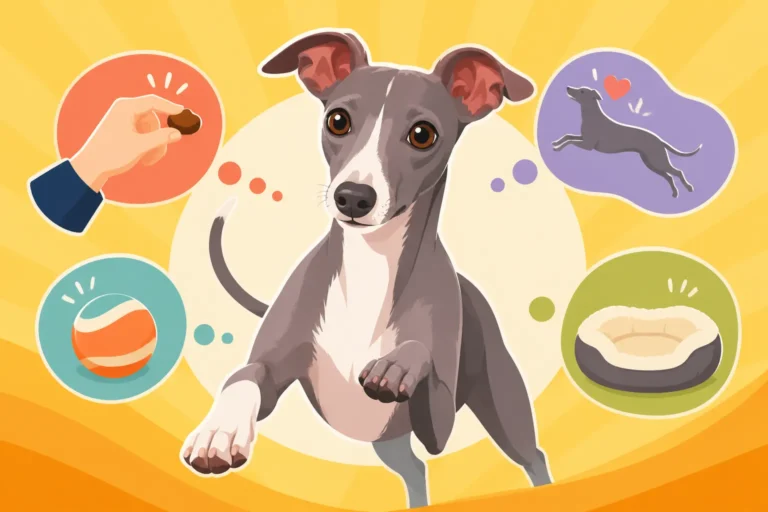
- Entice with Treats or Toys: If you have high-value treats or a favorite squeaky toy, try to get their attention by rustling the bag or squeaking the toy while moving away from them, as if you’re playing a game.
- Create a Familiar Scent Trail: If they're truly gone, leave a piece of your clothing, their bed, or a favorite toy where they were last seen. The familiar scent might draw them back to that spot.
- Call for Backup: Immediately alert trusted friends, family, or neighbors to help search. Provide a clear description and their last known direction. Post on local social media groups.
- Contact Local Shelters and Vets: File a "lost pet" report with all local animal control facilities, shelters, and veterinary clinics in the area. Provide a photo and detailed description.
Here's a quick summary of immediate actions:
| Action | Why it Works (or doesn't) |
|---|---|
| DO NOT CHASE | Triggers flight instinct, makes them run faster and further. |
| Call Happily | Might pique curiosity if not fully focused on prey. |
| Drop to Ground | Makes you seem less threatening, can engage curiosity. |
| Entice with Food/Toy | High-value rewards can sometimes override instinct. |
| Leave Scent Item | Familiar smell might draw them back to the escape point. |
| Alert Network | More eyes searching, wider coverage. |
| Contact Shelters/Vets | Official record, helps reunion if found by others. |
Preventative Measures
Prevention truly is the best medicine for Italian Greyhound owners. You simply cannot rely on luck or their good intentions. It's about creating an escape-proof environment and using the right equipment.
Firstly, a secure leash and harness are non-negotiable. Forget flat collars; Italian Greyhounds can slip out of them with alarming ease due to their small heads and long necks. A properly fitted harness, specifically designed for sighthounds or with an additional belly strap for security, is vital. Look for brands that offer secure, escape-proof options on platforms like Amazon. Remember to use a Martingale collar if you prefer a collar, but always pair it with a harness for walks. Which Harness Suits an Italian Greyhound's Neck is a frequent topic of discussion among owners.
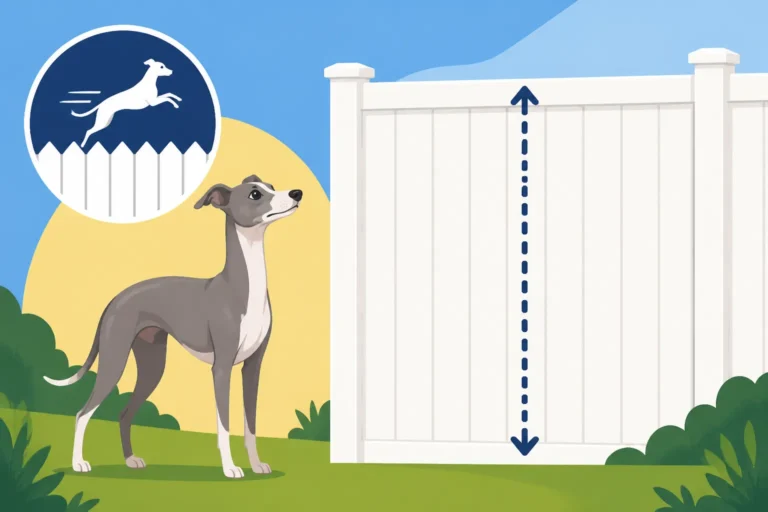
Secondly, secure your home and yard. Check fences for gaps, ensure gates are always latched, and teach every family member and guest about your dog's escape artistry. Teaching an Italian Greyhound to Wait at a Door is a critical skill. Consider double-gating entryways or using a secure crate as a 'safety zone' during times of high traffic in and out of the house. For your yard, assess How High a Fence an Italian Greyhound Needs – they are surprisingly agile climbers and jumpers. Many owners also find a GPS tracker, available from various brands, invaluable, though it should never replace proper containment. These devices, often found on Amazon, can offer peace of mind, knowing you have an extra layer of protection, which is why Why an Italian Greyhound Owner Buys a Tracker so frequently.
Long-Term Training for Emergency Recall
While no recall is 100% foolproof with a sighthound, building the strongest possible emergency recall is still a vital tool. This isn't just about practicing "come" in the backyard; it's about making coming to you the most rewarding thing ever.
Start in a distraction-free environment, using extremely high-value treats (think cooked chicken, cheese, or hot dogs) that your IG only gets for this specific command. Use a distinct, enthusiastic word or whistle for your emergency recall, different from your everyday "come." Practice frequently, but in short, positive sessions. The moment they turn towards you, even a flicker, reward heavily. Make it a party.
Gradually introduce very minor distractions, always ensuring success. Never call them if you think they won't come, as this poisons the command. Many online training platforms, including those from BAXTER & Bella, offer structured programs that can help you build this foundation, focusing on positive reinforcement and engagement. The goal isn't to trust them off-leash, but to have that one command that might save their life if an escape happens. It's a layer of defense, not the primary solution.
The Heartbreaking Reality and Why Prevention is Key
It's a tough pill to swallow, but the stark reality is that the chances of a loose Italian Greyhound coming back on their own, especially after a significant chase or in an unfamiliar area, are often slim without intervention. Their prey drive, combined with their fragile bodies and speed, makes them incredibly vulnerable.
Dangers a Loose Italian Greyhound Faces
A loose Italian Greyhound faces a multitude of immediate and life-threatening dangers. The most obvious is traffic. Their speed, coupled with their single-minded focus on prey, means they often dart into roads without hesitation. They are small, hard to see, and not adept at navigating cars. Tragically, many loose IGs are hit by vehicles.
Beyond traffic, they face risks from other animals. A small, fast-moving Italian Greyhound can appear as prey to larger, more aggressive dogs or even wildlife. They are not built for defense. Theft is also a very real concern; their distinctive appearance and often high cost make them targets. Lastly, the elements can be dangerous – they have almost no body fat and a very fine coat, making them susceptible to hypothermia in cold weather or heatstroke in hot climates. They can easily become disoriented, dehydrated, or injured in unfamiliar terrain.
Accepting the Odds: A Realistic Perspective
While we all want to believe our beloved pets will find their way home, the statistics for sighthounds, and Italian Greyhounds specifically, when loose, are sobering. Their unique combination of extreme speed, intense prey drive, and fragile physique means that every escape is a race against time and a battle against their own instincts. For many, the joy of the chase outweighs everything else, making them incredibly difficult to intercept once they've taken off.
This isn't to instill fear, but to emphasize the absolute critical importance of prevention. Your best chance of having your Italian Greyhound come back is to ensure they never get loose in the first place. Invest in secure fencing, high-quality harnesses, emergency recall training, and constant vigilance. It’s a lifelong commitment to their safety that every Italian Greyhound owner must embrace.
Disclaimer
This article is for general informational purposes only and does not constitute professional advice. Laws, prices and regulations vary by location and change over time. Consult a qualified professional for guidance on your specific situation.