How Hard an Italian Greyhound Is to Train
Ah, the Italian Greyhound! So many people fall head over heels for their sleek elegance and undeniable charm, only to wonder, often with a hint of exasperation, "Just how hard is this dog to train?" If you've ever felt like your tiny sighthound is a brilliant, opinionated, furry little enigma when it comes to learning commands or, dare I say, perfecting their potty habits, you are absolutely not alone. This guide is here to shed some light on the unique training landscape of the Italian Greyhound, validating your frustrations while offering realistic insights and actionable strategies to build a wonderful, well-adjusted life together.
Dispelling the Myth: Are Italian Greyhounds Untrainable?
It’s a common refrain among Italian Greyhound owners, often spoken with a weary chuckle: "My IG is untrainable!" This sentiment, while understandable given certain breed quirks, is actually a bit of a myth. Italian Greyhounds are far from untrainable; in fact, they are highly intelligent. The challenge isn't usually a lack of smarts, but rather a unique blend of sensitivity, independent thinking, and a profound disinterest in anything that doesn't immediately benefit them. They are not the "eager to please" golden retrievers of the world, and expecting them to be will lead to endless frustration for both you and your dog.
The Source of the "Untrainable" Label
The reputation for being difficult to train largely stems from a few key areas where Italian Greyhounds diverge significantly from many other breeds. First and foremost, their notorious housetraining challenges. This isn't usually due to a lack of understanding what's expected, but often a profound aversion to cold, wet, or inconvenient weather, coupled with tiny bladders. Housetraining an Italian Greyhound Is the Hardest Part of Owning One delves into this in more detail. Secondly, their strong sighthound instincts mean recall can be a pipe dream the moment a squirrel twitches. And finally, their delicate nature means harsh corrections are not only ineffective but deeply damaging, making traditional, coercive training methods a non-starter.
Why "Stubborn" Isn't the Right Word
You might find yourself calling your Italian Greyhound "stubborn," but that's not quite right either. They aren't trying to defy you out of malice or spite. Instead, they are highly sensitive creatures who will shut down or simply disengage if they feel pressured, confused, or unmotivated. Their intelligence allows them to quickly weigh the pros and cons of any request. "Is this worth my time? Is there a better option? What's in it for me?" These are the questions running through their tiny, sophisticated minds. If the answer isn't a resounding "yes" in their favor, they'll simply opt out. It’s not stubbornness; it's a very clear communication of their priorities, which, let's be honest, are often different from ours.
Understanding the Italian Greyhound Learning Style
To successfully train an Italian Greyhound, you first have to understand how they perceive the world and, more importantly, how they learn. These aren't dogs who thrive on repetition for repetition's sake, nor do they respond well to heavy-handed tactics. Their learning style is nuanced, requiring patience, creativity, and a deep appreciation for their independent spirit.
High Intelligence Meets Selective Hearing
Italian Greyhounds are undeniably smart. They can pick up new commands quickly, learn complex routines, and even figure out how to open cabinets or doors with surprising ingenuity. The trick is getting them to care about performing these tasks on command, every single time. Their intelligence often comes with a healthy dose of independence. They're not keen on being bossed around, and they'll quickly tune you out if the reward isn't appealing enough or if they're feeling a bit overwhelmed. Think of it less as a lack of ability and more as a sophisticated cost-benefit analysis happening in their brain.
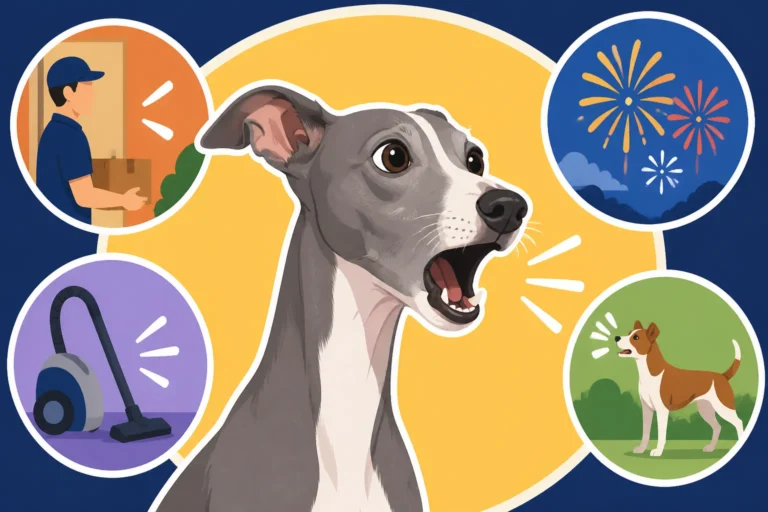
For instance, teaching "sit" can be incredibly fast because a tasty treat is usually involved. But try to get them to sit when they're utterly engrossed in watching a leaf blow across the yard, and suddenly, you might as well be speaking ancient Greek. This isn't them forgetting the command; it's them prioritizing an external stimulus over your request. Understanding this selective attention is key.
Sensitivity and Positive Reinforcement
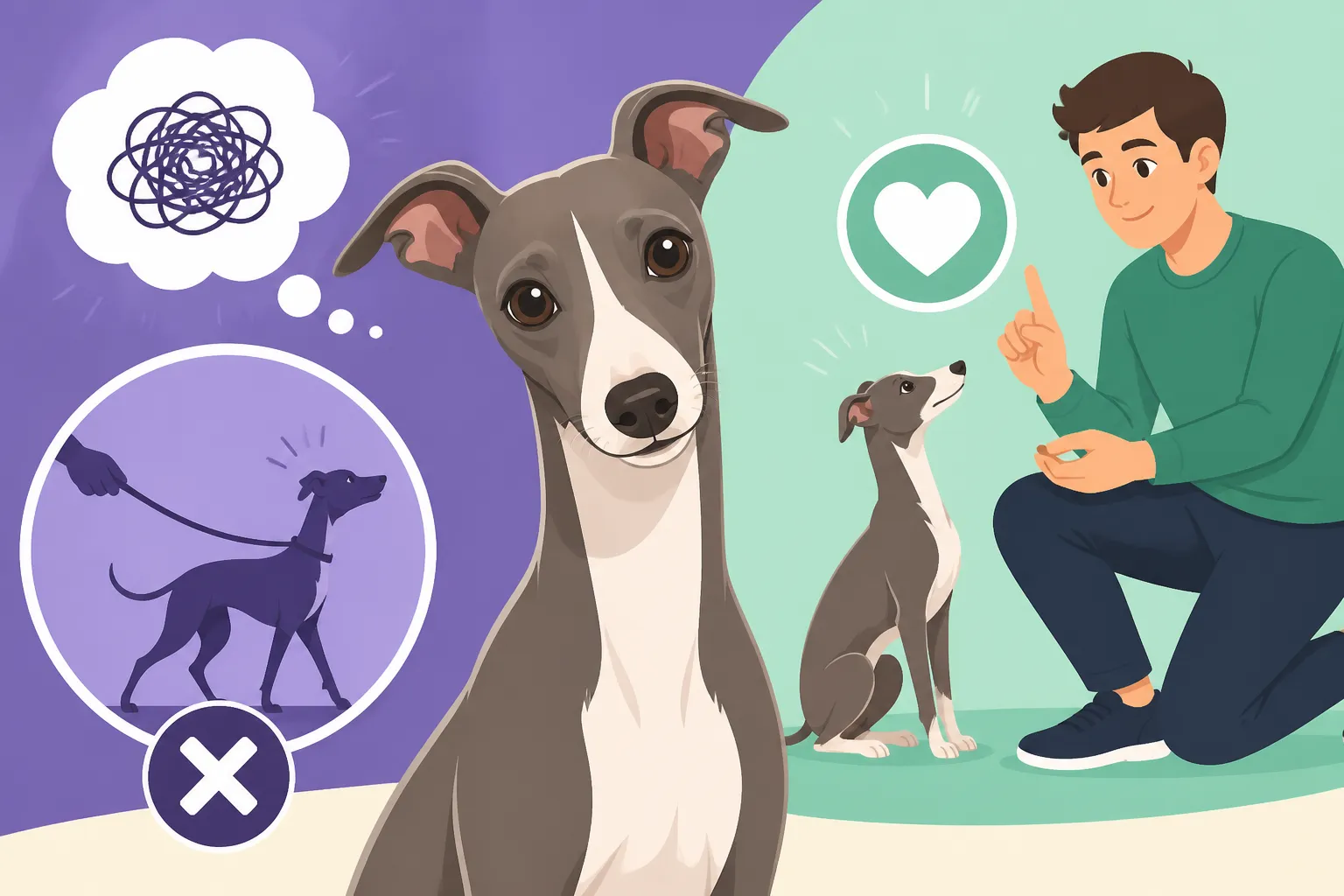
One of the most crucial aspects of Italian Greyhound training is their extreme sensitivity. They are delicate both physically and emotionally. A harsh tone, a sudden movement, or even a stern look can cause an IG to recoil, tremble, or simply walk away and refuse to engage. Yelling or using physical corrections is not only ineffective but can severely damage the trust between you and your dog. Why Raising Your Voice Sets an Italian Greyhound Back a Month elaborates on the detrimental effects of negative reinforcement with this breed.
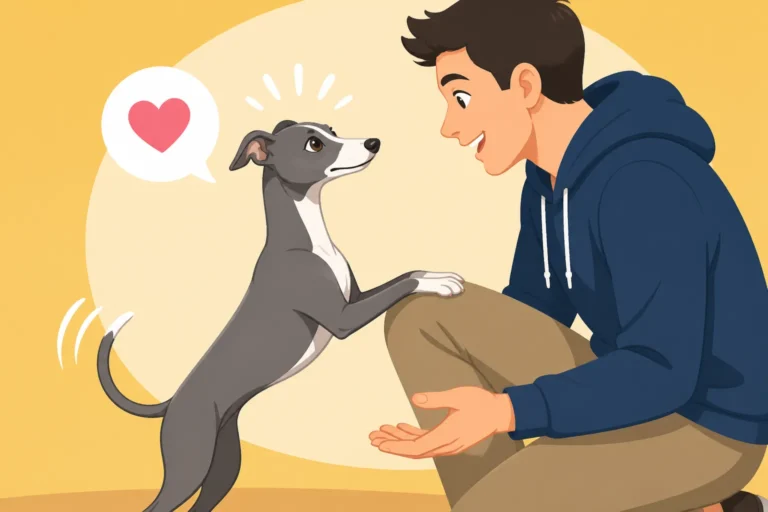
Positive reinforcement is not just a suggestion for Iggies; it's a requirement. This means rewarding desired behaviors with high-value treats, enthusiastic praise, and gentle affection. Find what truly motivates your Italian Greyhound – often, it's tiny pieces of cooked chicken, cheese, or their favorite soft treats. Keep training sessions short, fun, and upbeat. End on a positive note, even if it means asking for an easy command they reliably know and rewarding it generously. This builds confidence and makes them want to participate.
Key Training Challenges Specific to Italian Greyhounds
Every breed has its quirks, and Italian Greyhounds certainly come with a few notable training challenges that owners often grapple with. These aren't insurmountable, but they require a specific approach and a lot of understanding.
The Housetraining Saga
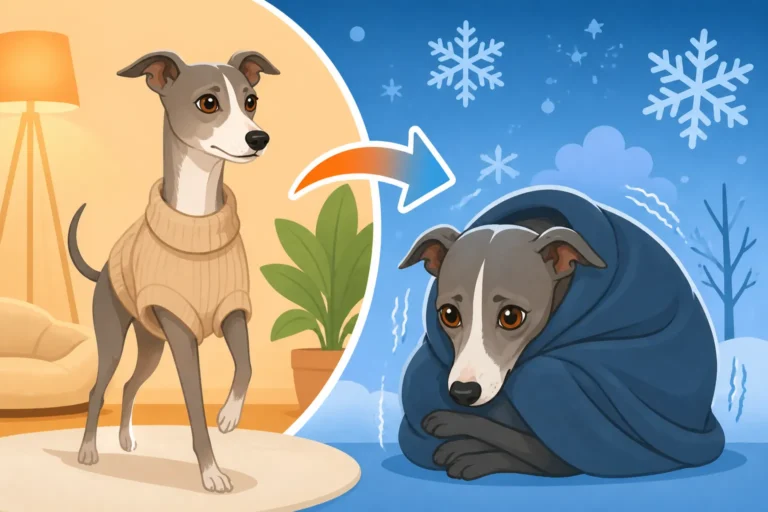
Let's just be frank: housetraining an Italian Greyhound can be an absolute marathon. It's probably the number one frustration for most IG owners. Their small bladders mean they need to go often, and their thin skin and sparse coats make them incredibly sensitive to weather. A sprinkle of rain, a gust of wind, or even a slight chill in the air can send them scurrying back indoors, preferring to relieve themselves on your favorite rug. How Long Housetraining an Italian Greyhound Takes can give you a deeper dive into this journey.
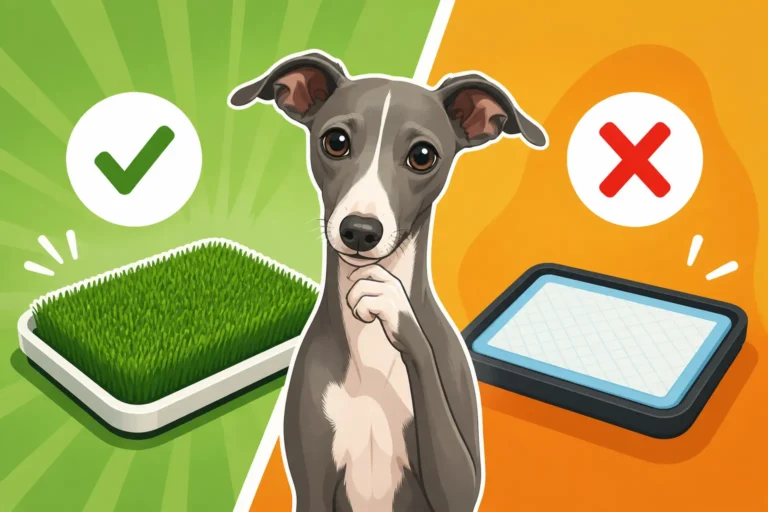
Consistency is paramount, as is creating an environment that minimizes discomfort. Consider investing in a covered potty area for the yard or even exploring indoor potty options like litter boxes or artificial grass pads, which you can find on Amazon. Some Italian Greyhounds simply never become 100% reliable outdoors, especially in colder climates, and accepting this reality can save a lot of stress. Manage their environment carefully, take them out frequently, and celebrate every success like it's a winning lottery ticket.
The Elusive Recall and Prey Drive
Italian Greyhounds are sighthounds, bred for speed and for spotting and chasing small, fast-moving objects. This means their prey drive is incredibly strong, and their recall, once they've locked onto something interesting, can vanish into thin air faster than a dropped treat. A rabbit, a squirrel, or even a blowing plastic bag can trigger an instinctive chase response that overrides all training. Why an Italian Greyhound Cannot Be Trusted Off Leash, Ever is a critical read on this topic.
Because of this intense prey drive and their exceptional speed, Italian Greyhounds should almost never be trusted off-leash outside of a securely fenced area. Even then, supervise closely. Training "come" is important for indoor safety and controlled environments, but it's a different game when the great outdoors calls. Use a secure harness that they can't slip out of, like many well-fitting options available on Amazon, and a long line for any exercise in unfenced areas to give them a sense of freedom while maintaining safety. The goal here isn't perfect off-leash recall in all situations, but rather superb management and safety protocols.
Separation Anxiety and the "Velcro Dog" Phenomenon
Italian Greyhounds are often called "Velcro dogs" for a reason – they bond intensely with their people and crave constant companionship. This deep attachment, while endearing, can sometimes manifest as separation anxiety. If left alone for too long or without proper preparation, an IG can become distressed, leading to destructive behaviors, excessive barking, or inappropriate urination/defecation. The Velcro Dog: What Constant Company Means With an Italian Greyhound explores this bond.
Training for independence needs to start early and be done gradually. Practice short absences, returning before your dog shows signs of stress. Create a comfortable, safe den space for them, perhaps a soft crate or a designated quiet room with a special treat or puzzle toy. Never make a big fuss when you leave or return, as this can heighten their anxiety. The goal is for them to understand that your departures are normal and that you will always come back. Some dogs benefit from calming aids or even a dog sitter, like those you can find through services like Rover or by joining online groups related to local pet care.
Effective Training Strategies for Italian Greyhounds
Given their unique personality and sensitivities, Italian Greyhounds thrive with specific training methods that prioritize positive reinforcement, consistency, and making learning enjoyable. Forget everything you thought you knew about traditional dog training; with an IG, it's about building a cooperative relationship.
Positive Reinforcement and High-Value Rewards
As mentioned, positive reinforcement isn't just a method; it's the method for Italian Greyhounds. This means using rewards to reinforce behaviors you want to see repeated. For an Italian Greyhound, "high-value" often means something truly irresistible. Kibble might work for some basic cues, but for anything challenging or in a distracting environment, you'll need the good stuff. Think soft, stinky treats like bits of hot dog, cheese, cooked chicken, or commercial training treats that are soft and easy to swallow quickly.
Always reward immediately after the desired behavior. The timing is crucial; your dog needs to associate the treat directly with what they just did. Keep training sessions short, typically 5-10 minutes, especially for puppies. Multiple short sessions throughout the day are far more effective than one long, tedious one. Make it a game! This keeps your IG engaged and less likely to get bored or feel pressured. You can find excellent quality training treats and puzzle toys on Amazon to help keep things fresh and exciting.
Consistency and Predictability
Italian Greyhounds, like all dogs, thrive on routine and predictability. Consistency in your cues, expectations, and rewards will help them understand what you want. If one person allows jumping on the sofa and another corrects it, your IG will get confused and might just decide to ignore both of you. Everyone in the household needs to be on the same page regarding rules and commands.
Predictable routines also help with housetraining and managing anxiety. Regular potty breaks, meal times, and exercise schedules help your dog anticipate what's coming next, reducing stress and reinforcing good habits. This consistent structure creates a sense of security for your sensitive Italian Greyhound.
Management: Your Best Training Tool
Often, the most effective "training" for an Italian Greyhound isn't about teaching a command, but about managing their environment to prevent unwanted behaviors or keep them safe.
- Housetraining: Instead of getting frustrated by accidents, proactively take your IG out very frequently, especially after waking up, eating, and playing. Crate training can be a helpful management tool for short periods, but it's not a magic bullet for housetraining. Crating an Italian Greyhound Overnight offers more insights on this.
- Recall: Since off-leash reliability is so challenging, manage the risk. Always use a leash or a securely fenced area. If you're somewhere new, keep them on a long line.
- Counter-surfing/jumping: Instead of constantly correcting, manage the temptation. Keep counters clear, put gates up if they're climbers (and they are!), and provide appropriate alternatives for chewing. An Italian Greyhound Climbs Higher Than You Expect will show you just how agile these little dogs can be!
Think of management as setting your Italian Greyhound up for success, rather than constantly trying to correct failures.
The Value of Professional Guidance and Online Resources
Sometimes, despite your best efforts, you might encounter a training hurdle that feels insurmountable. This is where professional help can be invaluable. A certified professional dog trainer who understands sighthound temperaments can provide tailored advice and hands-on guidance. Look for trainers who use positive reinforcement methods and have experience with sensitive breeds.
Online training platforms can also be a fantastic resource. Many Italian Greyhound owners find programs like those offered by BAXTER & Bella incredibly helpful. These platforms often provide step-by-step guides, video tutorials, and even virtual support from trainers, allowing you to work at your own pace from the comfort of your home. They can be particularly useful for tackling specific issues like leash reactivity or building confidence.
Overcoming Common Hurdles with Patience and Persistence
Training an Italian Greyhound isn't always a linear path. There will be days you feel like you've made huge strides, and others where you wonder if you've taught them anything at all. The key is to approach these hurdles with unwavering patience, understanding, and a persistent, positive attitude.
Dealing with Selective Hearing (or "Muffin Brain")
You'll quickly learn that an Italian Greyhound's "selective hearing" is legendary. One minute they're perfectly executing a "stay" for a treat, the next they're ignoring you completely because a dust bunny drifted by. This isn't defiance; it's often an overwhelmed or under-motivated brain. We fondly call it "muffin brain" sometimes.
To combat this, start training in low-distraction environments and gradually introduce more complex scenarios. Increase the value of your rewards in distracting situations. If your IG seems to ignore you, it might mean the environment is too stimulating, or the reward isn't good enough. Don't repeat commands endlessly; if they don't respond after one or two tries, gently guide them into position or remove them from the distracting situation and try again later. Sometimes, a quiet reset is all that's needed. Why an Italian Greyhound Ignores a Cue It Knows offers more context here.
The Importance of Socialization
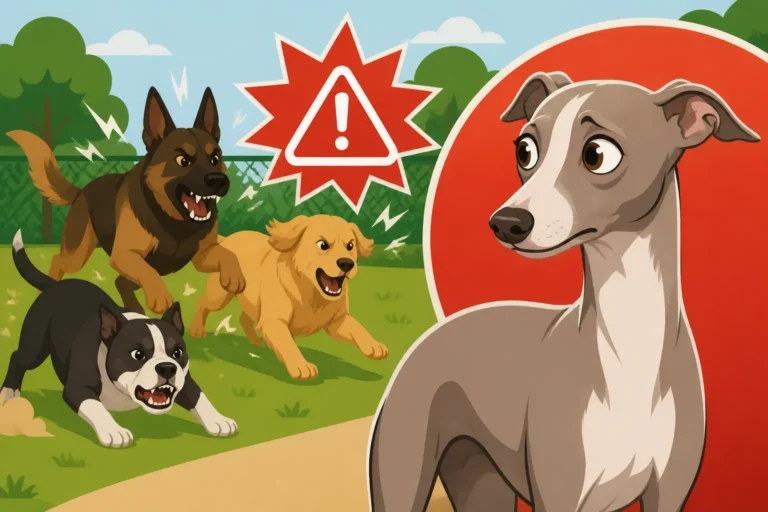
While Italian Greyhounds can be shy with strangers, proper socialization is crucial for them to develop into confident, well-adjusted companions. Exposure to various sights, sounds, people, and other calm, vaccinated dogs during their critical puppyhood can prevent fear-based behaviors later on. This doesn't mean forcing interactions but rather creating positive, controlled experiences.
A well-socialized Italian Greyhound is more likely to handle new situations without undue stress, making them more receptive to training. Puppy classes, often found at local pet stores or through reputable trainers, are an excellent way to provide safe socialization opportunities. Just ensure the classes are positive-reinforcement based and sensitive to the needs of smaller, more delicate breeds.
When Motivation Wanes: Keeping Training Fun
Even the most intelligent dogs can get bored with repetitive training. Italian Greyhounds are no exception. If your IG seems to lose interest or acts "stubborn," it's often a sign that the training isn't fun or rewarding enough for them anymore.
Table: Common Training Hurdles and Solutions
| Challenge | Italian Greyhound Behavior | Solution |
|---|---|---|
| Housetraining | Accidents indoors, refusal to go out in bad weather | Frequent potty breaks, covered outdoor area, indoor potty options (e.g., pads from Amazon), high-value rewards, crate training for short periods. |
| Recall (Outdoor) | Chasing prey, ignoring calls, bolting | Never off-leash outside fenced areas, secure harness, long line training, high-value rewards for 'check-ins'. |
| Separation Anxiety | Destructive behavior, barking, accidents when alone | Gradual departures, safe den, puzzle toys, calming aids, professional advice, pet sitters. |
| Selective Hearing | Ignoring commands in distracting environments | Start in low-distraction areas, increase reward value with distractions, keep sessions short, avoid repeating commands. |
| Shyness/Fear | Hiding from strangers, trembling, avoiding new places | Positive, gentle socialization, don't force interactions, build confidence through positive experiences. |
| Jumping/Counter-surfing | Getting onto furniture, stealing food | Environmental management (clear counters, gates), teach "off" with rewards, provide appropriate climbing alternatives (ramps). |
Vary your training locations, introduce new tricks, or incorporate games. Try "hide and seek" with treats, or teach them fun behaviors like "spin" or "bow." Agility or even "trick dog" titles can be great outlets for their intelligence and athleticism, keeping their minds sharp and engaged. The more enjoyable you make the learning process, the more enthusiastic your Italian Greyhound will be to participate. Remember, for Iggies, training isn't a chore; it's a partnership built on mutual respect and irresistible incentives.
The Payoff: A Well-Adjusted Italian Greyhound
Training an Italian Greyhound might require a different mindset and approach than you'd use for many other breeds, but the effort is incredibly rewarding. While you might not achieve perfect obedience in the traditional sense, you will foster a deep, trusting bond with your sensitive companion.
The goal isn't necessarily to have an Italian Greyhound that performs flawlessly in a crowded park (their sighthound instincts often make that unrealistic anyway). Instead, it's about having a dog who is confident, feels safe, and understands the expectations within your home. It's about clear communication, positive interactions, and managing their environment so they can thrive.
Ultimately, training an Italian Greyhound is a journey of understanding and adaptation. They will teach you as much as you teach them, often forcing you to become a more patient, creative, and empathetic dog owner. And honestly, isn't that part of the joy of sharing your life with these exquisite, unique little dogs? They are certainly worth the effort.
Disclaimer
This article is for general informational purposes only and does not constitute professional advice. Laws, prices and regulations vary by location and change over time. Consult a qualified professional for guidance on your specific situation.