How an Italian Greyhound Greets a Stranger
It’s a unique experience, isn't it? Bringing a new person into your home, or even just encountering a stranger on the street, and watching your Italian Greyhound respond. Sometimes it's a whirlwind of enthusiastic wiggles, other times it's a dramatic retreat, and sometimes, well, sometimes it's like you've introduced a ghost. Understanding these varied reactions, from the most outgoing to the most reserved, is key to helping your sensitive companion navigate the world of strangers with confidence and grace. This guide will explore the nuances of how an Italian Greyhound typically greets new people and offer practical advice to foster positive interactions for everyone involved.
The Italian Greyhound's Innate Nature with New People
Italian Greyhounds are a breed steeped in history, bred for companionship, elegance, and speed, not necessarily for robust, outgoing greetings with every person they meet. Their delicate nature and sighthound instincts play a huge role in how they perceive and interact with unfamiliar faces. It’s not simply a matter of good or bad manners; it's often deeply rooted in their breed characteristics.
Sighthound Sensitivities and Stranger Danger
Italian Greyhounds, like many sighthounds, possess a heightened sense of awareness and a natural wariness of the unknown. They were designed to scan horizons, detect movement, and react swiftly, and while those instincts mostly manifest as exhilarating zoomies in your living room, they also contribute to how they observe new people. A stranger approaching can be perceived as an anomaly in their otherwise predictable world. This isn't aggression; it's often a deep-seated caution.
Think about it from their perspective: a new human, with different smells, sounds, and body language, suddenly enters their space. For some Italian Greyhounds, especially those who haven't had extensive positive exposure, this can trigger a "flight" response. They might retreat to a safe distance, hide behind your legs, or even try to put furniture between themselves and the newcomer. This behavior isn't defiance; it's self-preservation. It's their way of saying, "I'm not sure about this, I need to assess the situation from a safe vantage point." Their sensitive hearing also means that loud voices or sudden movements can be particularly startling, causing them to flinch or shy away. This natural predisposition means that a quiet, calm introduction is always best. How Shy an Italian Greyhound Is details more about their inherent reserved nature.
The "Velcro Dog" Paradox with Outsiders
We often hear Italian Greyhounds described as "Velcro dogs" because of their intense devotion and desire to be constantly by their owner's side. They thrive on close physical contact and form incredibly strong bonds with their chosen humans. This deep attachment, however, can create a paradox when strangers enter the picture. While they adore their people, they may not extend the same immediate warmth to all people.
Their need for constant company means they might be perfectly content snuggled under a blanket with you, but when a new person arrives, that safe, familiar dynamic is temporarily disrupted. Some Iggies might see a stranger as a potential threat to their bond with you, or simply as an unwelcome interruption. This can manifest as an aloofness, where they might glance at the guest but refuse to engage, choosing instead to lean harder into you or even go hide in another room. They’re not being rude intentionally; they are simply prioritizing their comfort and their primary attachment. The Velcro Dog: What Constant Company Means With an Italian Greyhound further explores this strong bond. It’s a delicate balance to manage, making sure your dog feels secure while also allowing for polite interactions.
Common Greeting Behaviors: Shy, Excited, or Indifferent
Italian Greyhounds don't all greet strangers in the same way. Just like people, they have individual personalities, and their past experiences heavily influence whether they'll be a social butterfly, a timid wallflower, or somewhere in between. Recognizing these common behaviors is the first step to understanding and guiding your dog.
The Art of the "Ignore" or the "Bolt"
For many Italian Greyhounds, especially those who lean towards shyness, their greeting strategy often involves subtle avoidance or a quick exit. This isn't about being mean or unfriendly; it's their way of managing a potentially overwhelming situation. You might see your Italian Greyhound offer a quick sniff, often from a distance, and then retreat. They might turn their head away, avoid eye contact, or even yawn – a common calming signal in dogs that indicates they're feeling a bit stressed.
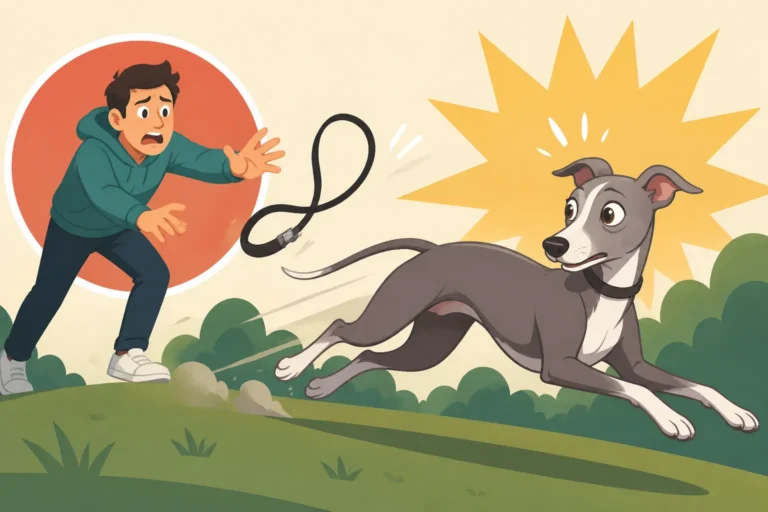
Sometimes, the reaction is more pronounced. If a stranger moves too quickly, leans in for a pet, or speaks loudly, a shy Italian Greyhound might literally bolt. They'll race to another room, jump onto a high piece of furniture, or burrow under a blanket, effectively making themselves invisible. This "flight" response is deeply ingrained in sighthounds, and for a small, delicate dog like an Italian Greyhound, it's a powerful self-defense mechanism. It's crucial for guests to understand that forcing interaction or pursuing a retreating Iggy will only reinforce their fear. Giving them space and allowing them to approach on their own terms, if they choose to, is the most respectful and effective way to build trust.
The Enthusiastic Leaper and Licker
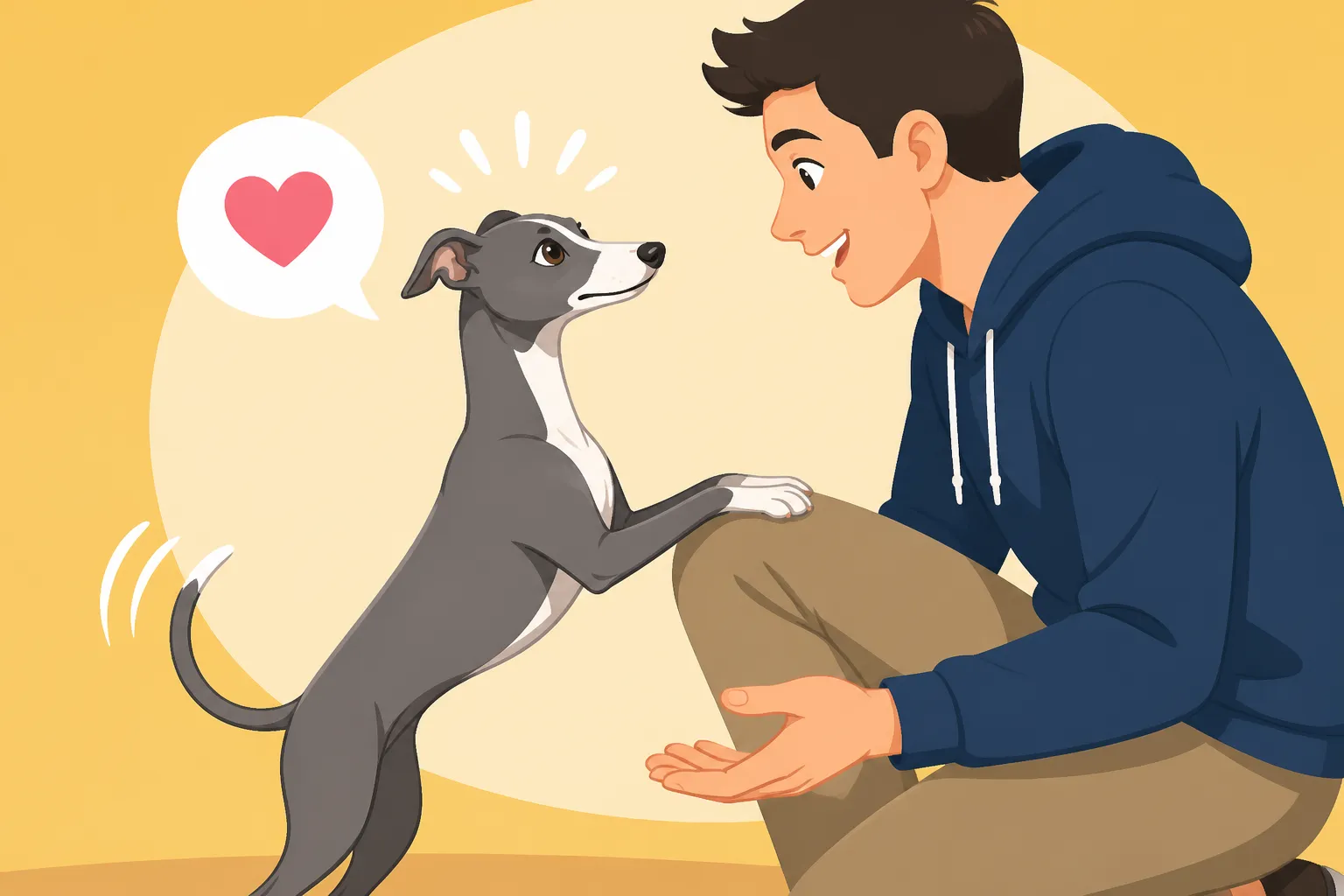
On the opposite end of the spectrum, some Italian Greyhounds can be incredibly enthusiastic greeters, sometimes to a fault. These are the Iggies who, upon hearing a knock at the door, launch into a frantic dance of excitement, often punctuated by happy yips and leaps. When the door opens, they might launch themselves at the newcomer, attempting to lick their face, jump on their legs, or even "hug" them with their front paws. While this exuberance is endearing to dog lovers, it can be startling or even annoying to others, especially if the dog is muddy, or if the guest isn't comfortable with dogs.
This type of greeting usually stems from a combination of excitement, a desire for attention, and sometimes a lack of training regarding appropriate greeting manners. They've learned that new people often mean attention, treats, or playtime, and they want to make sure they're first in line for all the good things. This behavior, while seemingly opposite to shyness, also needs management. It can be hard for Italian Greyhounds to grasp the concept of "four on the floor" when their entire being is screaming "HELLO!" Teaching an Italian Greyhound Not to Jump Down offers practical solutions for managing this enthusiastic behavior.
Vocalizations: Barks, Whines, and "Happy Groans"
Italian Greyhounds, though generally not known for excessive barking, can certainly use their voices when strangers are involved. The type of vocalization often provides clues about their emotional state.
- Alert Barks: A sharp, rapid bark, often accompanied by a stiff body and an alert gaze, usually signals an Italian Greyhound's intention to warn you of an incoming "threat" – whether that's the mail carrier or a long-lost friend. They are excellent alarm systems, and their barks are typically brief but piercing. Once they realize the person is welcomed, these barks usually subside.
- Fearful Barks/Growls: Less common but certainly possible, especially in under-socialized or traumatized Iggies, are barks or low growls that signal fear or a desire for the person to retreat. These might be accompanied by a tucked tail, flattened ears, or a crouched posture. This isn't typically aggressive in the offensive sense, but rather a defensive plea for space.
- Excitement Whines/Yips: For the more effusive Italian Greyhounds, greetings might be accompanied by high-pitched whines or joyful yips. These are often coupled with frantic tail wags, a "wiggle butt" dance, and an overall demeanor of pure delight.
- Happy Groans/Moans: One of the most charming, if sometimes perplexing, Italian Greyhound vocalizations is the "happy groan" or low moan. This isn't a growl of aggression, but rather a soft, rumbling sound of contentment or excited anticipation. It's often heard when they are being petted by a trusted human, but some highly socialized Iggies might offer these low rumbles to a friendly stranger who is giving them a gentle scratch.
Understanding these vocal cues helps you interpret your Italian Greyhound's true feelings about a new person, allowing you to respond appropriately and advocate for their comfort.
Factors Shaping an Italian Greyhound's Social Outlook
An Italian Greyhound's approach to strangers isn't random; it's a complex tapestry woven from their genetics, early life experiences, and the environment they live in. Recognizing these influences helps owners proactively shape a more confident and well-adjusted dog.
The Crucial Role of Early Socialization
The period from roughly 3 to 16 weeks of age is a critical window for puppy socialization. During this time, a puppy's brain is highly receptive to new experiences, sights, sounds, and people. Italian Greyhounds who are exposed to a wide variety of calm, positive interactions with different types of people during this phase are far more likely to grow into confident adults who greet strangers politely.
This means meeting people of different ages, genders, ethnicities, and appearances (e.g., people with hats, glasses, beards, in wheelchairs). It also means gentle handling by multiple people, not just their primary caregiver. A well-socialized Italian Greyhound puppy learns that strangers can be a source of good things – gentle pets, soft voices, and maybe even a tasty treat. Conversely, an Italian Greyhound who missed out on this crucial period, perhaps due to being kept isolated or having negative early experiences, may develop a lifelong wariness or even fear of strangers. This isn't a fault of the dog, but a consequence of their early development. Reputable breeders understand this and work hard to ensure their puppies get a strong start. The First Year With an Italian Greyhound Puppy offers further insights into this vital developmental stage.
Past Experiences and Learned Associations
Beyond early puppyhood, every interaction an Italian Greyhound has with a stranger contributes to their learned associations. A single negative experience can leave a lasting impression on a sensitive dog. For instance, if an Italian Greyhound was inadvertently stepped on by a clumsy guest, or startled by a loud child, they might generalize that fear to all new people, or at least to similar-looking individuals.
Conversely, consistently positive experiences can build a robust foundation of confidence. If every stranger brings a high-value treat, offers a gentle hand, or simply ignores the dog until it approaches, the Italian Greyhound learns that new people are not only safe but can be a source of good things. This is why it's so important for owners to control initial interactions, setting their dog up for success. Even if your Italian Greyhound wasn't perfectly socialized as a puppy, conscious effort to create positive associations with strangers can still make a significant difference. Patience and consistency are key here, especially for rescue Iggies whose pasts might be unknown. How a Rescue Italian Greyhound Learns to Trust touches on rebuilding confidence.
Environmental Influences on Greeting Etiquette
The environment in which an Italian Greyhound meets a stranger profoundly impacts their behavior. A dog that is perfectly confident greeting someone in the familiarity of their own home might become anxious or reactive when meeting the same person on a busy city street, or in a noisy park.
Factors like noise levels, the amount of space available, and even the presence of other dogs or distractions can heighten an Italian Greyhound's sensitivity. In a crowded or confined space, a naturally shy Iggy might feel trapped and more prone to retreat or even snap if cornered. An over-excited Iggy might become even more difficult to manage with too many stimulating sights and sounds. Similarly, a dog that is feeling cold, hungry, or otherwise uncomfortable will be less tolerant of new interactions. This is why managing the environment is a powerful tool. When introducing your Italian Greyhound to new people, choose a calm, quiet setting with plenty of space. Ensure your dog is comfortable, has recently been to the bathroom, and isn't overly tired or hungry. A controlled environment allows them to process the new person without being overwhelmed by external stimuli.
Practical Strategies for Positive Stranger Interactions
Whether your Italian Greyhound is a shrinking violet or an over-the-top enthusiast, there are practical, gentle strategies you can employ to foster more positive and appropriate interactions with strangers. The goal isn't necessarily to make every Iggy a social butterfly, but rather to help them feel safe, confident, and polite.
Controlled Introductions and Positive Reinforcement
The key to successful introductions is control and positive association. You want your Italian Greyhound to associate strangers with good things, not fear or chaos.
- Prep Your Guests: Before a guest arrives, briefly explain your Italian Greyhound's personality. Ask them to ignore your dog initially, especially if your Iggy is shy. No direct eye contact, no reaching out, no loud noises. For an excited Iggy, ask them to wait for the dog to calm down before offering attention.
- Use a Gate or Leash: For the initial entry, especially if your dog is prone to bolting or jumping, consider having them behind a baby gate or on a leash. This prevents impulsive behaviors and gives you more control. A good quality, comfortable harness and leash, easily found on Amazon, can be a lifesaver here.
- Treat Time! Arm your guests with small, high-value treats. As they enter, or once they are settled, have them casually drop treats on the floor near your Italian Greyhound, without looking at or directly interacting with the dog. This creates a positive association: "Stranger equals yummy food!"
- Observe and Reward: Watch your Iggy's body language. If they are calm and showing interest (even if it’s just a glance), reward them with verbal praise and maybe another dropped treat. If they approach the guest calmly, the guest can then very gently offer a treat from an open palm, avoiding direct eye contact or sudden movements.
- Short and Sweet: Keep initial introductions brief. Over-exposure can be overwhelming. It's better to have several short, positive interactions than one long, stressful one.
This gradual, positive approach helps shy Iggies feel safe enough to explore, and teaches excited Iggies that calm behavior is what earns rewards. How an Italian Greyhound Responds to Correction emphasizes the importance of positive methods over harsh ones for this sensitive breed.
Managing Over-Excitement and Leaping
An Italian Greyhound's excitement can be a lot to handle, especially if they’re jumping up on guests. Here’s how to channel that energy into more appropriate behaviors:
- Pre-Arrival Exercise: Before guests arrive, give your Italian Greyhound a good energy outlet. A brisk walk, a session of indoor fetch, or some vigorous playtime can help take the edge off their excitement. A tired Iggy is a calmer Iggy.
- "Four on the Floor" Training: This is a simple but effective technique. When your Italian Greyhound approaches a guest, if they start to jump, simply turn your back and walk away, or have your guest do the same. The moment all four paws are on the floor, turn back around and offer a treat and praise. The dog quickly learns that jumping makes the fun stop, while staying grounded makes the fun begin. Consistency is absolutely crucial here; everyone interacting with your dog must follow this rule.
- Use a Barrier: As mentioned, a baby gate or a short tether to a sturdy piece of furniture can prevent jumping while your dog learns. This allows them to observe and calm down before earning the privilege of closer interaction.
- Redirection: If your Iggy is getting overly excited, redirect their energy. Give them a favorite toy, or ask them to perform a simple command like "sit" or "down" before they approach the guest. Reward them for settling. Many online training platforms, such as BAXTER & Bella, offer structured courses on greeting manners that can be incredibly helpful for consistent training at home.
- Manage the Environment: Sometimes, the over-excitement is tied to specific triggers. If your Italian Greyhound goes wild at the sound of the doorbell, practice desensitizing them to it. Play doorbell sounds at a low volume and reward calm behavior, gradually increasing the volume over time.
Building Confidence in a Shy Italian Greyhound
Helping a shy Italian Greyhound become more comfortable with strangers is a journey that requires immense patience, understanding, and a commitment to positive experiences.
- Respect Their Space: Never force your Italian Greyhound to interact with a stranger. Allow them to approach on their own terms. If they choose to stay at a distance, that's perfectly fine. Their comfort is paramount.
- Advocate for Your Dog: Don't be afraid to tell guests, "Please ignore [Italian Greyhound's name] for now. They'll come to you if they feel comfortable." It's your job to protect your dog from well-meaning but overzealous strangers.
- "Look at That" Game: This simple game helps create positive associations. When you see a stranger in the distance, before your Iggy gets anxious, point to the person and immediately give your dog a high-value treat. Repeat this many times, gradually moving closer. The goal is for your dog to see a stranger and automatically look to you for a treat, changing their emotional response from fear to anticipation.
- Enroll in a Positive Reinforcement Class: A well-run obedience or confidence-building class can be incredibly beneficial. The structured environment, positive reinforcement, and presence of other dogs (often also working on similar issues) can help shy Iggies build confidence. Make sure the class emphasizes positive methods.
- Safe Socialization Outings: Take your Italian Greyhound to places where they can observe strangers from a safe distance without being overwhelmed. A quiet park bench, a pet-friendly cafe during off-peak hours, or a friend's calm home are good starting points. Reward them for simply being calm in the presence of others. Remember, for Iggies, a calm indoor environment where they can feel secure is essential. The Italian Greyhound That Refuses to Go Out in the Cold highlights how external factors can influence their comfort.
When Greetings Become a Concern: Identifying Problematic Behavior
Most Italian Greyhounds will fall somewhere on the spectrum of shy to excited when greeting strangers. However, there are times when their reactions can escalate beyond typical breed behavior, signaling a deeper issue that might require professional intervention. It's important to recognize these warning signs.
Signs of Fear-Based Aggression or Extreme Anxiety
While rare, a shy Italian Greyhound, when pushed beyond their comfort zone, can exhibit fear-based aggression. This isn't because they are inherently aggressive, but because they feel trapped, threatened, and have no other way to escape a perceived danger.
- Warning Signals: Before a bite, dogs typically give warning signals. These might include a stiff body, growling, snarling, a quick snap in the air, baring teeth, or lunging with no contact. A fearful Italian Greyhound might also show signs like a tucked tail, flattened ears, trembling, excessive drooling, or urination. These are desperate attempts to say, "Please stop, I'm scared!"
- Avoidance Fails: If a shy Iggy's attempts to avoid interaction (retreating, hiding, turning away) are consistently ignored or overridden by well-meaning but persistent people, they might feel that their only remaining option is to escalate their defense.
- Extreme Panic: An Iggy experiencing extreme anxiety might vocalize excessively (high-pitched yelps, frantic barks), become destructive (chewing furniture, scratching at doors if confined), or lose bladder/bowel control. This isn't just shyness; it's a state of panic.
- Over-Reactivity to Everyday Triggers: If your Italian Greyhound reacts with extreme fear or aggression to common occurrences like someone walking past the window, the doorbell ringing, or a new sound from outside, it suggests an underlying anxiety that needs addressing.
If you observe these behaviors, especially the warning signs of aggression, it's crucial to take them seriously and seek help. This isn't a behavior that will simply resolve itself with time or more exposure.
Seeking Expert Guidance for Complex Behavioral Issues
When your Italian Greyhound's greeting behaviors are consistently problematic, dangerous, or causing significant stress for both you and your dog, it's time to bring in the professionals. Trying to manage complex behavioral issues on your own can often worsen the problem or inadvertently reinforce unwanted behaviors.
- Veterinary Check-up: The first step should always be a visit to your veterinarian. Medical issues, pain, or underlying health conditions can manifest as behavioral changes. Rule out any physical causes for anxiety or reactivity before pursuing behavioral modification. How an Italian Greyhound Hides Pain is a helpful reminder that Iggies can be stoic.
- Certified Professional Dog Trainer (CPDT-KA): A good CPDT-KA can help you understand your dog's body language, identify triggers, and implement positive, force-free training techniques to modify behavior. They can also teach you how to set your dog up for success and manage situations safely. Look for trainers who specialize in fear or aggression.
- Certified Dog Behavior Consultant (CDBC) or Veterinary Behaviorist (DACVB): For more severe cases of fear-based aggression or extreme anxiety, especially if there's a risk of biting, a CDBC or DACVB is the most appropriate expert. These professionals have advanced education and experience in animal behavior and can often provide a more comprehensive treatment plan, which might include medication in conjunction with behavior modification. They can create a tailored program that addresses the root cause of the behavior, rather than just suppressing symptoms.
Remember, seeking professional help is a sign of a responsible and caring owner. These experts have the knowledge and tools to help your Italian Greyhound lead a happier, more confident life, allowing them to navigate encounters with strangers with greater ease and safety.
| Italian Greyhound Greeting Behavior | What It Might Look Like | What It Might Mean | Owner Strategy |
|---|---|---|---|
| Shy/Aloof | Retreats, hides, avoids eye contact, yawns | Fear, anxiety, need for space | Ask guests to ignore, drop treats, no forced interaction |
| Excited/Jumpy | Leaps, licks, frantic wiggles, yips | Over-stimulation, seeking attention | Pre-arrival exercise, "Four on the Floor," redirection |
| Fear-Aggressive (Warning Signs) | Growling, snarling, stiff body, air snaps | Feeling trapped, overwhelmed, defensive | Immediate space, professional behaviorist consultation |
| Vocal (Alert Bark) | Sharp, rapid bark at arrival | Warning you, acknowledging new presence | Calm reassurance, reward for quiet settlement |
| Vocal (Happy Whine/Groan) | High-pitched whine, low rumble, tail wag | Joy, anticipation, contentment | Engage calmly, reward gentle interaction |
Disclaimer
This article is for general informational purposes only and does not constitute professional advice. Laws, prices and regulations vary by location and change over time. Consult a qualified professional for guidance on your specific situation.