How a Rescue Italian Greyhound Learns to Trust
Bringing a rescue Italian Greyhound into your home is an incredibly selfless act, but it often comes with a unique set of challenges that can test the patience and resolve of even the most seasoned dog owner. Many of these delicate, sensitive dogs arrive with baggage from past experiences, making it incredibly difficult for them to form bonds and trust new people. This comprehensive guide is here to walk you through the process of earning that precious trust, understanding that it's a marathon, not a sprint, and that every small victory is a profound step forward.
Understanding the Rescue Italian Greyhound's Emotional Landscape
When an Italian Greyhound comes from a rescue situation, whether from a neglectful home, a puppy mill, or even just a well-meaning but overwhelmed family, they often carry a tapestry of past experiences that color their view of the world. It’s not about being "stubborn" or "difficult" – it's about survival instincts kicking in. They are trying to make sense of a new environment with a history that tells them humans might not always be safe or consistent.
The Weight of Past Trauma
Imagine being suddenly uprooted, or never having known true safety. Many rescue Italian Greyhounds have experienced neglect, loud noises, unpredictable handling, or even outright abuse. These experiences don't just vanish when they step through your front door. They manifest as fear, anxiety, and a deep-seated reluctance to trust. They might flinch at sudden movements, cower when you reach for them, or become highly anxious when left alone, even for a short time. This isn't personal; it's a learned response to previous trauma. You might see a dog that freezes, tries to bolt, or even nips out of sheer terror. It's crucial to remember that their reactions are born of fear, not malice.
For instance, a rescue Italian Greyhound who was frequently yelled at might instantly duck their head or slink away if you raise your voice, even if you’re not talking to them. They might associate a particular scent or sound with a past negative event, sending them into a panic you can't immediately explain. Understanding that these behaviors are symptoms of trauma is the first step in empathy and building a bridge to their wary hearts. You'll need to approach every interaction as an opportunity to rewrite their narrative, offering kindness and predictability instead of the chaos they may have known.
Manifestations of Fear and Anxiety
The way fear and anxiety show up in Italian Greyhounds can be varied and, at times, heartbreaking. Some might become "shadows," constantly underfoot but never quite allowing themselves to be fully present or touched. Others might retreat, hiding under furniture or in their crate, preferring isolation to interaction. You might notice trembling, excessive panting, tail tucked between their legs, or flattened ears. Some Iggys might even display what looks like aggression – a growl or a snap – which is almost always a fear response from a dog who feels cornered or overwhelmed.
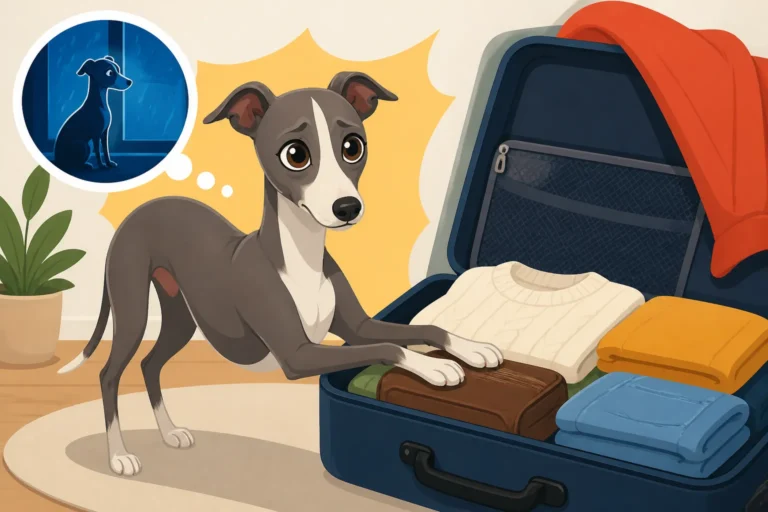
Separation anxiety is another huge hurdle for many rescue Iggys, especially given their breed's natural "velcro dog" tendencies. If they've been abandoned before, being left alone can trigger profound panic. You might come home to chewed items, potty accidents, or a dog utterly distraught. Even simple things like going for a walk can be terrifying if they haven't been properly socialized or have had negative experiences on a leash. Signs an Italian Greyhound Has Separation Anxiety can be subtle or overt, ranging from pacing and whining to destructive behavior. It’s a cry for help, a desperate attempt to cope with overwhelming fear.
Creating a Safe Haven: The Foundation of Trust
The most critical thing you can provide a rescue Italian Greyhound is a consistent, predictable, and utterly safe environment. This isn't just about physical safety; it's about emotional safety, too. Every interaction, every routine, every corner of your home should reinforce the message: "You are safe here, and I am here to protect you."
A Predictable Routine and Quiet Space
Imagine living in constant uncertainty. Now, imagine the relief of knowing exactly what to expect. A predictable daily routine is like a warm blanket for an anxious Italian Greyhound. Consistent feeding times, regular potty breaks, and scheduled quiet times help them understand the rhythm of their new life. This removes a huge layer of anxiety, allowing their nervous systems to begin to settle. Keep things calm and low-key, especially in the first few weeks or even months. Avoid loud parties, chaotic playdates, or sudden changes.
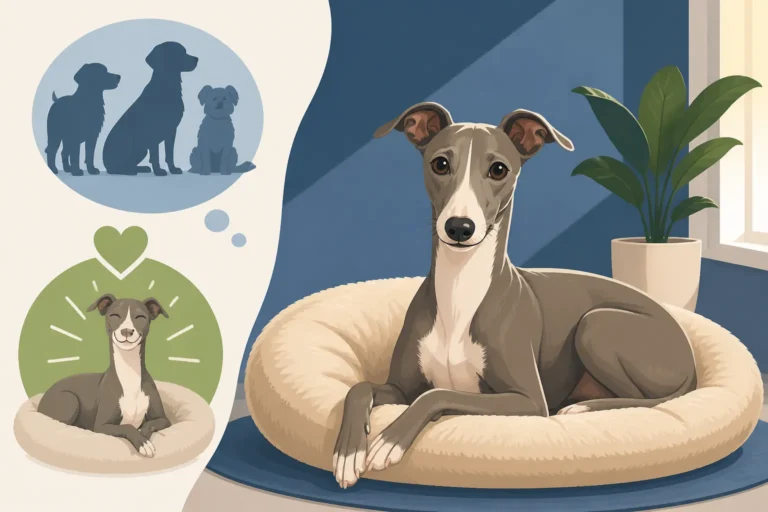
Establishing a designated "safe space" is also paramount. This could be a comfy crate with a cozy The Bedding a Thin Skinned Italian Greyhound Actually Needs in a quiet corner, or a dog bed tucked away where they won't be constantly disturbed. Provide soft blankets, like those found on Amazon, for burrowing, as Iggys love to feel secure and hidden. Never invade this space without invitation, and ensure children or other pets understand it's the dog's personal sanctuary. This gives them agency and a place to decompress when the world feels too big.
Gentle Handling and Positive Reinforcement
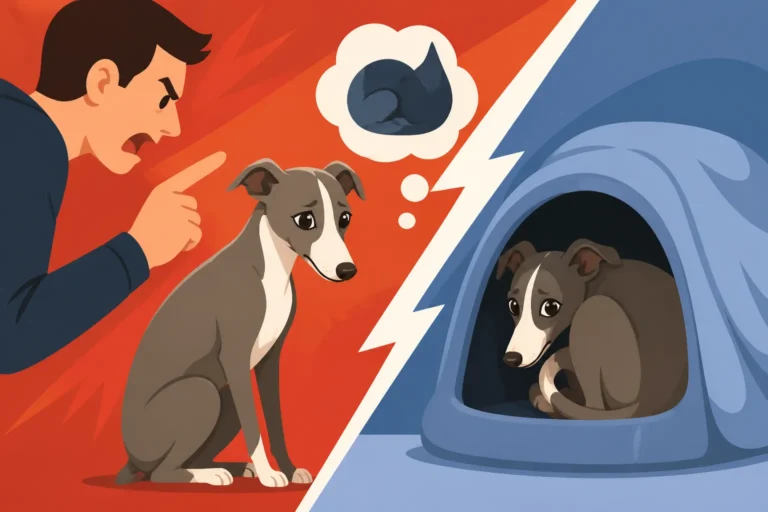
Italian Greyhounds are delicate, both physically and emotionally. Rough handling, even if accidental, can set back trust-building significantly. Always approach them slowly, speak in soft, calm tones, and avoid direct eye contact initially, as it can be perceived as a threat. When you need to touch them, start with gentle strokes on their chest or shoulder rather than reaching over their head. Let them come to you. If they lean into your touch, that’s a huge win. If they flinch, back off immediately and give them space. Remember, What a Raised Voice Does to an Italian Greyhound is often to shut them down or make them hide.
Positive reinforcement is your most powerful tool. Every time your rescue Italian Greyhound offers a desired behavior – whether it's looking at you calmly, taking a treat from your hand, or even just existing peacefully in the same room – reward it. Use high-value treats and soft praise. The BAXTER & Bella online training program, for example, heavily emphasizes positive reinforcement methods, which are ideal for sensitive breeds like Italian Greyhounds. They teach you how to make every interaction a positive experience, building confidence without force or fear. This consistent positive feedback helps them associate you with good things, slowly chipping away at their fear.
Building Positive Associations: Patience and Consistency
Once you've established a foundation of safety and predictability, the next phase is actively building positive associations with you, other people, and the world around them. This requires immense patience, consistency, and a willingness to meet your Italian Greyhound exactly where they are.
Gradual Exposure and Desensitization
Many rescue Italian Greyhounds are fearful of new experiences, people, and places. The key is gradual, controlled exposure coupled with positive reinforcement. Don't throw them into a busy dog park or a crowded street festival on day one. Start small:
- New People: Have a friend sit quietly in a separate room, ignoring your Italian Greyhound, while you offer treats and praise. Let your Ig approach on their own terms.
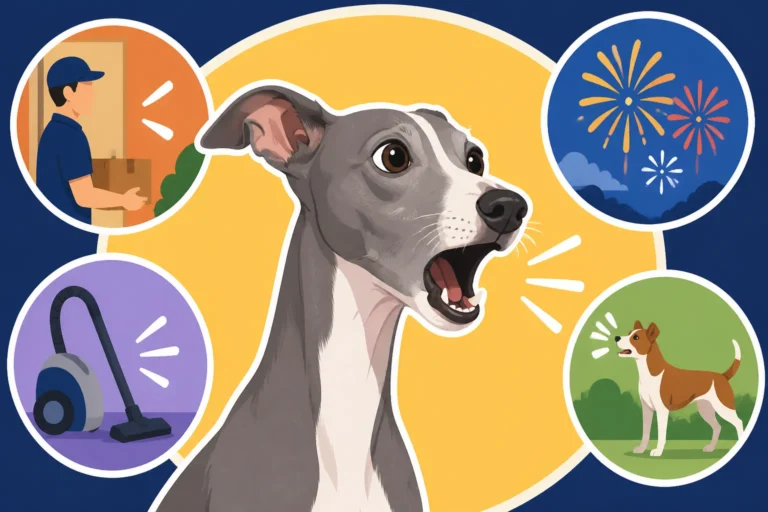
- Sounds: If they are afraid of the vacuum cleaner, start by turning it on in another room at a very low setting, offering treats. Slowly increase proximity and volume over days or weeks.
- Walks: Begin with short walks around your yard or a very quiet street. Use a comfortable harness, like one designed for sighthounds that won't allow them to slip out easily. Which Harness Suits an Italian Greyhound's Neck will make a huge difference in their comfort and your peace of mind. Celebrate every step with praise and treats. How an Italian Greyhound Adjusts to a New Home often involves slowly expanding their world.
The goal is to show them that these once-scary things are actually fine, and in fact, lead to good outcomes (treats, praise, safety). Never force them into a situation they are clearly uncomfortable with, as this can undo weeks of progress.
Structured Training and Play
Even a fearful Italian Greyhound can benefit immensely from short, positive training sessions. It builds confidence, provides mental stimulation, and strengthens your bond. Focus on basic cues like "sit," "stay" (even for a few seconds), and "come." Keep sessions brief (5-10 minutes max), fun, and always end on a positive note. Again, high-value treats are your friend! Which Rewards an Italian Greyhound Works For can vary, but many are highly food motivated.
Play, too, can be a powerful trust-builder. Offer soft toys, like plush squeaky toys or puzzle feeders, that they can interact with safely. Some Italian Greyhounds enjoy a gentle game of fetch in a secure, enclosed space. Observing What an Italian Greyhound Does All Day can give you clues about their interests. Just be mindful of their delicate build; avoid roughhousing that could lead to injury. Remember Where an Italian Greyhound Gets Hurt Playing most often involves high jumps or collisions. Interactive play helps them see you as a source of joy and engagement, not just food and safety.
Building a Strong Bond
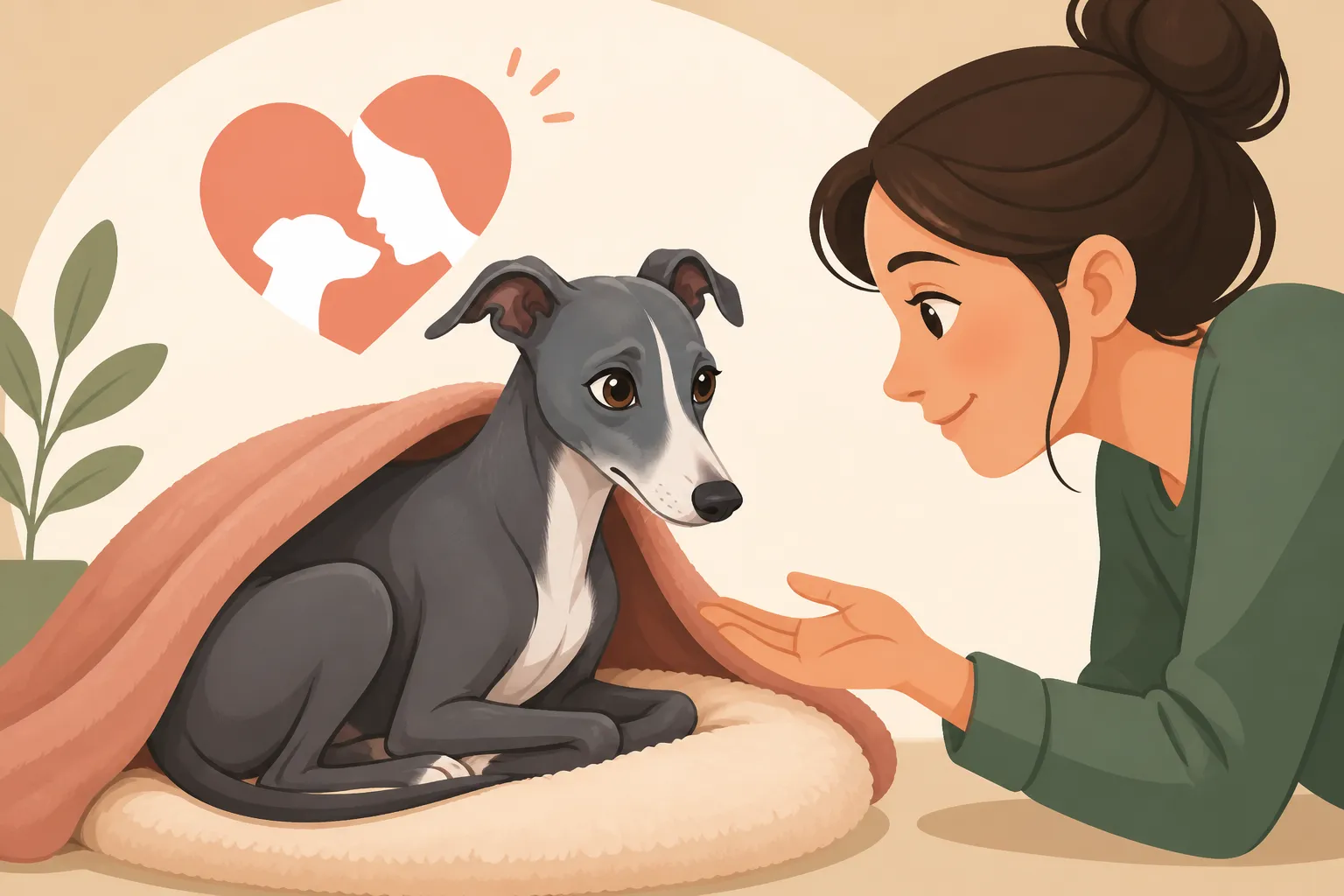
Ultimately, trust blossoms from a strong, loving bond. This bond is forged through countless small, positive interactions. Spend quality time with your Italian Greyhound, even if it's just sitting quietly together. Why an Italian Greyhound Follows You Room to Room is often a sign of their desire for companionship, even if they're not ready for direct interaction. Offer gentle grooming, like soft brushing, as a soothing experience. Share quiet moments on the sofa, with them nestled under a blanket. These calm, consistent moments communicate your unwavering presence and affection.
| Trust-Building Tactic | Description | Why it Helps |
|---|---|---|
| Predictable Routine | Consistent feeding, potty breaks, quiet times. | Reduces anxiety from uncertainty, creates a sense of control. |
| Safe Space | Crate or bed in a quiet corner, with blankets and privacy. | Provides a secure retreat where they can decompress without feeling vulnerable. |
| Gentle Handling | Slow movements, soft voice, approach from the side, allow them to initiate touch. | Prevents fear reactions, builds association of hands with comfort, not threat. |
| Positive Reinforcement | Reward desired behaviors with high-value treats and calm praise. | Creates positive associations with you and new experiences, encourages confidence. |
| Gradual Exposure | Introduce new sights, sounds, people, and places slowly, in a controlled manner. | Allows them to adapt without being overwhelmed, learning that new things are safe. |
| Quiet Companionship | Sit calmly nearby, gentle petting, soft speaking, shared peaceful moments. | Reinforces your consistent, calm presence, strengthening the emotional bond without pressure. |
Navigating Setbacks and Celebrating Progress
The journey of building trust with a rescue Italian Greyhound is rarely linear. There will be good days and challenging days, and it's essential to approach both with patience and realistic expectations.
Understanding Setbacks
Just when you think you've turned a corner, your Italian Greyhound might suddenly regress. A new person visits, a loud noise outside spooks them, or a trip to the vet brings back old fears. This is normal. Setbacks are part of the process, and they don't mean you've failed. It simply means your Ig is still learning to cope, and their old coping mechanisms sometimes resurface under stress. For instance, a perfectly housetrained rescue might suddenly have an accident indoors if something has deeply unsettled them; this isn't defiance, but anxiety. Cleaning Up After an Italian Greyhound Accident needs to be done calmly, without punishment, to avoid increasing their fear.
When a setback occurs, take a deep breath. Revert to earlier, simpler steps. Double down on their routine and safe space. Increase the positive reinforcement for even tiny steps forward. Remember Why an Italian Greyhound Shuts Down Under Pressure – pushing them when they're scared will only make things worse. Patience, consistency, and understanding are your strongest allies during these times. It's about showing them, again and again, that you are a reliable source of safety.
The Role of Professional Guidance
Sometimes, despite your best efforts, a rescue Italian Greyhound's fear or anxiety is simply too profound to manage alone. This is where professional help can be invaluable. A certified professional dog trainer who specializes in positive reinforcement and fearful dogs can offer tailored strategies and help you interpret your dog's subtle cues. They can guide you through desensitization protocols and help you build your own confidence in handling challenging behaviors.
In some cases, especially with severe anxiety or phobias, a veterinary behaviorist might be recommended. These are veterinarians with advanced training in animal behavior, who can assess if medication might be a helpful adjunct to behavior modification. Sometimes, a short course of anxiety medication can help calm a dog enough to actually learn and respond to training, rather than being constantly overwhelmed by fear. Don't view seeking professional help as a failure; it's a responsible and loving act that gives your Italian Greyhound the best chance at a happy, trusting life.
Celebrating Every Small Victory
While the journey can be long, it’s vital to celebrate every tiny step forward. Did your Italian Greyhound take a treat from a stranger's hand? Did they come out from under the bed for a belly rub? Did they make eye contact and hold it for a moment? These aren't small things; these are monumental leaps for a dog who has known fear. Each of these moments is a testament to your dedication and their burgeoning trust.
Take photos, keep a journal, or simply pause and acknowledge these victories. They are proof that your rescue Italian Greyhound is indeed learning to trust, piece by precious piece. This journey isn't just about transforming a fearful dog; it's about building an unbreakable bond that, once earned, is one of the most rewarding experiences an Italian Greyhound owner can have.
Disclaimer
This article is for general informational purposes only and does not constitute professional advice. Laws, prices and regulations vary by location and change over time. Consult a qualified professional for guidance on your specific situation.