Signs an Italian Greyhound Has Separation Anxiety
It’s absolutely heartbreaking to realize your beloved Italian Greyhound might be suffering when you’re not around. Many of us come home to shredded pillows, unexpected potty accidents, or receive worried calls from neighbors about incessant barking, and the guilt is crushing. Separation anxiety in these sensitive, devoted little dogs is a very real, often misunderstood struggle, and knowing exactly what signs to look for is the first, most crucial step to helping them find peace and feel secure, even when you have to step out the door.
Understanding Separation Anxiety in Italian Greyhounds
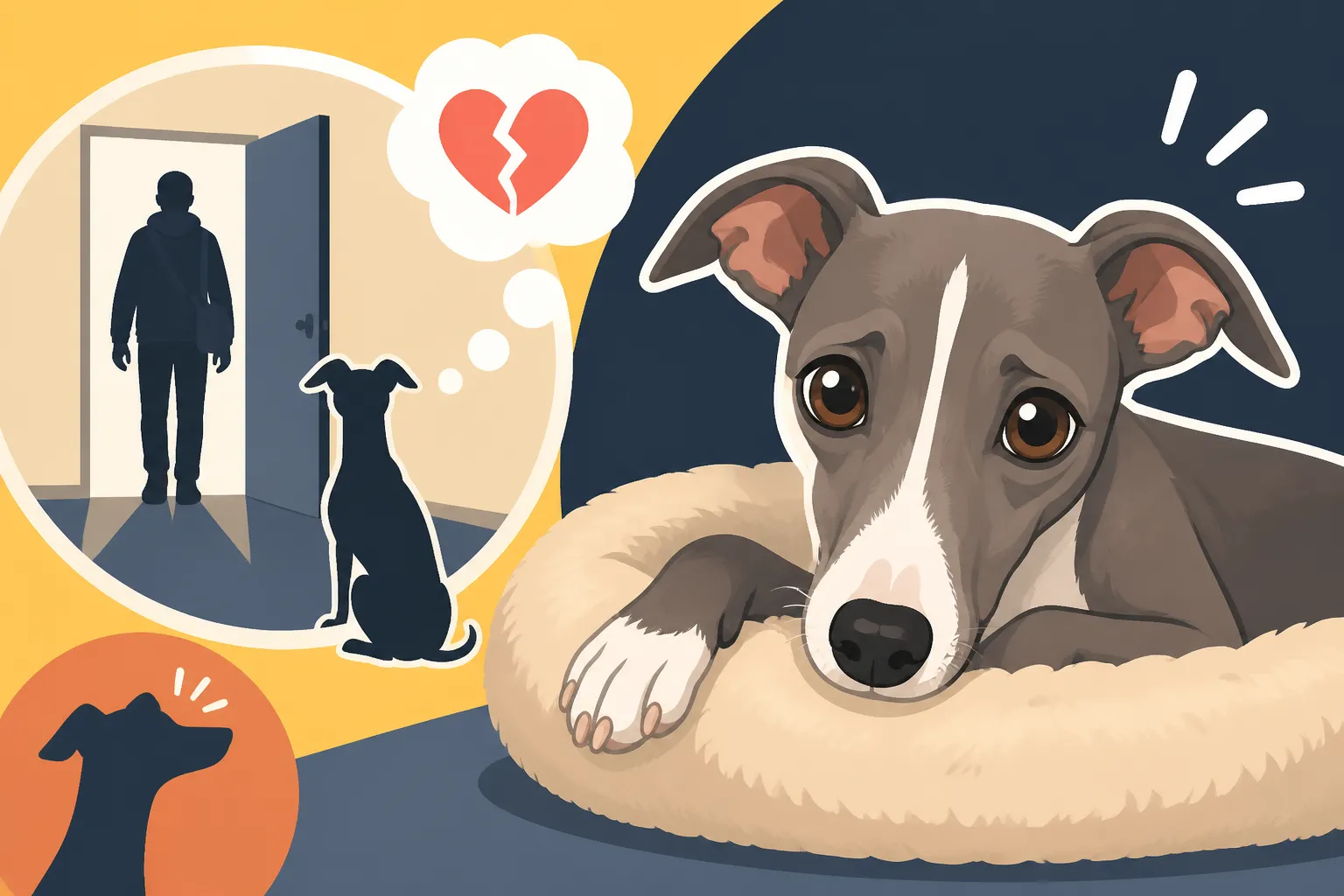
Italian Greyhounds are often described as "Velcro dogs," and there's a good reason for that moniker. They form incredibly strong bonds with their human companions, often choosing one person as their primary attachment figure. While this devotion is one of the most endearing qualities of the breed, it also makes them particularly prone to separation anxiety. It's not just about missing you; it's a genuine panic attack that can kick in the moment they realize they're alone.
What is Separation Anxiety, Really?
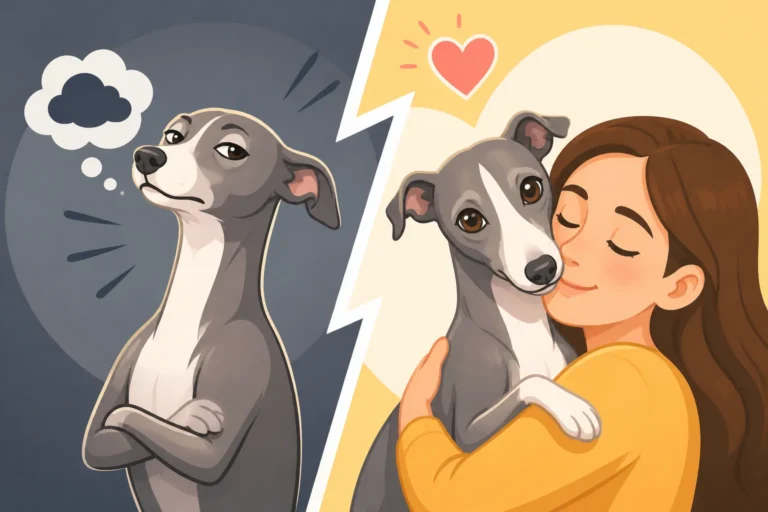
Separation anxiety isn't simply a dog acting out because they're mad you left them. It's a genuine panic disorder rooted in their attachment to you and their fear of being abandoned. Imagine having a full-blown panic attack every time your best friend walks out the door, and you have no idea when they're coming back. That's essentially what an Italian Greyhound with true separation anxiety experiences. It’s a profound distress response, not a disciplinary issue, and requires a compassionate approach, not punishment. Their world centers around you, and when that center is suddenly gone, they feel vulnerable and utterly alone.
Why Italian Greyhounds Are Particularly Prone
Their history and inherent temperament contribute significantly to their predisposition. Italian Greyhounds were bred for centuries as companion animals, lap warmers, and loyal shadows to nobility. They weren't typically working dogs left alone in kennels or fields; their role was to be with their people. This genetic predisposition for constant companionship, combined with their naturally delicate and sensitive nature, makes them exceptionally vulnerable to anxiety when separated. Their fine bones, thin skin, and slight build also mean they are physically vulnerable, which can heighten their feeling of insecurity when left alone. Many Italian Greyhound owners attest to how their Iggies will follow them from room to room, even to the bathroom, wanting to always be in physical contact. This intense need for proximity, while charming, can easily tip into anxiety when that proximity is removed. The Velcro Dog: What Constant Company Means With an Italian Greyhound describes this phenomenon beautifully.
Distinguishing Anxiety from Simple Boredom
It's easy to mistake destructive chewing or a potty accident for simple misbehavior or boredom, especially if you're feeling frustrated. However, there are key differences. A bored Italian Greyhound might chew on a shoe because it's available and interesting, or perhaps bark once or twice at a squirrel outside. An anxious Italian Greyhound, however, will often exhibit a cluster of symptoms, specifically triggered by your departure and continuing until your return, indicating true distress. The behavior is typically more frantic, persistent, and often self-destructive or damaging to property that isn't typically "chewable." It's less about finding something to do and more about an uncontrollable urge to escape or reunite. Understanding How Long an Italian Greyhound Copes Alone can also help set realistic expectations.
Common Behavioral Signs of Separation Anxiety
When an Italian Greyhound is struggling with separation anxiety, their distress often manifests in observable behaviors that can be quite alarming for owners to witness or discover upon their return. These aren't just minor quirks; they are desperate cries for help.
Destructive Chewing and Escaping
One of the most immediate and damaging signs of separation anxiety is destructive chewing, particularly around exit points like doors and windows, or items imbued with your scent, like your favorite slippers or the sofa cushion where you both snuggle. An Italian Greyhound in a panic might chew through doorframes, window sills, or even dig at carpets. This isn't out of spite; it's an attempt to escape their confinement and find you. They might scratch frantically at doors, tear up blinds or curtains, or attempt to squeeze through surprisingly small openings. You might return to see signs of extreme effort: gnawed furniture, claw marks on the door, or even damage to walls. This isn't just "being naughty"; it's a frantic effort born of panic. What an Anxious Italian Greyhound Does to a Door dives deeper into this specific manifestation of distress.
Inappropriate Urination and Defecation
Coming home to a mess on the floor can be incredibly frustrating, especially if your Italian Greyhound is otherwise reliably housetrained. However, inappropriate urination or defecation, particularly when it occurs only when the dog is left alone, is a classic sign of separation anxiety. This isn't spite or forgetting their training; it's an involuntary physical manifestation of extreme stress and fear. Just like humans under immense pressure might experience physical reactions, dogs can lose control of their bladder or bowels. If your Iggy usually has excellent potty habits, but consistently has accidents when you're gone, it's a strong indicator that anxiety, not a training lapse, is at play. This is especially true if they eliminate in unusual spots, far from their usual outdoor potty area.
Excessive Vocalization
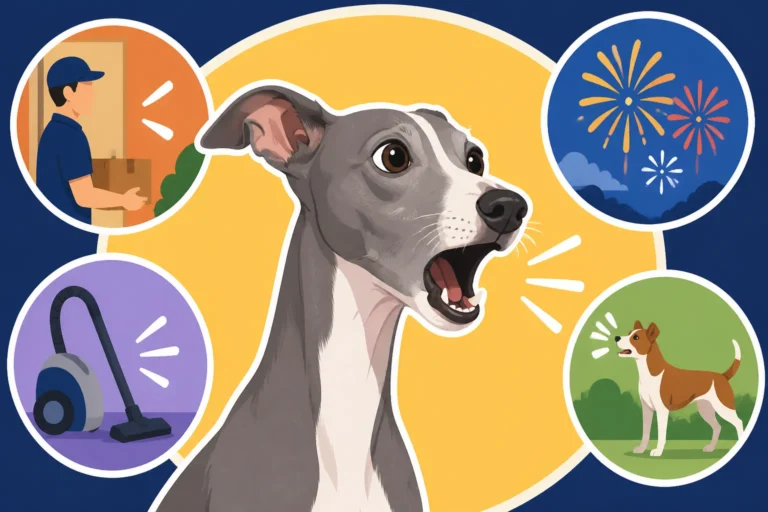
The sound of incessant barking, howling, or whining can be a clear signal that your Italian Greyhound is experiencing separation anxiety. While some dogs bark at external stimuli, an anxious Italian Greyhound's vocalizations are typically persistent, often high-pitched, and continuous for long stretches after you leave. Neighbors often become the first to alert owners to this problem. They aren't just making noise; they are calling out, trying desperately to reach you or signal their distress. Using a pet camera to observe their behavior when you're gone can provide invaluable insight here, allowing you to hear and see exactly how long and intensely they vocalize.
Pacing and Restlessness
While it might be less destructive than chewing or accidents, frantic pacing is another telling sign. An Italian Greyhound suffering from separation anxiety might pace back and forth along the same path, often near a door or window, unable to settle. They might circle restlessly, pant even when the house isn't warm, and generally appear agitated and unable to relax. This physical manifestation of their internal turmoil shows their inability to find comfort or peace in your absence. This restlessness can sometimes be difficult to observe without a camera, as it often stops shortly before your return, but it's a significant indicator of ongoing stress.
Physiological and Subtle Cues
Beyond the overt behaviors, Italian Greyhounds can exhibit more subtle, physiological signs that reveal their underlying anxiety. These might be harder to spot but are equally important in diagnosing separation distress.
Drooling, Panting, and Trembling
If you return home to find your Italian Greyhound's bed damp with drool, or if they greet you with excessive panting even on a cool day, it could be a sign of the stress they experienced while you were gone. Trembling, even in a warm indoor environment, is another physical manifestation of fear and anxiety. These are not conscious choices; they are autonomic responses to intense stress. Their delicate systems, which are already prone to shivering due to their lack of body fat, are even more susceptible to these stress-induced physical reactions. This is a common occurrence, often observed in Iggies who get anxious for other reasons, like at the vet or during thunderstorms. Why a Nine Pound Italian Greyhound Gets Cold on the Table touches on their delicate physiology, which makes them prone to these reactions.
Changes in Appetite and Water Intake
Anxious dogs often show a decrease in appetite, or even a complete refusal to eat or drink when left alone. If you leave out a puzzle toy filled with treats, only to find it untouched upon your return, it’s a strong indicator that your Italian Greyhound was too stressed to engage with food, even highly motivating treats. Conversely, some dogs might drink excessively upon your return, indicating they may have been too anxious to drink while alone, leading to thirst. Observing these patterns can give you clues about their emotional state during your absence. Leaving out water and checking its level can offer insights, especially when combined with camera footage.
Self-Grooming or Self-Harm
While less common, some Italian Greyhounds might engage in excessive self-grooming, licking, or even chewing at their paws or other body parts to self-soothe when anxious. This can lead to hot spots or skin irritations over time. In extreme cases, they might exhibit more severe self-harm, such as frantic scratching that breaks the skin. These behaviors are a desperate attempt to cope with overwhelming emotional discomfort, and they are clear signals that your dog is in profound distress and needs help.
Differentiating from Other Issues
It's crucial to correctly identify true separation anxiety, as many other behavioral problems can mimic its symptoms. A misdiagnosis can lead to ineffective, and sometimes even harmful, approaches.
Rule Out Medical Conditions First
Before jumping to behavioral conclusions, always consult your veterinarian. Issues like urinary tract infections, bladder stones, diabetes, kidney disease, or even certain medications can cause increased urination and accidents. Similarly, dental pain or other internal discomfort could lead to a refusal to eat or general restlessness. For an older Italian Greyhound, cognitive dysfunction syndrome (CDS), sometimes referred to as "doggy dementia," can lead to confusion, accidents, and changes in behavior when left alone. Caring for an Italian Greyhound Past Eleven discusses the unique needs of senior Iggies, where such conditions become more prevalent. Your vet can perform a thorough examination and necessary tests to rule out any underlying medical causes for the sudden onset of these behaviors.
Boredom and Lack of Mental Stimulation
As we touched on earlier, a bored Italian Greyhound might also engage in destructive chewing or seemingly "naughty" behaviors. However, the key difference lies in the motivation and pattern. A bored dog might chew on any accessible object, whereas an anxious dog typically targets exits or items strongly associated with you. A bored dog might enjoy a puzzle toy, but an anxious dog often won't touch it. Italian Greyhounds are intelligent and need mental stimulation. If they're not getting enough exercise or engagement, they might become restless or destructive. Providing appropriate toys, enrichment activities, and sufficient exercise before you leave can help determine if the issue is boredom or deeper anxiety. Think about interactive toys or long-lasting chews you can get from places like Amazon to keep them occupied.
Incomplete Housetraining or Marking
Sometimes, potty accidents might stem from incomplete housetraining, especially with Italian Greyhounds, who are notoriously difficult to housetrain. Housetraining an Italian Greyhound Is the Hardest Part of Owning One highlights this challenge. Male Italian Greyhounds, in particular, might also engage in indoor marking behaviors, which is different from anxiety-induced accidents. Marking is usually done on vertical surfaces, in small amounts, and is often territory-related rather than stress-related. If your dog has accidents when you're home but can't get to the door in time, or if they haven't quite grasped the concept of holding it, then it's a training issue, not anxiety. Observing the context, location, and nature of the accidents is crucial.
When to Seek Professional Help
Recognizing the signs is the first step, but knowing when to call in the cavalry is equally important. True separation anxiety is not something most owners can resolve on their own, and attempting to do so without proper guidance can sometimes exacerbate the problem.
Consulting Your Veterinarian
As mentioned, your first stop should always be your veterinarian. Beyond ruling out medical issues, your vet can discuss potential pharmaceutical interventions to help manage your Italian Greyhound's anxiety. For severe cases, anti-anxiety medication can be a game-changer, helping to calm your dog's nervous system enough to allow behavioral modification techniques to be effective. It’s not about sedating your dog; it’s about reducing the overwhelming panic so they can learn to cope. Your vet can assess the severity of the anxiety and recommend appropriate options, working in conjunction with a behavioral specialist. Why Anesthesia Is Handled Differently in an Italian Greyhound is a good read to understand the considerations your vet will take for your Iggy's delicate system.
Working with a Certified Professional Dog Trainer or Behaviorist
For genuine separation anxiety, partnering with a professional who specializes in this area is invaluable. This isn't just about teaching "sit" and "stay"; it requires a deep understanding of canine psychology and systematic desensitization techniques. A certified professional dog trainer (CPDT) or a veterinary behaviorist can help you develop a tailored plan that gradually helps your Italian Greyhound build confidence and cope with your absence. They can guide you through the process, which often involves short, controlled absences, counter-conditioning, and creating a positive association with your departure. Online resources, like those offered by BAXTER & Bella, can also provide structured guidance and support for owners struggling with these issues, often connecting you with experts who understand the nuances of canine behavior.
The Importance of a Tailored Plan
Every Italian Greyhound is an individual, and what works for one might not work for another. A professional will help you create a plan that addresses your dog's specific triggers and severity of anxiety. This might involve:
- Desensitization: Gradually increasing the time you are away, starting with mere seconds.
- Counter-conditioning: Associating your departure with something positive, like a high-value treat or a favorite puzzle toy.
- Creating a safe space: Designating a comfortable, warm area (perhaps with a heated bed, as discussed in Whether an Italian Greyhound Needs a Heated Bed) where your Iggy feels secure.
- Departure cues: Changing your routine to make your departure less predictable.
Consistency is key, and a professional can provide the ongoing support and adjustments needed for success. It's a journey, not a quick fix, and patience is a virtue here.
Initial Steps and Management Strategies
While professional help is often necessary for severe cases, there are many proactive steps you can take at home to help manage and mitigate your Italian Greyhound's anxiety. These strategies focus on creating a sense of security and making your absence less traumatic.
Establishing a Predictable Routine
Dogs thrive on routine, and Italian Greyhounds are no exception. A predictable schedule for meals, walks, playtime, and potty breaks can provide a sense of stability and control in their world. This predictability can reduce overall anxiety, making your departures less jarring. If your Iggy knows when to expect food, when they'll go out, and when you're usually home, it can help them anticipate and feel more secure. Even small things, like walking them at the same time each morning, can build a foundation of calm.
| Behavior | Potential Cause | Key Differentiator | Initial Action |
|---|---|---|---|
| Potty Accidents when Alone | Separation Anxiety | Occurs ONLY when alone, dog is otherwise reliably housetrained. | Rule out medical issues. Consult vet. |
| Incomplete Housetraining | Occurs even when owner is home or if not given timely potty breaks. | Reinforce basic housetraining. Housetraining an Italian Greyhound Is the Hardest Part of Owning One | |
| Medical Condition (UTI, etc.) | Could occur anytime, regardless of presence. | Immediate vet visit. | |
| Destructive Chewing | Separation Anxiety | Targets exit points (doors/windows), or items with owner's scent. Often frantic. | Provide mental stimulation, consider calming aids. |
| Boredom/Lack of Stimulation | Targets accessible, interesting items. May stop if given appropriate chew toys. | Increase exercise & mental enrichment. | |
| Teething (puppies) | Age-appropriate, general chewing. | Provide safe, appropriate chew toys. | |
| Excessive Vocalization | Separation Anxiety | Persistent, high-pitched barking/howling specifically after owner leaves. | Use pet camera to monitor. Consider noise machines. |
| Alarm/Alert Barking | Barking at external stimuli (mailman, other dogs passing). | Address specific triggers, positive reinforcement. | |
| Attention Seeking | Barking when owner is present to get attention. | Ignore attention-seeking barking; reward quiet. | |
| Panting/Trembling when Alone | Separation Anxiety | Physiological response to stress, no apparent heat or cold. | Monitor with camera, provide comfort. |
| Being Cold | Happens regardless of owner presence, especially in Italian Greyhounds. | Ensure warmth (sweater, blanket, heated bed). Why an Italian Greyhound Feels the Cold More | |
| Fear (thunder, fireworks) | Specific external triggers. | Address phobia directly. |
Creating a Secure and Enriched Environment
Make your Italian Greyhound's alone time as comfortable and enriching as possible. A cozy crate (if they are crate-trained) can serve as a den, provided they view it as a safe space, not a punishment. Leaving an Italian Greyhound Crated and Crating an Italian Greyhound Overnight can offer valuable insights here. Ensure they have access to their favorite soft blankets and beds, perhaps even a snuggle sack they can burrow into. Providing engaging puzzle toys filled with treats or long-lasting chews can distract them and associate your departure with something positive. You can find many excellent options on Amazon, from snuffle mats to treat-dispensing balls, that can keep their minds busy. Some owners also find that leaving on a radio or TV tuned to a calm channel can provide comforting background noise, masking external sounds that might trigger anxiety. Whether Leaving the Radio On Helps an Italian Greyhound is a topic many Italian Greyhound owners discuss.
Safe Departure and Return Protocols
How you leave and return can impact your Italian Greyhound's anxiety levels. Try to make your departures as low-key as possible. Avoid lengthy, emotional goodbyes, as these can heighten their anxiety. A simple, calm "I'll be back" can suffice. Similarly, when you return, avoid over-the-top greetings if your dog is overly excited. Wait until they've settled a bit before offering calm affection. This teaches them that your coming and going are not major, anxiety-inducing events but rather routine parts of life. Building their independence slowly and making your absence a non-event is crucial.
Remember, addressing separation anxiety is a process, and it takes time, patience, and often professional guidance. But by recognizing the signs and implementing thoughtful strategies, you can help your sensitive Italian Greyhound feel much more secure, even when you're not right by their side.
Disclaimer
This article is for general informational purposes only and does not constitute professional advice. Laws, prices and regulations vary by location and change over time. Consult a qualified professional for guidance on your specific situation.