Why Anesthesia Is Handled Differently in an Italian Greyhound
The thought of your precious Italian Greyhound needing surgery can be incredibly daunting, and often, the biggest anxiety isn't the procedure itself, but the anesthesia. Many Italian Greyhound owners understandably worry about how their delicate, tiny companions will fare, especially if they've heard stories about sighthound sensitivities. You're right to be concerned; Italian Greyhounds aren't just small dogs, they're unique, and anesthesia must be handled with distinct protocols. This guide will meticulously walk you through why Italian Greyhounds require specialized anesthetic care, what to expect, and how to ensure your vet is prepared.
The Unique Physiology of Italian Greyhounds and Anesthesia
Italian Greyhounds are not your average dog breed, and their distinct physiology plays a massive role in how they react to anesthesia. It's not just about size; it's about their entire build, metabolism, and specific breed traits that necessitate a different approach compared to, say, a Beagle or a Bulldog. Understanding these core differences is the first step in advocating for your beloved companion's safety.
Low Body Fat and Heat Regulation Challenges
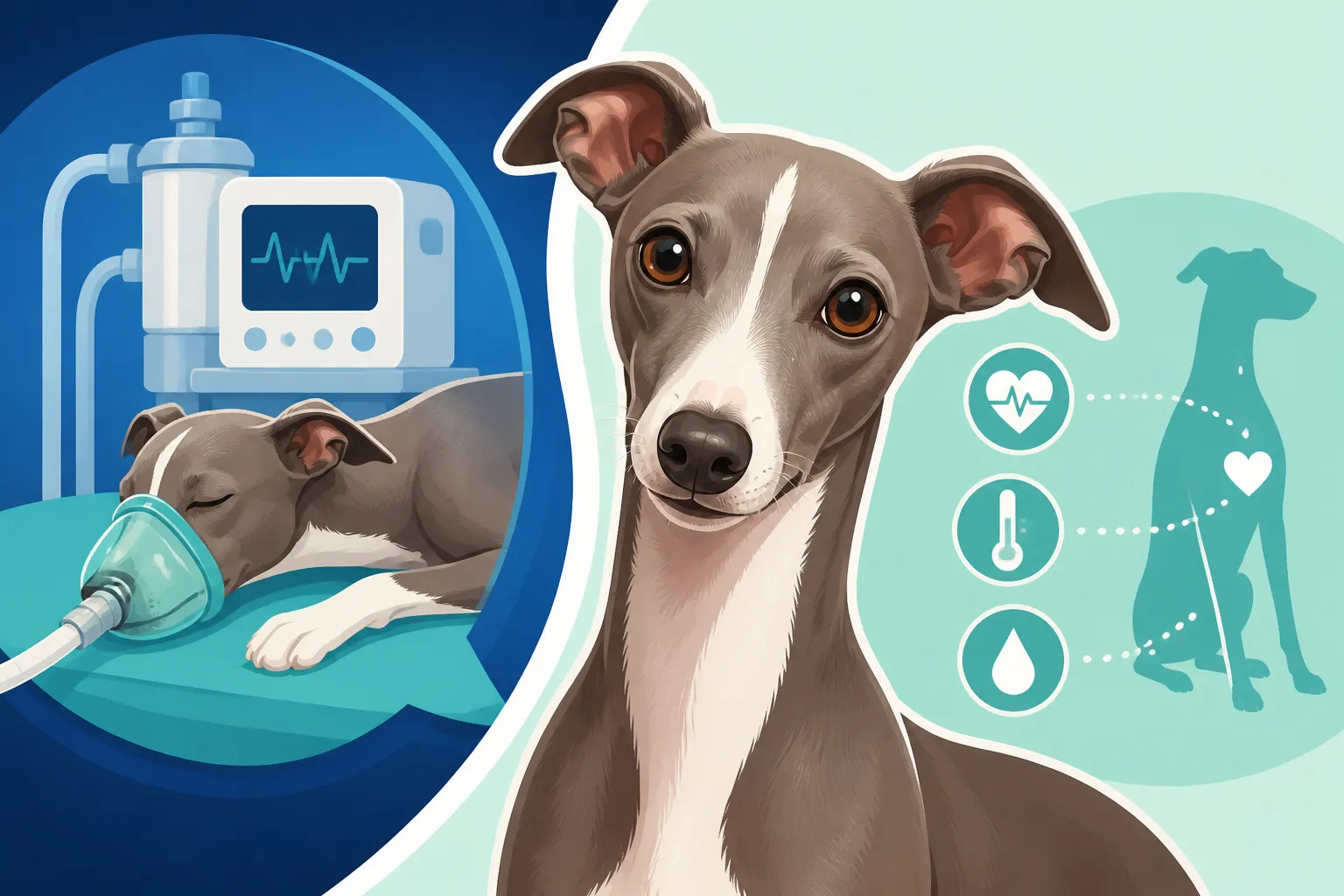
One of the most striking characteristics of an Italian Greyhound is their incredibly lean physique. They are the epitome of elegance, with minimal body fat, which is fantastic for their speed and agility, but poses significant challenges when it comes to maintaining body temperature, especially under anesthesia. Unlike breeds with thicker coats or more adipose tissue, Italian Greyhounds simply don't have the natural insulation to prevent rapid heat loss. This isn't just a matter of comfort; hypothermia (low body temperature) can have serious implications during and after surgery. It slows down metabolism, affects how drugs are processed by the liver, prolongs recovery, and can even compromise organ function.
Imagine your Italian Greyhound, already feeling the chill indoors even with a sweater, now lying still on a cool metal surgical table, unconscious. Without active intervention, their body temperature can plummet dangerously fast. This is why specialized warming measures are not just recommended, but absolutely critical for these dogs. Their metabolism, which runs hot and fast when they're active, slows considerably under sedation, exacerbating the problem. Understanding Why a Nine Pound Italian Greyhound Gets Cold on the Table is paramount for any owner preparing for a procedure.
Delicate Bones and Positioning Concerns
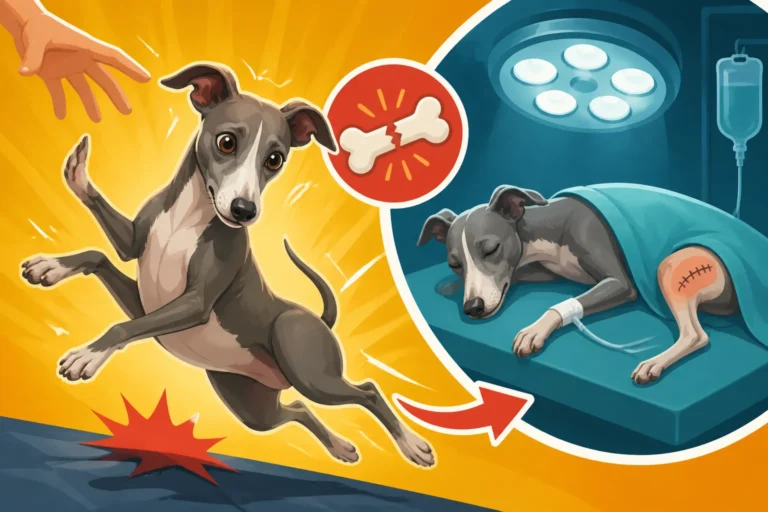
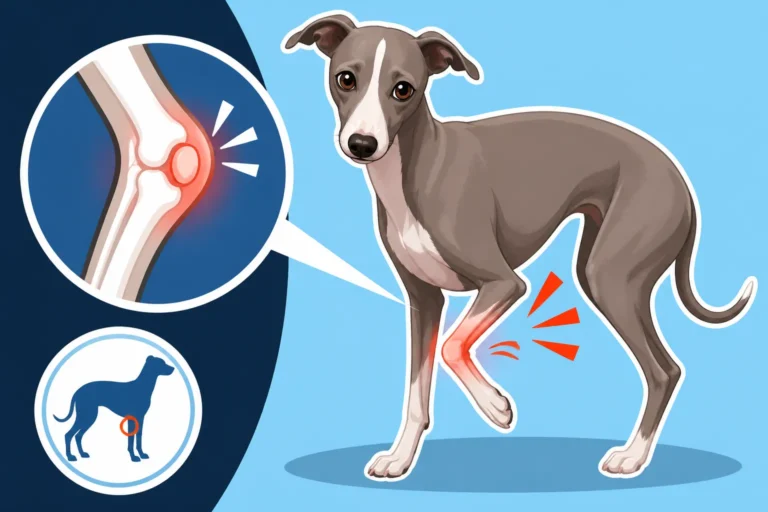
Italian Greyhounds are renowned for their delicate, fine-boned structure. While beautiful, this also means they are incredibly prone to fractures, making careful handling a non-negotiable part of any veterinary procedure, especially those involving anesthesia. During anesthesia, your dog is completely limp and unaware, making them highly vulnerable to injury if not handled with the utmost care. Just thinking about their fragile limbs being moved or positioned incorrectly can send shivers down an owner's spine. A simple slip, an awkward twist, or even insufficient padding on a hard surface could lead to a devastating injury.
Veterinary staff must be acutely aware of this fragility when transferring your Italian Greyhound to the surgical table, positioning them for the procedure, and moving them during recovery. It requires extra hands, gentle movements, and a deep understanding of their anatomical vulnerabilities. This fragility is a constant concern for owners, as discussed in Why an Italian Greyhound's Leg Bones Break So Easily. It's not just a surgical concern; it's a lifelong consideration for every interaction with your dog.
Sighthound Anesthesia Sensitivity
Beyond their lean build, Italian Greyhounds, like all sighthounds (Greyhounds, Whippets, Salukis, etc.), possess a unique genetic predisposition to react differently to certain anesthetic agents. This isn't a myth or an old wives' tale; it's a scientifically recognized phenomenon. Many older anesthetic drugs, particularly barbiturates like thiopental, are metabolized differently by sighthounds. These drugs are lipid-soluble, meaning they bind to fat. Since Italian Greyhounds have so little body fat (Why an Italian Greyhound Carries Almost No Body Fat), the drugs remain in their bloodstream at higher concentrations for longer, leading to prolonged and difficult recoveries.
This sensitivity means that what might be a standard dose or a common anesthetic choice for another breed could be dangerous for an Italian Greyhound. They can experience extended sedation, delayed wake-up, and a higher risk of complications. Modern veterinary medicine has largely moved away from these specific barbiturates, but it's still crucial to confirm that your vet uses sighthound-safe protocols and has experience with these unique metabolic differences. You need to ask about Which Sedatives an Italian Greyhound Should Not Be Given.
Specific Anesthetic Risks and Considerations
Knowing that your Italian Greyhound is physiologically different is just the beginning. Understanding the specific risks associated with anesthesia for this breed allows you to have more informed conversations with your veterinarian and ensures you're prepared for the potential challenges.
Hypothermia: The Silent Danger
As we've touched upon, hypothermia is a primary concern for Italian Greyhounds undergoing anesthesia. Their lean bodies and large surface area to mass ratio mean they lose heat incredibly quickly in a cool surgical environment. While a slight drop in body temperature is common during anesthesia for any dog, for an Italian Greyhound, it can quickly become severe. Prolonged hypothermia can lead to a cascade of problems, including:
- Delayed Drug Metabolism: A colder body means slower liver enzyme activity, prolonging the effects of anesthetic drugs.
- Increased Bleeding Tendency: Hypothermia can impair blood clotting, leading to increased intraoperative and postoperative bleeding.
- Cardiac Arrhythmias: Severe hypothermia can affect heart rhythm, leading to dangerous irregularities.
- Impaired Immune Function: A compromised immune system can increase the risk of infection.
- Extended Recovery Time: Your dog will take much longer to wake up and regain full awareness, which can be distressing for both the pet and the owner.
The prevention of hypothermia isn't just about throwing a blanket over them; it requires active and continuous warming measures throughout the entire anesthetic process, from pre-medication to full recovery.
Prolonged Recovery and Drug Effects
Due to their sighthound physiology, Italian Greyhounds often experience a much longer and more gradual recovery from anesthesia than other breeds. This can be incredibly unsettling for owners who expect their dog to bounce back quickly. The drugs simply take longer to clear their system. Instead of being groggy for a few hours, an Italian Greyhound might be disoriented, unsteady, and extra sleepy for a full day or even longer. This isn't necessarily a sign of a complication, but rather a normal, albeit prolonged, recovery for the breed.
This extended recovery period requires patience and continued vigilance. Your Italian Greyhound will need a warm, quiet, and safe place to rest, with easy access to water (once fully awake) and supervised potty breaks. They may also experience nausea or a loss of appetite initially. It's crucial for your vet to anticipate this and plan for a longer observation period in the clinic, ensuring your Italian Greyhound is stable and conscious before being discharged. Knowing How Slowly an Italian Greyhound Wakes From Anesthesia helps set realistic expectations for pet parents.
Cardiovascular and Respiratory Vulnerabilities
While Italian Greyhounds are generally considered a healthy breed (Whether the Italian Greyhound Is a Healthy Breed), like all dogs, they can have underlying health issues that impact anesthetic safety. Any pre-existing cardiac conditions, even a mild murmur, can become more significant under the stress of anesthesia. Certain anesthetic agents can affect heart rate and blood pressure, requiring careful selection and dosage. For older Italian Greyhounds, especially, vigilance is key. It's important to remember that The Heart Murmur an Old Italian Greyhound Develops is a concern that needs to be thoroughly investigated before any sedation.
Respiratory concerns can also arise. While less common, any issues with lung function or airway patency need to be identified pre-operatively. Italian Greyhounds have relatively small airways compared to some breeds, and any existing respiratory sensitivities could be exacerbated by intubation or certain medications. Continuous monitoring of oxygen saturation and carbon dioxide levels is essential to ensure adequate ventilation throughout the procedure.
Crucial Pre-Anesthetic Preparation
The success and safety of anesthesia for an Italian Greyhound hinges significantly on the preparation that happens before any drugs are administered. This phase is about understanding your dog's unique health profile and tailoring a protocol specifically for them, rather than relying on a generic approach.
Thorough Health Screening and Assessment
Before any Italian Greyhound goes under anesthesia, a comprehensive health screening is absolutely non-negotiable. This isn't just a quick check; it's a deep dive into their current health status to identify any potential risks. This should include:
- Detailed Physical Examination: A complete nose-to-tail physical exam by the veterinarian to check heart and lung sounds, gum color, hydration status, and overall condition.
- Pre-Anesthetic Bloodwork: This is vital. It assesses organ function (kidneys, liver), blood cell counts (anemia, infection), and electrolyte balance. Abnormalities can indicate underlying issues that might affect how your dog metabolizes anesthesia or recovers. For instance, some Italian Greyhounds might have low thyroid readings, as discussed in Epilepsy and Thyroid Disease in an Italian Greyhound, which could influence drug choices.
- Urinalysis: Can provide further insight into kidney function and rule out urinary tract infections.
- Chest X-rays or ECG: If a heart murmur is detected, or if your dog is older, these diagnostics might be recommended to assess cardiac health more thoroughly.
- Discussion of Medical History: Be sure to provide your vet with a complete history, including any previous anesthetic experiences, known sensitivities, current medications, or ongoing health issues. This thoroughness is part of Bloodwork Before an Italian Greyhound's Anesthesia.
This screening allows the veterinary team to make informed decisions about the safest anesthetic protocol for your individual dog.
Tailored Anesthesia Protocols
One size definitely does not fit all when it comes to Italian Greyhounds and anesthesia. A skilled veterinary team will develop a customized anesthetic plan specifically for your dog, taking into account their breed, age, health status, and the nature of the procedure. This tailored approach often involves:
- Careful Drug Selection: Opting for sighthound-safe anesthetic agents that are less dependent on fat for metabolism and have a faster, cleaner exit from the system. Propofol, isoflurane, and sevoflurane are commonly used modern agents that are generally considered safer for Italian Greyhounds. The emphasis is on shorter-acting drugs.
- Reduced Dosages: Italian Greyhounds may require lower doses of certain medications compared to other breeds of similar weight due to their sensitivity.
- Multimodal Pain Management: Using a combination of pain medications, often including local blocks, to provide effective pain relief with minimal systemic drug exposure. This reduces the need for higher doses of stronger systemic opioids.
- Pre-medication: Using carefully selected pre-anesthetic medications (like sedatives and analgesics) to calm your dog before the main induction, allowing for lower doses of the primary anesthetic and a smoother transition into and out of unconsciousness.
It's absolutely acceptable, and encouraged, to ask your veterinarian about their specific anesthetic protocol for Italian Greyhounds and their experience with the breed. A good vet will be happy to discuss this with you.
Pre-Warming Measures
Given the significant risk of hypothermia, pre-warming is a critical step that should begin even before anesthesia is induced. The goal is to elevate your Italian Greyhound's core body temperature slightly or at least ensure they are comfortably warm before they even reach the surgical suite. This can significantly reduce the severity of heat loss during the procedure.
Effective pre-warming measures can include:
- Warm Blankets: Wrapping your Italian Greyhound in warm, fleece blankets before bringing them into the prep area.
- Convection Warmers (Bair Huggers): These are forced-air warming systems that blow warm air over the patient, often used in human medicine, and increasingly in veterinary clinics.
- Warm IV Fluids: Administering intravenous fluids that have been warmed to body temperature can help maintain internal warmth.
- Heated Carriers/Kennels: Keeping your dog in a heated kennel or carrier in a warm recovery area before the procedure.
This proactive approach helps mitigate one of the biggest risks for your slender Italian Greyhound, setting them up for a safer anesthetic experience.
Vigilant Monitoring During Anesthesia
Once your Italian Greyhound is under anesthesia, the work of the veterinary team shifts to meticulous, continuous monitoring. This isn't a "set it and forget it" process; it requires constant attention and immediate adjustments to ensure your dog's vital signs remain stable.
Advanced Monitoring Equipment is Essential
For an Italian Greyhound, simply checking a pulse is not enough. A veterinary clinic committed to sighthound safety will utilize advanced monitoring equipment to keep a close eye on multiple physiological parameters throughout the procedure. This typically includes:
- Electrocardiogram (ECG): Monitors heart rate and rhythm, detecting any arrhythmias or changes that could indicate stress or drug reactions.
- Pulse Oximetry: Measures oxygen saturation in the blood, ensuring adequate oxygenation of tissues.
- Capnography: Measures the carbon dioxide levels in exhaled breath, indicating how effectively your dog is breathing and ventilating. This is crucial for detecting respiratory depression.
- Blood Pressure Monitor: Continuously tracks systolic, diastolic, and mean arterial blood pressure, essential for assessing cardiovascular function and organ perfusion.
- Esophageal or Rectal Temperature Probe: Provides continuous, accurate monitoring of core body temperature, allowing the team to intervene immediately if hypothermia begins to develop.
- Visual Observation: While technology is vital, a dedicated veterinary technician should also be continuously observing your Italian Greyhound's reflexes, gum color, eye position, and breathing patterns.
This comprehensive array of monitoring tools provides the veterinary team with real-time data, allowing them to make rapid adjustments and ensure the deepest level of safety possible for your sensitive Italian Greyhound.
Maintaining Body Temperature Actively
Active warming doesn't stop after pre-medication; it continues throughout the entire surgical procedure. The goal is to prevent any further heat loss and actively rewarm your Italian Greyhound if their temperature begins to drop. These measures are central to Warming an Italian Greyhound Through Surgery.
Common active warming techniques used during surgery include:
- Heated Surgical Tables: These tables have built-in heating elements that keep the surface warm, directly transferring heat to your Italian Greyhound's body.
- Circulating Warm Water Blankets: These blankets are placed under your dog and circulate warm water, providing consistent, gentle heat.
- Forced-Air Warming Blankets (Bair Huggers): These are often used during surgery to blow warm air over exposed areas of the body, helping to maintain core temperature.
- Warm IV Fluid Administration: Continuing to administer warmed intravenous fluids throughout the procedure helps to maintain internal body temperature and hydration.
- Insulating Drapes: Using surgical drapes made of insulating materials can help trap body heat.
The veterinary team should be constantly checking the temperature readouts and adjusting these warming methods as needed. This proactive management of body temperature is a cornerstone of safe Italian Greyhound anesthesia.
Adjusting Anesthetic Depth Rapidly
Because Italian Greyhounds can be more sensitive to anesthetic agents, and their metabolism can be affected by factors like hypothermia, the veterinary team must be prepared to make quick and precise adjustments to the anesthetic depth. This means having an anesthesiologist or a highly trained veterinary technician dedicated to monitoring and managing anesthesia.
They need to be skilled at:
- Recognizing Subtle Signs: Italian Greyhounds might show subtle signs of being too deep or too light under anesthesia, and the monitoring team needs to be adept at interpreting these cues.
- Titrating Drugs: Anesthetic drugs should be "titrated to effect," meaning only the minimum amount needed to maintain anesthesia is given. This prevents over-dosing, which is particularly risky for sighthounds.
- Rapid Response: If blood pressure drops significantly, heart rate changes, or breathing becomes shallow, the team must be able to adjust gas anesthesia levels, administer emergency medications, or increase fluid support immediately.
- Understanding Interactions: The anesthesiologist needs a thorough understanding of how different drugs interact within an Italian Greyhound's system, especially regarding pain medications, sedatives, and main anesthetics.
The ability to finely tune the anesthesia, rather than administering a fixed dose, is what makes sighthound anesthesia an art as much as a science.
Post-Anesthesia Recovery and Support
The anesthetic journey doesn't end when the surgery is over. The recovery period for an Italian Greyhound is just as critical as the procedure itself, demanding continued care and close observation to ensure a smooth, safe return to consciousness.
Gradual and Monitored Wake-Up
Unlike some dogs who might be up and about relatively quickly, Italian Greyhounds often experience a slower, more gradual wake-up process. This isn't something to rush. They need a quiet, warm, and secure environment to come around at their own pace.
Key aspects of a proper Italian Greyhound recovery include:
- Warm Recovery Area: Maintaining a warm environment is paramount, continuing the use of warm blankets, heated kennels, or even Bair Huggers until their core body temperature is stable and normal.
- Continuous Observation: A dedicated veterinary nurse or technician should be present to monitor vital signs, assess their level of consciousness, and check for any signs of discomfort or complications. This includes observing for shivering, excessive drooling, disorientation, or prolonged unresponsiveness.
- Comfort and Quiet: Minimizing noise and activity around them helps reduce stress and promotes a calmer emergence from anesthesia. They should be protected from startling sounds or movements.
- Support for Mobility: As they slowly regain consciousness and coordination, they may be wobbly or disoriented. Assistance with standing and short walks for potty breaks is often necessary, ensuring they don't fall or injure themselves.
The process of How Slowly an Italian Greyhound Wakes From Anesthesia means patience is a virtue during this phase, and a watchful eye can prevent unnecessary stress or injury.
Pain Management and Comfort Post-Procedure
Effective pain management is crucial for any surgical patient, and Italian Greyhounds are no exception. However, due to their unique sensitivities, the choice and dosage of post-operative pain medications must be carefully considered. The goal is to provide adequate pain relief without causing excessive sedation or adverse reactions.
The veterinary team will typically employ a multi-modal approach to pain control, which might include:
- Local Anesthetic Blocks: These are often administered at the surgical site to provide targeted pain relief without systemic effects, reducing the need for high doses of systemic medications.
- Non-Steroidal Anti-Inflammatory Drugs (NSAIDs): These can be very effective for managing post-operative pain and inflammation, provided kidney and liver function are normal.
- Opioids: If needed, specific opioids will be chosen that have a predictable effect and are metabolized safely by sighthounds, often at lower doses.
- Comfort Measures: Beyond medication, providing soft, warm bedding, quiet surroundings, and gentle handling contributes significantly to their overall comfort.
Always discuss the post-operative pain management plan with your vet, including what medications your Italian Greyhound will be going home with and what signs of discomfort to look for.
Hydration and Nutritional Support
Maintaining proper hydration is vital for recovery, as it helps flush anesthetic drugs from the system and supports overall organ function. Your Italian Greyhound will likely receive IV fluids during and immediately after the procedure. Once they are fully awake and no longer nauseous, offering small amounts of water is the first step towards rehydration.
Nutritional support is also important, though their appetite might be suppressed for the first day or two. When they are ready to eat, start with small, bland meals.
- Small, Frequent Meals: Offer small portions of easily digestible food like boiled chicken and rice, or a prescription recovery diet.
- Appetite Stimulation: If your Italian Greyhound is very reluctant to eat, your vet might prescribe an appetite stimulant.
- Monitoring Intake: Keep track of how much they are eating and drinking, and report any prolonged lack of appetite or thirst to your vet.
Adequate hydration and nutrition play a supportive role in a smooth recovery, helping your Italian Greyhound regain their strength and energy after the physiological stress of anesthesia and surgery.
Finding the Right Veterinary Care for Your Italian Greyhound
The most critical factor in ensuring your Italian Greyhound's safety under anesthesia is selecting a veterinary team with specific knowledge and experience with sighthounds. This is not a trivial detail; it can make all the difference.
Vet Experience with Sighthounds is Paramount
You wouldn't take a high-performance sports car to a mechanic who only works on sedans, right? The same principle applies to your Italian Greyhound. These dogs are unique, and their anesthetic needs are distinct. Finding a veterinarian and veterinary technicians who are well-versed in sighthound physiology and anesthesia protocols is absolutely essential. This directly relates to Why an Italian Greyhound's Vet Should Know Sighthounds.
When interviewing potential veterinarians or discussing a planned procedure, don't hesitate to ask specific questions:
- "Do you have experience anesthetizing sighthounds, specifically Italian Greyhounds?"
- "What anesthetic agents do you typically use for sighthounds, and why?"
- "What warming measures do you employ before, during, and after surgery?"
- "What monitoring equipment do you use, and who is responsible for monitoring during the procedure?"
- "What is your typical recovery protocol for sighthounds?"
A confident and knowledgeable veterinary team will be able to answer these questions thoroughly and to your satisfaction. If they seem unsure or dismiss your concerns, it might be a red flag. Your Italian Greyhound deserves a team that truly understands their unique needs.
Communicating Your Concerns and Asking Questions
As an Italian Greyhound owner, you are your dog's best advocate. Don't be afraid to voice your concerns, ask detailed questions, and ensure you fully understand every step of the anesthetic process. It's completely normal to feel anxious, and a good veterinary team will respect your need for information and reassurance.
Come prepared with a list of questions, and take notes during your consultation. Ensure you understand:
- The specific drugs that will be used for pre-medication, induction, and maintenance.
- The type of pain relief planned for during and after the procedure.
- The expected duration of the anesthesia and recovery.
- What potential complications to watch for and when to contact the clinic post-discharge.
- The estimated costs, as specialized care and extensive monitoring, like What Fracture Repair Costs on an Italian Greyhound, can be more expensive.
Clear communication fosters trust and ensures that you and your veterinary team are on the same page regarding your Italian Greyhound's care.
Considering Pet Insurance for Specialized Care
The specialized care, extensive monitoring, and sighthound-specific protocols required for Italian Greyhounds can sometimes lead to higher veterinary bills. This is a realistic consideration for any pet owner, but especially for those with breeds requiring tailored medical approaches. From comprehensive pre-anesthetic bloodwork to advanced monitoring equipment and potentially longer hospital stays, these costs can add up.
This is where pet insurance can be a significant help. Plans from providers like Healthy Paws can assist with unexpected veterinary expenses, including emergency surgeries, fracture repairs, and even chronic conditions that might require periodic anesthesia for diagnostic tests or dental procedures. For an Italian Greyhound, who can live Why an Italian Greyhound Lives Fourteen to Fifteen Years, long-term health planning is wise.
Having pet insurance means you can make decisions about your Italian Greyhound's medical care based on what's best for their health, rather than being solely driven by financial constraints. It offers peace of mind, knowing that if a procedure requiring specialized anesthesia arises, you have support. It’s an investment in your Italian Greyhound's long-term health and safety. Companies like Healthy Paws understand that veterinary costs can be substantial, and they aim to ease that burden for pet parents.
When evaluating pet insurance options, always look at what's covered regarding anesthesia, emergencies, and breed-specific conditions. Some plans, like those offered by Healthy Paws, are known for their comprehensive coverage, which can be invaluable for Italian Greyhound owners.
| Anesthetic Aspect | Standard Dog Protocol (General) | Italian Greyhound Protocol (Specialized) |
|---|---|---|
| Body Fat | Moderate to high; aids in insulation and drug metabolism | Very low; high risk of rapid heat loss, altered drug metabolism |
| Drug Sensitivity | Less sensitive to some older drugs, wider therapeutic window | Highly sensitive to certain drugs (e.g., barbiturates); requires sighthound-safe agents & lower doses |
| Hypothermia Risk | Moderate; managed with standard warming techniques | High; requires aggressive, active pre-, intra-, and post-operative warming measures |
| Monitoring | Basic to advanced; varies by clinic and procedure | Advanced, continuous multi-parameter monitoring (ECG, BP, SpO2, EtCO2, Temp) is mandatory |
| Recovery Time | Typically 1-4 hours to full awareness | Often 4-12+ hours to full awareness; requires extended observation and warmth |
| Handling | Standard veterinary handling | Extra gentle, deliberate handling due to delicate bones; specific positioning to prevent fractures |
| Fluid Warmth | Room temperature or slightly warmed IV fluids | Warmed IV fluids are standard to combat hypothermia |
| Pain Management | Standard opioid/NSAID protocols | Multi-modal approach, often including local blocks, careful opioid selection and dosage due to sensitivity |
| Veterinary Experience | General veterinary knowledge | Specific sighthound anesthetic experience highly recommended |
Disclaimer
This guide provides general information and is not a substitute for professional veterinary advice. Always consult with a qualified veterinarian regarding any health concerns or before making decisions about your Italian Greyhound's medical care, especially concerning anesthesia. Individual outcomes can vary, and your veterinarian is the best resource for personalized advice.