The Heart Murmur an Old Italian Greyhound Develops
It’s a moment every Italian Greyhound owner dreads: you’re at the vet for a routine check-up, and suddenly the vet’s brow furrows as they listen to your beloved senior dog’s heart. The words "heart murmur" can feel like a punch to the gut, instantly bringing up a cascade of worries about your older Italian Greyhound's health and how much time you have left together. This guide is here to walk you through what a heart murmur means for your aging IG, how it's diagnosed, and how you can manage this condition to ensure your cherished companion continues to live their best, comfortable life.
Understanding Heart Murmurs in Older Italian Greyhounds
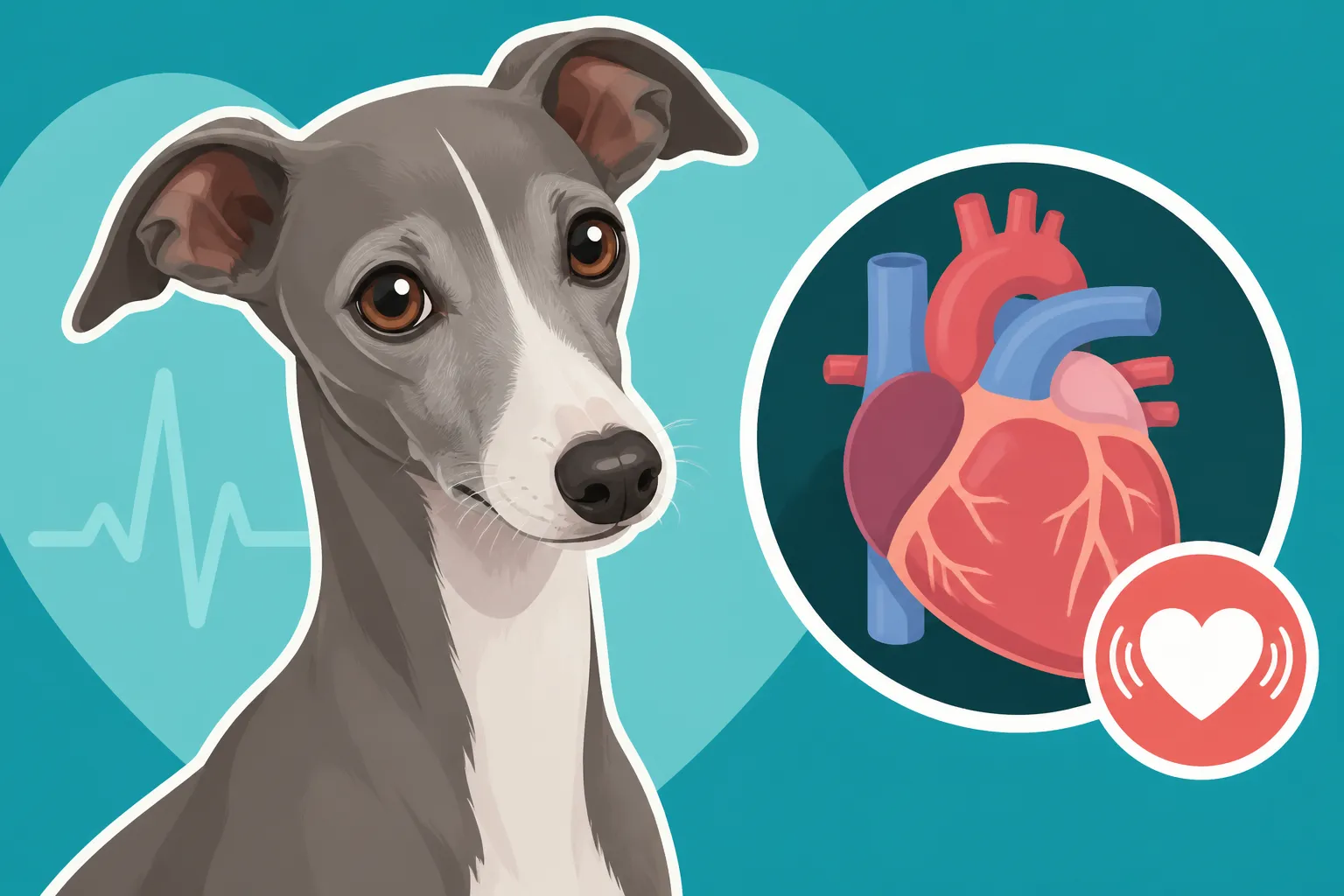
Finding out your senior Italian Greyhound has a heart murmur can be startling, but it's important to understand that a murmur isn't a disease in itself. Instead, it's an abnormal sound produced by turbulent blood flow within the heart, detected by your veterinarian using a stethoscope. Think of it like a river: normal blood flow is smooth and quiet, but a murmur is the sound of rapids or an obstruction causing the water to churn. For our delicate Iggies, especially as they age, these murmurs become a more common finding.
What Exactly Is a Heart Murmur?
A heart murmur is graded on a scale from I to VI, with I being very soft and barely audible, and VI being very loud and even palpable on the chest. The grade often, but not always, correlates with the severity of the underlying heart condition. When your vet detects a murmur, they’re listening for specific characteristics: its loudness, where it’s best heard (which can indicate which valve or chamber is affected), and its timing in the cardiac cycle. It’s a bit like a detective trying to pinpoint the source of a strange noise in an old house. Sometimes, especially in young puppies, a "physiologic" or "innocent" murmur can be present and resolve on its own, but in older dogs like our senior Italian Greyhounds, a murmur almost always indicates an underlying structural issue with the heart. This distinction is crucial, as an innocent murmur in a puppy is very different from one found in a twelve-year-old IG.
Common Causes of Heart Murmurs in Senior Iggies
As Italian Greyhounds age, their hearts, like ours, can start to show the wear and tear of a long life. The most common cause of a heart murmur in an older Italian Greyhound is Mitral Valve Disease (MVD), also known as Degenerative Mitral Valve Disease (DMVD) or Endocardiosis. This is a progressive condition where the mitral valve, located on the left side of the heart, thickens and degenerates, preventing it from closing properly. When the valve doesn't close tightly, blood leaks backward into the atrium with each heartbeat, creating that turbulent sound the vet hears. This condition is prevalent in smaller breeds, and Italian Greyhounds, unfortunately, fit right into that category.
Beyond MVD, other less common causes could include aortic stenosis (a narrowing of the aortic valve), tricuspid valve disease, or even conditions like anemia or hyperthyroidism, which can increase blood flow and mimic a murmur without a primary heart defect. It’s why a murmur isn’t immediately cause for panic, but certainly calls for further investigation. For owners navigating the golden years with their furry friends, understanding that Caring for an Italian Greyhound Past Eleven often means facing these age-related health changes.
Diagnosing and Monitoring an Italian Greyhound's Heart Murmur
Once a heart murmur is detected, the next step is to determine its cause and severity. A vet can hear the murmur, but they can't see the heart's internal structures. This is where specialized diagnostics come in, moving beyond just listening to painting a clearer picture of what's happening inside your Italian Greyhound's chest. This process can feel overwhelming, especially if you're worried about your senior dog, but each step provides valuable information to guide their care.
Initial Veterinary Assessment and Further Tests
Your regular veterinarian will likely start with a thorough physical exam, asking about any changes in your Italian Greyhound's behavior, appetite, or activity levels. Have you noticed them tiring more easily on walks, coughing, or struggling to breathe? These are all important clues. They'll listen to the heart again, checking for rhythm abnormalities and assessing the murmur's grade.
To get a definitive diagnosis, several tests might be recommended:
- Chest X-rays: These can show the overall size and shape of the heart and lungs. An enlarged heart or fluid accumulation in the lungs (pulmonary edema), which can indicate congestive heart failure, will be visible. This gives a good general overview of the heart's dimensions.
- Electrocardiogram (ECG): An ECG measures the electrical activity of the heart. It helps detect arrhythmias (irregular heartbeats) and can give clues about heart chamber enlargement, though it doesn't provide structural detail of the valves themselves.
- Echocardiogram (Cardiac Ultrasound): This is the gold standard for diagnosing heart murmurs and underlying heart disease. An echocardiogram uses sound waves to create real-time images of your Italian Greyhound's heart, allowing the veterinary cardiologist to visualize the heart chambers, measure their size, assess valve function, and detect any blood leakage. This test can precisely identify conditions like Mitral Valve Disease and its severity. It’s non-invasive and provides the most comprehensive information about your dog’s cardiac health.
It's common for your primary vet to refer you to a board-certified veterinary cardiologist for an echocardiogram, as these specialists have the specific equipment and expertise to interpret these complex images accurately. Don't be afraid to ask for a referral, as getting the right diagnosis is paramount. You might also want to explore Whether an Italian Greyhound Needs a Yearly Eye Exam as part of your overall senior care plan.
Monitoring Progression and When to Act
Once a diagnosis is made, monitoring becomes a regular part of your Italian Greyhound's life. For early-stage MVD, often no immediate treatment is necessary, but regular re-check appointments, typically every 6-12 months, will be scheduled. During these visits, your vet or cardiologist will listen for changes in the murmur's intensity, check for new symptoms, and may repeat X-rays or echocardiograms to track the disease's progression. This watchful waiting approach helps ensure that interventions begin at the optimal time.
It’s crucial to keep an eye out for any changes at home. Subtle signs like a persistent cough (especially at night or when resting), increased panting, decreased stamina, restless sleep, or even a slight change in appetite can indicate that the heart disease is progressing and might be moving into a stage that requires medication. Timely intervention can significantly improve your Italian Greyhound's quality of life and potentially slow the disease's advancement.
| Murmur Grade | Description | Clinical Significance for Senior Iggies | Recommended Action |
|---|---|---|---|
| I | Very faint, intermittent | Often requires careful listening; may be mild MVD. | Further diagnostic workup (e.g., echocardiogram) recommended to establish baseline and monitor. |
| II | Faint, but consistently audible | Likely indicates structural heart changes (e.g., MVD). | Echocardiogram strongly recommended. Establish monitoring schedule. |
| III | Moderately loud, easily audible | Clear indication of structural heart disease. | Echocardiogram essential. Medications may be considered depending on other clinical signs and heart size. |
| IV | Loud, thrill (vibration) palpable | Significant heart disease present. | Echocardiogram and cardiology consultation crucial. Medications often required to manage symptoms and slow progression. |
| V | Very loud, thrill easily palpable | Severe heart disease, potentially progressing to heart failure. | Immediate cardiology consultation and aggressive medical management. |
| VI | Very loud, audible with stethoscope off chest | Most severe heart disease. | Urgent cardiology consultation and intensive medical management. |
This table serves as a general guide. Your vet's assessment and specialized diagnostics will always provide the most accurate picture for your individual Italian Greyhound.
Managing Life with an Italian Greyhound and a Heart Murmur
Receiving a heart murmur diagnosis for your Italian Greyhound can be scary, but it doesn't mean the end of a happy life. With proper management and a proactive approach, many Iggies continue to thrive for years. The key is working closely with your veterinary team and adjusting their daily routine to support their heart health.
Lifestyle Adjustments and Diet
Managing a heart murmur often begins with simple, yet effective, lifestyle adjustments. Your Italian Greyhound might not be able to sprint quite as far as they used to, and that's okay. Moderate exercise is still important, but avoid intense, prolonged activity that could overtax their heart. Think shorter, more frequent walks instead of one long, strenuous outing. Keeping them at a healthy weight is paramount, as extra pounds put added strain on the heart. If your IG is overweight, your vet can help you create a safe weight loss plan. You might be surprised to learn that An Italian Greyhound Carries Almost No Body Fat naturally, so any noticeable weight gain should be addressed promptly.
Diet plays a crucial role too. While there isn't a "heart-healing" diet, a balanced, high-quality dog food is essential. Your vet might recommend a low-sodium diet, especially if your IG is showing signs of heart failure, as sodium can contribute to fluid retention. There are prescription diets specifically formulated for cardiac health that can help manage sodium intake and provide other heart-healthy nutrients. Discuss dietary changes with your vet or a veterinary nutritionist, as sudden shifts can sometimes do more harm than good. Remember that What Changes in an Old Italian Greyhound After Eleven often includes metabolic shifts that can impact their dietary needs.
Medications and Ongoing Care
Once the heart murmur progresses to a stage where it impacts heart function or leads to clinical signs, medication often becomes a necessary part of management. The goal of these medications is to manage symptoms, improve heart function, and slow the progression of the disease. Common medications include:
- Diuretics (e.g., Furosemide): These help remove excess fluid from the body, reducing fluid buildup in the lungs and other tissues, which is a common sign of congestive heart failure.
- ACE Inhibitors (e.g., Enalapril, Benazepril): These drugs help relax blood vessels, making it easier for the heart to pump blood and reducing the workload on the heart.
- Pimobendan (Vetmedin): This is a cornerstone medication for MVD, as it both strengthens the heart's contractions and dilates blood vessels, improving overall cardiac efficiency. Studies have shown it can significantly extend the lifespan and improve the quality of life for dogs with MVD.
- Beta-blockers (e.g., Atenolol): These can help regulate heart rate and rhythm, particularly if arrhythmias are present.
The specific combination and dosage of medications will be tailored to your Italian Greyhound's individual condition and monitored closely by your vet or cardiologist. Regular follow-up appointments, including blood tests to check kidney function and electrolyte levels (especially when on diuretics), are vital to ensure the medications are working effectively and not causing adverse side effects. This is where having pet insurance like Healthy Paws can truly alleviate the financial burden of ongoing prescriptions and frequent vet visits.
Prognosis and Quality of Life
The prognosis for an Italian Greyhound with a heart murmur varies greatly depending on the underlying cause, the stage of the disease, and how well it responds to treatment. An early-stage murmur, especially MVD without signs of heart failure, can be managed for many years, allowing your IG to continue enjoying a good quality of life. However, if the disease progresses to congestive heart failure, the prognosis becomes more guarded.
The focus then shifts to maintaining the best possible quality of life for your Italian Greyhound. This means managing symptoms effectively, ensuring comfort, and providing plenty of love and reassurance. It’s about savoring every moment and understanding that even with a heart condition, your Italian Greyhound can still have joy in their life. Regular discussions with your vet about your IG's comfort level and any emerging issues are key to making informed decisions. Knowing How an Italian Greyhound Hides Pain is particularly important, as they are stoic little dogs, and subtle changes can indicate discomfort.
Proactive Steps and Support for Your Senior Italian Greyhound's Heart Health
While we can't completely prevent age-related heart conditions, there are proactive steps Italian Greyhound owners can take to support their senior dog's overall health and be prepared if a heart murmur develops. Being well-informed and having a support system in place can make all the difference in navigating this journey.
Regular Wellness Exams and Early Detection
One of the most important things you can do for your senior Italian Greyhound is to ensure they receive regular, comprehensive wellness exams. As your IG ages, these check-ups should ideally become more frequent – perhaps every six months instead of annually. These visits give your veterinarian the opportunity to listen to your dog’s heart, check their overall health, and catch any subtle changes that might indicate an emerging problem, like a new or worsening heart murmur. Early detection is key to implementing management strategies sooner, potentially slowing disease progression and extending their healthy years. Your vet will also likely recommend Bloodwork Before an Italian Greyhound's Anesthesia for any procedure, which can sometimes reveal underlying issues before they become symptomatic.
Discuss with your vet any concerns you have, no matter how small. "He's just getting old" is often true, but it doesn't mean we can't alleviate discomfort or manage conditions that come with age. Being proactive about their health as they enter their senior years is crucial for extending Why an Italian Greyhound Lives Fourteen to Fifteen Years in comfort.
The Role of Pet Insurance and Financial Planning
Dealing with a chronic condition like heart disease, especially as it progresses, can incur significant veterinary costs. Diagnostics, specialist visits, and lifelong medications can add up quickly. This is where pet insurance can be a lifesaver. Policies from providers like Healthy Paws, when acquired before a condition arises, can cover a substantial portion of these expenses, allowing you to make medical decisions based on what’s best for your Italian Greyhound, rather than on financial constraints.
It’s always a good idea to consider pet insurance for your Italian Greyhound when they are young, before any pre-existing conditions develop. However, even if your senior IG already has a murmur, some policies might cover new, unrelated conditions, or you can explore accident-only plans. If insurance isn't an option, start an emergency fund specifically for your Italian Greyhound's health needs. Being prepared financially can reduce stress during already difficult times. Understanding What an Italian Greyhound Costs Over Fifteen Years really drives home the need for financial planning.
Emotional Support and End-of-Life Discussions
Caring for an Italian Greyhound with a chronic heart condition can be emotionally taxing. It's natural to feel anxious, sad, or overwhelmed. Remember that you are doing your best for your beloved companion. Seek support from your veterinary team, online communities of Italian Greyhound owners, or friends and family who understand your bond with your dog.
As the disease progresses, difficult conversations about your Italian Greyhound's quality of life and eventual end-of-life care will become necessary. Your vet can help you assess their current comfort levels and guide you through making compassionate decisions. These discussions are never easy, but they are a testament to the deep love and responsibility we feel for our pets. Focusing on keeping them comfortable and cherished during their final months or years is the ultimate act of love. While it's tough to think about, considering What Most Italian Greyhounds Die Of often includes age-related heart issues, and being prepared mentally can help.
Disclaimer
This article is for general informational purposes only and does not constitute professional advice. Laws, prices and regulations vary by location and change over time. Consult a qualified professional for guidance on your specific situation.