Whether Legg Calve Perthes in an Italian Greyhound Needs Surgery
Finding out your beloved Italian Greyhound is limping can be utterly heartbreaking, and when your vet mentions something as serious-sounding as Legg-Calvé-Perthes disease, it's natural to feel overwhelmed and scared. The immediate question that probably springs to mind is whether your little companion will need surgery, and what that might entail for their future. This comprehensive guide is here to break down Legg-Calvé-Perthes in Italian Greyhounds, exploring both conservative and surgical treatment options, so you can make informed decisions for your furry family member.
Understanding Legg-Calvé-Perthes in Italian Greyhounds
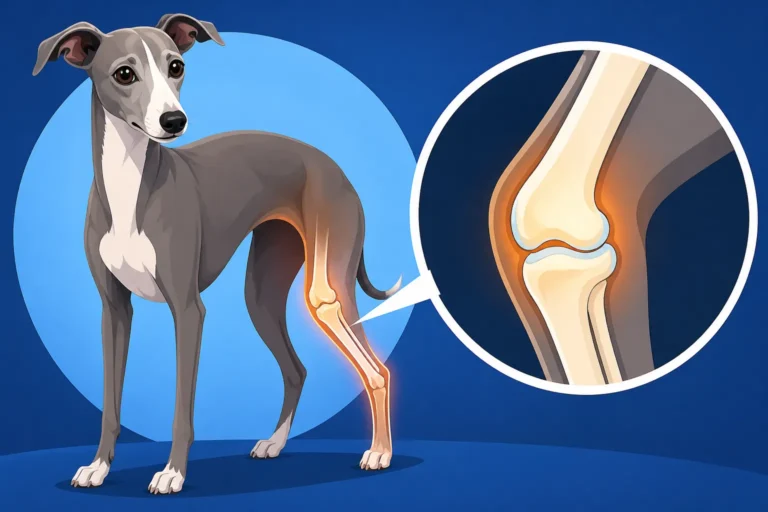
Legg-Calvé-Perthes disease, often shortened to LCP, is a condition that primarily affects the hip joint in small breed dogs, and unfortunately, our delicate Italian Greyhounds are among those predisposed to it. It’s a disease that sounds quite complex, but at its heart, it’s about a problem with the blood supply to the head of the femur, which is the ball part of the ball-and-socket hip joint.
What Legg-Calvé-Perthes Is and How It Affects Iggys
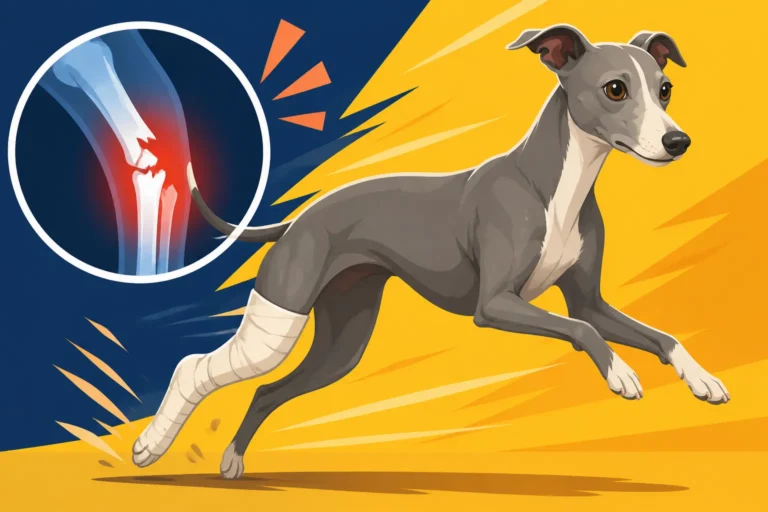
Imagine the top of your dog's thigh bone, specifically the very tip that fits into the hip socket. With LCP, for reasons that aren't fully understood but are believed to be hereditary, the blood flow to this crucial area is interrupted. Without a proper blood supply, the bone cells start to die, leading to necrosis and eventual collapse of the femoral head. This process causes significant pain and discomfort, as the smooth, spherical head of the femur, which usually glides effortlessly in the hip socket, becomes rough, flattened, and irregular.
For an Italian Greyhound, this can be particularly distressing because they are such active, agile creatures, even despite their fragile bones. The necrosis causes the bone to weaken and fracture, and eventually, the joint space starts to deteriorate, leading to painful arthritis. This condition typically manifests in puppies and young adult dogs, usually between 4 and 12 months of age. You might notice your energetic Iggy, who usually loves to zoom around, suddenly hesitant or showing signs of discomfort. It's truly tough to see their spirit dulled by pain.
A real-life scenario might be a four-month-old Italian Greyhound puppy, full of boundless energy, who one day starts to favor one of its back legs. At first, it might just be a subtle limp after a vigorous play session, but over a few weeks, the limping becomes more pronounced, persistent, and they might even hold the leg up entirely. This progression can be alarming for any pet parent, leading to immediate concern and a trip to the vet to figure out what's going on with their usually spirited companion. This sudden onset of lameness is a classic indicator that something is amiss, and LCP should be on the diagnostic radar. For more on this, you might find our article on The Age Legg Calve Perthes Shows in an Italian Greyhound helpful.
Common Symptoms and Diagnosis
Recognizing the signs of LCP early can make a big difference, even if the condition requires careful management. The most common symptom, as mentioned, is lameness in one of the hind limbs. This lameness can vary in severity, from a slight favoring of the leg to a complete inability to put weight on it. You might also notice muscle wasting in the affected leg because your Iggy isn't using it as much. Think of how quickly your own muscles can atrophy if you're laid up for a while – it's the same for them. Your Italian Greyhound might also show signs of pain when the hip is touched or manipulated, or they might cry out when trying to jump or navigate stairs.
The diagnostic process usually begins with a thorough physical examination by your veterinarian. They’ll observe your dog's gait, feel the hip joint for tenderness, and assess the range of motion. Due to the inherent difficulty in assessing pain in an animal that often tries to hide discomfort, this hands-on examination is crucial. Our article, Signs an Italian Greyhound Puppy Has Hip Pain, delves deeper into what to look for at home. If LCP is suspected, the next step will almost certainly be X-rays of the hip joint. These images are vital because they can reveal the characteristic changes of LCP, such as flattening or irregularity of the femoral head, widening of the joint space, and sometimes even evidence of bone fragments.
In a typical real-life diagnostic scenario, you might take your limping Italian Greyhound to the vet, explaining that they've been limping for a couple of weeks, and it seems to be getting worse. The vet performs a physical exam, noting your Iggy's reluctance to bear weight on the leg and flinching when their hip is rotated. They might then recommend X-rays right away. The X-rays confirm their suspicions, showing a deformed femoral head, which provides clarity on the diagnosis of Legg-Calvé-Perthes. This precise diagnosis is the first step toward understanding What Legg Calve Perthes Does to an Italian Greyhound and charting the best path forward for treatment.
Non-Surgical Management Options
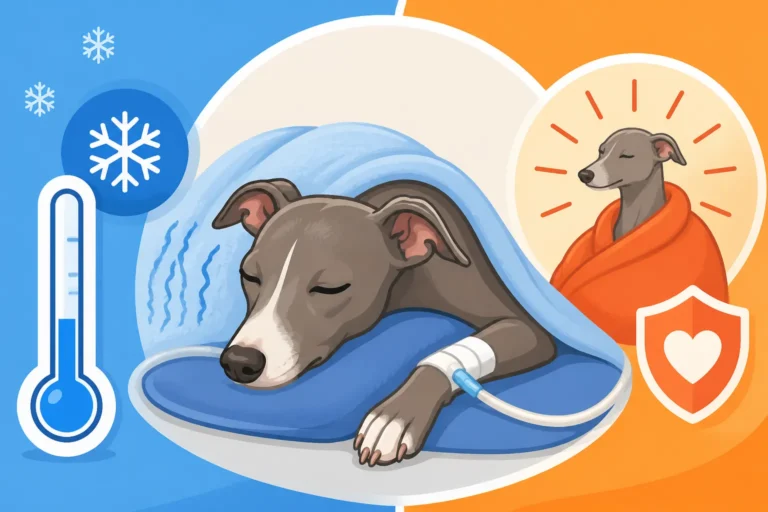
While the word "surgery" can sound daunting, it's important to know that for some Italian Greyhounds with LCP, surgery isn't always the immediate, or even necessary, first choice. Depending on the severity of the disease, the age of your dog, and other factors, your veterinarian might suggest a period of conservative, non-surgical management. This approach aims to reduce pain, inflammation, and encourage the body to heal itself to some degree.
Conservative Treatment Approaches
Conservative treatment for Legg-Calvé-Perthes revolves around a few key pillars: pain management, restricted activity, and often, physical rehabilitation. The goal is to keep your Italian Greyhound comfortable and prevent further damage to the hip joint without immediately resorting to invasive procedures. Pain relief is usually achieved with non-steroidal anti-inflammatory drugs (NSAIDs), which help reduce both pain and inflammation. Your vet might also prescribe other pain medications, especially in the initial acute phase, to ensure your Iggy isn't suffering.
Alongside medication, strict rest and restricted activity are paramount. This often means crate rest, limited leash walks for potty breaks only, and absolutely no jumping, running, or rough play for several weeks or even months. This can be incredibly challenging for an active breed like the Italian Greyhound, who thrives on movement and closeness. It requires immense patience and dedication from owners to keep their spirited companion calm and contained. Following this period of rest, physical therapy might be introduced to help strengthen the muscles around the hip, improve range of motion, and prevent muscle atrophy. This could involve gentle stretching, passive range of motion exercises, and controlled low-impact activities as advised by a veterinary physical therapist.
Consider a real-life scenario: you have a five-month-old Iggy puppy diagnosed with a mild case of LCP, where the changes on the X-ray are not yet severe, and the lameness is intermittent. Your vet might suggest a 4-6 week trial of conservative management. This would involve daily anti-inflammatory medication, strict crate rest, and short, controlled potty breaks on a leash. During this time, you'd monitor your Iggy closely for any improvement or worsening of symptoms, attending follow-up appointments and X-rays to assess the progress. This initial approach allows the bone to potentially revascularize and remodel, albeit with careful supervision.
When Conservative Management Might Be Considered
The decision to pursue conservative management isn't taken lightly and depends on a careful assessment of several factors. Generally, it's considered for very young puppies where the bone changes are minimal, or in cases where the lameness is mild and intermittent. The extent of the bone degeneration, as seen on X-rays, is a major determining factor. If the femoral head is already significantly deformed or collapsed, conservative management is unlikely to yield good long-term results.
Owner commitment is also critical. Strict adherence to activity restriction and medication schedules is non-negotiable for conservative treatment to have any chance of success. This means consistently preventing your Italian Greyhound from jumping on or off furniture, playing roughly with other dogs, or running freely. For many Iggy owners, who are accustomed to managing the breed's fragile bones, this level of supervision might already be second nature, but it's still a significant undertaking. The financial aspect also plays a role; while still involving vet visits and medication, conservative treatment is typically less expensive than surgery, at least initially.
For instance, an owner with a very young Italian Greyhound puppy, say three months old, might be advised by their vet to try conservative management first. Perhaps the initial X-rays show only very early changes, and the puppy’s pain is manageable with medication. The owner might not have significant funds readily available for immediate surgery, or their pet insurance, such as Healthy Paws, might have a waiting period that has not yet passed. In such a case, the vet might explain the commitment required for conservative care, outlining the strict limitations on movement and the importance of follow-up appointments to reassess if the condition progresses or stabilizes.
Surgical Interventions for Legg-Calvé-Perthes
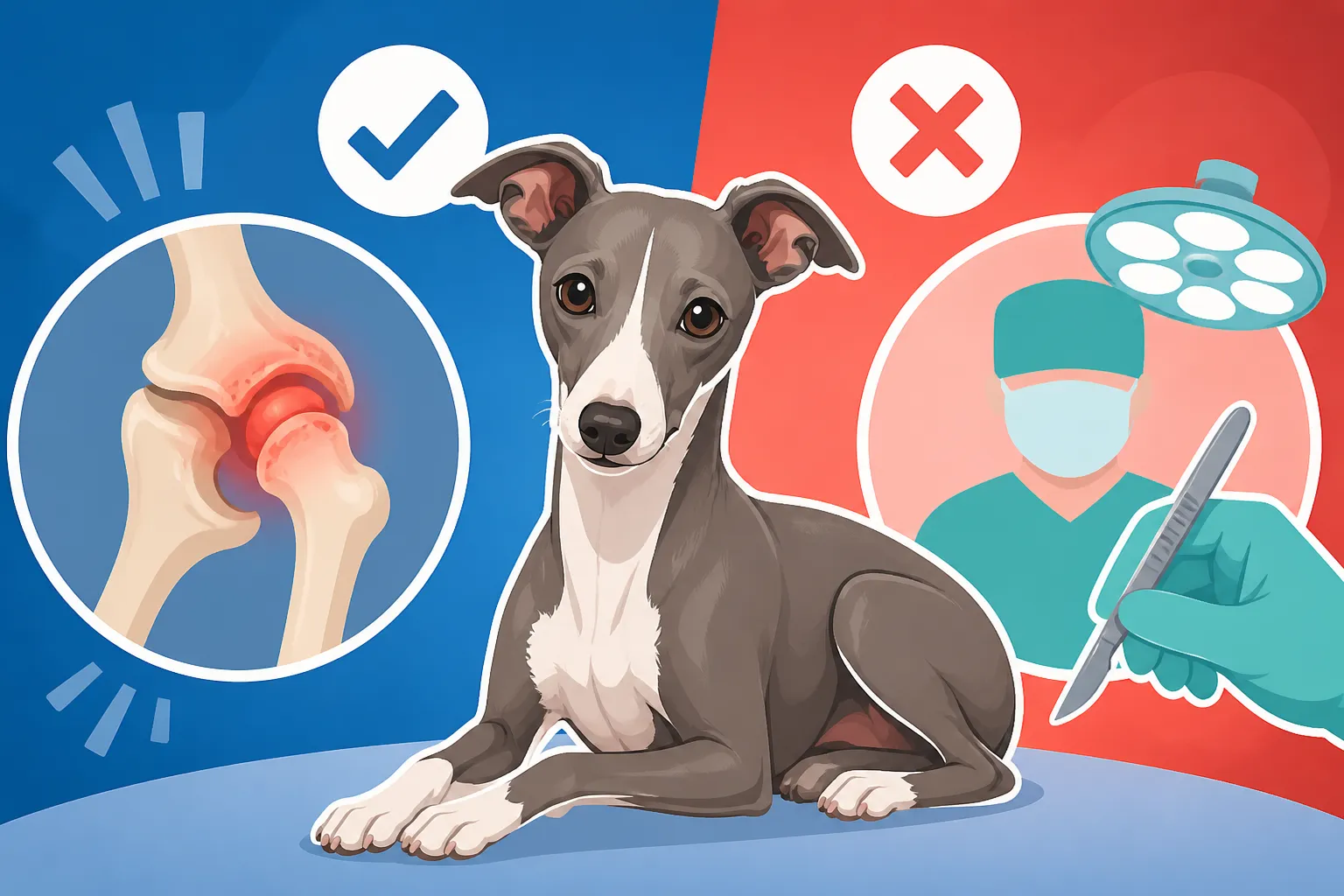
For many Italian Greyhounds diagnosed with Legg-Calvé-Perthes, especially those with significant pain, advanced bone degeneration, or those who haven't responded to conservative management, surgical intervention becomes the most effective and often the only long-term solution. The primary surgical procedure for LCP in small breeds like Iggys is called a Femoral Head Ostectomy, or FHO.
Femoral Head Ostectomy FHO Procedure Explained
An FHO, or Femoral Head Ostectomy, is a surgical procedure where the diseased head and neck of the femur are removed. The goal isn't to replace the joint but to eliminate the painful bone-on-bone rubbing that occurs when the femoral head is damaged. Once the femoral head is removed, the body naturally forms a "false joint" (pseudoarthrosis) where scar tissue and muscle develop around the area. This scar tissue provides stability and support, and over time, a fibrous connection forms, allowing the leg to move without the painful friction of the degenerated bone.
The surgery itself typically involves an incision over the hip, careful dissection to expose the femoral head, and then using an oscillating saw or osteotome to remove the problematic portion of the bone. Post-surgery, recovery is critical. While it sounds drastic, smaller, lighter dogs like Italian Greyhounds often do remarkably well with FHOs because their body weight allows them to rely more on the surrounding muscle for support, rather than a load-bearing bone-on-bone joint. Recovery involves a period of controlled activity and physical therapy to encourage muscle development and optimal range of motion.
Imagine a situation where your 8-month-old Italian Greyhound has been limping badly for months, despite pain medication and strict rest. X-rays show severe collapse of the femoral head and significant pain upon examination. Your vet, possibly a board-certified veterinary orthopedic surgeon, would explain that an FHO is the recommended course of action. They would walk you through the procedure, emphasizing that while it might seem extreme, it's often the best way to permanently alleviate pain and restore a good quality of life. The surgeon might even show you diagrams of the "false joint" formation, helping you visualize the recovery process. This is often the point where many owners realize that surgery, while scary, offers the most humane solution for their suffering Iggy.
Total Hip Replacement THR and Other Advanced Options
While FHO is the most common surgical solution for LCP in small breeds, you might hear about Total Hip Replacement (THR) as an option for hip issues in dogs. THR involves replacing both the ball (femoral head) and socket (acetabulum) components of the hip joint with prosthetic implants. This procedure aims to restore normal hip function and eliminate pain, offering a highly functional, long-term solution. However, for Italian Greyhounds specifically, THR is much less common for LCP.
The reasons for this are several: THRs are complex, highly specialized surgeries that come with a significantly higher cost and a greater risk of complications compared to FHOs. Furthermore, because Italian Greyhounds are such small, lightweight dogs, they often achieve excellent functional outcomes with an FHO. The "false joint" created after an FHO is usually sufficient to support their light frame and allow for comfortable, active lives. THRs are typically reserved for larger breeds or specific cases where an FHO might not be suitable, or where the owner specifically seeks the highest level of functional recovery, though this is rare for LCP in Iggys.
Consider a highly athletic or show Italian Greyhound whose owner is seeking the absolute best possible outcome for maximal function, and cost is not the primary concern. In such an exceedingly rare instance, a veterinary orthopedic specialist might discuss the possibility of a mini-THR, if available for their size, as an alternative to an FHO. However, even then, the inherent risks and the excellent prognosis typically seen with FHO in Iggys usually steer the conversation back to the more common procedure. It’s important to trust your specialist's recommendation, as they are best equipped to determine what surgical options are truly viable and beneficial for your specific pet.
The Costs and Recovery Expectations of Surgery
Let's not sugarcoat it: veterinary surgery, especially orthopedic surgery, can be a significant financial undertaking. The cost of a Femoral Head Ostectomy (FHO) for an Italian Greyhound can vary widely depending on your geographic location, the veterinary clinic, and whether a board-certified orthopedic specialist performs the surgery. Generally, you can expect the cost to range from a few thousand dollars, easily reaching up to $3,000-$6,000 or more per hip when you factor in pre-surgical diagnostics, anesthesia, the surgery itself, hospitalization, pain medication, and post-operative care. This is a considerable sum and often comes as a shock to pet parents. To get a clearer picture of potential expenses, consider reading our article on What Femoral Head Surgery Costs on an Italian Greyhound.
Beyond the initial surgery, you'll need to account for recovery. This isn't a quick fix where your Iggy is back to normal in a week. The recovery period typically involves strict activity restriction for several weeks, followed by a gradual increase in activity and dedicated physical rehabilitation, which might include hydrotherapy, massage, and therapeutic exercises. This rehabilitation phase can extend for several months, and some of it might require professional guidance, adding to the overall cost. Many owners find that enrolling in pet insurance, like Healthy Paws, early in their pet's life can be a lifeline for these kinds of unexpected, high-cost medical emergencies. Policies from providers like Healthy Paws can significantly offset the financial burden, covering a large percentage of eligible veterinary bills, making difficult treatment decisions much easier.
A real-life scenario illustrates this: Sarah's Italian Greyhound, Enzo, needed an FHO. The surgical quote was $4,500. Thankfully, Sarah had invested in a Healthy Paws pet insurance policy when Enzo was a puppy. After meeting her deductible, her plan covered 90% of the eligible costs. This meant she only paid a fraction of the total out-of-pocket, allowing her to focus on Enzo's recovery without the added stress of crushing debt. Post-surgery, Enzo needed weekly physical therapy sessions for two months, each costing around $100. While still an expense, the bulk of the major surgery bill was covered, proving the invaluable peace of mind that good pet insurance can provide.
Deciding on the Best Course of Action
Making the decision about how to treat Legg-Calvé-Perthes in your Italian Greyhound is deeply personal and complex. It involves careful consideration of medical facts, your dog's individual needs, your resources, and your vet's expert advice. There's no one-size-fits-all answer, and what works best for one Iggy might not be the right path for another.
Factors Influencing the Surgical Decision
When you're sitting down with your veterinarian or a specialist, several key factors will come into play when discussing whether surgery is the best route for your Italian Greyhound. First and foremost is the severity of the disease. X-rays that show extensive collapse, fragmentation, or severe deformation of the femoral head typically point towards surgery as the most effective solution for pain relief and long-term mobility. If conservative management has been attempted and failed, meaning your Iggy's pain persists or worsens, surgery then becomes the logical next step.
Your dog's age and overall health are also crucial. While LCP affects young dogs, very young puppies might initially respond to conservative care if the changes are minimal. However, as they grow, and if the condition progresses, surgery becomes more definitive. Any pre-existing health conditions or an Iggy's temperament (e.g., highly anxious dogs might struggle with extensive rehabilitation) can also influence the decision. Critically, your Italian Greyhound's quality of life is paramount. If they are in constant pain, unable to play or move comfortably, and medications aren't providing adequate relief, surgery offers the best chance at a pain-free, active life.
Finally, owner commitment and financial resources play a significant role. Surgery requires not only a substantial financial investment but also a commitment to intensive post-operative care and physical therapy. Some owners may feel overwhelmed by the costs and demands of rehabilitation, which is a valid concern. This is where a robust pet insurance plan can truly alleviate some of the pressure. Companies like Healthy Paws offer various plans designed to help families manage unexpected veterinary expenses, ensuring that you can prioritize your pet's health without undue financial stress. Discussing all these elements openly with your trusted veterinarian will help you arrive at the most informed decision.
Life After LCP Treatment: What to Expect
Whether your Italian Greyhound undergoes surgery or responds well to conservative management, life after LCP treatment involves ongoing care and monitoring. For Iggys who have had an FHO, the prognosis is generally very good. Most small breed dogs regain excellent function of the limb and live pain-free, active lives. You'll likely see a significant improvement in their mobility and comfort once the initial recovery period is over. However, it’s important to understand that the limb may not be exactly as it was before, and some degree of altered gait or limb shortening might be subtle but present. Many owners report their Italian Greyhounds are running and playing again, often making people wonder if they ever even had an issue. Our article, How an Italian Greyhound Runs After Hip Surgery, provides more insight into this recovery.
Long-term, regardless of treatment approach, dogs that have experienced LCP are at a higher risk of developing arthritis in the affected hip. This is due to the previous damage to the joint or the compensatory changes that occur after an FHO. Therefore, ongoing joint care, such as supplements (glucosamine, chondroitin, omega-3 fatty acids), maintaining a healthy weight, and regular, moderate exercise, becomes crucial. Regular check-ups with your vet will help monitor for any signs of arthritis and allow for early intervention if needed. Remember, Italian Greyhounds are masters at hiding pain, so vigilance is key. It's truly astonishing How an Italian Greyhound Hides Pain, making consistent observation important.
A hypothetical scenario: your Italian Greyhound, Luna, successfully underwent an FHO six months ago. The post-op recovery was challenging, with strict crate rest and physical therapy, but now Luna is zooming around the house, jumping on approved furniture ramps, and enjoying walks without any visible lameness. You make sure she maintains a healthy weight to reduce joint strain, provide daily joint supplements, and take her for regular vet visits to monitor her hip health, which are often part of a routine How Often an Italian Greyhound Needs a Wellness Exam. While you know arthritis is a possibility down the line, with proactive care and the relief that surgery brought, Luna is thriving, proving that a successful LCP treatment can lead to a wonderful quality of life.
Treatment Options for Legg-Calvé-Perthes
Here's a quick comparison of the two primary approaches for managing Legg-Calvé-Perthes in Italian Greyhounds:
| Feature | Conservative Management (Non-Surgical) | Femoral Head Ostectomy (FHO) (Surgical) |
|---|---|---|
| Approach | Pain medication, strict rest, restricted activity, physical therapy | Surgical removal of the femoral head and neck |
| Best For | Very mild cases, very young puppies, owners unable to pursue immediate surgery | Moderate to severe cases, failure of conservative treatment, persistent pain |
| Pros | Non-invasive, potentially lower initial cost, avoids surgical risks | Permanent pain relief, good functional outcome, often definitive solution |
| Cons | May not be effective for severe cases, long and strict recovery, pain may recur | Invasive, significant cost, extended recovery/rehab, surgical risks, altered gait |
| Recovery Time | Weeks to months of strict management; ongoing monitoring | Several weeks of strict post-op care, followed by months of rehabilitation |
| Long-Term | Risk of progression and chronic pain; ongoing arthritis management | Generally good functional prognosis; ongoing arthritis management likely |
Disclaimer
The information provided in this guide is for informational purposes only and does not constitute veterinary medical advice. Always consult with a qualified veterinarian or veterinary specialist for any health concerns or before making any decisions about your pet's medical care.