What Legg Calve Perthes Does to an Italian Greyhound
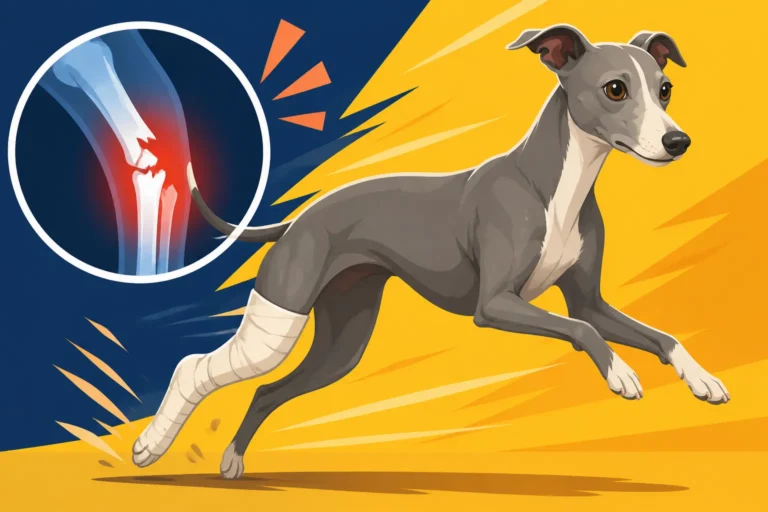
It’s a truly frightening experience when your once-lively Italian Greyhound puppy suddenly starts limping, showing signs of pain, and hesitating to play. You might immediately fear a broken leg – a common and heartbreaking reality for our delicate Iggies – but sometimes, the cause of hip pain in a young Italian Greyhound can be something else entirely: Legg-Calve-Perthes disease, or LCP. This guide will walk you through what LCP is, how to identify it, and what you can do to help your beloved companion through this challenging condition.
Decoding Legg-Calve-Perthes Disease in Italian Greyhounds
Legg-Calve-Perthes disease is a condition that, while not exclusive to Italian Greyhounds, unfortunately shows up in them more often than many other breeds. It primarily affects the femoral head – the ball part of the ball-and-socket hip joint – leading to its degeneration. When you see your Italian Greyhound puppy at around six months to a year old suddenly develop a limp, this disease is one of the possibilities your vet might consider. It’s not caused by an injury, per se, but rather an interruption of the blood supply to the femoral head, which is crucial for healthy bone growth and maintenance.
What Happens Inside the Hip Joint
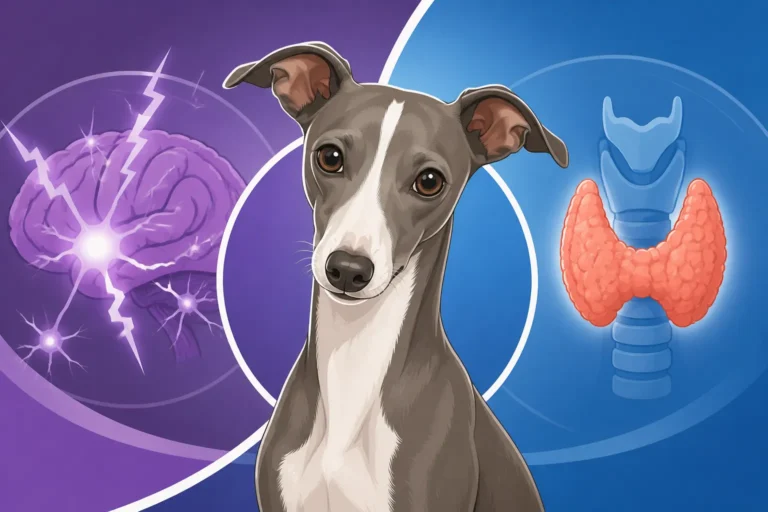
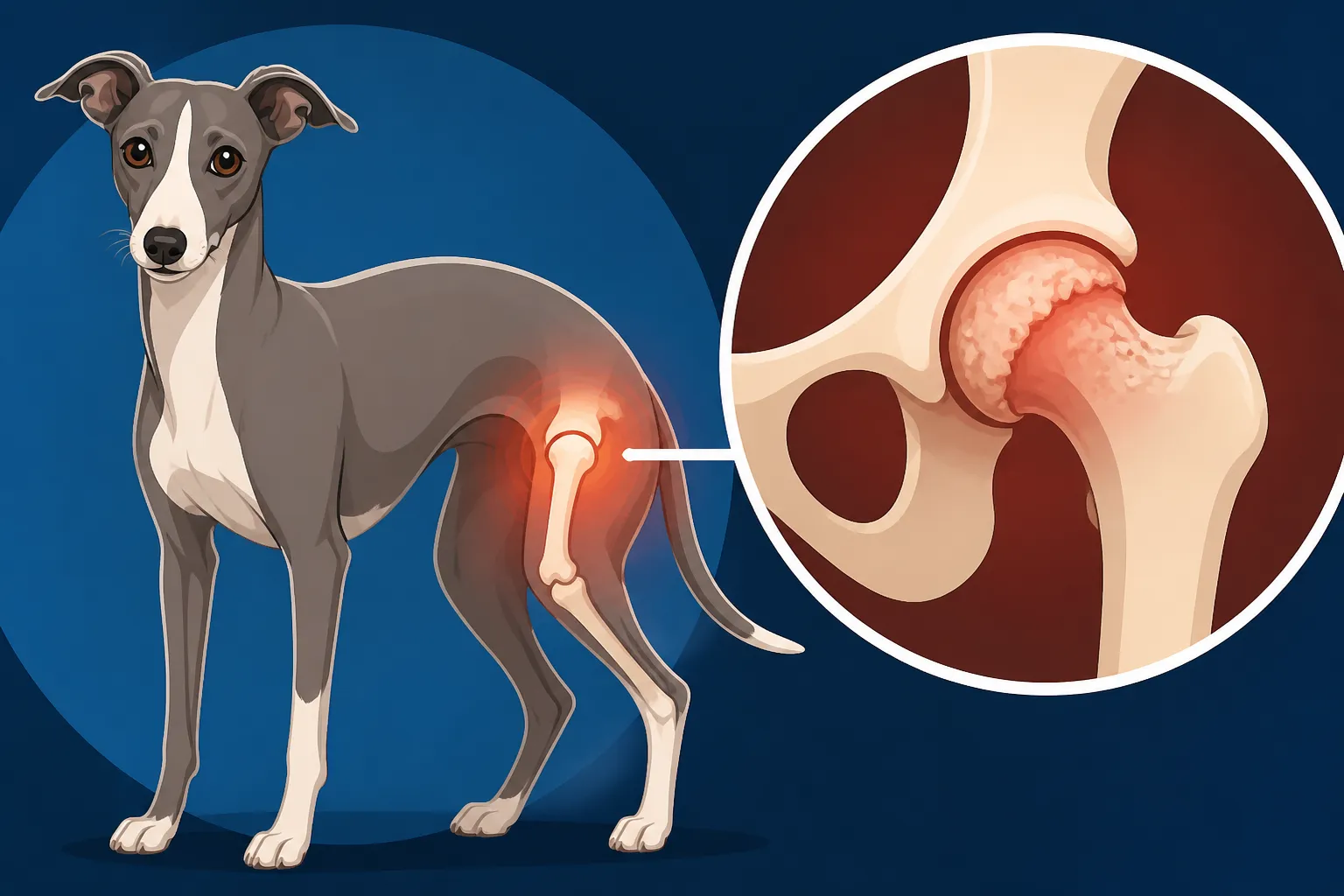
Imagine the hip joint as a perfectly smooth ball (the femoral head) fitting into a perfectly smooth cup (the acetabulum in the pelvis). For a puppy, this bone is rapidly growing, and it needs a consistent and healthy blood supply to form correctly. With Legg-Calve-Perthes disease, this vital blood flow to the femoral head somehow becomes compromised. No one really knows why it happens, but the result is devastating for the bone. Without adequate blood, the bone tissue in the femoral head starts to die off, a process called avascular necrosis.
As this necrotic bone tissue begins to collapse and crumble, the smooth, round surface of the femoral head becomes irregular, pitted, and rough. This rough surface then grinds against the smooth acetabulum, causing significant pain, inflammation, and further damage to the joint cartilage. Over time, the entire structure of the femoral head can flatten and fragment, leading to severe osteoarthritis and chronic pain if left untreated. It’s a progressive condition, meaning it gets worse without intervention, and it's a huge source of discomfort for our precious Iggies.
Why Italian Greyhounds Are Prone to LCP
While LCP can affect various small breeds, Italian Greyhounds are indeed counted among those with a higher predisposition. This isn't due to their widely known fragility and propensity for fractures, like Why an Italian Greyhound's Leg Bones Break So Easily; rather, it's often considered to have a genetic component, although the exact mode of inheritance isn't fully understood. The disease typically manifests during a crucial growth phase, often between 4 to 12 months of age.
The small size and delicate build of an Italian Greyhound might make the symptoms of hip pain more apparent or perhaps even exacerbate the discomfort they experience. When a breed is already known for its fine bone structure, any condition affecting the skeletal system naturally raises concerns. For LCP, the issue isn't about weak bones, but about a mysterious interruption of blood flow that leads to bone death. This genetic predisposition means that responsible breeders often screen their lines for health issues, though LCP isn't always part of routine screening due to its complex etiology.
Spotting the Early Warning Signs of LCP
One of the hardest parts of being an Italian Greyhound owner is how stoic these little dogs can be when they're in pain, but even they can't hide the signs of Legg-Calve-Perthes forever. Recognizing these indicators early can make a significant difference in your dog's prognosis and recovery. The subtle changes often escalate into more pronounced lameness, signaling that something is definitely amiss with their hip.
Limping and Pain Development
The most telling sign that your Italian Greyhound might be experiencing LCP is the sudden onset of a limp in one of their hind legs. This isn't usually the dramatic, non-weight-bearing lameness you'd see with a broken leg, but rather a gradual or intermittent favoring of one leg that progresses over weeks or even months. You might notice your Italian Greyhound puppy starting to hop on three legs occasionally, or they might seem hesitant to put full weight on one hind limb. As the disease advances, the limp becomes more consistent and severe, often accompanied by visible pain when they try to bear weight or move the affected leg.
It’s heartbreaking to see Signs an Italian Greyhound Puppy Has Hip Pain, and this will manifest as reluctance to jump, play, or even get up and down comfortably. They might cry out when the hip is touched or manipulated, and their overall activity level will decrease dramatically. The muscles in the affected leg may also start to waste away due to disuse, making the limb appear thinner compared to the healthy one. This muscle atrophy is a clear indicator of chronic pain and favoring of the limb, and it often leads to a noticeable difference in their gait.
Behavioral Changes to Watch For
Beyond the physical limp, an Italian Greyhound suffering from LCP will exhibit several behavioral changes that point to their discomfort. They might become unusually withdrawn, less playful, and more prone to seeking quiet, isolated spots around the house. The usual joyful exuberance of a young Italian Greyhound can be replaced by lethargy and irritability. They may avoid stairs, struggle to get onto the sofa (even if it's their favorite spot), or have difficulty with their usual potty routine outdoors.
You might also observe changes in their sleeping patterns, as finding a comfortable position becomes harder. They may shift frequently, groan when settling, or seem restless. Grooming can also become a challenge, as reaching the painful hip area is difficult. Any sudden aggression when approached, particularly if you try to touch their hindquarters, is a significant red flag. These are sensitive dogs, and pain can make them uncharacteristically snappish. Pay close attention if your typically social and affectionate Italian Greyhound starts showing these kinds of deviations from their normal personality. The onset of symptoms, like The Age Legg Calve Perthes Shows in an Italian Greyhound, is typically between 4 and 12 months, making it crucial to monitor young Iggies during this period.
The Diagnostic Journey: Confirming LCP in Your Italian Greyhound
Once you've noticed the concerning signs, your next step is a trip to the vet. Diagnosing Legg-Calve-Perthes disease involves a thorough examination and often relies heavily on imaging techniques to visualize the state of the hip joint. It's a process that helps rule out other potential causes of lameness and provides a clear picture of the damage to the femoral head.
Initial Veterinary Examination
When you bring your Italian Greyhound to the veterinarian with a suspected case of LCP, the vet will start with a comprehensive physical examination. They’ll observe your dog's gait as they walk, looking for signs of lameness, muscle atrophy in the hindquarters, and any asymmetry. They will then gently palpate (feel) your dog's hips and legs, assessing for pain, swelling, and range of motion. During this manipulation, they might notice crepitus – a crackling sound or sensation – indicating bone-on-bone friction or cartilage damage within the joint.
Often, an Italian Greyhound with LCP will exhibit pain upon extension and internal rotation of the hip joint. They may also show sensitivity when the groin area is touched. Your vet will differentiate this pain from other potential issues, like a luxating patella, which is another common orthopedic concern in small breeds. A good vet knows that How Suddenly an Italian Greyhound Starts Limping can be a sign of many things, and they'll gather all the clues from this initial exam to guide the next diagnostic steps.
Radiographs and Advanced Imaging
While the physical exam provides strong clues, the definitive diagnosis of Legg-Calve-Perthes disease relies on radiographs, or X-rays. Your vet will typically take X-rays of both hips, even if only one leg appears affected, to get a comparative view and to check for any early signs in the seemingly healthy hip. The images will reveal the characteristic changes of LCP, such as flattening or irregularity of the femoral head, widening of the joint space, and increased density or lysis (destruction) of the bone.
In advanced cases, the X-rays might show fragmentation of the femoral head. In some instances, especially if the diagnosis isn't straightforward or if other conditions need to be ruled out, your vet might recommend advanced imaging techniques like an MRI or CT scan. These can provide even more detailed views of the bone and soft tissues, though they are usually reserved for more complex situations. The detailed images from X-rays are usually enough to confirm How Legg Calve Perthes Is Diagnosed in an Italian Greyhound and guide the discussion on the most appropriate treatment plan.
Navigating Treatment Options for LCP
Discovering your Italian Greyhound has Legg-Calve-Perthes disease can be overwhelming, but the good news is that there are effective treatment options available. The approach chosen will depend on the severity of the disease, your dog's age, and your vet's recommendation. The goal is always to alleviate pain and restore as much normal function to the hip as possible.
Conservative Management Approaches
For very mild cases of LCP, or in situations where surgery isn't immediately an option, conservative management might be attempted. This approach focuses on pain control, reducing inflammation, and limiting activity to allow the joint to rest and potentially remodel itself. It often involves a combination of:
- Pain Medication: Non-steroidal anti-inflammatory drugs (NSAIDs) are typically prescribed to manage pain and reduce inflammation. Your vet might also prescribe other pain relievers or joint supplements to support cartilage health.
- Rest and Restricted Activity: This is crucial. Your Italian Greyhound will need strict crate rest or limited activity to prevent further damage to the crumbling femoral head. This means no jumping, running, or strenuous play. Leash walks for potty breaks only are usually recommended.
- Physical Therapy: Gentle, controlled exercises, often guided by a certified canine rehabilitation therapist, can help maintain muscle mass, improve range of motion, and promote overall joint health without putting excessive stress on the hip. This might include passive range of motion exercises or hydrotherapy.
- Weight Management: Keeping your Italian Greyhound at a healthy weight is always important, but it's especially critical for joint health. Any excess weight will put additional strain on the affected hip.
It's important to understand that while conservative management can help with symptoms, it rarely resolves the underlying issue of the degenerating femoral head. Many Italian Greyhounds will eventually require surgery for a long-term solution. Your vet will monitor your dog's progress closely, and if lameness or pain persists or worsens, surgery will likely be the next recommendation. This is where having comprehensive pet insurance like Healthy Paws can be invaluable, as conservative treatments, while less invasive, can still add up over time with medications, vet visits, and rehab sessions.
The Role of Femoral Head Ostectomy Surgery
For most Italian Greyhounds diagnosed with Legg-Calve-Perthes disease, a surgical procedure called a Femoral Head Ostectomy (FHO) is the most effective and often recommended treatment. This surgery, which can often be the best long-term solution for Whether Legg Calve Perthes in an Italian Greyhound Needs Surgery, involves the complete removal of the damaged femoral head and neck. The idea isn't to replace the joint, but to eliminate the painful bone-on-bone grinding.
After the femoral head is removed, scar tissue forms in the space, creating a "false joint" (pseudoarthrosis). This scar tissue, along with the strong muscles of the hip, supports the joint and allows for pain-free movement, as there's no longer any irregular bone surfaces grinding together. For a small, lightweight dog like an Italian Greyhound, FHO surgery typically yields excellent results. They recover remarkably well, often regaining a good range of motion and returning to a comfortable, active lifestyle. While What Femoral Head Surgery Costs on an Italian Greyhound can be a concern for owners, many find the relief and improved quality of life for their dog well worth the investment. It’s also important to remember that pet insurance providers like Healthy Paws often cover a significant portion of these surgical costs, making such vital procedures more accessible.
Recovery and Prognosis: Life After LCP Treatment
Undergoing treatment for Legg-Calve-Perthes disease, especially FHO surgery, is a significant event for both your Italian Greyhound and your family. The recovery period requires dedication and patience, but the long-term prognosis for these resilient little dogs is generally very good.
Post-Surgical Rehabilitation and Care
After FHO surgery, the immediate post-operative period will focus on pain management and controlled exercise. Your vet will provide specific instructions for medication, wound care, and activity restrictions. Initially, gentle passive range of motion exercises might be recommended to prevent stiffness and encourage the formation of a functional false joint. These are movements you perform on your dog’s leg, carefully, as directed by the vet or a rehabilitation specialist.
Within a few days to a week, your Italian Greyhound will typically be encouraged to start putting some weight on the leg. This early, controlled weight-bearing is crucial for stimulating scar tissue formation and strengthening the muscles around the hip. A structured physical rehabilitation program is highly recommended and can significantly improve recovery speed and outcome. This might include:
- Short, Controlled Leash Walks: Gradually increasing duration and intensity.
- Hydrotherapy (Underwater Treadmill): This allows for early exercise without full weight-bearing, building strength and mobility.
- Therapeutic Exercises: Targeting muscle strengthening, balance, and coordination.
- Massage and Stretching: To improve flexibility and reduce muscle soreness.
Adhering strictly to the rehabilitation plan is vital. Too much activity too soon can hinder healing, while too little can lead to stiffness and muscle loss. Most Italian Greyhounds show significant improvement within 4-6 weeks and continue to gain strength and mobility over several months. It's truly amazing to see How an Italian Greyhound Runs After Hip Surgery with proper rehab.
Long-Term Outlook and Management of Arthritis
The long-term prognosis for Italian Greyhounds who undergo FHO surgery for LCP is excellent. The vast majority return to a pain-free, active lifestyle, able to run, play, and jump with enthusiasm. While the hip joint won't be anatomically "normal" again, the creation of the false joint effectively removes the source of pain. However, it's important to understand that any significant joint alteration, even successful FHO, can predispose a dog to developing some degree of arthritis later in life.
To manage this potential for future arthritis and ensure your Italian Greyhound remains comfortable, long-term care may include:
- Joint Supplements: Glucosamine, chondroitin, and omega-3 fatty acids can support joint health.
- Maintaining a Healthy Weight: This is always paramount for reducing stress on joints.
- Regular, Moderate Exercise: Keeping muscles strong and joints mobile without overdoing it.
- Supportive Bedding: Orthopedic beds can provide comfort for aging joints.
- Routine Veterinary Check-ups: To monitor joint health and address any signs of arthritis early.
While it's a journey, most owners report that their Italian Greyhounds regain full quality of life after FHO, becoming their happy, bouncy selves again. Being prepared for potential future vet visits is wise, and having a reliable pet insurance policy from a provider like Healthy Paws can offer great peace of mind, knowing that ongoing care, medications, or even additional therapies are covered.
Understanding LCP's Potential Bilateral Impact
One common concern for Italian Greyhound owners whose dog has been diagnosed with Legg-Calve-Perthes disease is whether the condition will affect both hips. While LCP most commonly presents unilaterally (affecting one hip), there are instances where it can impact both.
Why One or Both Hips Can Be Affected
Legg-Calve-Perthes disease is predominantly a unilateral condition, meaning it typically affects only one hip. However, in about 10-15% of cases, it can be bilateral, affecting both the left and right femoral heads. When it affects both sides, the onset might be staggered, with one hip showing symptoms first, followed by the other weeks or months later. In rarer instances, both hips may begin to show signs of degeneration simultaneously, leading to more generalized hindquarter lameness and pain.
The reason for unilateral versus bilateral presentation isn't fully understood, but given the suspected genetic component of the disease, it stands to reason that the same predisposition could affect both joints. Your veterinarian will always take X-rays of both hips during diagnosis to assess the health of the seemingly unaffected hip and monitor it for any developing signs of LCP. This vigilance helps determine Whether Legg Calve Perthes Takes Both of an Italian Greyhound's Hips and allows for early intervention if needed.
Managing Risk and Supporting Overall Joint Health
While you can't entirely prevent Legg-Calve-Perthes disease if your Italian Greyhound has a genetic predisposition, you can take steps to support their overall joint health and manage any risks.
- Responsible Breeding: If you are considering purchasing an Italian Greyhound puppy, inquire with the breeder about any history of LCP in their lines. Reputable breeders strive to reduce the incidence of genetic diseases.
- Nutritional Support: Feed a high-quality diet appropriate for growing puppies, ensuring they receive balanced nutrition without over-supplementing calcium or other minerals, which can sometimes interfere with normal bone development. Avoid rapid growth.
- Controlled Exercise: While puppies need exercise, avoid overly strenuous activities or rough play with larger dogs, especially during their critical growth phases. Protect them from falls and jumps, much like you would to prevent a broken leg. Remember, Restricting an Italian Greyhound Under Two is crucial for their developing bones.
- Monitor for Symptoms: Be vigilant for any signs of lameness or discomfort, especially in young Italian Greyhounds between 4 and 12 months of age. Early detection allows for prompt treatment and better outcomes.
Maintaining a healthy weight, providing soft bedding, and ensuring a safe environment free from slippery floors can also contribute to overall orthopedic health for your Italian Greyhound. Even after successful treatment for LCP, continuing these supportive measures can help prevent secondary issues and ensure your beloved companion enjoys a long, comfortable life.
| Feature / Aspect | Legg-Calve-Perthes Disease (LCP) | Common Italian Greyhound Fractures (e.g., Radius/Ulna) |
|---|---|---|
| Nature of Condition | Avascular necrosis (bone death) of the femoral head. | Traumatic break in one or more bones, often radius and ulna. |
| Typical Onset | 4-12 months of age (growth phase). | Any age, but highest risk < 2 years, during active play. |
| Primary Cause | Interruption of blood supply to femoral head (unknown exact cause, genetic predisposition). | External force, fall, jump, rough play, drop. |
| Symptoms | Gradual or intermittent limping, hind leg favoring, muscle atrophy, pain on hip manipulation, reduced activity. | Sudden, severe non-weight-bearing lameness, immediate pain, visible deformity (sometimes). |
| Progression | Progressive degeneration, worsening over weeks/months if untreated. | Immediate and acute. |
| Diagnosis | Physical exam, definitive diagnosis via X-rays showing femoral head changes. | Physical exam, definitive diagnosis via X-rays showing bone break. |
| Treatment Options | Conservative (pain meds, rest) or Surgical (Femoral Head Ostectomy – FHO). | Surgical (plate, pins, external fixator) or Cast (rarely effective for Iggies). |
| Recovery Time (Surgical) | Weeks to months of rehabilitation. | Several months, including immobilization and rehab. |
| Long-Term Outlook | Excellent with FHO; can lead to arthritis later in life. | Good with successful surgery; potential for arthritis, re-fracture, or non-union. |
| Preventative Measures | Responsible breeding, controlled exercise, nutrition, early detection. | Strict jump/fall prevention, ramps, supervision, restricting rough play. |
Disclaimer
The information provided in this article is for general informational purposes only and does not constitute veterinary advice. Always consult with a qualified veterinarian for any health concerns or before making any decisions about your pet's medical care.