How Many Teeth an Italian Greyhound Loses by Eight
One of the most heart-wrenching realities for Italian Greyhound owners is the struggle with their precious pup's dental health. It feels like you just brought them home, and suddenly, you're facing discussions about extractions, wondering how such a tiny mouth can be so prone to problems. This guide will delve deep into why Iggies are particularly susceptible to tooth loss and what you can realistically expect by the time your beloved companion reaches eight years old.
The Reality of Italian Greyhound Dental Health
It’s a tough truth that our elegant Italian Greyhounds, for all their grace and charm, often come with a genetic predisposition to some pretty significant dental issues. You might meticulously care for them, provide the best food, and offer all the love in the world, yet still find yourself battling gum disease and tooth decay. It's not your fault, and understanding why this happens is the first step in addressing it effectively.
Why Iggies Face Unique Dental Challenges
Italian Greyhounds are often adored for their delicate, refined features, including their long, slender muzzles. However, this very characteristic, while aesthetically pleasing, is a major contributor to their dental woes. Their jaws are simply not designed to comfortably accommodate the full set of 42 adult teeth that most dogs possess. Imagine trying to fit a king-sized mattress into a studio apartment – it's just not going to work without things getting cramped and messy. This overcrowding leads to teeth rotating, overlapping, and generally sitting too close together.
When teeth are so tightly packed, it creates tiny crevices and hard-to-reach areas where food particles, bacteria, and plaque can easily accumulate. Even with the best brushing efforts, it's incredibly difficult to thoroughly clean between every single tooth. This makes them prime candidates for early onset of Periodontal Disease Is the Italian Greyhound's Most Common Diagnosis. Furthermore, their delicate bone structure, while giving them their signature look, also means that the alveolar bone (the bone supporting the teeth) can be quite thin, offering less robust support compared to other breeds. This combination of factors stacks the odds against their long-term dental health right from the start.
The Silent Progression of Periodontal Disease
The insidious thing about periodontal disease in Italian Greyhounds, and really, in most dogs, is that it often progresses silently, right under our noses, until it's quite advanced. You might not see any obvious signs of pain or discomfort, because dogs are masters at hiding what hurts. They’ll continue to eat, play, and chew, even with significant inflammation or infection brewing in their mouths. This stoicism is both a blessing and a curse. It means your Iggy seems happy, but it also means you might miss the subtle cues that indicate a problem is developing.
The disease typically starts with plaque, a sticky film of bacteria that forms on the teeth. If not removed, this plaque hardens into tartar, a calcified deposit that adheres firmly to the tooth surface. Tartar acts like a rough scaffolding, allowing even more bacteria to accumulate. This bacterial invasion irritates the gums, leading to gingivitis – red, swollen, sometimes bleeding gums. If left unchecked, gingivitis progresses to periodontitis, where the inflammation spreads beneath the gum line, destroying the supporting tissues and bone around the teeth. Pockets form around the roots, trapping more bacteria, and eventually, the teeth lose their anchor and become loose, infected, and ultimately, fall out or require extraction. This silent destruction can start very early in an Iggy's life, laying the groundwork for significant tooth loss by middle age.
A Timeline of Tooth Loss in Italian Greyhounds
Understanding the typical progression of dental issues can help you anticipate challenges and implement proactive strategies. It's not about accepting tooth loss as inevitable, but recognizing the heightened risk our Italian Greyhounds face throughout their lives.
Puppyhood to Early Adulthood: The Foundation of Future Issues
When your Italian Greyhound puppy is small, typically around 12 to 16 weeks of age, they start losing their deciduous, or "baby," teeth. This is a natural process, and most puppies will lose all 28 baby teeth as their 42 adult teeth emerge. However, with Iggies, we often see issues with Retained Baby Teeth in an Italian Greyhound. These are baby teeth that don't fall out when the adult teeth try to erupt. When a baby tooth remains, it forces the adult tooth to come in at an abnormal angle or position, contributing to the already crowded mouth. This overcrowding creates perfect traps for food and bacteria, making effective cleaning almost impossible in those areas.
Even without retained baby teeth, the sheer density of their permanent teeth means that by the time an Iggy reaches its first birthday, tartar can already be forming. This is often much earlier than in many other breeds. You might start noticing a faint odor on their breath, or a yellowish-brown buildup along the gumline, especially on the canine teeth and molars. This early accumulation of How Early Tartar Appears on an Italian Greyhound is a direct precursor to periodontal disease. It's a clear signal that the daily fight against dental disease needs to be taken seriously from a very young age. This period sets the stage for how quickly dental disease will progress, and unfortunately, it's often a fast track for our Iggies.
Middle Age (4-7 Years): The Critical Turning Point
As your Italian Greyhound moves into its middle years, typically between four and seven years old, you're likely to start seeing the real impact of those earlier dental challenges. This is often the period when the cumulative effect of plaque and tartar buildup, coupled with genetic predisposition, manifests in significant periodontal disease. Many owners report that their Iggies often require their first major dental procedure, which frequently involves extractions, around this age. It's a hard pill to swallow, realizing your seemingly healthy dog is losing teeth.
At this stage, gingivitis has often progressed to full-blown periodontitis, leading to bone loss around the tooth roots and deep pockets of infection. You might notice more pronounced bad breath, discomfort when chewing harder foods, or even a visible recession of the gum line. The smaller incisors at the front of the mouth, due to their delicate roots and often severe crowding, are particularly vulnerable. It’s not uncommon for an Iggy at five or six years old to have lost several of these smaller teeth. This is the time when veterinarians strongly recommend more frequent professional dental cleanings – often annually – to try and manage the progression and save as many teeth as possible, but extractions often become a necessary part of these cleanings to alleviate pain and infection.
By Eight Years Old: The Hard Truth About Tooth Loss
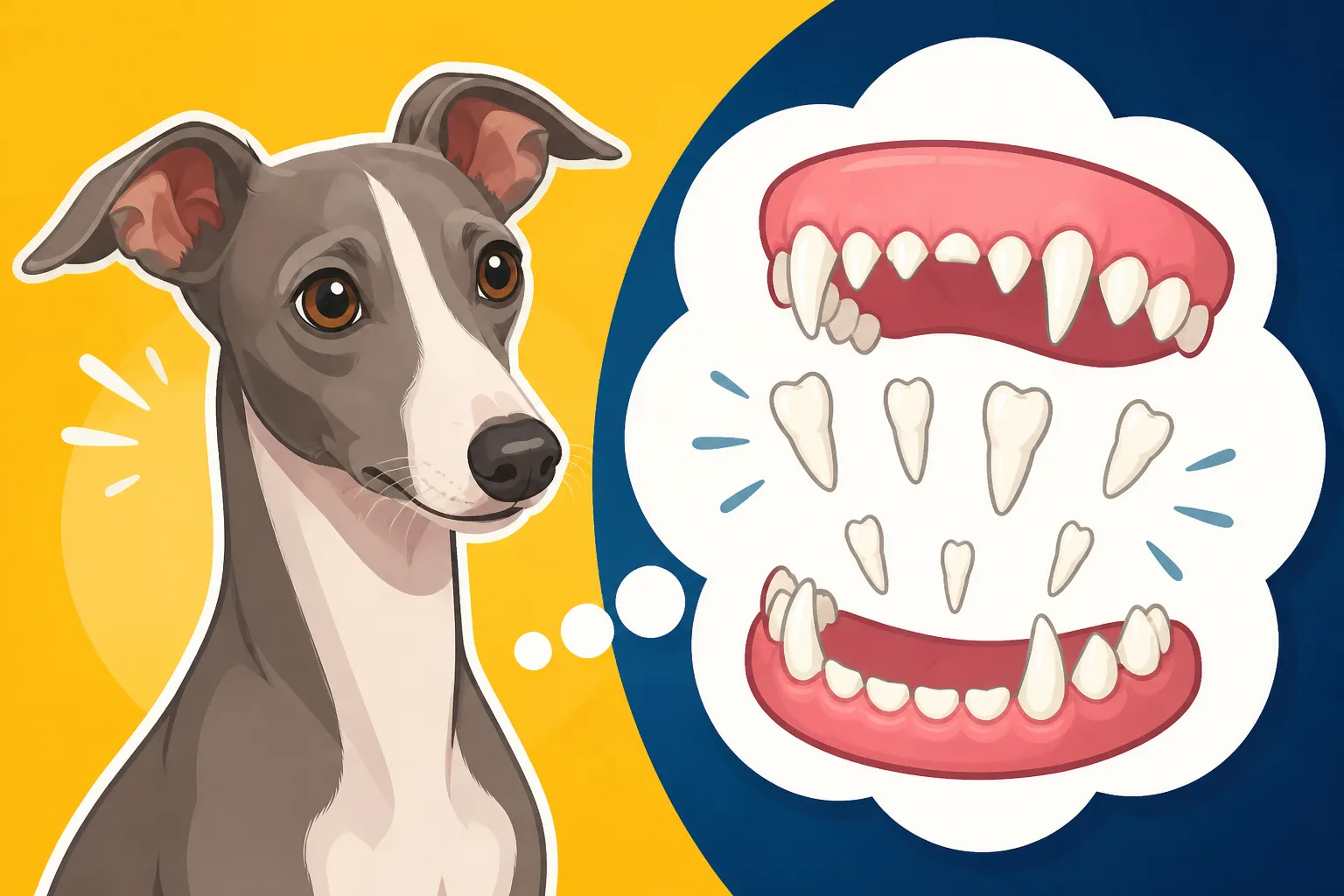
So, the big question: how many teeth does an Italian Greyhound lose by eight years old? The honest, if disheartening, answer is that it varies wildly based on genetics, early care, and consistent maintenance. However, it is very common for Italian Greyhounds to have lost a significant number of teeth by this age. We're not talking one or two; it's often more. Many Italian Greyhounds will have lost several incisors, some premolars, and potentially a molar or two by age eight, even with diligent care.
Without consistent, proactive dental care from a young age, an Italian Greyhound at eight years old might have lost half or more of their original 42 teeth. I've personally seen Iggies who, despite their owners' best intentions, needed extensive full-mouth extractions around this age because the disease had simply become too advanced. The delicate nature of their jawbones also plays a role; infections can weaken the jaw, making extractions even more critical, and sometimes more complex, to prevent Why an Italian Greyhound's Jaw Can Break During Extraction.
To give you a clearer picture, here's a rough estimation, acknowledging that every dog is an individual:
| Age Range | Typical Dental Status (Without Optimal Care) | Expected Number of Teeth Lost (Range) |
|---|---|---|
| Puppy (0-1 year) | Baby teeth retained, early plaque/tartar forming. | 0-2 (often baby teeth or severely compromised adult teeth post-retention) |
| Young Adult (1-3 years) | Visible tartar, gingivitis, potential early extractions for incisors. | 2-6 (primarily incisors, some premolars) |
| Middle Age (4-7 years) | Significant tartar, periodontal pockets, gingivitis to periodontitis, multiple extractions. | 6-15 (incisors, premolars, potentially molars) |
| By 8 Years Old | Advanced periodontal disease, extensive extractions required, potential for half or more of teeth lost. | 10-20+ (can be far more depending on individual factors) |
This table highlights just how aggressive dental disease can be in this breed. It’s a sobering thought, but facing this reality allows us to better prepare and act. While some Italian Greyhounds might be lucky and retain more teeth, the majority will face this challenge. This is why discussions around Whether an Italian Greyhound Can Keep Its Teeth for Life are so poignant for our breed.
Proactive Care: Slowing Down Tooth Loss
While the statistics can seem daunting, it's not a lost cause. Proactive, consistent care can absolutely slow the progression of dental disease and help your Italian Greyhound keep more of their teeth for longer. It's a commitment, but one that drastically improves their quality of life and overall health.
Daily Home Care: Brushing and Beyond
The single most effective thing you can do to combat dental disease in your Italian Greyhound is consistent daily home care, particularly tooth brushing. Yes, I know, it sounds like a chore, and getting a wriggly Iggy to cooperate can feel like an Olympic sport. But truly, Brushing an Italian Greyhound's Teeth Every Day is paramount. Regular brushing physically removes the plaque before it hardens into tartar. Use a soft-bristled toothbrush designed for pets or even a finger brush if your Iggy is particularly sensitive. Start slowly, make it a positive experience with treats and praise, and aim for at least once a day. Even just a minute or two on the outer surfaces of their teeth can make a huge difference.
Beyond brushing, consider other dental hygiene aids. Dental wipes can help remove some plaque, especially for those Iggies who are staunchly against a toothbrush. Veterinary dental rinses or water additives, while not a replacement for brushing, can help reduce bacteria in the mouth. Just be cautious with dental chews; some can be too hard for an Iggy's delicate teeth and jaw, potentially causing fractures. Always choose veterinary-approved options that are designed to be flexible and digestible. The goal is to create a multi-pronged approach to keep those tiny mouths as clean as possible between professional cleanings.
Professional Dental Cleanings: Your Iggy's Best Defense
As diligent as you might be with home care, professional dental cleanings are an unavoidable necessity for Italian Greyhounds. These cleanings, performed under anesthesia by your veterinarian, allow for a thorough examination of every tooth, removal of tartar above and below the gumline, and polishing of the tooth surfaces to make them less susceptible to new plaque buildup. Think of it as your own annual deep cleaning at the dentist – but for your dog, it's often even more critical.
Given their predisposition, many veterinarians recommend that Italian Greyhounds start getting professional cleanings as early as two or three years old, and then typically annually or bi-annually, depending on the individual dog's needs and the severity of their Why an Italian Greyhound's Teeth Crowd. During these procedures, your vet can identify and address issues like advanced gingivitis, periodontal pockets, and loose or fractured teeth that might need extraction. This proactive approach helps to manage the disease, prevent further bone loss, and relieve chronic pain that your Iggy might be silently enduring. Understanding What Happens During an Italian Greyhound's Dental can help alleviate some of the natural anxieties associated with anesthesia for a procedure.
Understanding Financial Realities and Insurance Options
Let’s be real – all this talk of frequent dental cleanings and potential extractions brings us to the financial aspect, which can be a significant concern for any pet owner. Dental work for Italian Greyhounds is not cheap, and these costs accumulate over their lifetime. What an Italian Greyhound's Lifetime Dental Costs can easily run into thousands of dollars. A single professional cleaning with a few extractions can range from several hundred to well over a thousand dollars, depending on the severity and location. And remember, this isn't a one-time expense; it's an ongoing commitment.
This is where pet insurance can be a real lifesaver. Companies like Healthy Paws offer coverage for unexpected illnesses and accidents, which often includes necessary dental procedures to treat periodontal disease, extractions, and associated anesthesia costs. It's crucial to get pet insurance early, ideally when your Iggy is a puppy, before any dental issues become "pre-existing conditions." While routine cleanings might not always be fully covered by standard plans, having coverage for the more extensive work, like multiple extractions or jaw repair in unfortunate circumstances, can provide immense peace of mind. Healthy Paws, and similar providers, can help mitigate the financial burden of what often becomes the largest recurring health expense for an Italian Greyhound owner, allowing you to prioritize your dog's oral health without immense financial strain.
Disclaimer
This article is for general informational purposes only and does not constitute professional advice. Laws, prices and regulations vary by location and change over time. Consult a qualified professional for guidance on your specific situation.