Finding a Surgeon Who Has Plated an Italian Greyhound
The sheer panic that washes over you when your beloved Italian Greyhound breaks a leg is unlike any other feeling. It's a terrifying, heartbreaking moment, and suddenly, you're thrust into a world of emergency vets, x-rays, and the urgent need to find the absolute best care for your fragile companion. This guide is here to walk you through the critical process of finding a specialized veterinary surgeon who truly understands the delicate intricacies of plating an Italian Greyhound's unique bone structure, offering you clear, compassionate direction during a profoundly stressful time.
The Unique Challenges of Italian Greyhound Fractures
Let's be brutally honest: Italian Greyhounds are built like exquisite, delicate porcelain statues. Their elegant, fine-boned structure is part of their charm, but it's also their Achilles' heel, especially when it comes to bone fractures. It's not a matter of if, but often when, an Italian Greyhound owner will face the terrifying reality of a broken leg. This isn't just any dog bone; it requires a specialized approach.
Why Their Bones are So Fragile
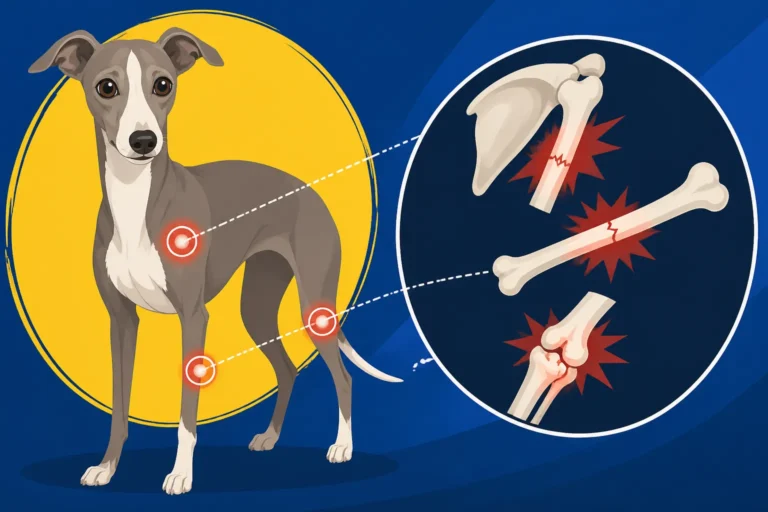
Italian Greyhounds possess an incredibly fine, almost bird-like bone structure, particularly in their lower legs. Unlike many other breeds with dense, sturdy bones, an IG's bones are slender and delicate, with minimal muscle mass to protect them. The most commonly fractured bones are the radius and ulna, which are the two long bones in their forearm. A seemingly innocent jump off the sofa, a misstep during play, or even being accidentally dropped can lead to a devastating break. It's a common fear among owners, and frankly, A Broken Leg Is the Emergency Every Italian Greyhound Owner Fears is a very real concern that keeps many of us on edge.
The fragility is compounded by their propensity for bursts of speed and incredible agility. They might leap off something high without a second thought, landing awkwardly, or become entangled in household items. This isn't a reflection of poor care; it's simply a genetic reality for the breed. Understanding this inherent delicacy is the first step in appreciating why standard orthopedic approaches often aren't enough for these dogs.
The Specificity of Plating in IGs
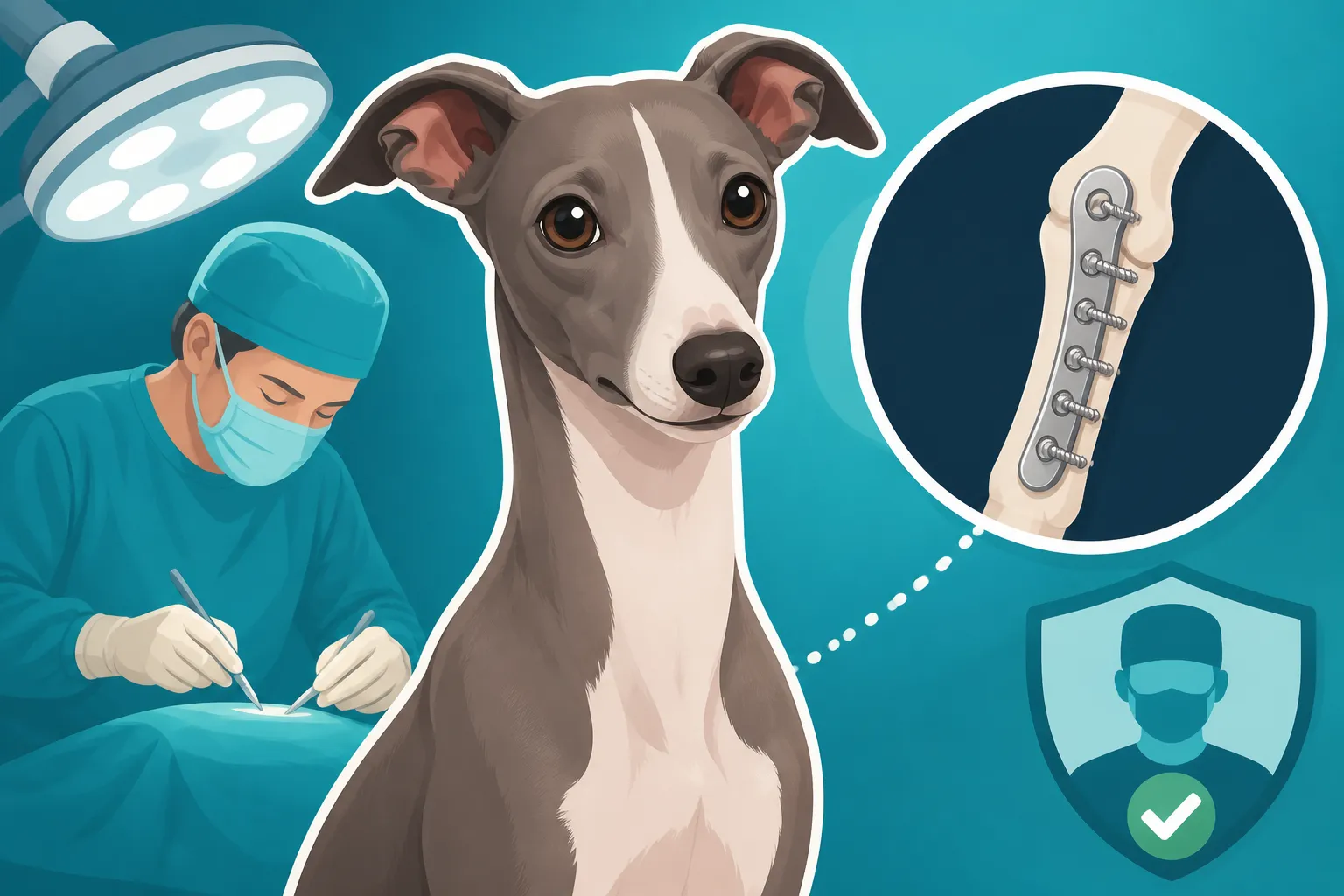
When an Italian Greyhound suffers a fracture, especially in the radius and ulna, a simple cast often isn't sufficient. These bones are under constant rotational stress, and the minimal soft tissue means casts can easily slip or cause pressure sores. Furthermore, the limited blood supply to certain areas of the lower limb can hinder healing. This is why plating, a surgical procedure involving tiny metal plates and screws to internally stabilize the bone, is frequently the preferred method of repair. It offers a much more stable environment for the bone to heal, allowing for better alignment and a reduced risk of non-union.
The challenge with plating an Italian Greyhound is the sheer size of the bones. They are incredibly small, requiring miniature implants and a surgeon with exceptional precision and experience. This isn't a surgery that just any general practitioner vet can confidently perform; it demands specialized equipment and extensive expertise in small animal orthopedics. For many Italian Greyhounds, their very survival and quality of life post-injury depend on finding a surgeon who intimately understands these unique requirements. It's a complex decision, and whether an Italian Greyhound's fracture needs a plate is often determined by the severity and location of the break, but it’s a strong likelihood for radial-ulnar fractures.
Where to Begin Your Search for a Specialist
When your IG breaks a leg, time is of the essence, but so is finding the right medical professional. You might feel overwhelmed and pressured to make quick decisions, but a methodical approach will serve your dog best.
Starting with Your Regular Vet
Your primary care veterinarian is usually the first point of contact in an emergency. They will stabilize your Italian Greyhound, provide pain relief, and perform initial diagnostics like X-rays to assess the severity and type of fracture. While your regular vet is invaluable for routine care, most do not have the specialized training or equipment necessary for complex orthopedic surgeries like plating an Italian Greyhound's delicate bones. Their crucial role, however, is to confirm the injury and, most importantly, provide a referral to a board-certified veterinary orthopedic surgeon.
Don't hesitate to ask your vet directly about their experience with Italian Greyhound fractures and their network of specialists. They should be able to recommend respected orthopedic specialists in your region or at a veterinary teaching hospital. The quicker you get a referral, the sooner your Italian Greyhound can be evaluated by someone equipped to handle such a specific injury. While Why an Italian Greyhound's Radius Is the Bone That Breaks is a common topic, actually repairing it is a whole different ballgame.
Seeking Board-Certified Veterinary Surgeons
This is where the rubber meets the road. For an Italian Greyhound fracture requiring plating, you absolutely need to seek out a board-certified veterinary surgeon. This isn't just a fancy title; it signifies that a veterinarian has completed extensive additional training, including a rigorous residency program, and has passed demanding examinations set by the American College of Veterinary Surgeons (ACVS). These specialists have dedicated their careers to advanced surgery and are much more likely to have experience with complex, delicate cases like Italian Greyhound fractures.
You can often find these specialists at large veterinary specialty hospitals, emergency and referral centers, or university veterinary teaching hospitals. Websites like the ACVS directory allow you to search for board-certified surgeons in your area. Don't be shy about asking if a potential surgeon is board-certified; it's a critical qualification for the best possible outcome for your Italian Greyhound.
Utilizing Breed-Specific Networks
Italian Greyhound owners are a passionate and close-knit community, largely because we all understand the unique joys and challenges of owning these wonderful, fragile creatures. When facing a broken leg, one of the most invaluable resources you have is the collective experience of other IG owners. Breed-specific rescue organizations, national Italian Greyhound clubs, and active online forums (like Facebook groups dedicated to IGs) are treasure troves of information and recommendations.
Many long-time Italian Greyhound owners have sadly been through the fracture ordeal themselves and can often recommend specific surgeons or specialty practices that have successfully treated their dogs. These recommendations often come with personal anecdotes and insights into which specialists genuinely understand the breed's quirks and specific needs. Reach out to these communities; they can offer emotional support and practical advice, often including names of surgeons who have a proven track record of plating Italian Greyhounds.
Key Questions to Ask Potential Surgeons
Once you've identified a few potential surgeons, it's vital to have a detailed conversation. This is your chance to gather crucial information and ensure you feel confident in their ability to treat your Italian Greyhound.
Experience with Italian Greyhounds and Similar Breeds
This is perhaps the most important question you can ask: "Have you specifically performed plating surgery on Italian Greyhounds before?" While a surgeon might be board-certified and highly skilled, experience with this particular breed, or even similar delicate sighthounds like Whippets, is incredibly valuable. Ask about:
- Number of Italian Greyhound fracture repairs: How many has the surgeon performed, and what types of fractures were they?
- Specific fracture sites: Does their experience include the radius and ulna, which are common break points for IGs? Why an Italian Greyhound's Radius Is the Bone That Breaks is a critical area of expertise.
- Success rates and complications: What are their typical outcomes for IG fractures, and what complications have they encountered?
- Size of implants: Discuss the availability and use of appropriately sized, miniature plates and screws for your dog's tiny bones.
A surgeon who lights up when you mention "Italian Greyhound" and can discuss the breed's specific anatomical challenges is a huge positive sign. You're looking for someone who doesn't just treat a dog, but your Italian Greyhound.
Understanding the Surgical Approach and Expected Outcomes
Beyond experience, you need a clear understanding of the proposed surgical plan and what to expect during and after the procedure. Ask your chosen surgeon to explain:
- Type of repair: Why is plating recommended over other methods (like an external fixator), and what are the pros and cons for your specific dog?
- Surgical technique: How will the surgery be performed? Will it be minimally invasive if possible?
- Prognosis: What is the expected long-term outcome? Will your Italian Greyhound regain full function of the leg? What is the likelihood of Whether an Italian Greyhound Regains Full Use of the Leg?
- Potential complications: Discuss risks such as infection, non-union (the bone not healing), implant failure, or nerve damage.
- Healing timeline: How long is the estimated recovery period, and what are the milestones? How Long an Italian Greyhound Takes to Heal a Fracture can vary significantly based on the severity and method of repair.
A good surgeon will take the time to answer all your questions thoroughly, using clear, understandable language, and will set realistic expectations for the entire process.
Post-Operative Care and Support
The surgery itself is only half the battle. The post-operative care for an Italian Greyhound fracture is incredibly demanding and crucial for a successful outcome. Discuss with the surgeon and their team:
- Immediate post-op: What kind of pain management will be in place? What will the initial bandage or splint entail?
- Strict confinement: How long will strict crate rest be required? How Long an Italian Greyhound Stays Crated After Surgery is often much longer than owners anticipate and is critical to prevent re-injury.
- Follow-up appointments and X-rays: What is the schedule for follow-up checks and imaging to monitor healing?
- Physical rehabilitation: Will physical therapy be recommended, and do they have in-house services or refer to specialists? This can significantly improve mobility and prevent muscle atrophy.
- Long-term considerations: What are the chances of developing Arthritis in an Italian Greyhound's Healed Leg later in life, and what preventative measures can be taken?
A comprehensive post-operative plan and a supportive veterinary team are essential for navigating the challenging recovery period.
Navigating Logistics and Financial Considerations
Finding the right surgeon is one thing, but getting your Italian Greyhound to them and managing the significant costs involved are equally important aspects of this journey.
Geographic Reach and Travel
It's a tough pill to swallow, but the best surgeon for your Italian Greyhound's specific fracture might not be conveniently located. Depending on where you live, you might need to travel several hours, or even across state lines, to reach a specialist with the necessary experience. This adds another layer of stress and logistical planning, from secure transport to potential overnight stays.
Consider the immediate needs: if the fracture is truly an emergency, your local emergency vet can stabilize your dog. Then, you may need to arrange specialized transport to the referral clinic. Sometimes, the initial stabilization and pain management can buy you a day or two to organize travel to the most appropriate surgeon. Do not hesitate to call multiple specialty hospitals to compare expertise and availability, even if it means a longer drive.
Costs and Insurance
Let's not sugarcoat it: a broken leg on an Italian Greyhound, especially one requiring specialist plating surgery, is incredibly expensive. We’re talking thousands of dollars, easily reaching into the five-figure range. What Fracture Repair Costs on an Italian Greyhound is often the biggest bill an Italian Greyhound owner gets, and it can be a staggering financial burden.
This is precisely where having robust pet insurance, like a policy from Healthy Paws, can be a game-changer. Pet insurance can significantly alleviate the financial strain, allowing you to focus on your dog's recovery rather than crippling debt. If you don't have insurance, or if the waiting period means your current policy won't cover it, discuss payment plans, veterinary credit cards (like CareCredit), or even fundraising options with the veterinary clinic. They often have financial counselors who can help you explore all available avenues. Having an emergency fund or a policy from providers like Healthy Paws can make all the difference in these critical situations.
Here's a quick overview of who you might encounter and their typical roles in a fracture case:
| Veterinary Professional Type | Typical Role in Italian Greyhound Fracture Cases |
|---|---|
| General Practice Veterinarian | Initial assessment, stabilization, pain relief, diagnostic X-rays, referral. |
| Emergency Veterinarian | Immediate stabilization, pain management, temporary splinting, referral to specialist. |
| Board-Certified Orthopedic Surgeon | Definitive diagnosis, surgical planning, plating or other advanced fracture repair. |
| Rehabilitation Veterinarian | Post-operative physical therapy, exercises, pain management for recovery. |
Remember, while the financial aspect is daunting, your Italian Greyhound's well-being is paramount. Explore every option, reach out to every resource, and advocate tirelessly for the best possible care. Many Italian Greyhounds go on to lead full, active lives after a successful fracture repair, especially when the right surgeon and dedicated post-operative care are involved. Pet insurance like Healthy Paws can be an invaluable partner in ensuring your dog gets that chance.
Disclaimer
This article is intended for informational purposes only and is not a substitute for professional veterinary advice. Always consult with a qualified veterinarian for any health concerns or before making any decisions about your pet's medical care.