How Long an Italian Greyhound Takes to Heal a Fracture
One of the most heart-stopping moments for any Italian Greyhound owner is the sudden, sickening sound or sight of their beloved companion suffering a leg fracture. It's a terrifying experience that instantly sends you into a panic, wondering not only about the immediate pain and vet visit but also the long, arduous road to recovery. This guide aims to demystify the fracture healing process in Italian Greyhounds, offering realistic expectations for recovery times, what influences them, and how you can best support your furry friend through this challenging period.
Understanding the Italian Greyhound's Fragile Bones
Let's face it, our Iggies are built like delicate sculptures, and while their elegance is part of their charm, it also means they come with a significant vulnerability: their bones. It's not a flaw in the breed, but rather a characteristic that prospective owners need to fully understand and respect.
Why Iggies Are Prone to Fractures
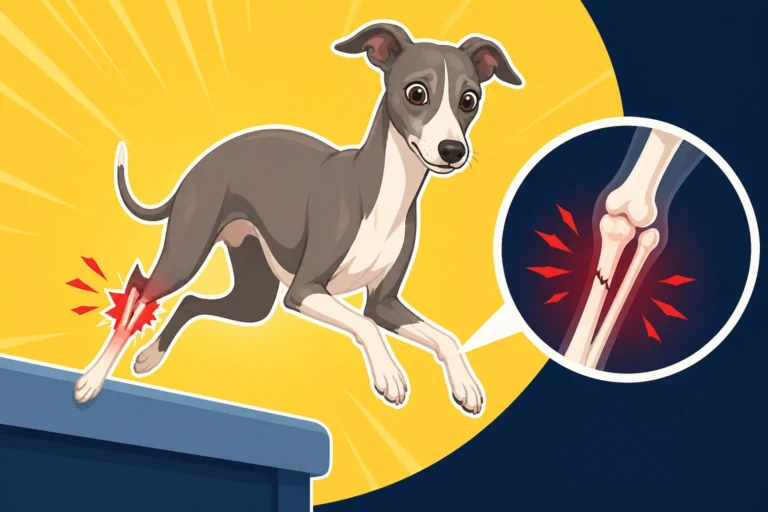
The Italian Greyhound's slender, refined build, while undeniably beautiful, is also the root cause of their propensity for fractures. Unlike many other breeds, Iggies possess exceptionally thin cortical bone, which is the dense outer layer of bone that provides strength. Imagine a bone as a sturdy tree trunk; in many dogs, that trunk is thick and robust. In an Italian Greyhound, it's more akin to a delicate sapling, less able to withstand sudden impacts or torsional forces. This unique bone structure means that what might be a minor bump or sprain for a stockier dog can result in a clean break for an Iggy.
Their minimal body fat also plays a role. Where a thicker layer of muscle and fat might provide some cushioning in a fall, Italian Greyhounds have very little. Their skin is practically glued to their muscle, which is then practically glued to their bone. This lack of natural padding means that any force is directly transmitted to the bone, increasing the risk of injury. Owners often find themselves asking, "Why an Italian Greyhound's Leg Bones Break So Easily," and it truly comes down to this combination of delicate bone structure and scant protective tissue. The bones most commonly affected are the long bones of the forelegs, particularly the radius and ulna, which are relatively slender and bear a significant amount of weight and impact during their energetic bursts of activity.
Common Scenarios Leading to Breaks
It's a heartbreaking truth that most Italian Greyhound fractures happen during everyday activities, often within the supposed safety of their own home. It’s rarely a dramatic car accident or a fall from a great height, but rather something seemingly innocuous. One of the most common culprits is the seemingly innocent act of jumping off furniture. A sofa that seems perfectly safe for other pets or even children can be a death trap for an Iggy. They misjudge a landing, twist awkwardly, or simply land with too much force on those delicate forelegs, leading to a sudden snap. For more on this, you might find "The Jump Off the Sofa That Breaks an Italian Greyhound's Leg" to be an insightful read.
Roughhousing, especially with larger, heavier dogs or rambunctious children, is another frequent cause. An Italian Greyhound’s playful nips and darts can easily be misinterpreted, or they can simply get knocked over by a dog many times their weight, leading to a fracture. This is why many experienced Iggy owners strongly advocate for supervised playdates and recommend avoiding dog parks altogether. Even being accidentally dropped, whether from a person's arms or off a grooming table, can cause a severe break requiring extensive surgery. The sheer fragility means constant vigilance is required, especially in their younger, more boisterous years when their bones are still developing.
Immediate Steps After a Suspected Fracture
When you suspect your Italian Greyhound has broken a leg, every second feels like an eternity. The initial shock can make it hard to think clearly, but knowing what to do immediately can significantly impact your Iggy's prognosis and comfort.
Recognizing the Signs of a Break
Identifying a fracture in an Italian Greyhound can sometimes be trickier than you'd expect, especially with their stoic nature. Often, the most obvious sign is an immediate, non-weight-bearing lameness – they simply won't put any pressure on the affected leg. You might observe visible swelling around the injury site, an unnatural angle to the limb, or even the bone protruding in severe open fractures. Your Iggy might vocalize in pain, but some are surprisingly quiet, simply withdrawing and shivering.
However, don't be fooled if your Iggy seems to be using the leg, albeit awkwardly. Sometimes, despite a clean break, Italian Greyhounds, being sighthounds with a high pain threshold and strong drive, might still try to run or hop on a compromised limb. This can worsen the injury and delay healing. If you witness a fall or an incident and your dog is even slightly off, showing any discomfort, or favoring a leg, it's always best to err on the side of caution. Even subtle signs like a reluctance to jump, a change in gait, or persistent licking of a particular limb warrant immediate veterinary attention. Timely identification and intervention are crucial when dealing with a potential fracture.
First Aid and Emergency Vet Care
The moment you suspect a fracture, your priority is to keep your Italian Greyhound as still and calm as possible to prevent further damage. Gently confine them to a small crate or a box lined with soft blankets. Avoid trying to manipulate the limb yourself, as this can cause immense pain and worsen the fracture. If you have a clean, stiff material like a rolled newspaper or a ruler, you can very carefully apply a temporary splint to immobilize the limb, wrapping it snugly but not tightly with vet wrap or a clean cloth, ensuring it extends above and below the suspected break. However, if you are unsure or fear causing more pain, simply limiting movement is best.
Transporting your Iggy to the emergency vet requires careful handling. Cradle them gently, supporting their body so the injured leg isn't hanging freely. If possible, have someone else drive so you can focus on comforting your dog. Upon arrival, emphasize to the veterinary staff that you have an Italian Greyhound with a suspected fracture. It's essential to find a veterinarian who has experience with sighthounds, as their unique physiology, particularly their bone structure and anesthetic sensitivities, requires specialized care. This immediate, careful emergency care is the first critical step in ensuring the best possible outcome for your precious companion.
The Healing Process: What to Expect
Once your Italian Greyhound has seen the emergency vet, and a fracture has been confirmed via X-rays, the real journey toward healing begins. This process is complex and requires both expert veterinary intervention and diligent home care.
Initial Treatment and Repair Options
The initial treatment for an Italian Greyhound fracture is almost always surgical intervention. While a simple cast might work for some breeds with less active lifestyles or different bone structures, it rarely provides adequate stability for an Iggy's delicate, often spiral or comminuted (multiple pieces) fractures, especially in the radius and ulna. For more insights on the necessity of surgical intervention, "Whether an Italian Greyhound's Fracture Needs a Plate" delves deeper into this topic. The preferred methods involve internal fixation, using plates and screws, or external fixation, where pins are inserted into the bone and connected to an external frame.
Internal plating, often with tiny, custom-fit plates and screws, provides excellent stability, allowing the bone fragments to align perfectly and fuse. External fixators are sometimes chosen for very complex fractures or those with open wounds, as they allow for easier wound access and adjustment. These procedures require a highly skilled orthopedic surgeon, ideally one with experience working on sighthounds. The precision needed to work with such small, fragile bones is immense. After surgery, the leg will typically be bandaged or casted, even if internally plated, to provide additional protection during the initial, most vulnerable healing phase. This initial treatment sets the stage for the body's natural healing mechanisms to take over.
Phases of Fracture Healing
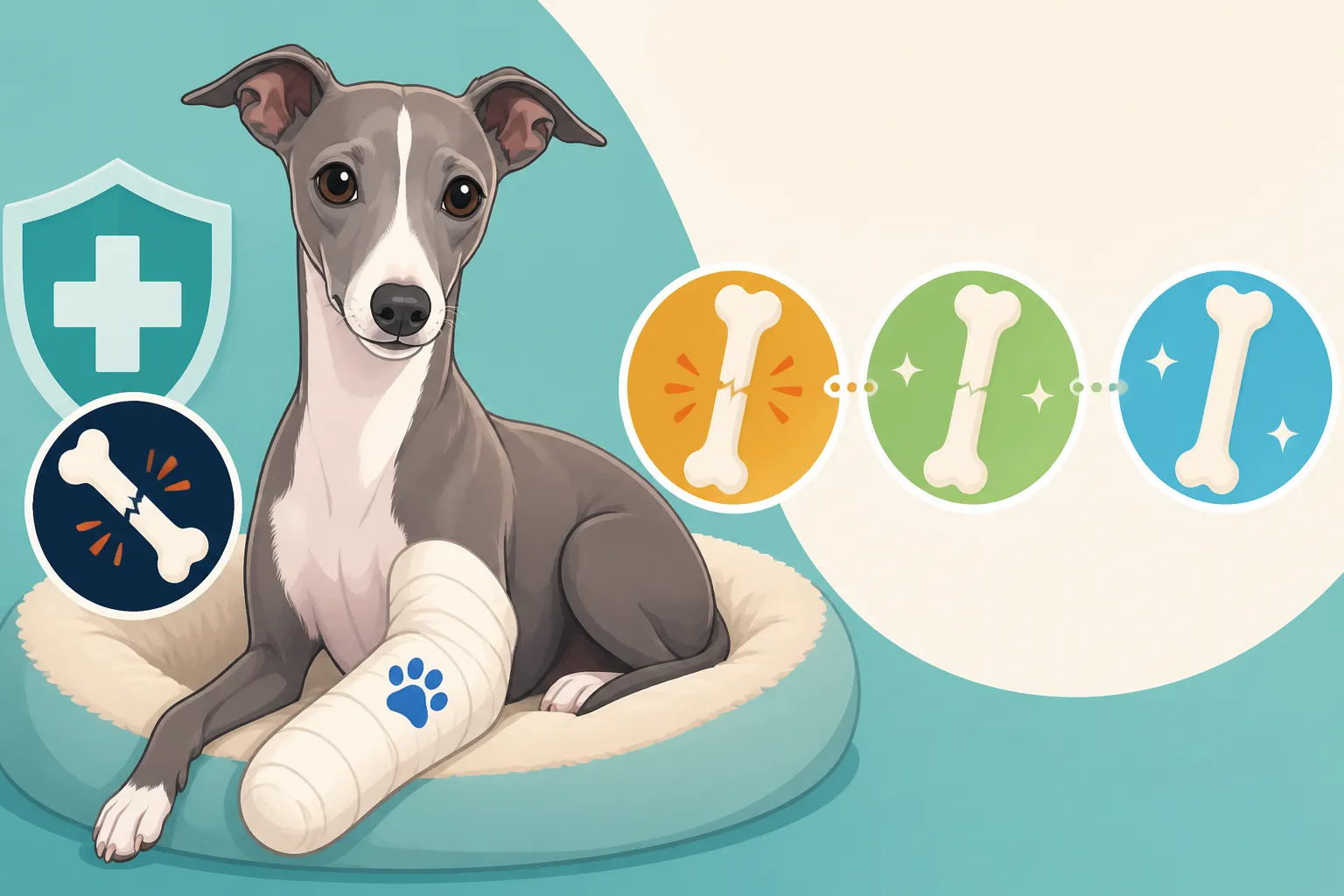
Fracture healing is a remarkable biological process that generally unfolds in distinct, overlapping phases:
- Inflammatory Phase (Days 0-5): Immediately after the fracture, the body initiates an inflammatory response. Blood clots form at the fracture site, creating a hematoma. This clot provides a scaffold and releases growth factors and cells that are crucial for healing. Swelling and pain are most pronounced during this initial stage.
- Soft Callus Formation (Days 4-21): Over the next few weeks, the hematoma is gradually replaced by granulation tissue and then by a soft, fibrous callus. This soft callus is mainly composed of cartilage and woven bone, providing some stability to the fracture but not yet rigid. It's during this phase that proper alignment and immobilization are absolutely critical to prevent the soft callus from being disrupted.
- Hard Callus Formation (Weeks 3-6+): As healing progresses, the soft callus begins to mineralize and harden, transforming into a hard callus of immature bone. This is when the X-rays will start to show visible bone bridging across the fracture line. The bone becomes increasingly stable, though it's still weaker than the original bone. The specific timeline here is highly dependent on the Iggy's age; a young Italian Greyhound puppy will move through this stage much faster than an adult.
- Remodeling Phase (Months to Years): This is the longest phase, where the hard callus is gradually reshaped and strengthened. The body removes excess bone material and replaces the immature woven bone with stronger lamellar bone, restoring the bone to its original shape and strength. This process can continue for many months, even a year or more, especially in adult dogs. While the bone may appear healed on X-rays after a few months, the remodeling phase is essential for long-term integrity.
Understanding these phases helps owners appreciate why the recovery journey is not a sprint, but a marathon, requiring immense patience and adherence to veterinary instructions.
The Typical Timeline for Italian Greyhound Fracture Healing
The question on every Iggy owner's mind after a fracture diagnosis is, "How long until my dog is back to normal?" The answer, while never exact, depends heavily on several factors, with age being one of the most significant.
Puppy vs. Adult Healing Rates
One of the most striking differences in fracture healing lies between a young Italian Greyhound puppy and an adult. Puppies, with their rapidly growing bones and active growth plates, possess an incredible capacity for regeneration. Their cells are highly active, and their metabolic rate is geared towards growth and repair. Consequently, a fracture in a puppy can often show significant healing in as little as 4-6 weeks, with full weight-bearing potentially returning around 6-8 weeks. Their bones are less dense but more pliable, and their bodies are primed for rapid bone turnover. The age at which "The Age an Italian Greyhound's Bones Finish Hardening" directly impacts these healing rates.
For an adult Italian Greyhound, the healing timeline is considerably longer. Adult bones are fully mature and no longer have the benefit of active growth plates. The healing process is slower, and the inflammatory and callus formation phases take more time. Typically, an adult Iggy fracture will require 8-12 weeks before adequate hard callus formation allows for cautious, supervised weight-bearing. Full recovery, where the bone is strong enough for more normal activity, often extends to 4-6 months, and the remodeling phase can continue for much longer. This prolonged period means that strict activity restriction for "How Long an Italian Greyhound Stays Crated After Surgery" is not just recommended, but absolutely essential for adults.
Factors Influencing Healing Time
Beyond age, a multitude of factors can influence how quickly, or slowly, an Italian Greyhound's fracture heals:
- Type of Fracture: A simple, clean break (transverse fracture) generally heals faster than a comminuted fracture (multiple pieces) or an open fracture (where the bone breaks through the skin). Open fractures carry a higher risk of infection, which can severely impede healing. Spiral fractures, common in Iggies due to twisting injuries, also tend to take longer due than simpler breaks.
- Location of Fracture: Fractures in areas with good blood supply, like the tibia (shin bone), often heal faster than those in areas with poorer blood supply, such as the distal radius and ulna (forearm bones), which are unfortunately very common in Italian Greyhounds. The unique anatomy of the Iggy's radius, as detailed in "Why an Italian Greyhound's Radius Is the Bone That Breaks," contributes to both the frequency and complexity of these specific fractures.
- Severity of Damage: Extensive soft tissue damage around the fracture site, nerve damage, or significant displacement of bone fragments can all prolong healing.
- Immobilization and Stability: The more stable the fracture repair, the faster and more effectively the bone can heal. Poor stabilization, movement at the fracture site, or loosening of implants can lead to delayed union or non-union, where the bone fails to heal.
- Infection: Any infection, particularly in an open fracture or following surgery, can significantly hinder the healing process, requiring additional treatment with antibiotics.
- Nutrition and Overall Health: A balanced diet rich in essential nutrients is vital for bone repair. Underlying health conditions can also impact the body's ability to heal effectively.
- Owner Compliance: This is perhaps one of the most crucial factors for Iggies. Strict adherence to post-operative instructions, particularly regarding activity restriction, is paramount. Allowing an Iggy to run, jump, or play too soon can easily re-fracture the healing bone or cause implant failure, sending you back to square one, often with even more complex and costly repairs. This compliance is essential throughout the entire healing journey.
Post-Operative Care and Rehabilitation
Surgery is only the beginning of the healing journey for an Italian Greyhound with a fracture. The success of the repair hinges significantly on the quality of post-operative care and rehabilitation provided at home. This phase demands immense dedication and patience from the owner.
Strict Rest and Activity Restriction
This cannot be stressed enough: strict rest and activity restriction are the cornerstones of successful fracture healing in Italian Greyhounds. Immediately after surgery, your Iggy will likely come home with bandages, an external fixator, or a cast. The surgeon will provide specific instructions, but generally, this means absolute confinement to a small, comfortable crate for weeks, sometimes months. This isn't optional; it's critical. Even short bursts of activity, a playful jump, or an unexpected twist can compromise the surgical repair, leading to serious setbacks.
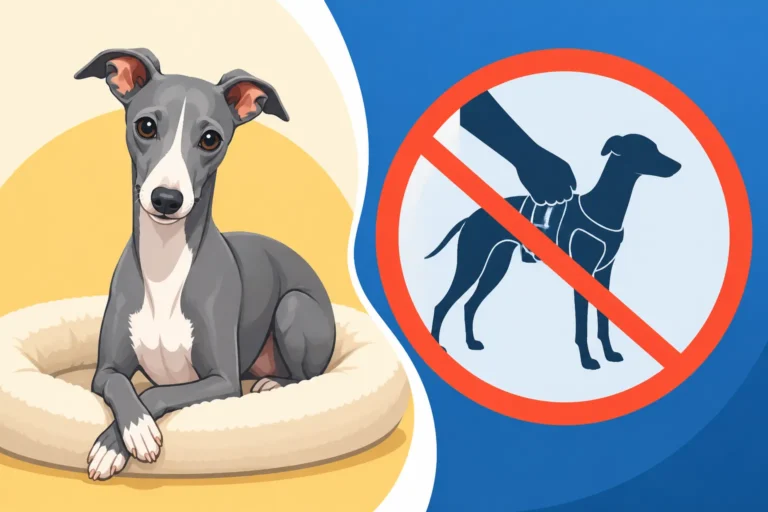
Your Iggy should only be out of the crate for controlled, short leash walks to relieve themselves, ideally on a harness that prevents any strain on the healing limb. Avoid stairs, slippery floors, and interactions with other pets or enthusiastic children. This period of confinement is challenging, both for you and your naturally energetic Iggy. They might get frustrated or try to sneak out, but consistency is key. Providing mental stimulation through puzzle toys or gentle petting can help alleviate boredom. For some owners, knowing "How Long an Italian Greyhound Stays Crated After Surgery" is a crucial piece of information to mentally prepare for the commitment ahead.
Monitoring and Follow-up X-rays
Regular veterinary check-ups and follow-up X-rays are non-negotiable during the healing process. Your surgeon will schedule these appointments to monitor the progress of bone healing and assess the integrity of the implants. Typically, X-rays are taken every 3-4 weeks to track callus formation and ensure proper alignment. These visits are also an opportunity for the vet to check for any signs of infection, bandage sores, or other complications.
It’s important to watch your Iggy closely at home for any red flags. Signs like persistent swelling, discharge from the incision site, an unpleasant odor, worsening lameness, or a sudden increase in pain could indicate a complication like infection or implant failure. Don't hesitate to contact your vet immediately if you notice anything concerning. Early detection of issues can often prevent more severe problems and avoid the need for further extensive interventions. Veterinary attention is also vital for ensuring the proper removal of external fixators or deciding when an internal plate might eventually be removed, although many internal plates are left in place permanently if they are not causing issues.
Physical Therapy and Gradual Return to Activity
Once X-rays confirm sufficient bone healing, usually around 8-12 weeks for adults (shorter for puppies), your vet will guide you through a gradual return to activity, often incorporating physical therapy. This isn't about letting your Iggy run wild; it's a carefully structured program designed to regain strength, flexibility, and normal gait without stressing the still-recovering bone.
Physical therapy might include passive range of motion exercises (gently flexing and extending joints), controlled weight-bearing exercises, balance work, and potentially hydrotherapy (underwater treadmill) which provides buoyancy to reduce weight on the limb while strengthening muscles. These exercises help prevent muscle atrophy, improve joint mobility, and re-educate the leg on how to move correctly. The goal is not just to heal the bone, but to restore full function. "Whether an Italian Greyhound Regains Full Use of the Leg" often depends heavily on this rehabilitation phase. This entire process is gradual, moving from short, slow leash walks to slightly longer, more dynamic activities over several weeks or months. Rushing this stage dramatically increases the risk of re-injury. Patience and strict adherence to the therapist’s instructions are paramount to ensure your Italian Greyhound’s long-term mobility and quality of life.
Long-Term Outlook and Prevention
Successfully navigating an Italian Greyhound fracture is a marathon, not a sprint. The good news is that with diligent care, most Iggies make a remarkable recovery. However, understanding the long-term outlook and taking proactive steps to prevent future incidents is crucial for their well-being.
Regaining Full Function and Potential Complications
For the vast majority of Italian Greyhounds, especially those with good surgical repair and committed post-operative care, regaining excellent function of the fractured limb is highly achievable. Many Iggies return to their pre-injury levels of activity, running and playing with their characteristic zest. However, it's also realistic to acknowledge that some may develop long-term complications.
The most common long-term issue is the development of arthritis in the affected joint or limb, particularly if the fracture involved a joint or if there was significant soft tissue trauma. This can manifest as a slight limp, stiffness, especially in cold weather or after rest, or a reduced range of motion. While not debilitating, it might require ongoing management with joint supplements, anti-inflammatory medications, or periodic cold laser therapy. Rarely, chronic pain, nerve damage, or persistent lameness can occur, sometimes necessitating further interventions or even, in the most extreme and rare cases of non-union or repeated fracture, amputation. The possibility of such complications underscores the importance of continued vigilance and a strong partnership with your veterinarian throughout your Iggy's life.
Preventing Future Fractures
Learning from a fracture experience is vital for protecting your Italian Greyhound moving forward. Prevention is always better than cure, especially with a breed so prone to these devastating injuries.
Here are some key preventative measures:
- Home Modifications: One of the most impactful changes you can make is modifying your home environment. Install Ramps and Steps for an Italian Greyhound's Furniture to prevent jumping off sofas and beds. Consider gating off stairs, especially for young puppies or senior Iggies who may have compromised vision or mobility. Ensure non-slip runners or rugs are placed on hardwood or tile floors to provide traction and reduce the risk of slips and falls.
- Supervised Play: Always supervise your Italian Greyhound, especially around other dogs or children. Avoid rough play with larger dogs, as even a playful bump can result in a serious injury. "Why an Italian Greyhound Puppy Should Not Wrestle Big Dogs" is an essential read for new owners. Educate children and guests on how to safely interact with your delicate Iggy, emphasizing gentle handling and never dropping them.
- Leash Etiquette: Always keep your Italian Greyhound on a leash when outdoors, unless in a securely fenced area. Their powerful prey drive and incredible speed mean they can chase a squirrel or rabbit into traffic in a split second. A proper-fitting harness is also crucial to prevent them from slipping out of their collar.
- Body Condition: Maintain your Iggy at a healthy, lean weight. Obesity puts additional stress on their joints and bones, increasing fracture risk.
- Regular Vet Check-ups: Ensure your Iggy receives regular veterinary check-ups to monitor their overall health, bone density, and address any orthopedic concerns early.
Finally, while prevention is paramount, accidents can still happen. This is where pet insurance can be a literal lifesaver. Companies like Healthy Paws offer robust coverage for accidents and illnesses, which can significantly ease the financial burden of a fracture repair. Knowing that you have support from Healthy Paws can give you peace of mind, allowing you to focus on your Iggy's recovery without the added stress of exorbitant veterinary bills. Considering "What Fracture Repair Costs on an Italian Greyhound" makes it clear that such an investment is more than worthwhile. Many owners find that a policy from Healthy Paws becomes an indispensable part of their Italian Greyhound's long-term care plan, especially given the breed's unique health considerations.
Fracture Healing Stages and Timelines
Here's a general overview of the fracture healing process in Italian Greyhounds, keeping in mind that individual experiences can vary widely.
| Healing Stage | Description | Puppy (Approximate Timeline) | Adult (Approximate Timeline) | Owner Responsibility |
|---|---|---|---|---|
| Initial Injury & Inflammation | Fracture occurs, blood clot forms, inflammation begins. Pain and swelling are evident. | Day 0-3 | Day 0-5 | Immediate vet visit, emergency first aid, pain management. |
| Soft Callus Formation | Granulation tissue and cartilage begin to bridge the fracture site. Some initial stability. | Weeks 1-2 | Weeks 1-3 | Strict crate rest, controlled leash walks for potty breaks only, medication administration, initial bandage/cast changes. |
| Hard Callus Formation | Cartilage in soft callus mineralizes, creating immature bone. Visible on X-rays. Increasing stability, but still vulnerable. | Weeks 3-5 | Weeks 4-8 | Continued strict crate rest, regular vet check-ups & X-rays, careful monitoring for complications. |
| Clinical Union (Weight Bearing) | Fracture site is stable enough for cautious, supervised weight-bearing. Implants may be removed (external fixators). | Weeks 6-8 | Weeks 8-12 | Vet approval for gradual increase in activity, introduction of passive physical therapy, continued supervision. |
| Bone Remodeling | Immature bone is replaced by stronger lamellar bone. Bone regains original strength and shape. Continues long after clinical healing. | Months 3-6 | Months 4-12+ | Progressive physical therapy, controlled exercise program, ongoing monitoring for lameness or discomfort, joint support as needed. Gradual return to normal activity. |
Please remember, these are general guidelines. Every fracture is unique, and your veterinarian's specific instructions for your Italian Greyhound should always take precedence.
Disclaimer
The information provided in this guide is intended for educational purposes only and should not be considered a substitute for professional veterinary advice. Always consult with a qualified veterinarian or veterinary orthopedic specialist regarding any health concerns or before making any decisions about your Italian Greyhound's care, especially concerning a fracture.