Restricting an Italian Greyhound Under Two
Bringing home an Italian Greyhound puppy is an absolute joy, a whirlwind of tiny zoomies and cuddles. But amidst all that excitement, a quiet fear often gnaws at new owners: the terrifying fragility of their delicate limbs. Many of us have heard the horror stories, or worse, lived through them. It’s incredibly frustrating to have a dog so full of life, yet so susceptible to injury, especially during their formative years. This guide is here to walk you through exactly why and how restricting an Italian Greyhound under the age of two is crucial for their long-term health and well-being, helping you navigate this challenging but vital period.
Understanding the Fragile Years: Why Restriction is Crucial for Italian Greyhounds Under Two
It's tempting to let a playful Italian Greyhound puppy run wild, to jump and bound with the seemingly boundless energy they possess. However, beneath that sleek, athletic exterior lies a skeletal system that is, frankly, still a work in progress. Ignoring this critical developmental stage can lead to devastating consequences that no new owner ever wants to face.
The Developing Skeletal System and Growth Plates
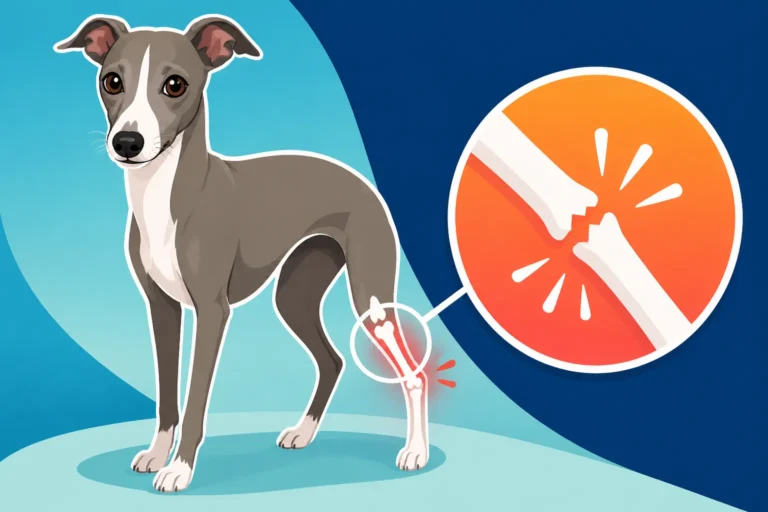
When an Italian Greyhound is young, especially under the age of two, their bones are not yet fully mature or dense. Unlike many other breeds, Iggies have particularly slender, fine bones, which is part of their elegant charm but also their greatest vulnerability. Specifically, the long bones in their legs, like the radius and ulna, are quite delicate. These bones are connected by areas called growth plates (epiphyseal plates), which are essentially soft, cartilaginous areas where bone growth occurs. Think of them as the "construction zones" of the bones.
These growth plates remain unfused, or "open," for a significant period. For Italian Greyhounds, these crucial growth plates typically don't fully close and harden until they are around 18 months to two years old, sometimes even a bit later for larger individuals. Until these plates are completely calcified and become solid bone, they are incredibly susceptible to injury. A seemingly innocent jump off a sofa, a misstep during a frantic zoomie, or even a tumble can exert enough force to damage or fracture these soft areas. This is often the underlying reason Why an Italian Greyhound's Radius Is the Bone That Breaks, as it's a common site for these types of growth plate injuries.
The Peril of Puppy Play and Overexertion
Italian Greyhounds are sighthounds, bred for speed and agility. They are bundles of energy, prone to sudden bursts of activity known as "zoomies." This natural exuberance, while adorable, can be a major risk factor during their fragile puppyhood. They don't have an innate understanding of their physical limitations, nor do they often possess the body awareness to land safely from heights or navigate tricky terrain. Their instinct is simply to go, go, go!
This high-energy play, especially with larger, heavier dogs, can easily lead to accidents. A playful nip and tumble from a Labrador or a well-meaning roughhouse from a Boxer can spell disaster for a young Italian Greyhound's delicate legs. Even playing with other Iggies can be risky if not closely monitored. Furthermore, their intense prey drive means they might bolt after a squirrel or a bird without a second thought, ignoring potential hazards like curbs, fences, or slippery surfaces. It's a sad reality that sometimes, even in their own yard, an Italian Greyhound can break a leg if not properly supervised and the environment isn't secure.
Practical Strategies for Safe Puppyhood: Implementing Effective Restriction
Knowing that your Italian Greyhound puppy is delicate is one thing; actually living with and managing that delicacy without stifling their spirit is another. It requires a thoughtful, proactive approach to their environment and daily activities. It's about creating a world where they can thrive safely, not just exist.
Creating a "Safe Zone" in Your Home
The vast majority of Italian Greyhound fractures happen in the home environment, during everyday activities that seem harmless to us. This is why transforming your home into a "safe zone" is the most impactful step you can take. Start by looking at your home from your Italian Greyhound's perspective – what are the potential hazards?
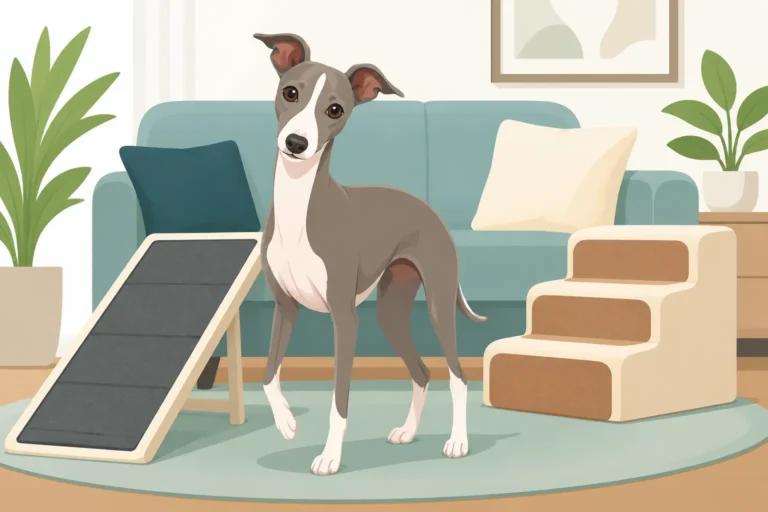
Furniture Accessibility: Sofas, chairs, and beds are often the culprits. An Italian Greyhound's favorite spot is usually snuggled up with you, but that means they'll inevitably jump down. Even a low jump can be enough to cause a fracture, especially if they land awkwardly or on a hard surface. Investing in Ramps and Steps for an Italian Greyhound's Furniture is not a luxury; it's a necessity. Teach them from day one to use these aids. If ramps aren't an option for every piece of furniture, consider restricting access to certain rooms or using baby gates to block off furniture access when you can't supervise directly.
Flooring and Traction: Hardwood, tile, and laminate floors are notorious for causing slips and falls. While an adult Italian Greyhound might navigate them better, a puppy's uncoordinated movements and explosive energy make them high-risk. Consider runners, rugs, or non-slip mats in high-traffic areas and around furniture. Even temporary solutions like yoga mats can provide crucial traction. The goal is to prevent sudden slides that can twist a delicate leg.
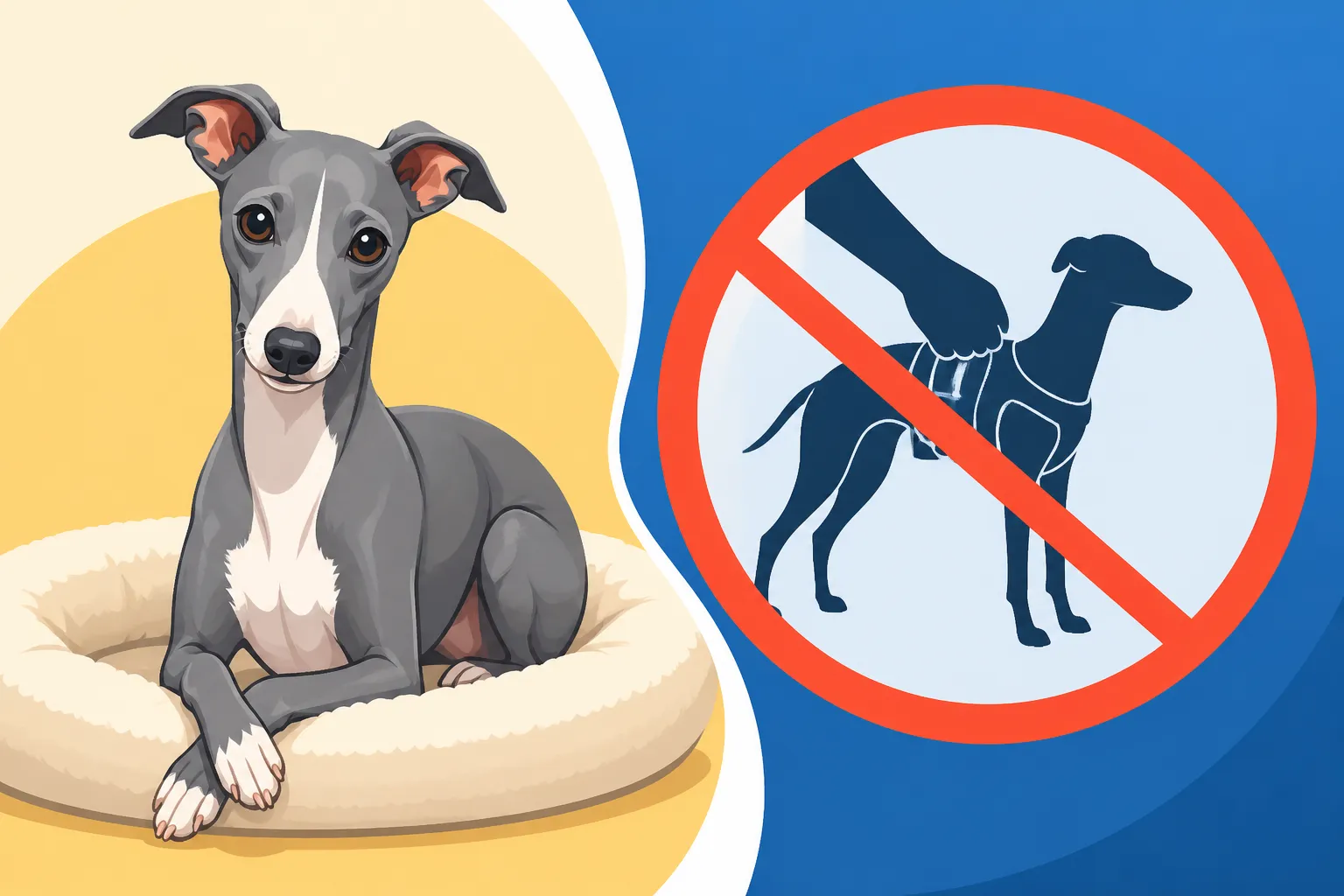
Supervised Interactions: While Iggies are generally good with children and other pets, unsupervised play can be dangerous. Teach children, especially younger ones, how to interact gently and, more importantly, Why Children Should Not Carry an Italian Greyhound. Their quick movements or accidental drops are common causes of serious injury. Similarly, while a multi-dog household can be wonderful, ensure that a young Italian Greyhound isn't overwhelmed or inadvertently injured by larger, boisterous housemates. Creating designated playtimes, always supervised, where the bigger dogs are calm or the Iggy puppy is protected, is vital. Remember, Why an Italian Greyhound Puppy Should Not Wrestle Big Dogs is not an exaggeration – it’s a critical safety guideline. Essentially, you're aiming for Setting Up a House an Italian Greyhound Cannot Break a Leg In, a place where peace of mind comes with every step.
Supervised Play and Appropriate Exercise
An Italian Greyhound, even a young one, needs exercise and mental stimulation to be a happy, well-adjusted dog. The key is controlled and appropriate activity. Think quality over quantity, especially in the early months.
Leashed Walks: Daily walks on a leash are excellent for exercise, socialization, and mental enrichment. For a young Italian Greyhound, keep walks moderate in length and avoid excessively strenuous routes. Focus on exploring new sights and smells, rather than long-distance endurance. Pay attention to their cues; if they're lagging or seem tired, it's time to head home. This helps build their stamina gradually and strengthens their muscles in a controlled way. For more guidance on this, consider how How Far an Italian Greyhound Should Walk Daily needs to be adapted for a growing puppy.
Controlled Indoor Play: Indoor play should be managed carefully. Soft toys, puzzle feeders, and short sessions of gentle fetch on carpeted surfaces are great. Avoid anything that encourages high jumps, sudden stops on slippery floors, or aggressive tug-of-war games that could strain delicate joints. Mental games, like teaching new tricks or scent work, can be just as tiring and fulfilling as physical exercise, without the same injury risk. This is especially important during inclement weather when outdoor activity is limited.
Avoiding High-Impact Activities: Until your Italian Greyhound is at least two years old and has been cleared by your vet, steer clear of activities like dog parks (where uncontrolled play is common), agility training (which involves jumping), or intense sprinting. These activities place immense stress on developing joints and growth plates. Even seemingly harmless leaps off retaining walls or garden steps should be discouraged. The goal is to allow their skeletal system to mature fully before engaging in higher-risk physical endeavors.
Harnessing and Leash Training for Outdoor Safety
Proper equipment and consistent training are paramount for safely navigating the world outside your home with a young Italian Greyhound. Their sighthound instincts are powerful, and a secure connection to you is their lifeline.
The Essential Harness: Forget flat collars for walks. An Italian Greyhound’s delicate neck and propensity for slipping out of collars make them incredibly unsafe, especially with their narrow heads. A well-fitting, escape-proof harness is non-negotiable. Look for harnesses specifically designed for sighthounds, which often have a broader chest strap and a cinching action if they pull back, preventing them from backing out. Brands like Ruffwear or similar "no-slip" designs are often recommended. Make sure to get one that fits snugly but doesn’t chafe, as their skin is thin. Understanding Which Harness Suits an Italian Greyhound's Neck is vital for their safety and comfort.
Leash Training Fundamentals: From the moment you bring your Italian Greyhound puppy home, begin positive reinforcement leash training. Teach them to walk politely by your side, to "wait" at curbs, and to respond to their name. Consistency is key. Never let them off-leash in an unfenced area, ever. This isn't just about training; it's about their fundamental nature. Why an Italian Greyhound Cannot Be Trusted Off Leash, Ever is a truth every owner must embrace. Their prey drive is so strong that even the most well-trained Iggy can become deaf to your calls if a squirrel or rabbit darts by. A secure leash connection ensures you maintain control and can pull them away from dangers like speeding cars, other aggressive dogs, or unseen hazards.
The Long-Term Benefits of Responsible Restriction
While the "restriction" phase can feel long and sometimes frustrating, remember that you are investing in your Italian Greyhound's future. The peace of mind and the health benefits reaped from these early efforts are immeasurable.
Preventing Devastating Fractures and Costly Vet Bills
Let's be brutally honest: breaking a leg is the single most common and heartbreaking emergency for an Italian Greyhound owner. A Broken Leg Is the Emergency Every Italian Greyhound Owner Fears because it's not just a minor inconvenience; it's a traumatic event for both dog and owner. The injury itself is painful, and the recovery process is arduous, often involving multiple surgeries, months of strict crate rest, and intensive rehabilitation.
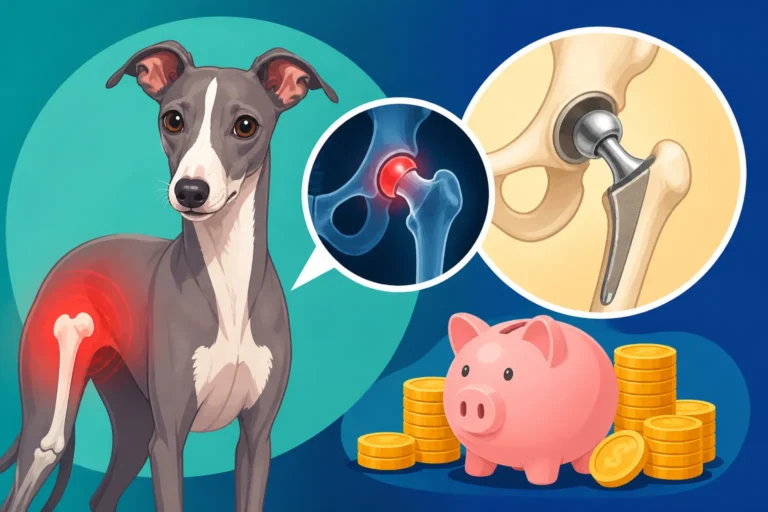
Beyond the emotional toll, the financial burden is staggering. What Fracture Repair Costs on an Italian Greyhound can easily run into the thousands, with specialized orthopedic surgeons charging upwards of $4,000 to $8,000, and often more if complications arise or a second surgery is needed. This doesn't even account for follow-up vet visits, pain medications, physical therapy, or the cost of specialized equipment like orthopedic beds and crates. While pet insurance, such as policies from Healthy Paws, can be an absolute lifesaver in these situations, covering a significant portion of unexpected veterinary costs, prevention is always the best strategy. No amount of insurance money can erase the pain and suffering your beloved companion endures, nor the stress you experience as their caregiver.
Fostering a Confident, Well-Adjusted Adult Italian Greyhound
Beyond physical safety, responsible restriction in puppyhood plays a significant role in developing a well-adjusted, confident adult Italian Greyhound. When a puppy grows up in an environment where they feel safe and secure, without constantly experiencing frightening falls or injuries, they are more likely to develop into a resilient and self-assured dog.
A history of repeated injuries can make a dog anxious or fearful, leading to behavioral issues. Imagine living in a constant state of vulnerability; it's mentally exhausting. By carefully managing their environment and activities during their first two years, you are actively fostering a sense of security. This early foundation allows them to learn appropriate boundaries, develop good house manners, and build trust in you as their protector. For more insights into this critical phase, looking into The First Year With an Italian Greyhound Puppy offers a broader perspective on their development.
The patience and diligence you exercise during this restrictive period will pay dividends for the rest of your Italian Greyhound's life. A healthy start means a greater chance of avoiding chronic pain, arthritis, or mobility issues later on. It significantly increases the likelihood that your Italian Greyhound will live a long, happy, and active life, potentially reaching the full extent of their breed's typical longevity, as explored in Why an Italian Greyhound Lives Fourteen to Fifteen Years. You are setting them up for success, ensuring they can enjoy many years of companionship and joy without the shadow of early, preventable injuries.
| Activity Type | Safe for Italian Greyhounds Under Two (with supervision) | Unsafe for Italian Greyhounds Under Two |
|---|---|---|
| Indoor Play | Gentle fetch on carpet, puzzle toys, soft tug | Jumping off furniture, wrestling with large dogs, rough play on hard floors |
| Outdoor Exercise | Leashed walks on soft surfaces, controlled yard time | Off-leash running in unfenced areas, dog parks, high-impact agility |
| Home Environment | Ramps/steps for furniture, non-slip rugs, gated areas | Unrestricted access to high furniture, slippery floors, unsupervised play with children/large dogs |
| Socialization | Supervised, calm interactions with known, gentle dogs | Uncontrolled interactions with unfamiliar or overly boisterous dogs |
| Training | Obedience, trick training, mental games, scent work | Activities involving high jumps or sudden twists |
Disclaimer
This article provides general information and recommendations. Always consult with a qualified veterinarian for specific advice regarding your Italian Greyhound's health and care.