Autoimmune Disease in an Italian Greyhound
Discovering that your beloved Italian Greyhound has been diagnosed with an autoimmune disease can feel like a punch to the gut. It's confusing, terrifying, and often leaves owners scrambling for answers about a condition that sounds incredibly complicated. This guide aims to demystify autoimmune disease in our delicate Italian Greyhounds, breaking down what it means, the specific conditions you might encounter, and how to navigate the journey of diagnosis and long-term management to ensure your furry family member lives their best life.
Understanding Autoimmune Disease in Italian Greyhounds
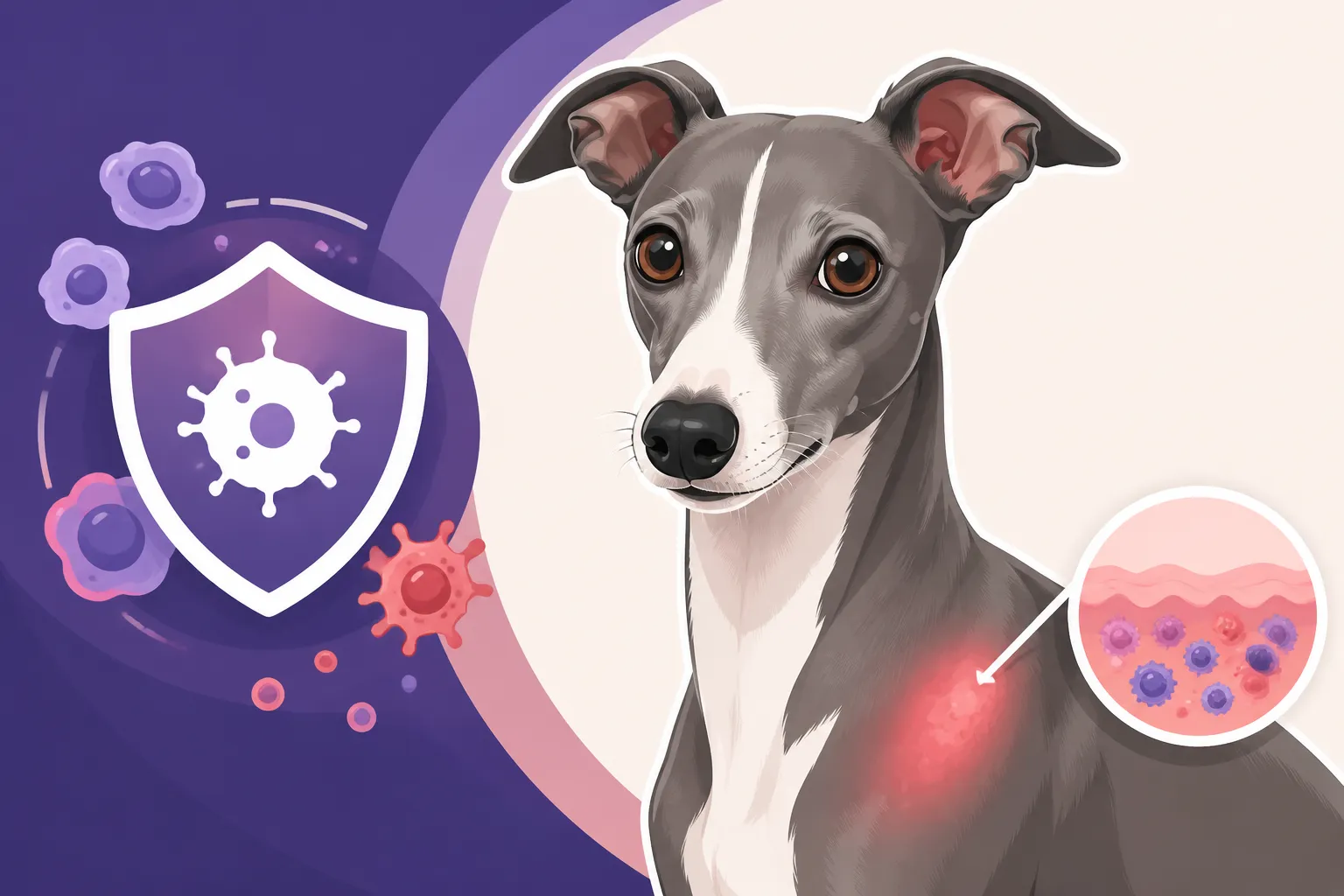
When we talk about autoimmune disease, it's not a single condition but rather a whole category of illnesses where the body's natural defenses, its immune system, get a bit confused. Instead of identifying and attacking foreign invaders like bacteria and viruses, it mistakenly turns its attack on the body's own healthy cells and tissues. For Italian Greyhounds, this can be particularly concerning given their unique physiology and often delicate nature.
What is Autoimmune Disease, Anyway?
Think of your Italian Greyhound's immune system like a highly specialized, elite security team for their body. Its job is to patrol every cell, identify threats, and neutralize them quickly and efficiently. This team is usually incredibly good at telling the difference between "friend" (the body's own healthy cells) and "foe" (anything that could cause harm, like viruses, bacteria, parasites, or even cancer cells).
In an autoimmune disease, something goes wrong with this identification process. The security team, for reasons that aren't always clear, starts seeing parts of the body as enemies. It might target red blood cells, platelets, joints, skin, or even organs like the thyroid or adrenal glands. The resulting attack can cause inflammation, tissue damage, and a wide range of symptoms depending on which part of the body is under siege. It's a deeply frustrating and often chronic battle where the body is fighting itself.
Why Are Italian Greyhounds Susceptible?
While autoimmune diseases can affect any dog, some breeds, including Italian Greyhounds and other sighthounds, seem to have a higher propensity for certain conditions due to their genetic makeup. This isn't to say every Italian Greyhound will develop one, but there's an undeniable pattern that breeders and veterinarians have observed over the years. Their unique genetic lines, sometimes bred for specific traits, can unfortunately carry predispositions to these complex conditions.
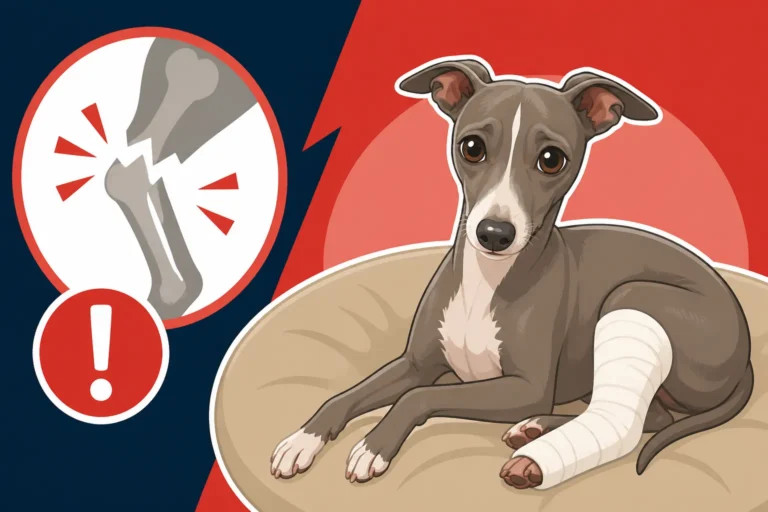
One theory suggests that the narrow gene pool in some purebred lines, while enhancing desirable breed characteristics, can inadvertently concentrate genes linked to certain health issues, including autoimmune disorders. Additionally, Italian Greyhounds, known for their thin skin and fine bones, often have a more delicate overall constitution. This isn't necessarily a direct link to autoimmune issues, but it can mean that when an autoimmune condition does strike, its effects might be more pronounced or challenging to manage in a breed that already requires specialized care, such as careful handling to avoid A Broken Leg Is the Emergency Every Italian Greyhound Owner Fears. The precise mechanisms are still being researched, but it’s a valid concern for IG owners.
Common Autoimmune Conditions Seen in Italian Greyhounds
For Italian Greyhound owners, being aware of the specific autoimmune conditions that might surface is the first step in early detection and effective management. While not exhaustive, certain conditions are more frequently reported in the breed. Early symptoms can often be vague, making it crucial to be vigilant and seek veterinary attention if your dog's behavior or health changes noticeably.
Immune-Mediated Hemolytic Anemia (IMHA)
Imagine your Italian Greyhound's blood constantly regenerating new red blood cells to carry oxygen throughout their body. Now imagine their immune system suddenly deciding these vital red blood cells are dangerous invaders and launching an all-out assault to destroy them. That's Immune-Mediated Hemolytic Anemia, or IMHA. It's a severe and often life-threatening condition where the body rapidly loses red blood cells, leading to profound anemia.
Symptoms can come on quickly and include extreme lethargy, weakness, pale gums that might even appear yellowish (jaundice) due to bilirubin buildup, dark or orange-colored urine (from the breakdown of red blood cells), loss of appetite, and sometimes a rapid heart rate or difficulty breathing. If you see any of these signs, it's an emergency, and you need to get your Italian Greyhound to the vet immediately. Diagnosis typically involves blood tests, including a complete blood count (CBC) to check for anemia and specific tests like a Coombs test to confirm the immune-mediated destruction of red blood cells. Treatment is aggressive, involving high doses of immunosuppressive drugs like prednisone to halt the immune attack, and often supportive care such as intravenous fluids and sometimes even blood transfusions. The prognosis can be guarded, and many dogs require long-term medication to prevent recurrence. This kind of intensive and prolonged care often highlights the value of having comprehensive pet insurance, like a plan from Healthy Paws, which can help cover these substantial veterinary costs.
Immune-Mediated Thrombocytopenia (IMPT)
Similar to IMHA but targeting different blood components, Immune-Mediated Thrombocytopenia (IMPT) is when the immune system mistakenly attacks and destroys the body's own platelets. Platelets are tiny cells crucial for blood clotting, so a low platelet count (thrombocytopenia) means your Italian Greyhound can't clot blood effectively.
The signs of IMPT often involve bleeding abnormalities. You might notice unexplained bruising on their thin skin, tiny pinpoint red spots (petechiae) on their gums or belly, nosebleeds, blood in their urine or stool, or prolonged bleeding from minor cuts. Again, these symptoms warrant urgent veterinary attention. Diagnosis is made through a CBC showing a very low platelet count, often combined with ruling out other causes of low platelets like infections or certain medications. Treatment focuses on suppressing the immune system, typically with corticosteroids, to stop the destruction of platelets. Many dogs respond well to treatment, but like IMHA, it can require ongoing management and careful monitoring to prevent relapses. Owners should be especially careful to prevent injuries during recovery, as even a small bump could lead to significant internal bleeding.
Other Less Common But Still Concerning Conditions
While IMHA and IMPT are among the more commonly recognized autoimmune conditions in Italian Greyhounds, the breed can, unfortunately, be susceptible to a broader spectrum of autoimmune disorders. These might include:
- Pemphigus: A group of autoimmune skin diseases where the immune system attacks components of the skin, leading to blisters, sores, and crusts, often around the face, ears, and paw pads. Diagnosis usually requires a skin biopsy.
- Systemic Lupus Erythematosus (SLE): Often called "the great imitator" in human medicine, SLE in dogs can affect multiple organ systems, leading to a wide array of symptoms including lameness, skin lesions, kidney issues, and blood abnormalities. Its diagnosis can be challenging due to its varied presentation.
- Inflammatory Bowel Disease (IBD): While often considered a chronic gastrointestinal issue, severe forms of IBD are believed to have an autoimmune component, where the immune system overreacts to bacteria in the gut, causing chronic inflammation. Symptoms include chronic vomiting, diarrhea, and weight loss.
- Autoimmune Thyroiditis: This is a condition where the immune system attacks the thyroid gland, leading to hypothyroidism. Symptoms like lethargy, weight gain, and skin changes can mimic other conditions, making a definitive diagnosis with specific thyroid blood tests crucial. It's worth noting that Italian Greyhounds can also be diagnosed with Hypothyroidism in an Italian Greyhound from non-autoimmune causes, so precise testing is essential.
The key takeaway here is that if your Italian Greyhound displays persistent or unusual symptoms that don't have a clear explanation, don't hesitate to push for a thorough investigation. A good veterinarian will consider the breed's predispositions and look beyond the most obvious diagnoses, understanding that an underlying immune system malfunction could be at play.
Diagnosing and Managing Autoimmune Disease
Navigating an autoimmune disease diagnosis and subsequent management can feel like a full-time job. It requires patience, diligence, and a strong partnership with your veterinary team. The journey is often not straightforward, but with the right approach, many Italian Greyhounds can lead fulfilling lives.
The Diagnostic Journey
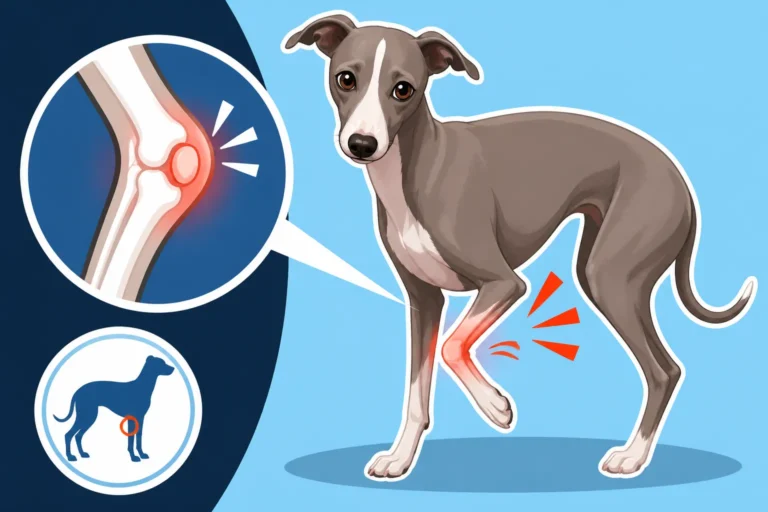
The path to diagnosing an autoimmune disease can be long and fraught with anxiety. It’s not uncommon for owners to visit multiple vets, perform numerous tests, and still feel like they’re chasing a ghost. Italian Greyhounds, being sensitive creatures, can also be masters at hiding pain or discomfort, which only adds to the diagnostic challenge. Many Italian Greyhounds are also sensitive to cold, and any illness can exacerbate this, making them feel even more miserable. If your Italian Greyhound has a persistent limp or is showing signs of discomfort, it's wise to consider conditions like Legg Calve Perthes Turns Up in an Italian Greyhound at Six Months or Patellar Luxation in an Italian Greyhound alongside autoimmune considerations.
Your vet will likely start with a comprehensive physical exam and routine blood work, including a complete blood count (CBC) and a chemistry panel. These tests can reveal abnormalities like anemia, low platelet counts, or elevated liver enzymes, pointing towards systemic issues. Depending on initial findings, more specialized tests might be ordered:
- Coombs Test: Specifically for IMHA, this test detects antibodies attached to red blood cells, confirming immune destruction.
- Antinuclear Antibody (ANA) Test: Often used to screen for Systemic Lupus Erythematosus (SLE).
- Biopsies: For skin conditions like Pemphigus or intestinal issues like IBD, tissue biopsies are crucial for definitive diagnosis.
- Imaging: X-rays, ultrasounds, or even MRI might be used to assess organ damage or rule out other causes of symptoms.
It’s incredibly helpful to find a veterinarian who has experience with sighthounds. Their unique physiology, including differences in blood work parameters and sensitivity to certain medications, means that a vet familiar with the breed can often interpret symptoms and test results more accurately. Don't be afraid to ask for a referral to a veterinary internal medicine specialist if your regular vet feels they need more expertise. Pet insurance plans like those offered by Healthy Paws can be invaluable here, as specialist consultations and advanced diagnostics can quickly accumulate significant costs.
Treatment Protocols and Medications
Once an autoimmune disease is diagnosed, the cornerstone of treatment is usually immunosuppression. The goal is to calm down the overactive immune system, preventing it from attacking the body's own tissues.
- Corticosteroids: Prednisone is the most commonly prescribed medication. It's potent and often works quickly to reduce inflammation and suppress the immune response. However, it comes with a host of side effects, including increased thirst, urination, appetite, panting, and long-term risks like muscle wasting and increased susceptibility to infection. Your vet will typically start with a high dose and gradually taper it down to the lowest effective dose.
- Other Immunosuppressants: If corticosteroids aren't enough or if side effects are intolerable, other drugs like cyclosporine, azathioprine, or mycophenolate might be used, often in combination with prednisone, to achieve better control with lower steroid doses. These also have their own set of potential side effects and require careful monitoring.
- Supportive Care: Depending on the condition, supportive treatments are vital. For IMHA, this might include intravenous fluids to maintain hydration, anti-nausea medications, and potentially blood transfusions if anemia is severe. For IBD, dietary changes and probiotics might be part of the regimen.
- Monitoring: Regular follow-up appointments, blood tests, and sometimes imaging are essential to monitor your Italian Greyhound's response to treatment, adjust medication dosages, and watch for potential side effects or complications. These check-ups are similar in importance to How Often an Italian Greyhound Needs a Dental Cleaning for their oral health, just with a different focus.
Remember, treatment for autoimmune diseases is often a marathon, not a sprint. It requires commitment and ongoing adjustments to keep your Italian Greyhound comfortable and healthy.
Living with an Italian Greyhound with Autoimmune Disease
Living with an Italian Greyhound with an autoimmune disease is certainly a commitment, but it’s far from impossible. Many IGs thrive for years with proper management and dedicated care. The key is consistent monitoring, proactive communication with your vet, and a deep understanding of your dog's specific condition.
- Routine and Observation: Stick to a consistent daily routine for medications, feeding, and walks. Be hyper-observant for any changes in your Italian Greyhound's behavior, appetite, thirst, energy levels, or any new symptoms. Keeping a detailed log of these observations can be incredibly helpful for your vet.
- Environment: Ensure their environment is calm and stress-free. Stress can sometimes exacerbate autoimmune flare-ups. Given their lean build and minimal body fat, Italian Greyhounds can easily get cold, especially when feeling unwell. Ensure they have plenty of warm blankets, sweaters, or a heated bed (Whether an Italian Greyhound Needs a Heated Bed) if they need it. A comfortable, warm space contributes significantly to their overall well-being.
- Quality of Life: The ultimate goal is to maintain a good quality of life for your Italian Greyhound. This means balancing the need for medication with minimizing side effects, ensuring they have good days, and can still enjoy their favorite activities, even if modified. For an Italian Greyhound, this might mean continuing their beloved zoomies indoors or enjoying gentle walks, carefully avoiding situations that might lead to an injury like The Jump Off the Sofa That Breaks an Italian Greyhound's Leg.
- Financial Planning: These chronic conditions often come with significant ongoing costs for medications, specialist visits, and frequent diagnostics. This is where pet insurance, such as a comprehensive plan from Healthy Paws, can be a true lifesaver, helping to mitigate the financial burden and allow you to make treatment decisions based on what’s best for your dog, not just your wallet. Understanding What Pet Insurance Actually Covers on an Italian Greyhound is crucial.
- Emotional Support: It's okay to feel overwhelmed. Connect with other Italian Greyhound owners who have experience with autoimmune diseases. Online forums or breed-specific groups can provide invaluable emotional support and practical tips. Remember, you're not alone in this journey. Despite these challenges, Italian Greyhounds generally enjoy a good lifespan, with many living to Why an Italian Greyhound Lives Fourteen to Fifteen Years, so investing in their health is an investment in many more years of companionship.
Common Autoimmune Conditions in Italian Greyhounds: At a Glance
Here's a quick overview of some of the more common autoimmune conditions encountered in Italian Greyhounds:
| Condition | Body System Affected | Key Symptoms | General Treatment Approach |
|---|---|---|---|
| Immune-Mediated Hemolytic Anemia (IMHA) | Red Blood Cells | Lethargy, pale/yellow gums, dark urine, weakness | Immunosuppressants (prednisone), blood transfusions |
| Immune-Mediated Thrombocytopenia (IMPT) | Platelets | Bruising, petechiae, nosebleeds, blood in stool | Immunosuppressants (prednisone) |
| Pemphigus | Skin | Blisters, crusts, sores, hair loss on face, ears, paws | Immunosuppressants, topical treatments |
| Autoimmune Thyroiditis | Thyroid Gland | Lethargy, weight gain, hair loss, cold intolerance | Thyroid hormone replacement, immunosuppressants |
| Inflammatory Bowel Disease (IBD) | Gastrointestinal Tract | Chronic vomiting, diarrhea, weight loss | Diet change, immunosuppressants, probiotics |
Disclaimer
The information provided in this article is for general informational purposes only and is not a substitute for professional veterinary medical advice, diagnosis, or treatment. Always seek the advice of your veterinarian or other qualified animal health provider with any questions you may have regarding a medical condition.