Patellar Luxation in an Italian Greyhound
One of the most heart-stopping moments for any Italian Greyhound owner is seeing their beloved companion take a strange hop, a sudden skip in their step, or even a pronounced limp. It instantly sends a shiver down your spine, often leading to a frantic internet search and deep worry. This comprehensive guide is here to shed light on patellar luxation in Italian Greyhounds, a common orthopedic issue, helping you understand its causes, recognize the signs, navigate diagnosis, and explore effective treatment options to ensure your furry friend lives a comfortable, joyful life.
Understanding Patellar Luxation in Italian Greyhounds
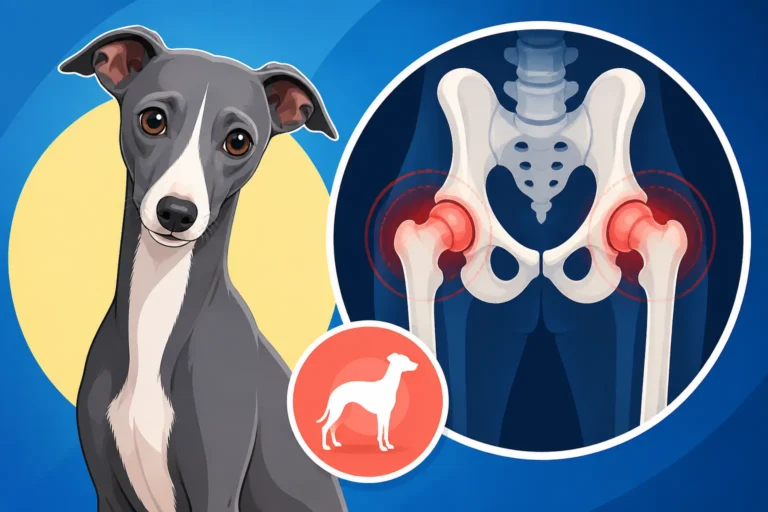
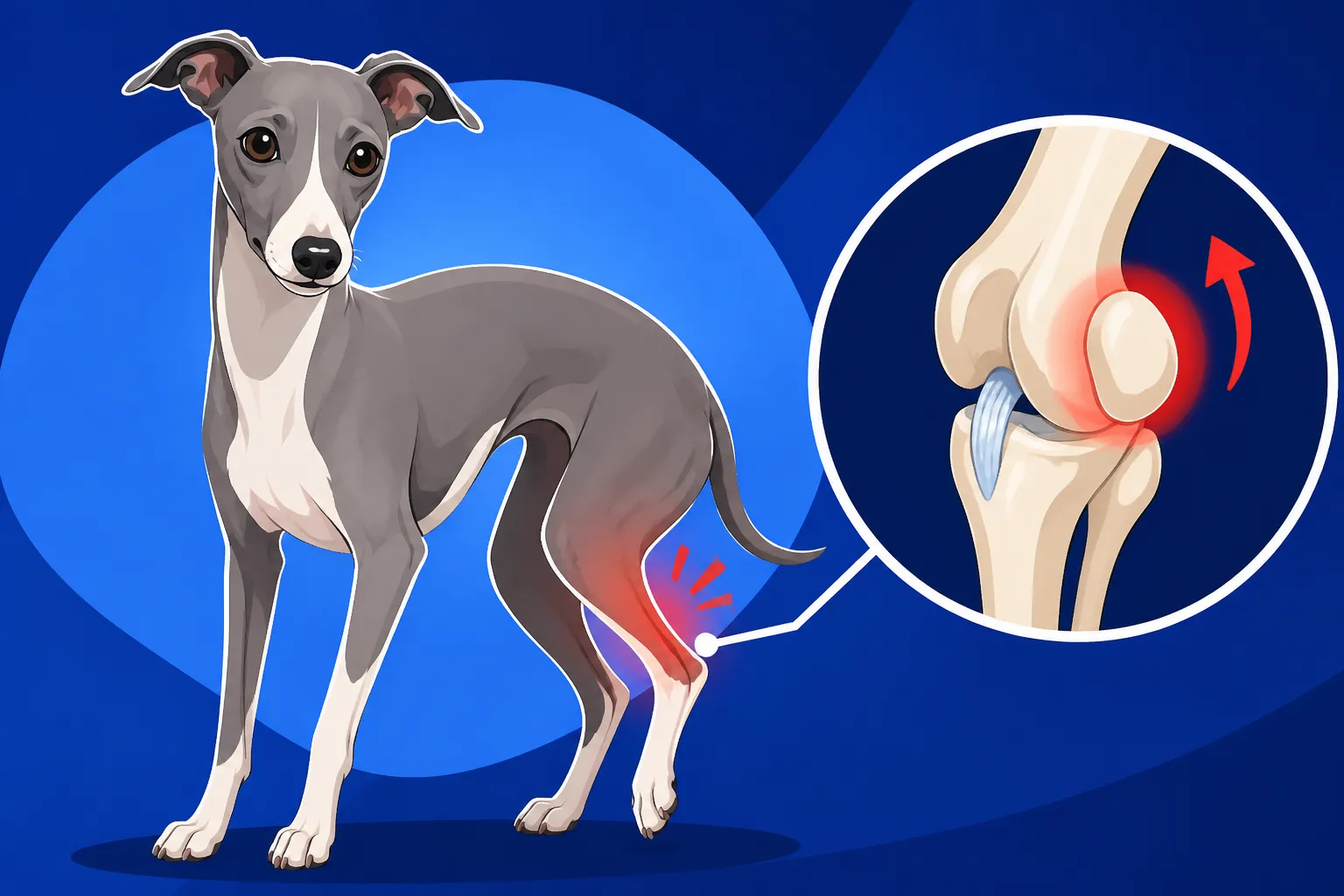
Patellar luxation, often simply called a "slipped kneecap," is an orthopedic condition where the patella (kneecap) dislocates or moves out of its normal groove on the femur (thigh bone). While it can affect any dog, small breeds like Italian Greyhounds are particularly prone due to their delicate bone structure and specific genetic predispositions. It's a condition that can range from a minor inconvenience to a significant source of pain and mobility issues if left unaddressed.
The Anatomy of a Slipping Kneecap
To truly grasp what's happening, let's take a quick peek at the knee. The patella, or kneecap, is a small bone embedded in the quadriceps tendon. This tendon connects the quadriceps muscle (at the front of the thigh) to the tibia (shin bone). The patella is supposed to slide smoothly up and down in a shallow groove at the end of the femur, called the trochlear groove, as the dog bends and straightens its knee. Ligaments on either side help keep it aligned.
When patellar luxation occurs, the kneecap slips out of this groove. Most commonly, in small breeds like our Iggies, it slips medially, meaning towards the inside of the leg. Less frequently, it can slip laterally, to the outside. This dislocation causes discomfort and interferes with the normal functioning of the knee joint. Over time, if the kneecap repeatedly slips, it can cause wear and tear on the cartilage, leading to pain, inflammation, and eventually, arthritis, which is a concern for any long-lived breed.
Why Italian Greyhounds Are Susceptible
Italian Greyhounds, with their elegant, slender build and fine bones, are unfortunately overrepresented among breeds diagnosed with patellar luxation. There are several reasons for this heightened susceptibility, largely rooted in their unique conformation and genetic makeup. Firstly, the trochlear groove in many Italian Greyhounds is often too shallow, or sometimes even absent, meaning there's less of a "track" for the kneecap to stay in. Imagine trying to keep a train on a track that barely exists – it's going to derail easily.
Secondly, the alignment of the bones in the hind limb can be a contributing factor. Many Italian Greyhounds have a slight bowing of the femur or a rotation of the tibia, which alters the pull of the quadriceps muscle. When the muscle pulls at an angle, it encourages the kneecap to pull out of the groove. This is why careful breeding practices are so crucial. Reputable breeders actively screen for this condition because it has a strong inherited component. It's not something that happens purely from an accident; rather, an underlying predisposition is usually present, even if trauma can exacerbate it. Understanding these predispositions is key to proactively managing your Italian Greyhound's health.
Recognizing the Signs of a Slipping Kneecap
Detecting patellar luxation in your Italian Greyhound can sometimes be tricky because the symptoms can vary greatly depending on the severity of the condition. Some Iggies might show very subtle signs, while others will have obvious lameness. Being observant and knowing what to look for can make all the difference in getting an early diagnosis and intervention.
Subtle Hints and Early Warnings
Often, the first signs of patellar luxation are quite subtle. You might notice your Italian Greyhound doing a brief "skipping" motion while running or walking. They'll lift one hind leg for a few steps, perhaps shaking it out, and then put it down and continue as if nothing happened. This is usually when the kneecap has slipped out and then spontaneously popped back into place. It's a fleeting moment that can easily be dismissed as a quirk, especially in a playful young dog.
Another subtle indicator might be a reluctance to use a certain leg, especially after periods of rest or strenuous activity. For instance, your Iggy might hesitate before jumping onto the sofa, or seem a bit stiff when getting up from a nap. They might also shift their weight uncomfortably when standing or sitting. Pay close attention if your dog suddenly seems less enthusiastic about their usual zoomies or playing, or if they seem to avoid putting full weight on a particular hind leg. Sometimes, the only sign is a slightly abnormal gait that you, as the observant owner, just feel isn't quite right. Early detection here is invaluable, as it allows for proactive management before the condition progresses.
Clear Symptoms and Skipping
As patellar luxation progresses or if the luxation is more severe, the symptoms become much more apparent. The "skipping" becomes more frequent, lasting longer, and sometimes your Italian Greyhound might hold the affected leg up for several steps or even continuously for a short period. This is a clear sign that the kneecap is luxated and isn't popping back into place easily on its own. You might even hear a popping or clicking sound as the kneecap moves in and out of the groove, though this is less common.
In severe cases, your Italian Greyhound might experience persistent lameness or an inability to put weight on the affected leg at all. They might cry out in pain when the kneecap luxates, or become visibly distressed. You might notice a swelling around the knee joint or a change in the way their leg looks or feels. This level of discomfort and instability significantly impacts their quality of life and clearly warrants immediate veterinary attention. Remember, Italian Greyhounds are notoriously stoic and can often hide pain, so any noticeable lameness should be taken seriously.
Diagnosis and Grading Your Italian Greyhound's Patellar Luxation
When you suspect your Italian Greyhound might have patellar luxation, getting an accurate diagnosis from your veterinarian is the next critical step. This isn't just about confirming the condition; it's also about understanding its severity, which guides the appropriate course of action. A thorough examination and sometimes imaging are essential for a complete picture.
The Veterinary Examination
Your veterinarian will start with a comprehensive physical examination, paying close attention to your Italian Greyhound's gait and hind limb stability. They'll carefully manipulate the knee joint, flexing and extending it while attempting to push the kneecap out of its groove. This manual palpation is often enough for an experienced vet to diagnose patellar luxation and determine its grade. They'll feel for the kneecap slipping, whether it slips easily, and if it stays luxated or reduces spontaneously.
During this examination, your vet might also check for other orthopedic issues, such as Legg Calve Perthes in an Italian Greyhound, which can present with similar lameness. They will also assess muscle mass in the hind limbs, range of motion, and any signs of pain or discomfort. It’s vital to be completely honest with your vet about all the subtle signs you’ve observed at home, as this helps build a full clinical picture. A good veterinarian understands the unique anatomy and common health concerns of sighthounds like Italian Greyhounds.
Imaging and Advanced Diagnostics
While manual examination is often sufficient for diagnosis, your vet might recommend X-rays to get a clearer picture of the bone structure. X-rays can confirm the position of the patella, assess the depth of the trochlear groove, and check for any associated skeletal abnormalities that might be contributing to the luxation. They can also reveal signs of arthritis or other joint degeneration that may have already occurred due to chronic luxation.
In some complex cases, or if surgery is being considered, more advanced imaging like CT scans or MRI might be used to get a detailed view of soft tissues and bone. These diagnostics help surgeons plan the most effective surgical approach. However, for most cases of patellar luxation in Italian Greyhounds, a physical exam combined with standard X-rays provides all the necessary information. This thorough diagnostic process ensures that the treatment plan is tailored specifically to your dog's individual condition and needs.
Here’s a helpful table outlining the four grades of patellar luxation:
| Grade | Description | Clinical Signs | Recommended Action |
|---|---|---|---|
| I | The kneecap can be manually luxated (pushed out of the groove) but immediately returns to its normal position when released. | Often asymptomatic or very subtle, occasional skipping or limping that resolves quickly. May only be detected on veterinary examination. | Conservative management, monitoring, weight control, joint supplements. |
| II | The kneecap spontaneously luxates (slips out on its own) and may stay luxated for a few steps, but it can be manually put back into place. It may also spontaneously reduce (pop back in). | Intermittent lameness, skipping, or holding the leg up for longer periods. Symptoms are more noticeable during activity. Owners might report a "pop" sound or feeling. | Conservative management initially, but surgery may be considered if lameness is frequent or impacting quality of life. |
| III | The kneecap is luxated most of the time but can be manually returned to its normal position, though it will re-luxate immediately or soon after. | Persistent lameness, abnormal gait, difficulty bending the knee, a bowed or "bandy-legged" appearance in severe cases. The dog often avoids putting full weight on the limb. | Surgical correction is generally recommended to prevent further joint damage and improve mobility. |
| IV | The kneecap is permanently luxated and cannot be manually returned to its normal position. The trochlear groove is often completely flattened or absent. | Severe, constant lameness. The leg may appear permanently bent or non-weight bearing. Significant discomfort and reduced mobility. Dogs may walk with a crouched gait or use their legs like "bunny hops." | Surgical correction is necessary, though it can be complex and may require more extensive procedures. Prognosis depends on the degree of skeletal deformity and chronicity of the condition. |
Treatment Options for Patellar Luxation
Once your Italian Greyhound has been diagnosed and the grade of luxation determined, your veterinarian will discuss the best treatment options. These can range from non-surgical approaches for milder cases to surgical interventions for more severe or symptomatic luxations. The goal is always to relieve pain, restore normal function, and prevent further damage to the joint.
Non-Surgical Approaches
For Grade I or some mild Grade II patellar luxation, especially if your Italian Greyhound isn't experiencing significant pain or lameness, your vet might recommend conservative management. This approach focuses on strengthening the muscles around the knee, managing weight, and providing joint support. Keeping your Iggy at a healthy weight is paramount, as excess pounds put additional stress on already compromised joints. Regular, controlled exercise, such as short, leashed walks on even surfaces, can help build muscle without overstraining the knee. Avoid high-impact activities like jumping off furniture or vigorous play, which can aggravate the condition. You might consider using Ramps and Steps for an Italian Greyhound's Furniture to reduce jumping.
Joint supplements containing ingredients like glucosamine, chondroitin, and MSM can also be beneficial in supporting cartilage health and reducing inflammation. Your vet might also prescribe anti-inflammatory medications during periods of discomfort. Physical therapy, including gentle range-of-motion exercises and swimming, can also be incredibly helpful in building strength and flexibility. While conservative management won't correct the anatomical defect, it can significantly improve your dog's comfort and quality of life by supporting the joint and preventing progression. For long-term care and managing potential future issues, many Italian Greyhound owners find pet insurance like Healthy Paws to be a valuable resource, helping to offset the costs of ongoing treatments or unforeseen emergencies.
When Surgery Becomes Necessary
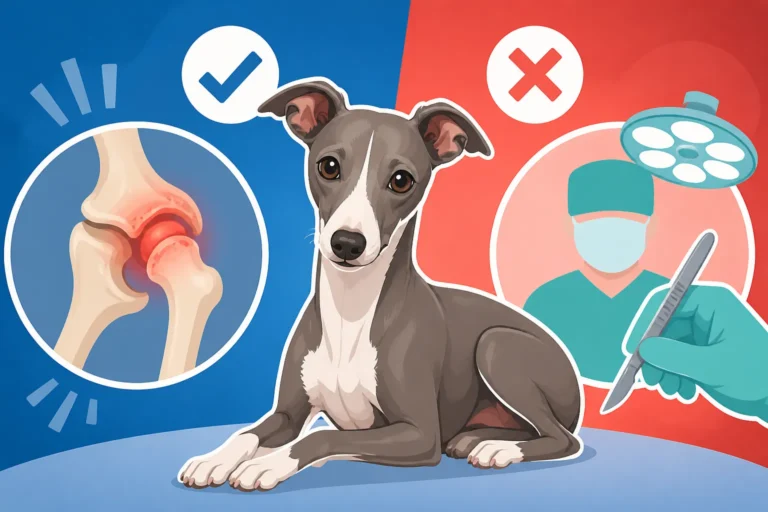
For Grade III and IV luxations, or for Grade II cases that cause persistent lameness, pain, or significantly impact your Italian Greyhound's activity levels, surgical correction is usually the recommended course of action. The primary goal of surgery is to realign the kneecap within its groove, stabilizing the joint and preventing further slipping. Several surgical techniques can be used, often in combination:
- Trochlear Wedge Recession or Chondroplasty: This involves deepening the trochlear groove in the femur so the kneecap has a more defined channel to track in. The surgeon carefully removes a wedge of bone or shaves down the sides of the groove.
- Tibial Tuberosity Transposition: If the alignment of the quadriceps tendon is pulling the kneecap out of place, this procedure involves moving the tibial tuberosity (the bony prominence on the shin bone where the patellar tendon attaches) to a more appropriate position. A small piece of bone is cut, repositioned, and then reattached with pins.
- Lateral Imbrication: This technique involves tightening the soft tissues on the outside of the knee joint to help pull the kneecap back into alignment and prevent it from slipping medially.
- Medial Release: If the tissues on the inside of the knee are too tight and pulling the kneecap medially, they can be released to allow for better alignment.
The specific surgical approach will depend on the individual anatomy and severity of your Italian Greyhound's luxation. An experienced orthopedic veterinary surgeon will assess the best combination of techniques. While surgery can be a daunting prospect, it has a very high success rate in improving comfort and restoring function, allowing your Iggy to enjoy a much more active and pain-free life. It's often the best long-term solution to prevent the development of severe arthritis.
Living with Patellar Luxation and Preventing Progression
Whether your Italian Greyhound undergoes surgery or is managed conservatively, living with patellar luxation requires ongoing care and attention. Your role as an owner is crucial in providing a supportive environment and following through with any recommended therapies to ensure the best possible outcome for your furry friend.
Environmental Modifications and Support
One of the most impactful things you can do for an Italian Greyhound with patellar luxation is to modify their home environment to minimize stress on their knees. This primarily means eliminating opportunities for high-impact jumps. Remember, Italian Greyhounds are prone to leg breaks, and adding luxating patella to the mix increases the risk of other injuries. Invest in dog ramps or stairs for accessing furniture like beds and sofas. This simple change can drastically reduce the wear and tear on their joints from repeated jumping down. Consider non-slip rugs or runners on hard floors to provide better traction, preventing slips and falls that could cause the kneecap to luxate.
Maintain a comfortable, warm environment, as cold can exacerbate joint stiffness. Soft, supportive bedding is also important. For dogs recovering from surgery, strict crate rest, as advised by your vet, is essential. This confinement helps prevent accidental re-injury during the crucial healing period. Following post-operative instructions for How Long an Italian Greyhound Stays Crated After Surgery will be key to successful recovery. Continuing with joint supplements and a high-quality diet, as recommended by your vet, will also contribute to long-term joint health. Proactive environmental changes can truly make a world of difference in managing this condition.
Post-Surgical Care and Rehabilitation
If your Italian Greyhound has undergone surgery for patellar luxation, the post-operative care and rehabilitation phase are just as important as the surgery itself. Expect a period of strict rest, typically several weeks, where activity is severely restricted. This usually means leash walks only for potty breaks and preventing jumping, running, or rough play. Your vet will provide specific instructions for medication, wound care, and activity limitations. It's not uncommon for pets to feel a little low after surgery, so extra cuddles and quiet reassurance will be needed.
Following the initial rest period, rehabilitation exercises will gradually be introduced. This might include passive range-of-motion exercises, gentle massages, and controlled short walks. Many owners find working with a certified canine physical therapist incredibly beneficial. They can guide you through specific exercises to rebuild muscle strength, improve flexibility, and restore normal gait without putting undue stress on the healing joint. Hydrotherapy (swimming) is often an excellent low-impact exercise for strengthening hind limb muscles. Consistent and patient adherence to the rehab plan is crucial for a full recovery and for ensuring Whether an Italian Greyhound Regains Full Use of the Leg. A comprehensive approach to recovery can help your Italian Greyhound bounce back and maintain optimal mobility for years to come.
Breeding and Genetic Considerations
The prevalence of patellar luxation in Italian Greyhounds underscores the importance of responsible breeding practices. While it's a condition that can be managed, preventing it from being passed down through generations is a key goal for the breed's overall health.
Genetic Screening and Responsible Breeding
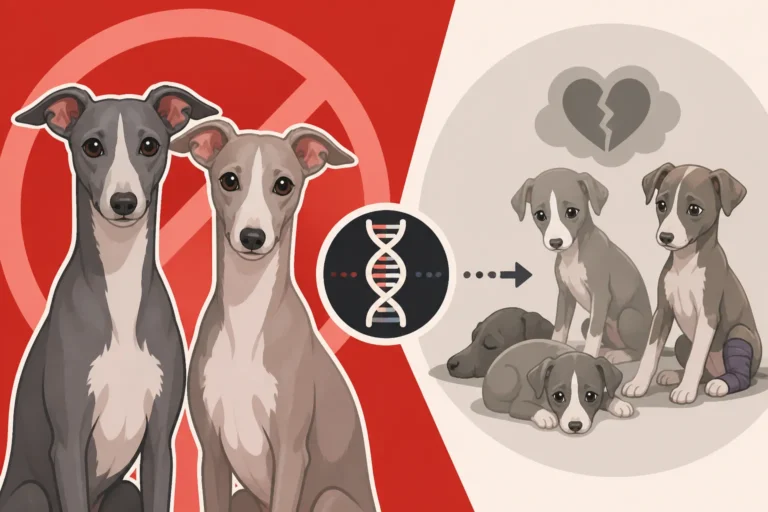
Patellar luxation is recognized as an inherited condition, meaning it's passed from parents to offspring. Reputable Italian Greyhound breeders understand this and make health screening a priority for their breeding stock. Before breeding, both parents should have their knees examined by a veterinarian, ideally an orthopedic specialist, and certified by organizations like the Orthopedic Foundation for Animals (OFA). The OFA maintains a public database of health clearances, which helps prospective buyers verify the health status of a puppy's lineage. This screening aims to identify and remove affected dogs from the breeding pool, thereby reducing the incidence of patellar luxation in future generations.
Breeders who are committed to the health of the breed will proudly share OFA certifications for patellar luxation, as well as other health clearances like The Eye Diseases an Italian Greyhound Breeder Screens For. They should also be transparent about any history of patellar luxation in their lines, even if a dog has clear knees, as it can still be a carrier. Choosing a puppy from parents with excellent orthopedic health is one of the best ways to minimize the risk of your Italian Greyhound developing this condition. While no guarantee exists that a puppy will never develop a health issue, responsible breeding significantly increases the chances of a healthy, long life.
The Impact of Patellar Luxation on Quality of Life
The long-term impact of patellar luxation on an Italian Greyhound's quality of life largely depends on the severity of the condition and the effectiveness of its management. For dogs with mild, asymptomatic luxation, they may live a full, active life with minimal intervention. However, for those with more severe or chronic luxation, particularly without proper treatment, the impact can be significant. Persistent pain, lameness, and the eventual development of debilitating arthritis can severely limit mobility, making even simple activities like walking, playing, or jumping onto furniture a challenge. This can lead to a decrease in their overall happiness and an increase in veterinary expenses over their lifetime.
However, with early diagnosis, appropriate treatment (surgical or conservative), and dedicated owner care, the prognosis for Italian Greyhounds with patellar luxation is generally very good. Many dogs return to a normal or near-normal level of activity after successful surgery and rehabilitation. The key is proactive management and commitment to their ongoing joint health. Providing a safe, supportive environment, maintaining a healthy weight, and staying on top of veterinary check-ups can help mitigate the long-term effects and allow your Italian Greyhound to enjoy many happy, pain-free years. Organizations like Healthy Paws can offer peace of mind, knowing that if surgical intervention or extensive rehabilitation is needed, financial support can be available to help maintain that quality of life.
Navigating Costs and Insurance for Patellar Luxation
Understanding the financial implications of patellar luxation is a critical part of ownership, as treatment, especially surgical, can be a significant investment. Being prepared can alleviate stress and ensure your Italian Greyhound receives the best possible care.
What Patellar Luxation Treatment Costs
The cost of treating patellar luxation can vary widely depending on the grade of luxation, whether surgical intervention is required, the specific procedures performed, and your geographic location. For conservative management, you might be looking at costs for anti-inflammatory medications, joint supplements, and possibly physical therapy sessions. These can add up over time, especially if continued long-term.
If surgery becomes necessary, the costs increase considerably. A single patellar luxation surgery can range from approximately $1,500 to $5,000 or even more per knee, especially if performed by a board-certified orthopedic specialist. This fee typically includes the surgical procedure itself, anesthesia, pre-operative bloodwork, post-operative pain medication, and initial follow-up visits. If both knees are affected, and it's not uncommon in Italian Greyhounds for Whether Legg Calve Perthes Takes Both of an Italian Greyhound's Hips (or knees, in this case), the total cost could double. Post-surgical rehabilitation, which is highly recommended, also adds to the overall expense, with individual sessions or packages ranging from hundreds to thousands of dollars. It's definitely one of those What an Italian Greyhound Costs Over Fifteen Years factors that can impact your overall budget.
The Role of Pet Insurance
This is where pet insurance can be a game-changer for Italian Greyhound owners. Policies from providers like Healthy Paws can help cover a significant portion of unexpected veterinary expenses, including those for patellar luxation, as long as the condition isn't considered pre-existing before enrollment. If you enroll your Italian Greyhound in a good pet insurance plan early on, before any signs of patellar luxation are noted, you could have coverage for diagnostic tests, medications, surgical procedures, and even rehabilitation therapies if needed.
It's crucial to read the policy details carefully, as coverage for orthopedic conditions like patellar luxation can vary. Some policies might have waiting periods before coverage for certain conditions kicks in, or they might have specific limitations or reimbursement percentages. However, for a breed known for its orthopedic fragility and potential for costly medical interventions, pet insurance offers invaluable peace of mind. It allows you to make medical decisions based on what's best for your Italian Greyhound, rather than being solely dictated by financial constraints. In the event of an emergency, or the long-term management of chronic conditions, having a plan in place with Healthy Paws or a similar provider can make all the difference in providing continuous, high-quality care.
Final Thoughts on Patellar Luxation
Patellar luxation, while a common concern for Italian Greyhound owners, doesn't have to be a source of constant dread. With a thorough understanding of the condition, keen observation for symptoms, prompt veterinary care, and dedicated follow-through with treatment plans, your elegant companion can continue to enjoy a long and fulfilling life. Remember to engage with reputable breeders who prioritize health screening, and consider how pet insurance can provide a safety net for unexpected medical costs. Your commitment to their well-being ensures they remain happy, active members of your family, skipping through life (in a good way!) for years to come.
Disclaimer
This article is intended for informational purposes only and does not constitute professional veterinary advice. Always consult with a qualified veterinarian for any health concerns or before making any decisions about your pet's medical care.