The Eye Diseases an Italian Greyhound Breeder Screens For
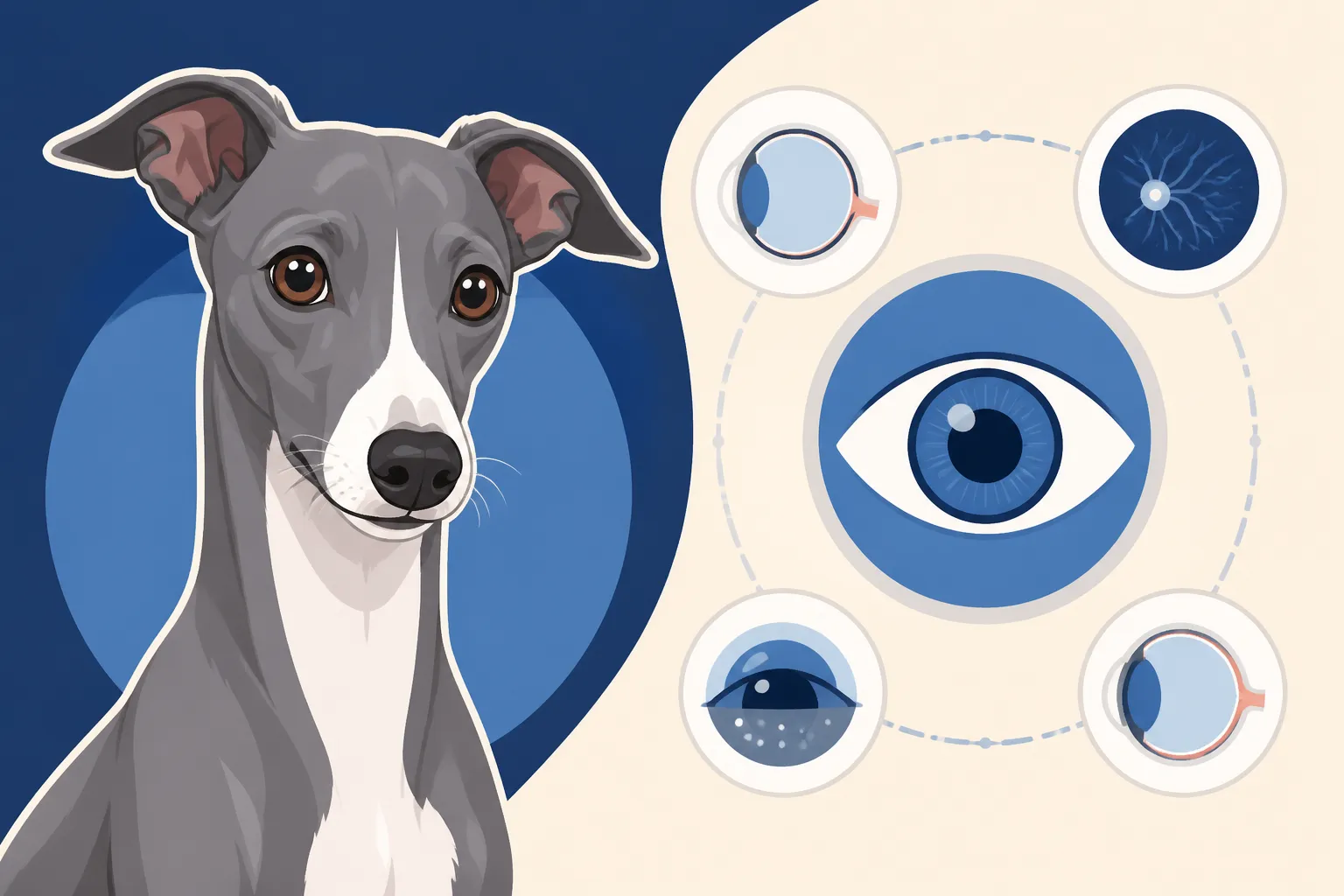
Bringing an Italian Greyhound into your life is an incredible joy, but it also comes with a big responsibility: ensuring they live the healthiest, happiest life possible. One of the most heartbreaking issues an owner can face is watching their beloved companion struggle with vision loss, especially when it could have been prevented. Many prospective owners are understandably worried about inherited health problems, and eye diseases are high on that list of concerns. This comprehensive guide will walk you through the various eye diseases that Italian Greyhound breeders should screen for, why these screenings are vital, and what you, as a loving owner, need to know to protect your dog's precious eyesight.
Understanding Inherited Eye Diseases in Italian Greyhounds
The delicate nature and unique genetics of the Italian Greyhound breed mean they are predisposed to certain inherited health conditions, including several that affect their eyes. Responsible breeders understand this deeply and take proactive steps to minimize the risk of passing on these traits to future generations. For them, it’s not just about producing beautiful puppies, but healthy ones.
Why Eye Screening is Crucial for Breeders
Eye screening isn't just a suggestion; it's a fundamental pillar of ethical breeding practices for Italian Greyhounds. These screenings help breeders identify genetic predispositions to debilitating eye conditions before they manifest clinically or are passed on to offspring. Imagine the heartache of an owner whose beloved Italian Greyhound goes blind at a young age from a condition that could have been avoided through proper screening of the parents. That's the scenario ethical breeders work tirelessly to prevent. They recognize that their breeding decisions have a profound impact on individual dogs, future generations, and the overall health of the breed. By diligently screening, they contribute to a healthier gene pool, allowing families to enjoy their Italian Greyhounds without the added burden of predictable, inherited ocular issues.
The reality is, many inherited eye diseases don't show symptoms in puppies, or even in young adults. A dog can appear perfectly healthy, with bright, sparkling eyes, yet still carry the genes for a serious condition. Without specific screening tests, a breeder might unknowingly breed two carriers together, significantly increasing the chances that their puppies will develop the disease. This is why a breeder's commitment to regular and thorough eye evaluations by certified specialists is such a strong indicator of their dedication to the breed's well-being. It’s about transparency, prevention, and a long-term vision for the health of these graceful dogs.
The Role of OFA and CERF in Eye Health
When you’re looking into a reputable Italian Greyhound breeder, you’ll often hear terms like OFA and CERF in discussions about health clearances. These organizations play a crucial role in standardizing and certifying the health testing conducted on breeding dogs. The Orthopedic Foundation for Animals (OFA) maintains a comprehensive database of health certifications, including those for eyes, and helps breeders track and share health information publicly. While often associated with orthopedic issues, OFA also acts as a central registry for Companion Animal Eye Registry (CAER) exams, formerly known as CERF (Canine Eye Registration Foundation) exams.
A CAER exam involves a thorough eye examination performed by a board-certified veterinary ophthalmologist. The results are then submitted to the OFA, which issues a certificate stating whether the dog is "clear," "affected," or "breeder option" for specific eye diseases at the time of the examination. This provides a snapshot of the dog's eye health and helps breeders make informed decisions. It’s important for these exams to be done annually, as some conditions can develop or progress with age. When a breeder presents you with an OFA CAER certification, it’s proof that they are actively monitoring the eye health of their breeding stock and striving to produce puppies free from known inherited ocular problems. You can also look up these certifications on the OFA website to verify their authenticity, offering an extra layer of assurance.
Common Eye Conditions Screened in Italian Greyhounds
Italian Greyhounds, like many purebred dogs, have specific eye conditions that are more prevalent in their breed. Understanding these conditions and how breeders screen for them is key to making an informed choice when bringing a puppy home. These aren't just minor irritations; some can lead to blindness or severe discomfort if not managed.
Progressive Retinal Atrophy PRA
Progressive Retinal Atrophy, or PRA, is one of the most concerning inherited eye diseases for Italian Greyhounds. This group of genetic disorders causes the gradual degeneration of the light-sensitive cells in the retina, ultimately leading to blindness. Initially, affected dogs might experience difficulty seeing in dim light or at night, a condition known as "night blindness." This progresses to full blindness over months or years. What makes PRA particularly insidious is that it's not painful, so your dog might not show overt signs of discomfort, just a slow, often imperceptible, loss of vision.
For Italian Greyhounds, there is a specific DNA test available for certain forms of PRA. This is revolutionary because it allows breeders to identify affected dogs, as well as carriers who do not show symptoms but can pass the gene to their offspring. A responsible breeder will have performed The DNA Test for Italian Greyhound Retinal Atrophy on their breeding dogs. The results will typically classify a dog as "clear" (meaning they don't carry the gene), "carrier" (meaning they carry one copy of the gene but won't develop the disease), or "affected" (meaning they carry two copies and will likely develop the disease). Knowing a dog's genetic status allows breeders to make educated breeding choices, ensuring they don't produce puppies who will suffer from this devastating condition. You can read more about Progressive Retinal Atrophy in an Italian Greyhound to understand its full impact.
The primary goal of DNA testing for PRA is to eliminate the disease from the breed responsibly. An ethical breeder will never breed two "carrier" Italian Greyhounds together, because statistically, 25% of their puppies would be "affected," and 50% would be carriers, perpetuating the problem. Instead, a carrier might be bred to a "clear" dog, ensuring that while some puppies might still be carriers, none will be affected by the disease. This careful genetic planning ensures that the breed's diversity is maintained while progressively reducing the incidence of PRA. Understanding Why Two Carrier Italian Greyhounds Should Not Be Bred is fundamental to appreciating the commitment of a good breeder.
Cataracts
Cataracts are another common eye issue, and while they can be age-related, inherited forms are a significant concern for Italian Greyhound breeders. A cataract is an opacity in the lens of the eye, which can vary in size and density, causing the lens to become cloudy and obstructing light from reaching the retina. Think of looking through a frosty window pane; that's essentially what a dog with cataracts experiences. Depending on their severity and location, cataracts can lead to impaired vision or even total blindness. They can develop at different ages, with some appearing in puppies (congenital cataracts) and others later in life (juvenile or adult-onset cataracts).
Breeders screen for inherited cataracts through regular examinations by a board-certified veterinary ophthalmologist. These specialists can identify the specific type, location, and progression of cataracts, helping to differentiate between inherited forms and those caused by injury, diabetes, or old age. Early detection is key, not just for potential treatment, but for making informed breeding decisions. A breeder whose dog develops inherited cataracts, especially at a young age, would ideally remove that dog from their breeding program to prevent passing on the trait. It’s a tough decision, but a necessary one for the health of the breed.
While not all cataracts are inherited, identifying those that are through consistent screening is paramount for responsible breeding. The presence of certain types of cataracts, particularly those that are small and non-progressive, may be deemed a "breeder option" by the OFA, meaning the breeder needs to carefully consider the genetics involved. However, any cataract that significantly impairs vision or is clearly inherited should raise a red flag. Owners concerned about vision changes in their Italian Greyhound should always consult their vet, as a proper diagnosis is the first step. You can learn more about Cataracts in an Italian Greyhound to understand the nuances of this condition.
Primary Lens Luxation PLL
Primary Lens Luxation (PLL) is a painful and potentially blinding genetic condition where the lens of the eye detaches from its normal position. In Italian Greyhounds, this is a serious concern. The lens is normally held in place by tiny fibers called zonules. When these zonules degenerate, the lens can shift. If it moves forward into the anterior chamber of the eye, it can block the drainage angle, leading to a sudden and painful increase in intraocular pressure, known as secondary glaucoma. This is an ophthalmic emergency requiring immediate veterinary attention to prevent permanent vision loss.
Symptoms of PLL can appear quite suddenly, including severe eye pain (manifesting as squinting, rubbing the eye, or lethargy), redness, cloudiness of the cornea, and a dilated pupil. It often affects both eyes, though not necessarily at the same time. While a DNA test is available for PLL in some terrier breeds, it is not currently a primary concern or standard DNA test for Italian Greyhounds specifically, though general eye exams would alert a veterinary ophthalmologist to any abnormalities in the lens's position. Therefore, regular eye examinations by a specialist are crucial to catch early signs of zonular weakness or lens subluxation (partial detachment) before it becomes a full luxation.
If diagnosed, treatment often involves surgical removal of the luxated lens to relieve pain and preserve any remaining vision. This is a complex and costly procedure, highlighting the importance of preventative screening in breeding programs to reduce the incidence of such a devastating condition. Breeders rely on the expertise of veterinary ophthalmologists during the annual CAER exams to meticulously examine the position and stability of the lens. Any suspicion of lens instability would prompt further investigation and careful consideration of the dog's suitability for breeding.
Glaucoma
Glaucoma is another extremely serious and painful eye condition that can affect Italian Greyhounds, characterized by an increase in the pressure inside the eye (intraocular pressure). This elevated pressure damages the optic nerve and retina, leading to irreversible vision loss if not treated promptly. Unlike PRA, which is typically painless, glaucoma causes intense discomfort and can progress very rapidly. The Italian Greyhound’s delicate eye structure can make them vulnerable to this condition.
Glaucoma can be primary (inherited) or secondary (caused by another eye condition like lens luxation or inflammation). For breeders, the focus is on identifying dogs at risk for primary glaucoma, which is genetically predisposed. Symptoms can include a red, painful eye, a dilated pupil that doesn't respond to light, a cloudy or bluish cornea, and obvious squinting or rubbing of the eye. In acute cases, vision can be lost within hours or days. Regular eye exams by a board-certified veterinary ophthalmologist include a procedure called tonometry, which measures the intraocular pressure. This is a critical step in screening for glaucoma, as it can detect abnormally high pressures even before clinical signs become obvious to the owner. You can learn more about Glaucoma in an Italian Greyhound and its impact.
Early detection of glaucoma in a breeding dog, even before it causes severe symptoms, allows breeders to make responsible decisions about their breeding program. If a dog is diagnosed with primary glaucoma, they should be removed from breeding. This is a commitment to preventing suffering in future generations and ensuring the Italian Greyhound breed maintains its health and vitality. Owners who purchase puppies from screened parents can have greater peace of mind, knowing that the risk of their dog developing inherited glaucoma has been significantly reduced.
Vitreous Degeneration
Vitreous degeneration is a condition involving the vitreous humor, the clear, jelly-like substance that fills the space between the lens and the retina in the eye. In some Italian Greyhounds, this vitreous can degenerate, becoming more liquid-like or developing opacities. While vitreous degeneration itself might not always directly cause vision loss or pain, it can predispose the eye to more serious issues, such as retinal detachment or lens luxation. The vitreous plays a crucial role in maintaining the structure and health of the eye, so any significant change in its composition or integrity can have downstream effects.
For Italian Greyhound breeders, identifying vitreous degeneration during a routine eye exam is part of a comprehensive assessment of ocular health. A board-certified veterinary ophthalmologist will use specialized equipment, such as an indirect ophthalmoscope or slit lamp, to visualize the vitreous and assess its condition. They will look for signs of liquefaction (synchysis scintillans) or the presence of floaters or other opacities. While not as immediately devastating as a full retinal detachment or acute glaucoma, significant vitreous degeneration can indicate underlying ocular fragility or an increased risk for future complications.
When detected in a breeding dog, vitreous degeneration might warrant further monitoring or careful consideration of breeding partners, depending on its severity and any associated risks. For example, if it's accompanied by other signs of ocular weakness, a breeder might decide to err on the side of caution. It's another piece of the puzzle in a responsible breeder's effort to ensure the long-term health and well-being of the Italian Greyhound breed. Understanding Vitreous Degeneration in an Italian Greyhound helps paint a complete picture of the thoroughness required in eye health screenings.
The Screening Process for Italian Greyhound Eyes
The process of eye screening for Italian Greyhounds is a meticulous one, designed to identify potential issues as early as possible. It’s not just a quick peek into the eyes; it involves specialized equipment and expertise from highly trained veterinary professionals. This dedication to thorough examination is what sets responsible breeders apart.
What a Board-Certified Veterinary Ophthalmologist Does
When an Italian Greyhound undergoes an eye screening for breeding purposes, they are examined by a board-certified veterinary ophthalmologist. This isn't your regular general practice vet; these specialists, often identified by the credentials DVM, DACVO (Diplomate of the American College of Veterinary Ophthalmologists), have completed extensive advanced training and passed rigorous exams in veterinary ophthalmology. Their expertise is crucial because many inherited eye conditions can be subtle or require specialized equipment to detect.
The examination typically begins with a thorough medical history of the dog and its lineage, if known. Then, the ophthalmologist will perform a series of tests. This usually includes indirect ophthalmoscopy, where they use a powerful light source and a special lens to examine the retina, optic nerve, and the back of the eye. They'll also use a slit lamp biomicroscope, which provides a magnified, three-dimensional view of the front structures of the eye, such as the cornea, iris, and lens, allowing for the detection of even tiny cataracts or lens abnormalities. Tonometry, the measurement of intraocular pressure, is also routinely performed to screen for glaucoma. Some exams might involve pupil dilation to get a clearer view of the internal structures. The entire process is non-invasive and generally well-tolerated by the dogs. The specialist's detailed findings are then recorded and submitted to the OFA for official certification. This rigorous process ensures that potential issues are identified, leading to informed breeding decisions.
Understanding the Certification Results
Once your Italian Greyhound has been thoroughly examined by a board-certified veterinary ophthalmologist, the results of the CAER exam are submitted to the OFA, and a certificate is issued. Understanding what these results mean is crucial for breeders and prospective puppy owners alike. The primary classifications you'll see are "clear," "affected," or "breeder option." A "clear" certification means that at the time of the examination, no evidence of significant inherited eye disease was found. This is the ideal result for a breeding dog, indicating a lower risk of passing on certain ocular conditions. However, it's important to remember that some conditions can develop later in life, so annual screenings are recommended.
An "affected" result means that the dog has been diagnosed with an inherited eye condition that could impact their health or be passed to offspring. In these cases, a responsible breeder would typically remove the dog from their breeding program. This tough but ethical decision helps prevent the perpetuation of serious genetic diseases within the Italian Greyhound population. "Breeder option" is a less common designation, usually for minor anomalies that may or may not be inherited or clinically significant. The ophthalmologist might recommend further testing or careful consideration of breeding partners for dogs falling into this category. Beyond these general classifications, for conditions like PRA where DNA tests are available, results will specifically state "clear," "carrier," or "affected" based on genetic markers. A "carrier" dog for PRA, for instance, won't develop the disease themselves but carries one copy of the gene and could pass it on. This is why a thorough understanding of Which Health Tests an Italian Greyhound Breeder Should Run is so important, allowing breeders to choose partners strategically to avoid producing affected puppies.
Beyond Breeder Screening: Your Role as an Owner
While breeder screening is fundamental, your responsibility for your Italian Greyhound's eye health doesn't end when you bring them home. As an owner, you play a vital role in ongoing care, vigilance, and early detection of potential problems. Being proactive can make all the difference in preserving your dog's vision and overall quality of life.
Regular Veterinary Eye Exams
Just because a puppy comes from health-screened parents doesn't mean you can slack off on their ongoing eye care. Regular veterinary check-ups, including specific eye examinations, are paramount throughout your Italian Greyhound's life. Many eye conditions can be acquired due to injury, infection, or age, and early detection is often key to successful treatment and preventing permanent damage. Your general practice veterinarian will typically perform a basic eye exam during annual wellness visits, looking for obvious signs of problems like redness, discharge, or cloudiness. However, for a more in-depth assessment or if any concerns arise, they may refer you to a board-certified veterinary ophthalmologist.
These annual eye exams are particularly important as your Italian Greyhound ages. Just like humans, senior dogs can develop cataracts, glaucoma, or other age-related changes that impact vision. Catching these conditions early can mean the difference between managing the issue effectively with medication or surgery, and irreversible vision loss. Even for younger dogs, unexpected issues can arise. Knowing What an Italian Greyhound's Yearly Eye Exam Covers helps you understand what to expect and what questions to ask your vet. Ensuring Whether an Italian Greyhound Needs a Yearly Eye Exam from an ophthalmologist is a discussion you should have with your primary vet, especially if you have breed-specific concerns or if your dog has a family history of eye issues.
Beyond the formal examinations, simply being observant in your daily interactions with your Italian Greyhound can provide valuable insights into their eye health. Changes in their behavior, how they navigate their environment, or subtle physical signs can all be indicators. Being proactive with both professional exams and at-home observation forms a robust defense against potential vision problems for your beloved companion.
Recognizing Signs of Eye Problems
As a vigilant Italian Greyhound owner, you are often the first line of defense against developing eye problems. Your daily observations can be crucial for early detection, which in turn can lead to more effective treatment and better outcomes. Because Italian Greyhounds can be stoic, subtle signs might be easily missed if you're not specifically looking for them. Get into the habit of gently examining your dog's eyes regularly, looking for anything out of the ordinary.
Common signs of eye problems include excessive tearing or discharge, which could be clear, watery, or thick and colored. Redness in the white of the eye or around the eyelids is another indicator that something might be amiss, as is swelling around the eye. Pay attention to how your dog's pupils look – are they equal in size? Do they react to light? Any cloudiness, discoloration, or visible film over the cornea or lens warrants immediate veterinary attention. Behavioral changes are also key; if your Italian Greyhound is squinting, rubbing their eyes excessively, bumping into furniture, hesitating to jump, or showing increased anxiety in unfamiliar places, it could signal vision impairment or discomfort. Sometimes, dogs might become more withdrawn or sleep more if they are experiencing pain. Don't ignore these subtle cues. Early intervention by your veterinarian or a veterinary ophthalmologist can often prevent a minor issue from escalating into a serious, vision-threatening condition.
Choosing a Responsible Italian Greyhound Breeder
Selecting a responsible Italian Greyhound breeder is arguably the most critical step in ensuring your puppy's long-term health, including their eyes. This isn't just about finding a cute puppy; it's about finding a lifelong companion whose genetic background has been carefully considered. A truly dedicated breeder prioritizes the health and temperament of their dogs above all else, and this commitment shines through in their transparent health testing practices. Don't be swayed by breeders who offer puppies at suspiciously low prices or who can't provide verifiable health clearances. These can be significant red flags, often indicating a lack of proper screening.
When you're evaluating breeders, always ask to see proof of health testing for both parents. Specifically, for eyes, you'll want to see current OFA CAER certifications, ideally performed annually. If DNA tests are available for conditions like PRA, ask for those results too. A reputable breeder will not only provide these documents but will be eager to explain them to you and answer any questions you have about their breeding program. They should be able to articulate why they chose particular pairings, how they screen for common breed-specific issues, and what their long-term goals are for improving the health of the Italian Greyhound. For a deeper dive into what to ask, check out guides like Which Health Tests an Italian Greyhound Breeder Should Run and What an Italian Greyhound Breeder Should Have Tested. Remember, a good breeder is also a lifelong resource, offering support and advice. If a breeder seems secretive, avoids answering questions about health, or doesn't actively perform screenings, it's best to look elsewhere. Your Italian Greyhound's future health depends on this crucial choice.
Genetic Counseling and Breeding Decisions
For dedicated Italian Greyhound breeders, the process goes far beyond simply pairing two healthy dogs. It involves a deep understanding of genetics, careful planning, and sometimes, difficult decisions, all aimed at safeguarding the future health of the breed. This meticulous approach is what drives forward the well-being of Italian Greyhounds.
Ethical Breeding Practices Regarding Eye Health
Ethical breeding practices are the cornerstone of protecting the Italian Greyhound's health, particularly when it comes to inherited eye diseases. This means breeders don't just test their dogs; they understand and act upon the results. For example, if a dog tests as a carrier for a condition like PRA, an ethical breeder would carefully select a mate that is "clear" for that same condition. This strategic pairing ensures that while some puppies might inherit the carrier status, none will ever be "affected" and develop the disease. It's a method known as "test and don't breed affected," which allows valuable genetic diversity to be retained in the gene pool by not automatically removing carriers from breeding, while still eliminating the disease.
The commitment extends to transparency. Reputable breeders are open about their dogs' health test results, sharing them freely with prospective buyers and sometimes even submitting them to public databases like OFA. They understand that honesty builds trust and educates potential owners. Moreover, ethical breeders maintain meticulous records of their dogs' health and lineage, allowing them to trace genetic issues and make informed decisions for future generations. This responsible approach means being prepared to make hard choices, such as removing a dog from a breeding program if they develop a severe inherited condition, even if that dog possesses other desirable traits. It's a long-term investment in the breed's future, placing health and welfare above all else.
The Impact on the Breed's Future
The conscientious decisions made by individual Italian Greyhound breeders regarding eye health screenings have a profound and cumulative impact on the breed's future. Each generation of carefully screened and selectively bred dogs helps to gradually reduce the prevalence of debilitating inherited eye diseases within the entire breed population. Imagine a future where blindness from PRA or painful glaucoma becomes a rarity rather than a persistent concern. This is the vision that ethical breeders are working towards.
Without this dedicated screening and selective breeding, genetic diseases can proliferate silently within a breed, suddenly emerging to cause widespread problems. This can not only cause immense suffering for individual dogs and their owners but can also lead to a decline in public trust and even threaten the long-term viability of the breed itself. By actively participating in health registries, utilizing DNA tests, and consulting with veterinary ophthalmologists, breeders are not just ensuring the health of their own puppies; they are acting as stewards of the entire Italian Greyhound legacy. Their efforts help preserve the breed's unique characteristics while simultaneously enhancing its health and longevity, allowing more families to experience the joy of a healthy, bright-eyed Italian Greyhound companion for many years to come. This commitment ensures that the breed remains robust and thriving for generations.
Eye Disease Screening for Italian Greyhounds: A Summary
| Eye Condition | What it is | Key Symptoms | Primary Screening Method(s) | Impact on Italian Greyhound |
|---|---|---|---|---|
| Progressive Retinal Atrophy (PRA) | Degeneration of retinal cells | Night blindness, progressive total blindness | DNA Test, Ophthalmoscopy (later stages) | Irreversible vision loss, typically painless |
| Cataracts | Cloudiness in the lens of the eye | Cloudy pupil, impaired vision, total blindness (severe cases) | Slit lamp biomicroscopy | Vision impairment to blindness, some forms inherited |
| Primary Lens Luxation (PLL) | Lens detaches from supporting fibers | Red, painful eye, squinting, cloudy cornea, sudden vision loss | Slit lamp biomicroscopy, Tonometry (if secondary glaucoma) | Acute pain, irreversible blindness without immediate surgery (emergency) |
| Glaucoma | Increased pressure inside the eye | Red, painful eye, dilated pupil, cloudy/bluish cornea, vision loss | Tonometry (measurement of intraocular pressure) | Severe pain, rapid and irreversible blindness |
| Vitreous Degeneration | Liquefaction or opacities in the vitreous humor (jelly-like substance) | May be asymptomatic, floaters, can predispose to retinal detachment | Ophthalmoscopy, Slit lamp biomicroscopy | Can lead to secondary complications like retinal detachment; monitored for progression |
Disclaimer
The information provided in this guide is intended for educational purposes only and should not be considered a substitute for professional veterinary advice. Always consult with a qualified veterinarian or board-certified veterinary ophthalmologist for any health concerns or before making any decisions related to your Italian Greyhound's health and care.