Cataracts in an Italian Greyhound
It’s a heartbreaking moment for any Italian Greyhound owner when you first notice a subtle cloudiness in your beloved dog’s eyes, or perhaps an unsettling hesitation when they navigate familiar spaces. Vision changes are incredibly alarming, and for our delicate Iggies, cataracts can be a significant concern, robbing them of their sight and confidence. This comprehensive guide is here to walk you through everything you need to know about cataracts in Italian Greyhounds, from understanding what they are to managing life with a visually impaired companion.
Understanding Cataracts in Italian Greyhounds
The thought of your Italian Greyhound losing their sight is truly scary, and cataracts are one of the most common reasons this happens. It's not just a "senior dog" problem either; sometimes, these little guys can develop them surprisingly early in life. Getting a grasp on what cataracts actually are is the first step in facing this challenge head-on.
What Exactly Are Cataracts?
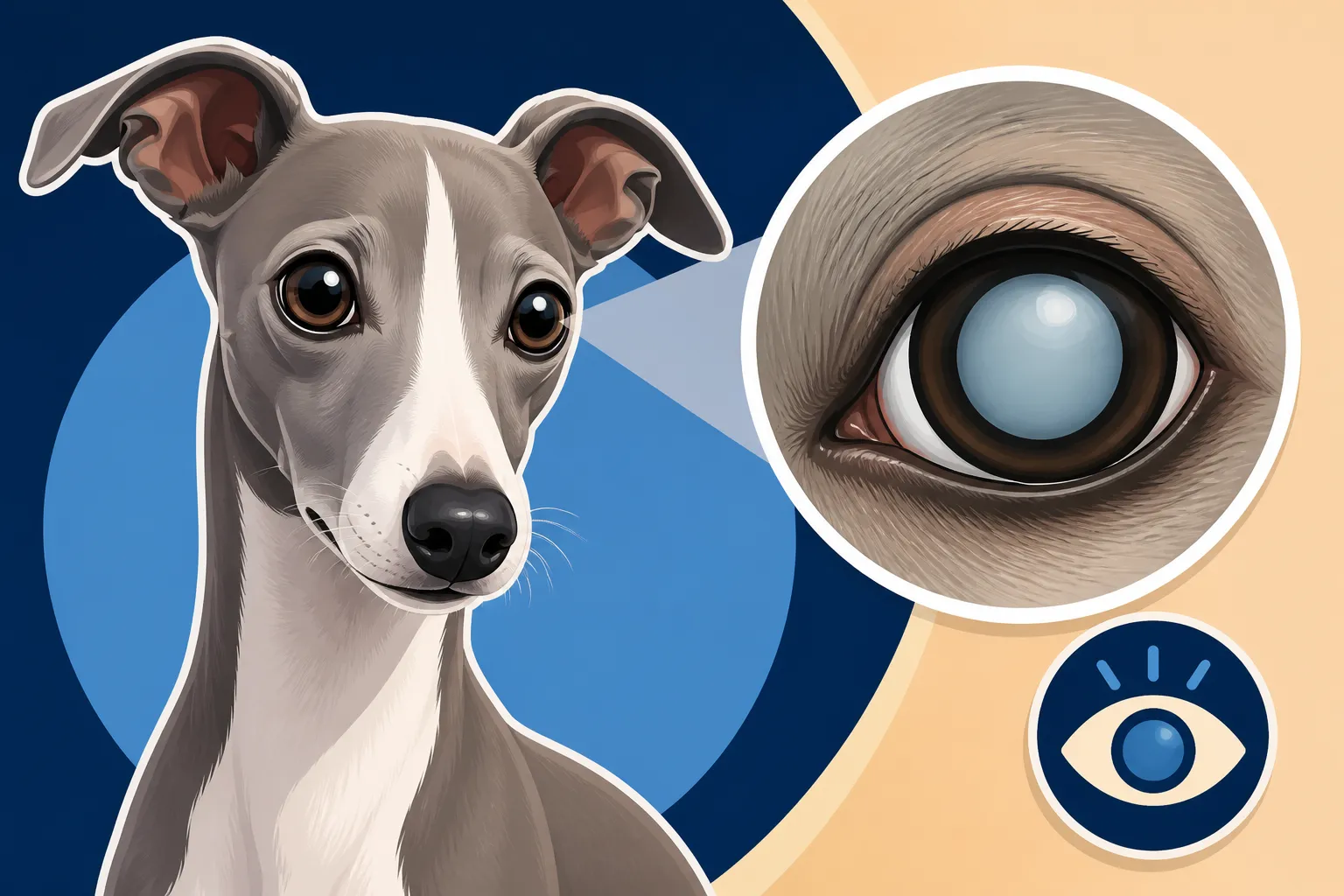
When we talk about cataracts, we're referring to a clouding or opacification of the lens inside your dog's eye. Think of the lens as a tiny, clear window that focuses light onto the retina, allowing your Italian Greyhound to see the world around them. When a cataract forms, this window becomes hazy, milky, or even opaque, much like looking through a frosted pane of glass. This clouding prevents light from passing through properly, leading to blurry vision, distorted images, and, in severe cases, complete blindness.
It's important to distinguish cataracts from a condition called nuclear sclerosis, which is very common in older dogs, including our Italian Greyhounds. Nuclear sclerosis causes a bluish-gray haze in the center of the lens due to the hardening of older lens fibers. While it can make the eyes look cloudy, it rarely significantly impairs vision. Many owners mistake nuclear sclerosis for cataracts, leading to unnecessary worry. A vet can easily tell the difference during an eye exam. True cataracts, however, actively block light, impacting vision in a much more profound way. The degree of vision loss depends on the size, location, and density of the cataract. A small, peripheral cataract might cause minimal issues, but a large, dense one right in the center can make navigating their world incredibly difficult for your sensitive Italian Greyhound.
The Different Types of Cataracts Seen in Italian Greyhounds
Cataracts aren't a one-size-fits-all condition; they can develop for various reasons and at different stages of an Italian Greyhound's life. Understanding the type of cataract your Iggy has can help you and your vet plan the best course of action.
One of the most concerning types for Italian Greyhound owners is hereditary or juvenile cataracts. Unfortunately, Iggies, like many purebreds, can be predisposed to certain genetic eye conditions. These cataracts often appear when the dog is quite young, sometimes even before they're two years old. This makes careful breeding practices incredibly important. Reputable breeders should be screening their breeding stock for a range of eye health issues, which includes looking for signs of early-onset cataracts. You can learn more about this by reading about The Eye Diseases an Italian Greyhound Breeder Screens For. When hereditary cataracts appear, they can progress rapidly, quickly leading to significant vision impairment in what should be a vibrant, active young dog.
Then there are age-related cataracts, often referred to as senile cataracts. Just like in humans, as our Italian Greyhounds get older, their eyes can develop cataracts simply due to the aging process. These tend to progress more slowly and might only cause mild vision issues for years. However, if your Italian Greyhound is already in their senior years – typically considered The Age an Italian Greyhound Is Considered Senior – and begins developing cataracts, it can certainly compound the challenges of aging. Dealing with vision loss on top of other age-related changes requires extra patience and care.
Finally, cataracts can also be secondary to other health conditions or trauma. Diabetes mellitus is a classic example; diabetic dogs often develop cataracts rapidly due to changes in glucose metabolism within the eye. Other eye diseases, such as Progressive Retinal Atrophy in an Italian Greyhound or even severe eye injuries, can sometimes lead to cataract formation. In some cases, chronic inflammation within the eye can also trigger cataracts. It's crucial for your veterinarian to investigate any underlying health issues that might be contributing to cataract development, as treating the primary condition can sometimes help manage or prevent further progression of the cataract.
Recognizing the Signs and Symptoms
Catching cataracts early can make a big difference in how you manage your Italian Greyhound's care. Sometimes the signs are obvious, but often, with our resilient and adaptive Iggies, they can be quite subtle initially. Knowing what to look for, both visually and behaviorally, is key.
Visual Cues of Cataract Development
The most direct way to spot a cataract is by observing changes in your Italian Greyhound's eyes. You might start to notice a subtle cloudiness, a haziness, or even a milky white appearance within the lens itself. This usually begins as a small opaque spot that gradually expands. At first, it might only be visible in certain lighting conditions. You might notice your Iggy’s pupils look less uniformly black and perhaps have a bluish or grayish tint, especially when light catches them just right. Over time, as the cataract matures, the entire pupil can appear white or opaque.
To check at home, try looking at your Italian Greyhound's eyes in different lighting, perhaps with them facing a window or under a soft lamp. You might even gently part their eyelids to get a clearer view. Remember, a normal pupil should appear black. If you see any cloudiness, even a faint one, it's worth getting it checked by a vet. Early detection allows for earlier intervention, which can be crucial for conditions like these. A quick trip to the vet can differentiate between a benign age-related change like nuclear sclerosis and a true cataract that requires monitoring or treatment.
Behavioral Indicators of Impaired Vision
While the visual cues are important, your Italian Greyhound's behavior can often be the first real indicator that something is amiss with their eyesight. These dogs are incredibly clever at adapting, but over time, vision loss will start to show in their daily routine. You might notice them bumping into furniture, walls, or doorframes, especially in unfamiliar environments or if you've rearranged something slightly. Trips and falls on stairs are a major red flag, and an Iggy who once confidently flew off the sofa might start to hesitate or even refuse to jump down. You can find more helpful advice on how to mitigate this in Ramps and Steps for an Italian Greyhound's Furniture.
Beyond physical clumsiness, you might observe changes in their confidence and overall demeanor. They may become more anxious, particularly when left alone or in new places. Some Iggies become clingier, needing to be closer to you for reassurance. They might startle more easily if you approach them unexpectedly, especially from their blind side. During playtime, you might notice them misjudging where a toy lands or struggling to track fast-moving objects. Difficulty navigating in low light is another classic sign. If you notice your Italian Greyhound hesitating at dusk or struggling in dimly lit rooms, it could be one of the Signs an Italian Greyhound Is Losing Night Vision, which often precedes more widespread vision loss. Any of these behavioral shifts warrant an immediate veterinary visit to investigate their vision.
Diagnosing Cataracts and What to Expect at the Vet
If you suspect your Italian Greyhound might have cataracts, the first step is always a visit to your trusted veterinarian. They'll conduct a thorough examination and, if needed, refer you to a specialist. It’s a process, but a necessary one to ensure the best outcome for your furry friend.
The Initial Veterinary Examination
When you bring your Italian Greyhound in for a suspected cataract, your regular vet will perform a comprehensive physical and ophthalmic examination. This typically involves a general health check, ensuring there are no other underlying issues. For the eyes, they'll use an ophthalmoscope – a specialized light and magnifying tool – to look deep into your dog's eye. This allows them to clearly see the lens and identify any clouding. It's especially helpful if your vet has experience with sighthounds and understands their unique physiology, as discussed in Why an Italian Greyhound's Vet Should Know Sighthounds. They’ll be able to differentiate between nuclear sclerosis (the harmless age-related haziness) and a true cataract.
During this initial exam, your vet might also perform some basic tests. A Schirmer tear test measures tear production to rule out dry eye, which can sometimes cause corneal changes that mimic cataracts. They might also perform tonometry, which measures the pressure inside the eye, to check for conditions like Glaucoma in an Italian Greyhound. These initial tests help paint a clearer picture of your Italian Greyhound's overall eye health and guide the next steps. They will also assess your dog's general vision by observing how they navigate the examination room and react to visual stimuli.
Specialist Ophthalmic Evaluation
If your general vet confirms the presence of cataracts or has any concerns, the next step is often a referral to a board-certified veterinary ophthalmologist. These specialists have advanced training and equipment specifically for diagnosing and treating eye conditions. An ophthalmologist will use a slit-lamp biomicroscope, which provides a highly magnified, detailed view of the eye's structures, allowing them to precisely pinpoint the location, size, and density of the cataract. They can also use ocular ultrasound to visualize the structures behind the lens, such as the retina, to ensure there are no other issues like Vitreous Degeneration in an Italian Greyhound that could affect prognosis.
A critical part of the specialist evaluation, especially if surgery is a possibility, is determining the cause of the cataract. If diabetes is suspected, blood tests will be run to check blood glucose levels. If a hereditary component is a concern, they might discuss genetic testing. For Italian Greyhounds, genetic tests like The DNA Test for Italian Greyhound Retinal Atrophy are sometimes available for other inherited eye diseases, and while not directly for cataracts, they highlight the importance of understanding the genetic predispositions of the breed. Before cataract surgery, an electroretinography (ERG) will typically be performed. This test measures the electrical activity of the retina, confirming that the retina is healthy and able to perceive light once the cloudy lens is removed. This step is vital because if the retina isn't functional, cataract surgery won't restore vision. This comprehensive evaluation ensures that all factors are considered, and the best treatment plan is developed, factoring in potential costs which a pet insurance provider like Healthy Paws might help with.
Treatment Options for Italian Greyhound Cataracts
Discovering your Italian Greyhound has cataracts can feel overwhelming, but thankfully, there are avenues for treatment. While not all cataracts require or are suitable for surgery, there are definite ways to improve their quality of life.
Medical Management and Lifestyle Adjustments
It's a common misconception that eye drops can dissolve or cure cataracts. Unfortunately, there are no commercially available eye drops that can reverse the clouding of the lens once it has formed. However, some ophthalmic drops might be prescribed if there's inflammation associated with the cataract (a condition called lens-induced uveitis), or if your vet believes they might help slow the progression in very early stages, though their effectiveness for slowing progression is often limited. These drops typically aim to manage secondary issues, not eliminate the cataract itself.
For Iggies with partial cataracts or those not suitable for surgery, lifestyle adjustments become paramount. Protecting their eyes from excessive UV light can sometimes be helpful, so doggy goggles (if they tolerate them!) or ensuring they spend time in shaded areas outdoors might be recommended. Most importantly, creating a consistent and safe home environment is crucial for any dog experiencing vision loss. This means keeping furniture in the same place, preventing clutter, and ensuring clear pathways. If vision loss becomes severe, your Iggy might need help navigating stairs, and solutions like Ramps and Steps for an Italian Greyhound's Furniture become essential. Your goal is to minimize frustration and keep them confident in their familiar surroundings.
Surgical Intervention: Phacoemulsification
For Italian Greyhounds whose vision is significantly impaired by cataracts and whose retinas are healthy, surgical intervention is often the most effective treatment to restore sight. The gold standard for cataract removal in dogs is a procedure called phacoemulsification. This is the same technique used in human cataract surgery, and it’s performed by a specialist veterinary ophthalmologist.
During phacoemulsification, a tiny incision is made in the cornea. A small probe, which emits ultrasonic waves, is then inserted. This probe breaks up the cloudy lens into tiny fragments, which are then suctioned out. Once the natural lens material is removed, an artificial intraocular lens (IOL) is typically implanted to restore proper light focus, much like a tiny, permanent contact lens. The success rate for phacoemulsification in dogs is very high, often exceeding 90% for restoring functional vision, assuming the retina is healthy. However, as with any surgery, there are risks, including infection, glaucoma, or retinal detachment.
Post-operative care is intensive and critical for success. Your Italian Greyhound will likely need to wear an Elizabethan collar (the "cone of shame") for several weeks to prevent them from rubbing or scratching their eyes. A strict regimen of multiple eye drops, often several times a day, will be necessary to prevent inflammation and infection. Activity will be restricted, similar to what you might experience with an Italian Greyhound after a fracture repair, where How Long an Italian Greyhound Stays Crated After Surgery is a key consideration, though for eye surgery, the restriction is more about preventing head trauma or excessive straining. The recovery period typically involves several follow-up appointments with the ophthalmologist to monitor healing and adjust medications. The cost of cataract surgery can be substantial, often running into the thousands of dollars for one eye, or more if both eyes are done simultaneously or separately. This is where investing in pet insurance, like policies from Healthy Paws, can be invaluable for helping manage these significant veterinary expenses. It's always best to get a detailed estimate from the specialist so you can plan financially.
Living with an Italian Greyhound with Cataracts
Adapting to life with a visually impaired Italian Greyhound might seem daunting, but these dogs are incredibly resilient and can lead full, happy lives with the right support from their devoted owners. It’s all about creating a safe, predictable world for them.
Adapting Your Home for a Visually Impaired Dog
The most important step in supporting an Iggy with cataracts is making their environment safe and easy to navigate. The golden rule here is consistency: avoid rearranging furniture. Your dog creates a mental map of their home, and moving things around can be incredibly disorienting and dangerous. Walk through your home at their eye level to identify potential hazards like sharp corners, low-lying objects, or open doors that lead to stairs. Gate off stairs completely, or consider installing small, pet-friendly gates. This is where advice on How a Blind Italian Greyhound Manages Stairs becomes incredibly practical.
Consider using different textures on the floor to mark boundaries or important areas. For example, a small rug placed near their food bowl or bed can signal a familiar spot. Some owners use scent cues, like a dab of essential oil (vet-approved and diluted, of course!) on a doorframe to mark a room. Ensure all pathways are clear of clutter, especially toys or shoes. For doors that might be left ajar, consider installing self-closing hinges or simply making it a habit to keep them fully open or fully closed. Non-slip runners or rugs can also be a lifesaver on slick flooring, providing better traction and reducing the risk of falls, which can be particularly dangerous for their fragile bones.
Maintaining Quality of Life and Emotional Well-being
Even with reduced vision, your Italian Greyhound can enjoy a rich and fulfilling life. The key is to engage their other powerful senses: smell and hearing. Continue training, but shift from visual cues to purely verbal ones. Use a consistent verbal cue before you approach them so you don't startle them. Always speak to them as you enter a room or before you pick them up. Toys that make noise, like squeaky balls or crinkly plushies, can still provide endless entertainment. Scent work games, where they have to sniff out hidden treats, are fantastic for mental stimulation and building confidence.
Maintaining a predictable daily routine will greatly reduce their anxiety. Knowing when to expect meals, walks, and playtime provides a sense of security. Always keep them on a leash when outside, even in a fenced yard, as their prey drive can override their caution, and they might bolt towards a sound or smell without seeing obstacles. This is especially true for Italian Greyhounds, who are genetically wired to chase, as highlighted in "Why an Italian Greyhound Cannot Be Trusted Off Leash, Ever." Offer plenty of physical affection and reassurance. Your calm presence is their anchor in a world that might feel a little blurrier. Regular vet check-ups are also crucial to monitor any progression of the cataracts, manage secondary issues like inflammation, and ensure their overall health, as part of Caring for an Italian Greyhound Past Eleven. You might notice increased Night Confusion in an Old Italian Greyhound with vision loss, so a night light can be helpful.
Preventing and Managing Genetic Risk
While not all cataracts can be prevented, especially those due to age or trauma, there’s a significant emphasis on managing the risk of hereditary cataracts in Italian Greyhounds. This responsibility primarily falls on breeders, but owners also play a role in advocating for healthy practices.
The Role of Responsible Breeding
For breeds like the Italian Greyhound, where hereditary cataracts can be a concern, responsible breeding practices are absolutely critical. Reputable breeders understand the genetic predispositions of their lines and take proactive steps to minimize the risk of passing on inherited diseases. This means performing comprehensive health screenings on all breeding stock, well before they are ever bred. For eyes, this typically involves annual examinations by a board-certified veterinary ophthalmologist, often referred to as OFA Eye Certification or similar breed-specific health registries. This is part of the broader range of What an Italian Greyhound Breeder Should Have Tested.
These eye screenings look for any signs of congenital or early-onset cataracts, as well as other inherited eye conditions. If a dog develops hereditary cataracts, they should be removed from the breeding program to prevent passing the trait to future generations. For some eye conditions, like Progressive Retinal Atrophy in an Italian Greyhound, DNA tests are available, which can identify carriers of the gene. In these cases, it's vital that breeders understand Why Two Carrier Italian Greyhounds Should Not Be Bred, as breeding two carriers dramatically increases the likelihood of producing affected puppies. When you are looking for an Italian Greyhound puppy, always ask the breeder about their health testing protocols, especially for eye health. A transparent breeder will be happy to show you certificates and discuss their efforts to breed healthy dogs.
Proactive Eye Health Measures
Even if your Italian Greyhound comes from excellent lines with clear health checks, proactive eye care is still important throughout their life. Regular veterinary wellness exams are essential, and during these visits, your vet should always include an eye examination. You can ask specifically for your vet to perform What an Italian Greyhound's Yearly Eye Exam Covers, ensuring a thorough check for any early signs of cataracts or other issues. The earlier a problem is detected, the better the chances for effective management. For example, knowing The Age Retinal Atrophy Appears in an Italian Greyhound helps owners and vets look for specific signs at crucial developmental stages.
While there’s no magic pill to prevent all cataracts, some veterinarians might discuss the role of antioxidants in supporting overall eye health. Certain supplements containing vitamins C and E, lutein, and omega-3 fatty acids are sometimes suggested, though their direct impact on preventing cataracts in dogs isn't definitively proven. Always consult with your vet before starting any supplements. Beyond supplements, simply being vigilant and noticing any subtle changes in your Iggy’s eyes or behavior is your most powerful tool. Pay attention to how they navigate, especially in low light, and if you ever feel something isn't quite right, don't hesitate to schedule a vet visit. Your proactive approach is key to helping your Italian Greyhound maintain the best possible vision and quality of life.
Cataracts vs. Nuclear Sclerosis: A Quick Comparison
It's common for owners to confuse cataracts with nuclear sclerosis, as both can make an older dog's eyes appear cloudy. Here's a quick table to help differentiate the two:
| Feature | Cataracts | Nuclear Sclerosis |
|---|---|---|
| Appearance | Milky white, opaque, or crystalline cloudiness in the lens. Can be focal or entire lens. | Bluish-gray haze or cloudiness in the center of the lens. |
| Cause | Genetic, age, diabetes, trauma, inflammation, other eye diseases. | Normal aging process, hardening of lens fibers. |
| Impact on Vision | Significant to complete vision loss, depending on severity and location. | Minimal to no impact on vision; dog can usually see clearly. |
| Onset | Can occur at any age (juvenile/hereditary) or later in life (age-related). | Typically seen in dogs over 6-8 years old. |
| Progression | Can progress rapidly or slowly, depending on the type and cause. | Slowly progressive, but generally stable once developed. |
| Treatment | Surgical removal (phacoemulsification) to restore vision. Medical management for secondary issues. | No treatment needed as it doesn't impair vision significantly. |
| Associated Pain/Inflammation | Can cause lens-induced uveitis (inflammation) which can be painful. | No associated pain or inflammation. |
Disclaimer
This article is intended for informational purposes only and is not a substitute for professional veterinary advice, diagnosis, or treatment. Always seek the advice of your veterinarian or other qualified animal health provider with any questions you may have regarding a medical condition.