The Age Retinal Atrophy Appears in an Italian Greyhound
One of the most heart-wrenching concerns for any Italian Greyhound owner is the potential for vision loss, and Progressive Retinal Atrophy (PRA) casts a long shadow over the breed's future. It's truly devastating to think of your agile, sight-dependent companion slowly losing their ability to navigate the world. This guide is here to shed light on exactly when Progressive Retinal Atrophy typically manifests in Italian Greyhounds, what to look for, and how you can support your beloved companion if they are affected.
Understanding Progressive Retinal Atrophy in Italian Greyhounds
Progressive Retinal Atrophy (PRA) isn't just one single disease; it's a blanket term for a group of inherited degenerative eye conditions that ultimately lead to blindness. For Italian Greyhounds, specifically, it's a condition that can gradually diminish their sharp vision, often starting subtly and progressing over time. It’s not something that strikes overnight, but rather a slow, relentless erosion of their eyesight, which can be incredibly hard to watch as an owner.
What is PRA and How Does It Affect Vision?
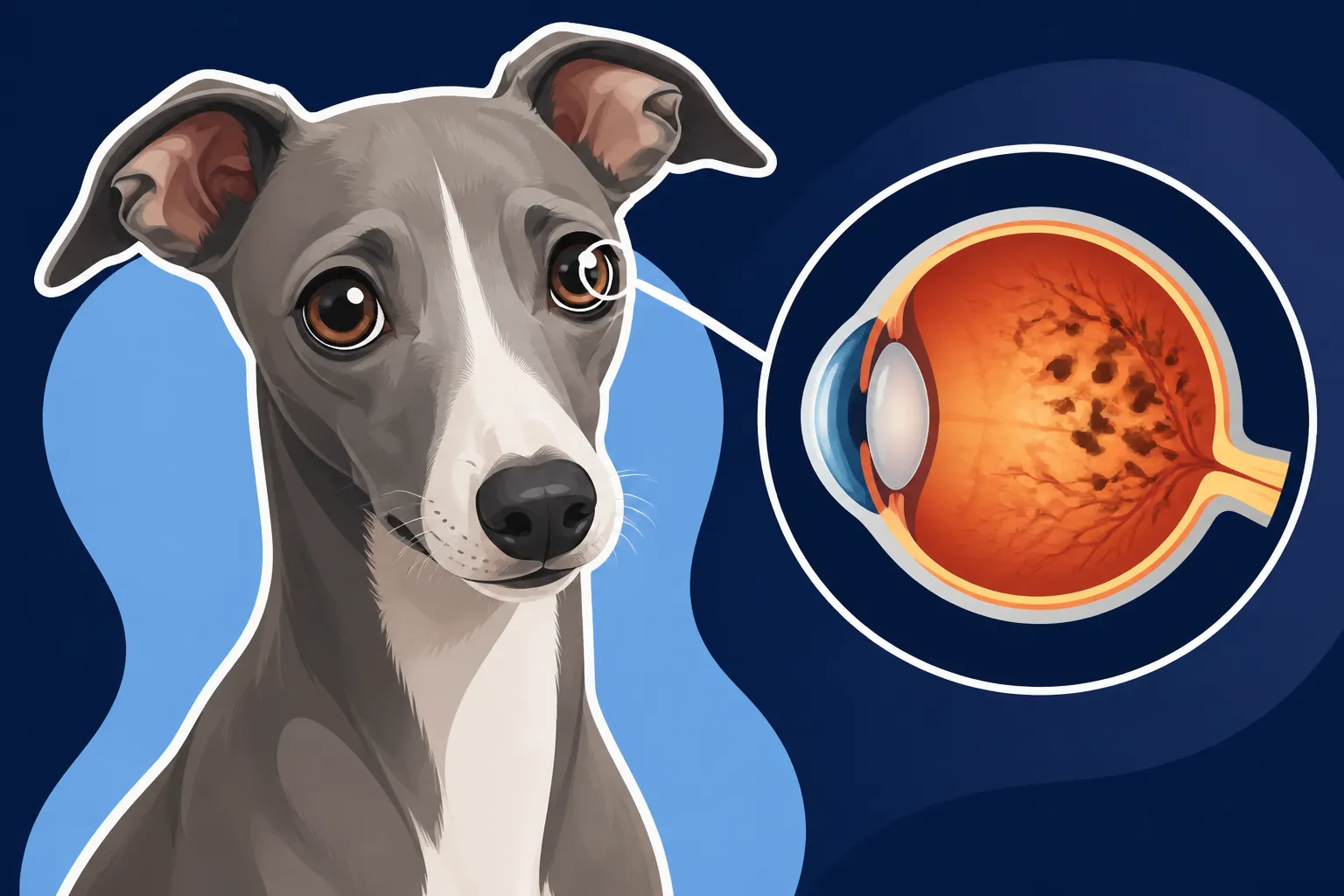
At its core, PRA involves the gradual deterioration of the retina's photoreceptor cells—the rods and cones—which are responsible for detecting light and color. Imagine the back of your dog's eye having millions of tiny light sensors; with PRA, these sensors slowly stop working. Rods are the first to go, impacting night vision, which is why early signs often manifest in low-light conditions. As the disease progresses, the cones, responsible for day vision and color perception, also degenerate.
This process is usually symmetrical, affecting both eyes relatively equally, though not necessarily at the exact same pace. It’s a bit like watching a photograph slowly fade away, losing clarity and detail over months or even years. The genetic mutation essentially programs these cells for an early shutdown, leading to their premature death. Because Italian Greyhounds are such visually oriented dogs, relying on their keen eyesight for their signature sprints and acrobatic jumps, the impact of PRA can be particularly profound, changing their entire way of interacting with their environment.
Typical Age of Onset for PRA in Italian Greyhounds
This is often the million-dollar question for worried owners: when does it usually begin? For Italian Greyhounds, Progressive Retinal Atrophy can be broadly categorized into early-onset and late-onset forms, though the most common type seen in the breed tends to be a relatively later-onset form compared to some other breeds. Typically, signs of PRA in an Italian Greyhound might start to become noticeable anywhere from three to six years of age, with some cases appearing earlier, around two years, and others not until they are seven or eight.
It's not uncommon for owners to first notice subtle changes around dusk or in dimly lit rooms. Perhaps your otherwise confident Italian Greyhound suddenly seems hesitant to navigate familiar hallways at night, or bumps into furniture they usually avoid. The progression is not usually uniform; some dogs might experience a rapid decline over a year or two, while for others, the vision loss might be a slow creep over several years. This variability makes it challenging to predict, but understanding the typical range helps you stay vigilant. Remember, the symptoms are often so gradual that owners may not immediately connect them to vision loss, attributing them instead to clumsiness or a change in personality.
Recognizing the Early Signs of Vision Loss
Catching the signs early can make a significant difference in how you prepare and support your Italian Greyhound. The absolute earliest and most common sign of PRA is night blindness, or nyctalopia. Your Italian Greyhound, who once confidently raced around the yard after sunset or navigated a dark house with ease, might suddenly become hesitant or bump into things when the lights are low. They might cling closer to you during evening walks or seem disoriented in familiar, dark spaces.
Other signs to watch for include:
- Dilated Pupils: To compensate for less light entering the eye, your dog’s pupils might appear persistently dilated, even in moderately bright light. They're trying to let in as much light as possible to see. You might notice their eyes reflect light more intensely, sometimes giving them a "glow" in pictures (often called tapetal reflection).
- Clumsiness: As day vision starts to decline, you might notice them misjudging steps, bumping into furniture, or having trouble catching toys they once easily snatched from the air. This might be especially apparent when How Fast an Italian Greyhound Loses Its Sight.
- Increased Startle Response: Since they can't see as well, sudden noises or movements might startle them more easily.
- Behavioral Changes: Some dogs might become more anxious or clingy, especially in new or dimly lit environments. Others might seem less interested in games that rely heavily on visual cues, like fetch.
- "Glassy" or "Cloudy" Appearance of Eyes: While not always present, some dogs with advanced PRA can develop secondary cataracts, which give the eyes a cloudy appearance. However, the primary issue is retinal degeneration, not the cataract itself.
If you observe any of these changes, especially the early onset night blindness, it’s imperative to schedule a visit with your veterinarian. Early detection won't cure PRA, but it allows you to begin modifications and preparations that can significantly improve your dog's quality of life as their vision declines.
Diagnosing and Managing PRA in Your Italian Greyhound
Once you suspect your Italian Greyhound might be experiencing vision issues, the next step is to get a professional diagnosis. While the idea of your dog losing their sight is terrifying, having a clear understanding of the situation allows you to proactively manage their care and ensure they continue to live a full and happy life. It’s about adapting, not giving up.
The Diagnostic Process: What to Expect at the Vet
When you bring your Italian Greyhound to the vet with concerns about their vision, your veterinarian will likely begin with a thorough general eye examination. This might include checking pupil reflexes, looking for any obvious abnormalities, and potentially performing an ophthalmoscopic exam to look at the retina. However, for a definitive diagnosis of PRA, especially in its early stages, a specialist veterinary ophthalmologist is usually required.
Here’s what a specialist might do:
- OFA Eye Exam (or similar registry exam): This is a standard annual eye certification exam, where a board-certified veterinary ophthalmologist examines your dog's eyes for a variety of inherited eye diseases, including PRA. They will use specialized equipment to get a detailed view of the retina. This type of exam is also critical for breeders, as it's part of The Eye Diseases an Italian Greyhound Breeder Screens For.
- Electroretinography (ERG): This is the gold standard for diagnosing PRA, especially before clinical signs are evident or when differentiating PRA from other conditions. The ERG measures the electrical responses of the cells in the retina to light. In dogs with PRA, these electrical signals will be diminished or absent, indicating the photoreceptors are not functioning correctly. This procedure requires sedation, as the dog needs to be perfectly still.
- DNA Testing: Crucially, there are now DNA tests available for specific forms of PRA in various breeds, including Italian Greyhounds. For Iggys, the specific gene mutation responsible for their form of PRA has been identified. A simple cheek swab or blood sample can determine if your dog is clear, a carrier, or affected by the disease. This is a non-invasive test that can provide a definitive answer, even before any symptoms appear. In fact, The DNA Test for Italian Greyhound Retinal Atrophy is highly recommended for all breeding Italian Greyhounds.
Receiving a diagnosis of PRA can be overwhelming, but remember that it's a slow-progressing condition. You'll have time to adjust and help your dog adapt. Many vets and ophthalmologists are wonderful at guiding owners through this process. You might even find that pet insurance providers like Healthy Paws can offer some assistance with these diagnostic costs, depending on your plan and when you enrolled your dog.
Supporting an Italian Greyhound with Progressive Vision Loss
Living with a dog losing their sight requires patience, consistency, and a few practical adjustments around the house. Italian Greyhounds are incredibly adaptable, and with your help, they can continue to live rich, fulfilling lives even with significant vision impairment.
Here are some strategies:
- Maintain Consistency: Dogs thrive on routine, but for a visually impaired dog, consistency in their environment becomes absolutely vital. Try not to rearrange furniture, especially large items, unless absolutely necessary. If you do, guide them around the new layout several times.
- Create Safe Pathways: Keep walking paths clear of clutter. Consider using baby gates to block off stairs or areas that could be dangerous, especially in the initial stages of vision loss. For instance, How a Blind Italian Greyhound Manages Stairs might involve installing ramps or carrying them.
- Auditory Cues: Start using verbal cues for everything. "Step up," "watch out," "this way," "stop" can become incredibly important commands. Use bells on your shoes so your dog can locate you, or teach them to follow a verbal trail.
- Scent Markers: Some owners use different scents (like a drop of vanilla extract or a specific essential oil) on furniture legs or doorways to help their dog identify objects and navigate. Just be sure to use dog-safe scents sparingly.
- Touch and Sound Toys: Introduce toys that make noise (squeaky toys, balls with bells inside) or have interesting textures. This engages their other senses and keeps playtime fun and stimulating.
- Safe Outdoor Space: If you have a yard, ensure it's securely fenced. Always supervise them outside. Many owners find a long line indispensable for safe walks in open areas where an unleashed dog might wander off.
- Emotional Support: Your Italian Greyhound will pick up on your anxiety. Remain calm, confident, and reassuring. Offer plenty of gentle praise and physical contact. They rely on you for guidance and emotional stability more than ever.
- Harness Training: A harness, rather than just a collar, can provide better control and comfort during walks, especially as they might start to pull more to gather information through scent.
- Consider a "Halo" Device: For dogs with severe vision loss, a halo attached to a harness can act as a bumper, alerting them to obstacles before they make physical contact. These are sometimes called "Muffin's Halos" and can greatly increase confidence.
Remember, the goal is to empower your Italian Greyhound, not to shelter them entirely. They can learn to map their environment using their other senses, particularly their incredible sense of smell and hearing.
Nutritional and Supplemental Considerations
While there's no magic bullet to reverse or prevent PRA, some research suggests certain nutritional strategies and supplements might support overall eye health and potentially slow the progression of some retinal degenerations. It's crucial to understand that these are supportive measures and not cures. Always discuss any dietary changes or supplements with your veterinarian or a veterinary nutritionist.
Commonly discussed supplements and nutrients include:
- Antioxidants: Vitamins C and E, lutein, zeaxanthin, and beta-carotene are powerful antioxidants that help combat oxidative stress in the eyes. Oxidative stress is implicated in the degeneration of retinal cells. Many high-quality dog foods already contain these, but supplements specifically formulated for canine eye health are also available.
- Omega-3 Fatty Acids: EPA and DHA, found in fish oil, are vital for retinal health and have anti-inflammatory properties. These fatty acids are essential components of photoreceptor cell membranes.
- Specific Eye Health Supplements: Products like Ocu-GLO (a popular veterinary brand) combine several of these beneficial ingredients (lutein, grapeseed extract, omega-3s, vitamins) in a formulation designed for canine eye health.
- Dietary Quality: Feeding a high-quality, balanced diet rich in essential vitamins and minerals is foundational for overall health, including eye health. Avoid generic, low-quality foods.
It's important to manage expectations. These supplements are not going to restore lost vision, nor will they necessarily halt the disease entirely. However, they may play a role in supporting the remaining healthy retinal cells and maintaining the overall integrity of the eye. Think of it as giving your Italian Greyhound's eyes the best possible fighting chance and support. Your vet can advise you on appropriate dosages and specific brands. While pet insurance plans like Healthy Paws generally cover diagnostic tests and veterinary care for illnesses, routine supplements are typically an out-of-pocket expense.
The Genetic Basis and Breeding Responsibilities
The reality of Progressive Retinal Atrophy in Italian Greyhounds is that it's an inherited condition. This means it's passed down from parents to offspring through their genes. Understanding this genetic component is not just academic; it’s fundamental for breeders to make responsible choices and for prospective owners to select a healthy puppy.
Inheritance Patterns and Carrier Status
PRA in Italian Greyhounds is typically inherited as an autosomal recessive trait. What does this mean in plain English?
- Recessive: For a dog to develop the disease (i.e., be "affected"), they must inherit two copies of the faulty gene—one from their mother and one from their father.
- Autosomal: The gene is located on a non-sex chromosome, meaning it affects males and females equally.
Here's a simple breakdown of how this works:
- Clear (Homozygous Normal): A dog with two normal genes. It cannot develop PRA and cannot pass the faulty gene to its offspring.
- Carrier (Heterozygous): A dog with one normal gene and one faulty gene. It will not develop PRA itself (because the normal gene "masks" the faulty one), but it can pass the faulty gene to its offspring. This is why carriers are so important in breeding decisions, as Why Two Carrier Italian Greyhounds Should Not Be Bred is a critical piece of advice.
- Affected (Homozygous Affected): A dog with two faulty genes. It will develop PRA and will pass one faulty gene to all of its offspring.
The challenge with recessive conditions is that carriers show no symptoms. A breeder could unknowingly breed two carriers, producing a litter where 25% of the puppies are affected, 50% are carriers, and 25% are clear. This is why relying solely on visual exams isn't enough; genetic testing is paramount.
Why DNA Testing is Crucial for Breeders
Given the recessive nature of PRA, DNA testing has revolutionized responsible breeding practices for Italian Greyhounds. Before DNA tests, breeders relied on eye exams by ophthalmologists, which could only identify affected dogs once symptoms began, or at best, rule out clinical signs in adult dogs. This meant affected dogs might have already been bred, passing on the faulty gene.
With the availability of a specific DNA test for the Italian Greyhound form of PRA, breeders can now:
- Identify Carriers: They can test their breeding stock to determine if any dog carries the PRA gene, even if the dog itself has perfect vision.
- Make Informed Pairings: A responsible breeder will never breed two carriers together. They can safely breed a carrier to a clear dog; all puppies from such a pairing will be either clear or carriers, but none will be affected. The goal is to gradually reduce the number of carriers in the gene pool while maintaining genetic diversity.
- Prevent Affected Puppies: The ultimate aim is to ensure no puppies are born with PRA, thereby reducing suffering and preserving the health of the breed. This aligns with responsible breeding protocols, which often include Which Health Tests an Italian Greyhound Breeder Should Run as a standard practice.
- Provide Transparency: Ethical breeders are proud to share the results of their DNA testing with prospective puppy buyers, offering peace of mind.
This proactive approach helps safeguard the future of the Italian Greyhound breed, ensuring that these wonderful companions continue to enjoy long, healthy lives with excellent vision. It's a testament to how far veterinary science has come in supporting animal welfare.
Making Informed Choices When Getting an Italian Greyhound Puppy
For prospective Italian Greyhound owners, understanding the genetics of PRA empowers you to make a responsible and ethical choice when selecting a puppy. This isn't just about avoiding a heartbreaking diagnosis later; it's about supporting breeders who prioritize the long-term health of the breed.
When you're looking for an Italian Greyhound puppy, here are crucial questions to ask potential breeders:
- "Have the parents been DNA tested for PRA, and can I see the results?": A reputable breeder will have tested both parents and will be happy to provide documentation from a recognized testing laboratory (e.g., Optigen, PennGen, or a similar genetic testing service). You want to see that at least one parent is "Clear," and ideally, both are. If one parent is a carrier, the other must be clear to avoid producing affected puppies.
- "What other health clearances do you perform?": Beyond PRA, responsible Italian Greyhound breeders should screen for other inherited conditions common in the breed, such as patellar luxation, Legg-Calve-Perthes disease, and specific cardiac or thyroid issues. Ask about What an Italian Greyhound Breeder Should Have Tested as part of their comprehensive health program.
- "How long have you been breeding Italian Greyhounds, and what is your philosophy on genetic health?": An experienced breeder will have a clear understanding of breed health issues and a commitment to minimizing them.
- "Can I meet the parents (or at least the mother) and see their eyes?": While you might not be able to diagnose PRA yourself, seeing healthy, clear-eyed parents can offer some reassurance, alongside the DNA test results.
Don't be shy about asking these questions. A truly dedicated breeder welcomes them, as it shows you are a responsible future owner. Be wary of breeders who dismiss health testing, claim it's unnecessary, or can't produce documentation. While the initial cost of a puppy from a health-tested line might seem higher, it's a small investment compared to the emotional and financial cost of managing a chronic, inherited health condition later in your dog's life. Considering What an Italian Greyhound Costs to Buy in 2026, investing in a well-bred puppy is always the wiser long-term decision.
PRA in Italian Greyhounds: Key Information
| Characteristic | Description |
|---|---|
| What it is | A group of inherited degenerative eye diseases causing photoreceptor cell (rods and cones) deterioration, leading to blindness. |
| Typical Onset Age | Primarily 3-6 years of age, but can range from 2 years (early-onset) to 7-8 years (late-onset). Often starts with night vision loss. |
| Early Signs | Night blindness (hesitancy in low light), dilated pupils, clumsiness, increased startle response, reluctance to play vision-dependent games. |
| Diagnosis | Veterinary ophthalmologist exam, Electroretinography (ERG), and most definitively, DNA testing for the specific Italian Greyhound PRA mutation. |
| Inheritance | Autosomal recessive. Dog must inherit two copies of the faulty gene (one from each parent) to be affected. Carriers have one faulty gene but are not affected themselves. |
| Prognosis | Always progressive, leading to blindness. Rate of progression varies. No cure, but management strategies help dogs adapt. |
| Breeding Recommendation | All breeding Italian Greyhounds should be DNA tested for PRA. Avoid breeding two carriers together to prevent affected puppies. |
| Management | Maintain consistent home environment, use auditory cues, scent markers, provide emotional support, use a harness, consider protective halos, and explore supportive nutritional supplements. |
Disclaimer
The information provided in this article is for educational and informational purposes only and does not constitute veterinary medical advice. Always consult with a qualified veterinarian or veterinary ophthalmologist for any health concerns or before making any decisions about your pet's health or treatment.