Whether an Italian Greyhound Gets Hip Dysplasia
The worry that something might be wrong with your beloved Italian Greyhound's hips or legs is a constant undertone for many owners, especially given how delicate these dogs can seem. While it's true Iggys have their own unique set of orthopedic challenges, one common concern among larger breeds, hip dysplasia, is actually quite rare in our elegant, fine-boned companions. This guide will delve into why that is, what actual joint issues Italian Greyhounds face, and how you can best support their unique physical needs.
Understanding Canine Hip Dysplasia: A Widespread Concern
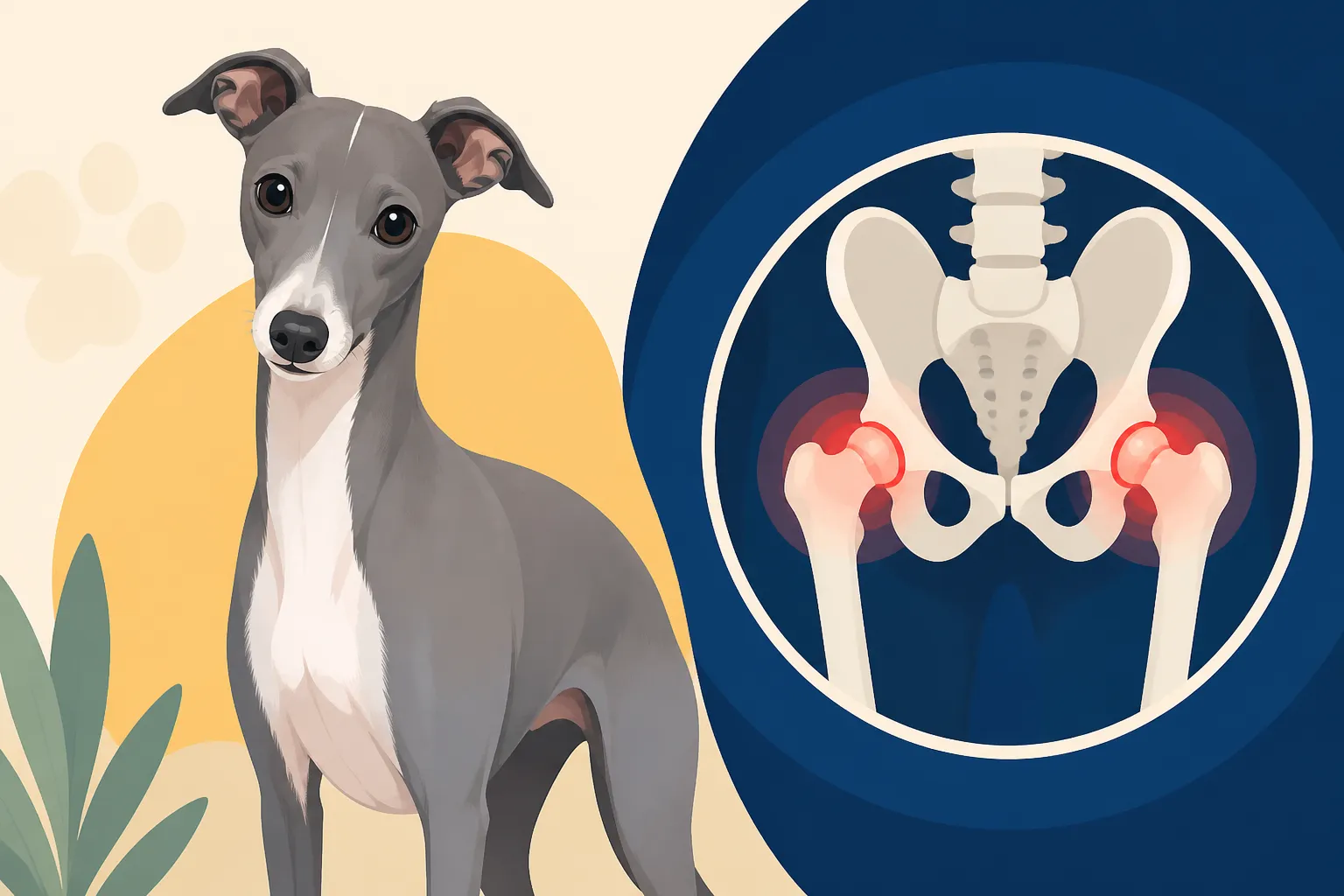
Hip dysplasia is a significant and often debilitating orthopedic condition that affects many dog breeds, primarily larger ones. It occurs when the hip joint – a ball-and-socket joint – doesn't develop properly. Instead of the femur (thigh bone) fitting snugly into the pelvis's acetabulum (hip socket), it fits loosely. Over time, this poor fit causes friction and grinding, leading to deterioration of the joint, pain, inflammation, and ultimately, arthritis. It’s a progressive disease, meaning it tends to worsen over time, severely impacting a dog's mobility and quality of life if not managed.
Owners often find themselves grappling with the emotional and financial toll of this condition. The thought of your vibrant, energetic dog being limited by pain is heartbreaking, and the treatments, ranging from medication and physical therapy to expensive surgeries like total hip replacement, can be daunting. Understanding the specifics of this condition, even if it's not a common threat for your breed, helps you appreciate the distinct anatomical advantages Italian Greyhounds possess.
What Causes Canine Hip Dysplasia
The development of hip dysplasia is a complex interplay of genetic and environmental factors. Genetics play a paramount role; certain breeds are simply predisposed due to inherited traits that influence bone and joint development. If a puppy's parents or grandparents had hip dysplasia, the puppy's risk significantly increases. This is why responsible breeders screen their breeding stock meticulously.
Beyond genetics, several environmental factors can exacerbate or even trigger the condition in a predisposed dog. Rapid growth, particularly in puppies fed diets too high in calories or calcium, can put undue stress on developing joints. Excessive exercise or strenuous activity during the critical growth phases can also contribute to improper joint formation. Obesity is another major culprit, adding extra strain to already compromised hips. Think of a rapidly growing puppy from a susceptible breed, fed an improper diet, and allowed to roughhouse too much – it's a perfect storm for hip dysplasia to manifest early and severely.
Common Breeds Affected by Hip Dysplasia
When we talk about hip dysplasia, certain breeds immediately come to mind because of their prevalence and genetic predisposition. Breeds such as German Shepherds, Labrador Retrievers, Golden Retrievers, Rottweilers, and Saint Bernards are notoriously susceptible. These are typically large, heavily built dogs, whose weight and bone density can magnify the impact of an improperly formed joint. The sheer force exerted on their hip joints during everyday activities, compounded by a genetic predisposition to malformation, makes them prime candidates for this painful condition.
For these breeds, screening parents for good hip conformation through certifications like OFA (Orthopedic Foundation for Animals) or PennHIP is absolutely essential. Potential owners of these breeds must inquire about hip scores to ensure they are getting a puppy from healthy lines. The good news for Italian Greyhound owners is that our delicate little sighthounds typically do not appear on this list, offering a different set of challenges but usually sparing us this particular heartbreak.
Italian Greyhounds and Hip Dysplasia: A Rare Occurrence
It's a huge relief for Italian Greyhound owners to know that hip dysplasia is genuinely rare in the breed. Unlike their larger canine cousins, Italian Greyhounds are built for speed and agility, not heavy impact. Their distinctive anatomy and lighter bone structure naturally protect them from many of the issues that plague bigger, more robust breeds. This doesn't mean they are entirely immune to joint problems, but hip dysplasia is typically not one of them.
You might be wondering, if it's a hip issue, why wouldn't any dog be susceptible? The answer lies in the specific mechanics and genetic blueprint of the Italian Greyhound. Their unique sighthound conformation, which emphasizes lean muscle, fine bones, and a graceful, arched back, provides an inherent resilience against the forces that cause hip dysplasia in other breeds. It’s a testament to the thousands of years of selective breeding that have shaped this exquisite companion.
Breed-Specific Anatomy and Resilience
The Italian Greyhound’s skeletal structure is a marvel of delicate engineering designed for maximum speed and minimal weight. They possess long, slender legs, a deep chest, and a naturally arched loin that allows for incredible flexibility and powerful propulsion. Their hip joints, while still ball-and-socket, are proportionately smaller and carry far less weight than those of, say, a German Shepherd. This reduced load is a critical factor. When there's less mass pressing down on the joint, the forces causing wear and tear are significantly diminished, even if there's a slight conformational imperfection.
Furthermore, the musculature surrounding an Italian Greyhound's hips is lean and strong, but not bulky. This svelte build minimizes the leverage points that could lead to excessive movement or instability in a dysplastic joint. They don't carry excess fat or muscle mass that could strain an already compromised hip. It's truly a case where their seemingly fragile appearance belies a specific kind of strength and anatomical suitability for their intended purpose – to run and play with astounding grace and minimal joint impact.
Genetic Predisposition in Italian Greyhounds
From a genetic standpoint, Italian Greyhounds simply do not carry the same strong genetic markers for hip dysplasia that are prevalent in other breeds. Reputable Italian Greyhound breeders typically don't need to perform the extensive OFA or PennHIP certifications for hips that are standard for Labrador Retrievers or German Shepherds, because the incidence is so incredibly low. This isn't to say an Italian Greyhound could never get hip dysplasia, as genetic mutations or extremely rare instances can occur in any population. However, it's not considered a breed-specific concern, nor is it screened for routinely by the vast majority of breeders or recommended by breed clubs as a primary health test.
When looking for a healthy Italian Greyhound puppy, your focus should be on other, more relevant health screenings, such as those for eye diseases, patellar luxation, and Legg-Calvé-Perthes disease, which are more pertinent to the breed's genetic health profile. If you're considering getting an Italian Greyhound, asking about What an Italian Greyhound Breeder Should Have Tested will give you a good idea of what health clearances matter most for this breed. This distinction allows owners to redirect their focus and resources towards preventing and managing the health issues that do commonly affect Italian Greyhounds, rather than worrying excessively about conditions that largely bypass them.
Other Orthopedic Concerns More Common in Italian Greyhounds
While you can breathe a sigh of relief about hip dysplasia, Italian Greyhounds do have their own set of orthopedic vulnerabilities that every owner should be acutely aware of. Their delicate build, while preventing hip dysplasia, makes them susceptible to other forms of skeletal and joint issues. Knowing these common concerns will help you provide proactive care and recognize symptoms early, ensuring your Iggy stays as healthy and active as possible.
It's a classic case of strengths and weaknesses being intertwined: the very features that make them so graceful and unique are also what can lead to specific problems. Instead of large, weight-bearing joint issues, their challenges tend to be related to their fine bones, agility, and sometimes, a tendency to be a bit clumsy in their exuberance.
Patellar Luxation in Italian Greyhounds
Perhaps the most common orthopedic issue Italian Greyhounds face is patellar luxation, or "slipping kneecap." This condition occurs when the patella (kneecap) dislocates or slips out of its normal groove in the femur. It can happen intermittently or become a chronic problem. When the kneecap slips, your dog might suddenly pick up a hind leg, skip a step, or hold the leg up for a few strides before seemingly "popping" it back into place and resuming normal activity. It's often described as a skip or a hop in their gait.
Patellar luxation is graded from 1 (mild) to 4 (severe), and while mild cases might not require intervention, higher grades can lead to pain, lameness, and an increased risk of arthritis in the knee joint over time. In some cases, surgery is necessary to correct the alignment and provide stability. It’s a condition that can often be managed with weight control, supplements, and controlled exercise, but it’s vital to consult with your veterinarian if you notice any signs of discomfort or an irregular gait. For more detailed information, you can read about Patellar Luxation in an Italian Greyhound.
Legg-Calvé-Perthes Disease
Another hip-related condition that Italian Greyhounds can be susceptible to, and which is often confused with hip dysplasia by concerned owners, is Legg-Calvé-Perthes disease (LCPD). Unlike hip dysplasia, which is a developmental malformation of the entire joint, LCPD is a degenerative disease affecting the head of the femur. In LCPD, the blood supply to the femoral head (the "ball" part of the hip joint) is interrupted, causing the bone tissue to die and ultimately collapse. This leads to pain, inflammation, and arthritis.
LCPD typically affects small breed dogs, including Italian Greyhounds, and usually manifests in puppies between 4 to 12 months of age. You might notice your puppy suddenly developing a limp or reluctance to bear weight on one of their hind legs. It's a progressive condition and can be quite painful. Diagnosis usually involves X-rays, and treatment often involves surgical removal of the affected femoral head (femoral head ostectomy, or FHO) to create a "false joint" that allows for pain-free movement. If you ever see Signs an Italian Greyhound Puppy Has Hip Pain, especially with a sudden onset, LCPD should be on your vet’s radar. You can find more about this condition in Legg Calve Perthes Turns Up in an Italian Greyhound at Six Months.
Fracture Risk
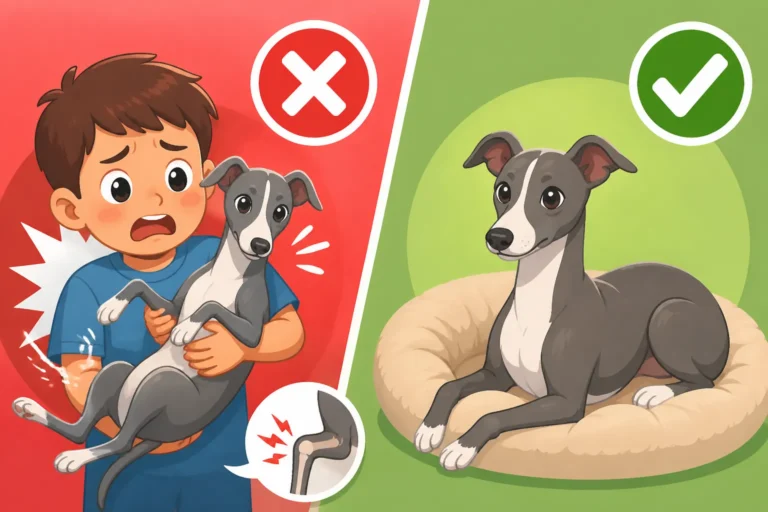
Perhaps the most notorious orthopedic vulnerability of the Italian Greyhound is their predisposition to bone fractures, particularly of their delicate lower leg bones. Their fine, 'pipe-stem' bones, especially the radius and ulna in the foreleg, can break surprisingly easily. A common scenario involves them jumping off furniture, misjudging a landing, or even a playful tumble with another dog. These are not robust, heavy-boned dogs, and their enthusiasm often outweighs their judgment when it comes to leaping from heights.
The thought of A Broken Leg Is the Emergency Every Italian Greyhound Owner Fears is a constant source of anxiety for many Iggy parents. Preventing fractures often involves 'Italian Greyhound-proofing' your home, which means providing ramps or steps for furniture, limiting access to high places, and supervising play carefully. Recovery from a fracture can be lengthy and expensive, often requiring specialized surgical intervention. To learn more about this prevalent issue, refer to Why an Italian Greyhound's Radius Is the Bone That Breaks and Restricting an Italian Greyhound Under Two.
Recognizing Signs of Joint Pain and Seeking Veterinary Care
Italian Greyhounds are notoriously stoic creatures. They come from a lineage of sighthounds bred to push through discomfort, and this trait means they often hide pain remarkably well. As owners, this presents a significant challenge: by the time you notice clear signs of discomfort, the issue might be quite advanced. It's crucial to be observant, pay attention to subtle changes in their behavior, and not hesitate to consult your veterinarian if you have any concerns. Early detection can make a world of difference in managing joint issues and preserving your Iggy's quality of life.
Think of it this way: your Iggy might be limping less because it genuinely hurts, and more because they've found a clever way to compensate, putting pressure on another limb. This compensatory action can, in turn, lead to secondary issues. Being tuned into their subtle cues is key.
Subtle Clues of Discomfort
Since Iggys are masters at hiding pain, you need to look for indirect indicators. A dog in pain might not yelp or overtly limp, especially at first. Instead, you might observe a reluctance to engage in activities they once loved, like playing fetch or jumping on the sofa. They might hesitate before going up or down stairs, or they might appear stiff after resting, especially in the mornings or after a nap.
Other subtle signs include changes in their posture when standing, lying down, or even when relieving themselves. They might start favoring one leg, shifting their weight more subtly than a full limp. Excessive licking or chewing at a particular joint can also indicate pain or discomfort in that area. Sometimes, a change in temperament, such as being less tolerant of being handled, more withdrawn, or even a bit snappy, can signal that they are in pain. Always remember that How an Italian Greyhound Hides Pain can be quite deceptive, so watch for even the slightest deviations from their normal behavior.
The Veterinary Diagnostic Process
If you suspect your Italian Greyhound is experiencing joint pain, a prompt veterinary visit is essential. Your vet will begin with a thorough physical examination, observing your dog's gait, manipulating their joints to assess range of motion, and checking for any signs of pain, swelling, or instability. This often involves careful palpation of the affected area. Don't be surprised if your vet wants to see your Iggy walk and trot to observe their natural movement.
To confirm a diagnosis and determine the extent of the problem, diagnostic imaging is usually required. X-rays are the most common tool, allowing the vet to visualize the bones and joints, identify any structural abnormalities, and assess for signs of arthritis. In some cases, particularly for more complex issues or if soft tissue damage is suspected, your vet might recommend advanced imaging techniques like MRI or CT scans. Blood tests may also be done to rule out other systemic conditions. This comprehensive approach ensures that your Italian Greyhound receives an accurate diagnosis, leading to the most effective treatment plan.
Preventive Care and Management for Italian Greyhound Joint Health
While Italian Greyhounds are typically spared the burden of hip dysplasia, proactive care for their overall joint health is still incredibly important. Their delicate build means they are prone to other orthopedic challenges, and a lifetime of good habits can significantly reduce their risk of injury and discomfort. Thinking preventatively is often far easier and less stressful than dealing with a full-blown injury or degenerative condition.
This isn't about wrapping your Iggy in cotton wool, but rather about creating an environment and lifestyle that supports their unique physical needs. Small changes in daily routine, diet, and environment can have a profound impact on their long-term well-being and mobility, allowing them to enjoy their zoomies and cuddle sessions without unnecessary aches and pains.
Maintaining a Healthy Weight
For any dog, and especially for a small, fine-boned breed like the Italian Greyhound, maintaining an ideal body weight is paramount for joint health. Every extra pound your Iggy carries puts additional stress on their joints, accelerating wear and tear and potentially exacerbating conditions like patellar luxation or arthritis. Italian Greyhounds are naturally lean, and you should be able to easily feel their ribs without them being visibly prominent. An overweight Iggy not only struggles with mobility but also puts itself at a higher risk of injury, especially fractures.
Work closely with your veterinarian to determine the ideal weight for your individual Italian Greyhound and establish a feeding plan that supports it. This means measuring food portions accurately, avoiding excessive treats, and ensuring they get regular, appropriate exercise. A balanced diet designed for small breeds will contribute to their overall health and help keep their joints happy.
Safe Exercise and Environment
Protecting your Italian Greyhound's delicate bones and joints starts with their environment and exercise routine. Given their propensity for fractures, especially from jumping, it’s critical to ‘Iggy-proof’ your home. This means providing ramps or steps for access to sofas, beds, and other furniture they might jump on and off. Investing in non-slip rugs on hard floors can also prevent slips and falls that could lead to injury. Consider restricting access to stairs, especially for young puppies or senior Iggys.
When it comes to exercise, regular, moderate activity is best. Short, frequent walks are ideal, allowing them to stretch their legs and burn off energy without overstraining themselves. Supervise play, especially with larger, more boisterous dogs, to prevent accidental injuries. High-impact activities or intense, uncontrolled jumping should generally be avoided. Remember, The Age an Italian Greyhound's Bones Finish Hardening is typically around 18 months, so extra caution is warranted during puppyhood.
Nutritional Support and Supplements
While a high-quality diet provides the foundational nutrients for joint health, some Italian Greyhounds, particularly as they age or if they have a diagnosed joint condition, may benefit from specific supplements. Glucosamine and chondroitin are popular choices, known for their role in maintaining cartilage health and reducing inflammation. Omega-3 fatty acids, often found in fish oil, also have anti-inflammatory properties that can support joint comfort.
Always discuss any supplements with your veterinarian before introducing them to your Italian Greyhound's routine. They can recommend appropriate dosages and ensure there are no contraindications with other medications or existing health conditions. When considering proactive health measures or navigating an unexpected injury, remember that having robust pet insurance, like plans offered by Healthy Paws, can provide significant peace of mind. Policies from providers like Healthy Paws can help cover the costs of diagnostics, treatments, and even rehabilitation, making it easier to afford the best care for your beloved Iggy without financial stress. Whether it's for preventative screenings or managing unforeseen orthopedic challenges, a good insurance plan is a smart investment in your dog's future.
Table of Common Italian Greyhound Orthopedic Concerns
To help clarify the differences between common Italian Greyhound orthopedic issues, including the rare hip dysplasia, here's a quick comparison:
| Condition | Affected Joint(s) | Primary Cause | Typical Age of Onset | Key Symptoms | Treatment Options |
|---|---|---|---|---|---|
| Hip Dysplasia | Hip (Ball-and-Socket) | Genetic, developmental | Varies, often young | Lameness, "bunny hop" gait, reluctance to move, pain | Weight management, medication, surgery (rarely needed for Iggys) |
| Patellar Luxation | Knee (Stifle) | Genetic, structural | Puppyhood to adult | "Skipping" or hopping, holding leg up, pain, limping | Weight management, physical therapy, surgery |
| Legg-Calvé-Perthes | Femoral Head (Hip) | Interrupted blood supply, genetic | 4-12 months | Sudden onset limping, pain, muscle atrophy | Pain management, FHO surgery |
| Fractures | Long Bones (esp. Radius/Ulna) | Trauma, accidental impact | Any age, esp. under 2 | Sudden lameness, severe pain, swelling, visible deformity | Splinting, casting, surgical plating (common) |
This table highlights that while hip dysplasia is a hip issue, its underlying cause and typical presentation are different from Legg-Calvé-Perthes, and it's far less common in Iggys than knee or long bone issues.
Disclaimer
The information provided in this article is for general informational purposes only and does not constitute veterinary advice. Always consult with a qualified veterinarian for any health concerns or before making any decisions related to your pet's health and treatment.