Hypothyroidism in an Italian Greyhound
It can be incredibly disheartening when your energetic Italian Greyhound, usually a whirlwind of playful antics and snuggles, starts to seem a little…off. Perhaps they're gaining weight despite no change in diet, their once sleek coat is looking dull and patchy, or they're just not as enthusiastic about their daily zoomies. These subtle shifts can be easy to dismiss as just "getting older" or "being a finicky IG," but they might be red flags pointing to an underlying health issue like hypothyroidism. This comprehensive guide is here to shed light on hypothyroidism in Italian Greyhounds, walking you through everything from understanding the condition to effective management, so you can help your beloved companion feel their best again.
Understanding Hypothyroidism in Italian Greyhounds
Hypothyroidism is one of the more common endocrine disorders affecting dogs, and while Italian Greyhounds aren't typically top of the list for this condition compared to some larger breeds, they can certainly develop it. Understanding what it is and why it might affect your slender sighthound is the first step toward recognition and treatment.
What Exactly is Hypothyroidism?
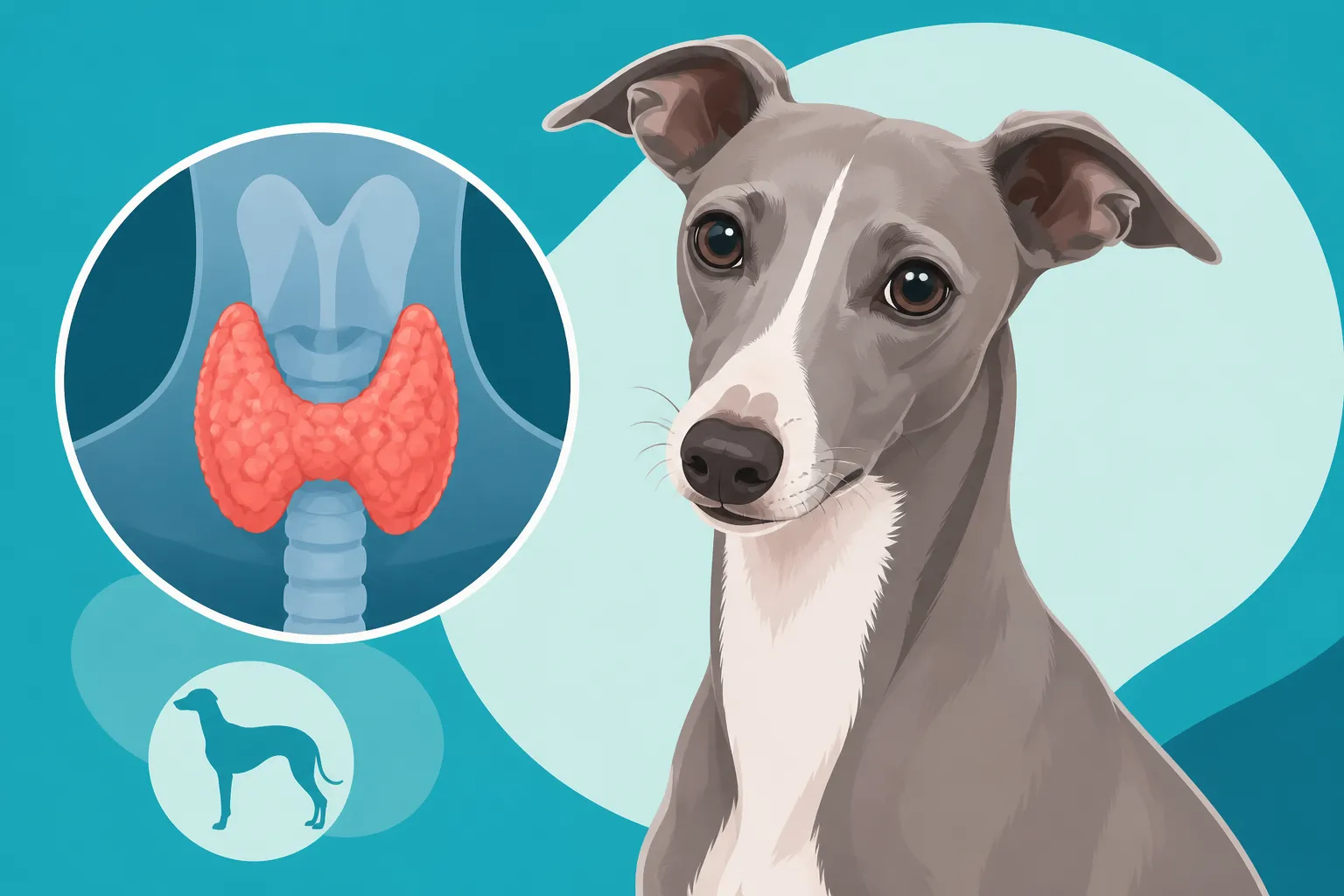
At its core, hypothyroidism is a condition where your dog's thyroid gland, a small, butterfly-shaped gland located in the neck, doesn't produce enough thyroid hormones. These hormones, primarily thyroxine (T4) and triiodothyronine (T3), are crucial regulators of metabolism for virtually every cell in the body. Think of them as the orchestrators of how efficiently your dog’s body converts food into energy, maintains body temperature, and supports organ function. When production dips, the entire system slows down, leading to a cascade of often vague and varied symptoms.
In most canine cases, particularly with Italian Greyhounds, the condition is primary hypothyroidism, meaning the problem originates directly within the thyroid gland itself. This is frequently due to an autoimmune disease where the dog's own immune system mistakenly attacks and destroys the thyroid tissue. Less commonly, it can be congenital (present from birth) or result from other factors like iodine deficiency, though this is rare in pets fed commercial diets. Regardless of the precise cause, the outcome is the same: a body running on low power, leading to a noticeable decline in overall well-being.
Why Italian Greyhounds are Prone to Thyroid Issues
While breeds like Golden Retrievers, Doberman Pinschers, and Irish Setters are well-known for their predisposition to hypothyroidism, Italian Greyhounds can also be affected, often due to similar genetic factors. The exact mechanisms are still being researched, but it's understood that certain genetic lines carry a higher risk for autoimmune thyroiditis, the most common form of primary hypothyroidism. This means that if there’s a history of thyroid issues in your Italian Greyhound’s lineage, their risk might be elevated. This is why a reputable breeder will often provide information on the health testing of parent dogs, including thyroid screenings.
It's also important to note that sighthounds, including Italian Greyhounds, naturally tend to have lower baseline thyroid hormone levels compared to other breeds. This physiological difference can sometimes complicate diagnosis, as what might be considered a "low" reading in a Labrador could be perfectly normal for an IG. This highlights the critical need for veterinarians to be experienced with sighthound physiology, or to consult with specialists, to avoid misdiagnosis, which can lead to unnecessary treatment or, conversely, a missed diagnosis that delays critical care.
Recognizing the Subtle Signs of Hypothyroidism
One of the most frustrating aspects of hypothyroidism is that its symptoms are often subtle and can mimic other conditions or simply be attributed to aging. Italian Greyhound owners, especially, might overlook these changes because IGs are already known for being somewhat delicate and prone to shivering or seeking warmth. Learning to spot these clues is paramount.
Common Physical Symptoms
The most classic signs of hypothyroidism stem directly from the body's slowed metabolism. You might notice a gradual, unexplained weight gain, even if your Italian Greyhound's diet and exercise routine haven't changed. They're just not burning calories as efficiently. A significant indicator can be changes in their beautiful, fine coat. It might become dry, brittle, or sparse, especially on their flanks or tail, sometimes described as a "rat tail." You might see increased shedding or a dull, unhealthy sheen. The skin itself can also suffer, becoming dry, flaky, or even hyperpigmented (darker) in chronic cases. Some dogs may develop skin infections or hot spots more frequently due to compromised skin health.
Beyond the weight and coat, a common complaint is lethargy. Your normally spirited Italian Greyhound might be less interested in walks, playtime, or even greeting you at the door. They might sleep more, seem generally sluggish, and recover slowly after even moderate activity. Another key symptom for a breed like the Italian Greyhound, which already struggles with cold, is an exacerbated intolerance to it. They might shiver more intensely, seek out heat sources more persistently, or seem uncomfortable even in mildly cool indoor temperatures. While it's true that your Italian Greyhound will always feel the cold more, a sudden or marked increase in this tendency warrants attention.
Behavioral and Other Less Obvious Clues
Beyond the visible physical signs, hypothyroidism can manifest in less obvious ways that can be particularly confusing for owners. Your Italian Greyhound might seem mentally duller, less responsive to commands, or generally "out of it." They might lose their playful spark and seem withdrawn or even anxious. This mental fog can be distressing for owners who are used to their intelligent and emotionally attuned companions. Because the condition affects multiple body systems, you might also notice reproductive issues if your Italian Greyhound is an intact breeding animal, such as irregular heat cycles or difficulty conceiving. Anemia can sometimes be a secondary finding on blood work, contributing to overall weakness and fatigue.
It's this wide array of symptoms, many of which can easily be mistaken for normal aging, stress, or other minor ailments, that makes hypothyroidism so challenging to pinpoint. Owners often feel a deep frustration, knowing something isn't quite right with their beloved pet but struggling to articulate the vague, diffuse changes to their veterinarian. They might even worry they are overreacting. This is why persistent advocacy for your Italian Greyhound is crucial; if your gut tells you something is off, don't hesitate to seek thorough investigation. Keep a detailed log of any changes you observe, no matter how small, as this can be incredibly helpful for your vet in putting the pieces together.
Diagnosing Hypothyroidism in Your Italian Greyhound
Once you suspect hypothyroidism based on your Italian Greyhound's symptoms, the next crucial step is getting an accurate diagnosis. This isn't always as straightforward as a single blood test, especially with the unique physiology of sighthounds.
The Importance of Comprehensive Thyroid Testing
Diagnosing hypothyroidism requires a comprehensive approach, as a single T4 test alone often isn't enough to give a definitive answer, especially in an Italian Greyhound. The standard diagnostic panel typically includes several measurements to get a full picture of thyroid function. These usually are:
- Total T4 (TT4): This measures the total amount of thyroxine in the blood, both bound to proteins and unbound. While it's a good initial screening tool, it can be affected by many non-thyroidal illnesses, certain medications (like steroids), and even diet, sometimes giving a falsely low reading.
- Free T4 (fT4): This measures the unbound, biologically active form of thyroxine. It's generally considered more accurate and less affected by external factors than TT4, making it a valuable part of the diagnostic puzzle.
- Thyroid-Stimulating Hormone (TSH): This hormone, produced by the pituitary gland, tells the thyroid to produce T4 and T3. In a hypothyroid dog, the pituitary tries to stimulate a failing thyroid, so TSH levels will often be high. A high TSH combined with low TT4 and fT4 is usually a strong indicator of primary hypothyroidism.
- Thyroglobulin Autoantibodies (TgAA): These are antibodies against the thyroid gland itself. Their presence indicates an autoimmune thyroiditis, suggesting the body's immune system is attacking the thyroid. While a positive TgAA confirms the autoimmune nature, a negative result doesn't rule out hypothyroidism if other parameters are consistent.
It’s paramount to work with a veterinarian who is familiar with sighthound thyroid physiology, or one who is willing to consult with a specialist. As mentioned, Italian Greyhounds can have naturally lower thyroid levels than other breeds, which can lead to misinterpretation of results. A seemingly "low" T4 in a different breed might be perfectly normal for an Italian Greyhound, leading to incorrect treatment. Conversely, a vet unfamiliar with sighthounds might dismiss truly low levels as normal for the breed. This nuanced understanding is vital for accurate diagnosis.
Interpreting Test Results and When to Retest
Interpreting thyroid test results requires careful consideration of the entire clinical picture – your Italian Greyhound's symptoms, their breed, age, and any other concurrent health issues. A low TT4 alone is rarely diagnostic. Instead, a combination of low TT4 and low fT4, coupled with an elevated TSH, provides the most conclusive evidence for hypothyroidism. If the results are equivocal, or if there's suspicion of a "sick euthyroid syndrome" (where a non-thyroidal illness causes low thyroid hormone levels without actual thyroid disease), your vet might recommend retesting in a few weeks or months, once any other health issues are resolved. They might also suggest additional tests to rule out other conditions.
It's generally not recommended to start a "trial" treatment with thyroid medication without a clear diagnosis, as this can complicate future testing and expose your dog to unnecessary medication. However, in very specific cases where all other avenues have been exhausted and there’s a strong clinical suspicion despite ambiguous lab results, a specialist might consider a supervised therapeutic trial. The goal is always to achieve a definitive diagnosis before initiating lifelong medication. When reviewing your Italian Greyhound's health, particularly for conditions that might be genetic, it's also worth understanding What an Italian Greyhound Breeder Should Have Tested to ensure comprehensive health screening for future generations or if you are considering adding another IG to your family.
| Thyroid Hormone | Normal Dog Range (General) | Hypothyroid Dog Range (General) | Notes for Italian Greyhounds |
|---|---|---|---|
| Total T4 (TT4) | 1.0 – 4.0 µg/dL | < 1.0 µg/dL | Can be naturally lower in IGs; must be interpreted carefully with other tests and clinical signs. |
| Free T4 (fT4) | 0.8 – 2.0 ng/dL | < 0.8 ng/dL | More reliable, less affected by non-thyroidal illness, but still can be on the lower end for IGs. |
| TSH | 0.0 – 0.55 ng/mL | > 0.55 ng/mL | Often elevated as pituitary tries to stimulate a failing thyroid. Normal TSH with low T4/fT4 may indicate secondary hypothyroidism (rare). |
| TgAA | Negative | Positive | Indicates autoimmune thyroiditis. A positive result confirms the most common cause, but a negative result does not rule out hypothyroidism. |
Note: These ranges are general guidelines and can vary slightly between laboratories. Your veterinarian will interpret your dog's specific results in context.
Managing Hypothyroidism: Treatment and Prognosis
Receiving a diagnosis of hypothyroidism can feel overwhelming, but the good news is that it's a very manageable condition. Treatment is straightforward and, with proper adherence, your Italian Greyhound can lead a completely normal, healthy life.
Lifelong Medication and Monitoring
The cornerstone of treating canine hypothyroidism is lifelong medication with synthetic thyroid hormone, typically levothyroxine. This medication effectively replaces the hormones your Italian Greyhound's body isn't producing naturally. It's usually given orally, once or twice a day, and it's most effective when administered on an empty stomach, about 30-60 minutes before their first meal. Consistency is key; missing doses or giving it with food can reduce its efficacy. It’s important to give the medication at the same time each day to maintain stable hormone levels.
Initially, your vet will likely start with a standard dose and then schedule rechecks of blood levels, usually within 4-8 weeks, to ensure the medication is at the right level and adjust it if necessary. These rechecks often involve measuring T4 levels about 4-6 hours after the morning dose. Once a stable dose is achieved and your Italian Greyhound is feeling better, monitoring typically shifts to every 6-12 months, or sooner if symptoms return or new ones develop. This ongoing commitment to medication and regular veterinary visits is essential for long-term health. The cost of these medications and regular blood work can add up, making responsible pet ownership a significant financial commitment. This is where pet insurance, such as a plan from Healthy Paws, can provide invaluable support, helping to cover the costs of chronic conditions and regular monitoring, offering peace of mind.
What to Expect During Treatment
One of the most rewarding aspects of treating hypothyroidism is how quickly you'll often see improvements in your Italian Greyhound's overall demeanor. Within a week or two of starting medication, many owners report a noticeable increase in energy levels and a return to their dog's more alert, engaged personality. The mental dullness starts to lift, and their zest for life often rekindles. Physical improvements take a little longer. Weight loss (if they were overweight) might be gradual, and coat quality can take several weeks to months to show significant improvement as new hair grows in. The dry skin and hair loss should resolve as the metabolism returns to normal.
It’s important to be patient and work closely with your veterinarian throughout this process. Don't be discouraged if some symptoms, like hair regrowth, aren't immediate. The prognosis for Italian Greyhounds with hypothyroidism is excellent, provided they receive consistent medication and regular monitoring. It's not a cure, but it is a highly treatable chronic condition. With appropriate management, your Italian Greyhound can truly thrive and continue to bring joy to your home for many years. Sometimes, when considering how your Italian Greyhound's thyroid reading reads low, it could be a sign of underlying issues, but proper treatment can make all the difference.
Living with an Italian Greyhound with Hypothyroidism
A diagnosis of hypothyroidism doesn't mean a diminished life for your Italian Greyhound. In fact, with proper care and attention, they can continue to live a full and happy life. It simply means understanding their ongoing needs and adapting their routine slightly to support their health.
Supporting Your Dog's Overall Health
Beyond daily medication, supporting an Italian Greyhound with hypothyroidism involves a holistic approach to their well-being. Ensuring they maintain a healthy weight is particularly crucial. With their metabolism now optimized by medication, it's easier to manage their weight through a balanced diet appropriate for their age and activity level. Obesity can exacerbate other joint issues and put undue stress on their delicate frames, something you definitely want to avoid for a breed prone to fractures. If you're wondering about their dietary needs, information on What an Italian Greyhound Eats in a Month can provide guidance.
Italian Greyhounds, with their minimal body fat and fine coats, are notoriously sensitive to cold. Hypothyroidism can intensify this sensitivity, so keeping your IG warm is not just a comfort measure, but a health priority. This means providing cozy sweaters, blankets, and a heated bed, especially in cooler climates or during winter months. Indoors, ensure they have draft-free resting spots. You might find yourself dressing them in layers even inside the house. You can find more practical advice on this topic in our guide, Why an Italian Greyhound Gets Cold on the Table. Regular, appropriate exercise is also vital. While their energy levels will improve on medication, avoid overexertion and always monitor them for signs of fatigue.
Preventing Complications and Ensuring Quality of Life
Long-term management of hypothyroidism is about vigilance and proactive care. It's important for owners to recognize the signs of potential over- or under-dosing. If your Italian Greyhound suddenly becomes excessively energetic, restless, or starts to lose weight rapidly, their medication dose might be too high. Conversely, if lethargy, weight gain, or coat problems return, the dose might be too low or they might not be absorbing the medication properly. Regular communication with your vet and adherence to the scheduled blood tests are the best ways to keep hormone levels stable and prevent these fluctuations. For older IGs, managing chronic conditions like hypothyroidism alongside other age-related changes is a common reality. You can find more insights on this in our article Caring for an Italian Greyhound Past Eleven.
The emotional well-being of your Italian Greyhound is also paramount. Understanding that their past lethargy or dullness was due to a treatable medical condition can help you reconnect and encourage their natural joyful spirit. Continue to provide mental stimulation through gentle training, puzzle toys, and plenty of affection. While hypothyroidism is rarely life-threatening if treated, untreated cases can lead to severe complications, including heart problems, neurological issues, and even a life-threatening condition called myxedema coma. The commitment to lifelong medication and monitoring is a testament to the deep bond you share with your Italian Greyhound. Embracing this journey ensures your beloved companion continues to thrive. Given the ongoing costs associated with managing a chronic condition, many owners find peace of mind with pet insurance. Companies like Healthy Paws offer comprehensive plans that can help alleviate the financial burden of managing long-term illnesses, ensuring you can always provide the best care without undue stress.
Disclaimer
This article is intended for informational purposes only and does not constitute veterinary advice. Always consult with a qualified veterinarian regarding any health concerns or before making any decisions about your Italian Greyhound's medical care.