Which Italian Greyhound Colors Carry the Alopecia Risk
One of the most heartbreaking things to watch your beloved Italian Greyhound go through is when their beautiful, sleek coat starts to thin or disappear, leaving patchy, fragile skin behind. It's a common frustration for many Iggy parents, especially when you’ve done everything right, only to face a persistent, often misunderstood, skin issue. This guide is here to shed light on which Italian Greyhound colors are more susceptible to a condition called Color Dilution Alopecia (CDA) and how you can best support your furry friend if they're affected.
Understanding Color Dilution Alopecia in Italian Greyhounds
Let's be honest, seeing your Italian Greyhound develop bald spots can be incredibly alarming. You immediately jump to conclusions – is it fleas? Allergies? Something more serious? For Iggies, particularly those with certain coat colors, the answer can often be Color Dilution Alopecia, a genetic condition that, while not life-threatening, can significantly impact their skin and coat health.
What Exactly is CDA?
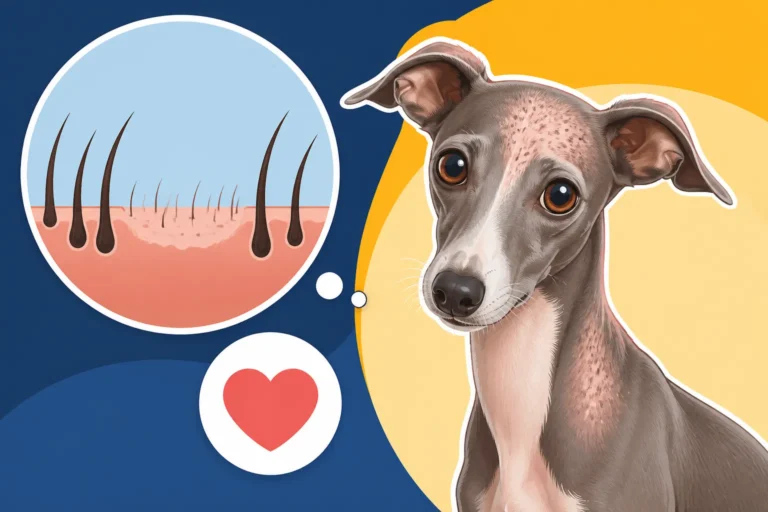
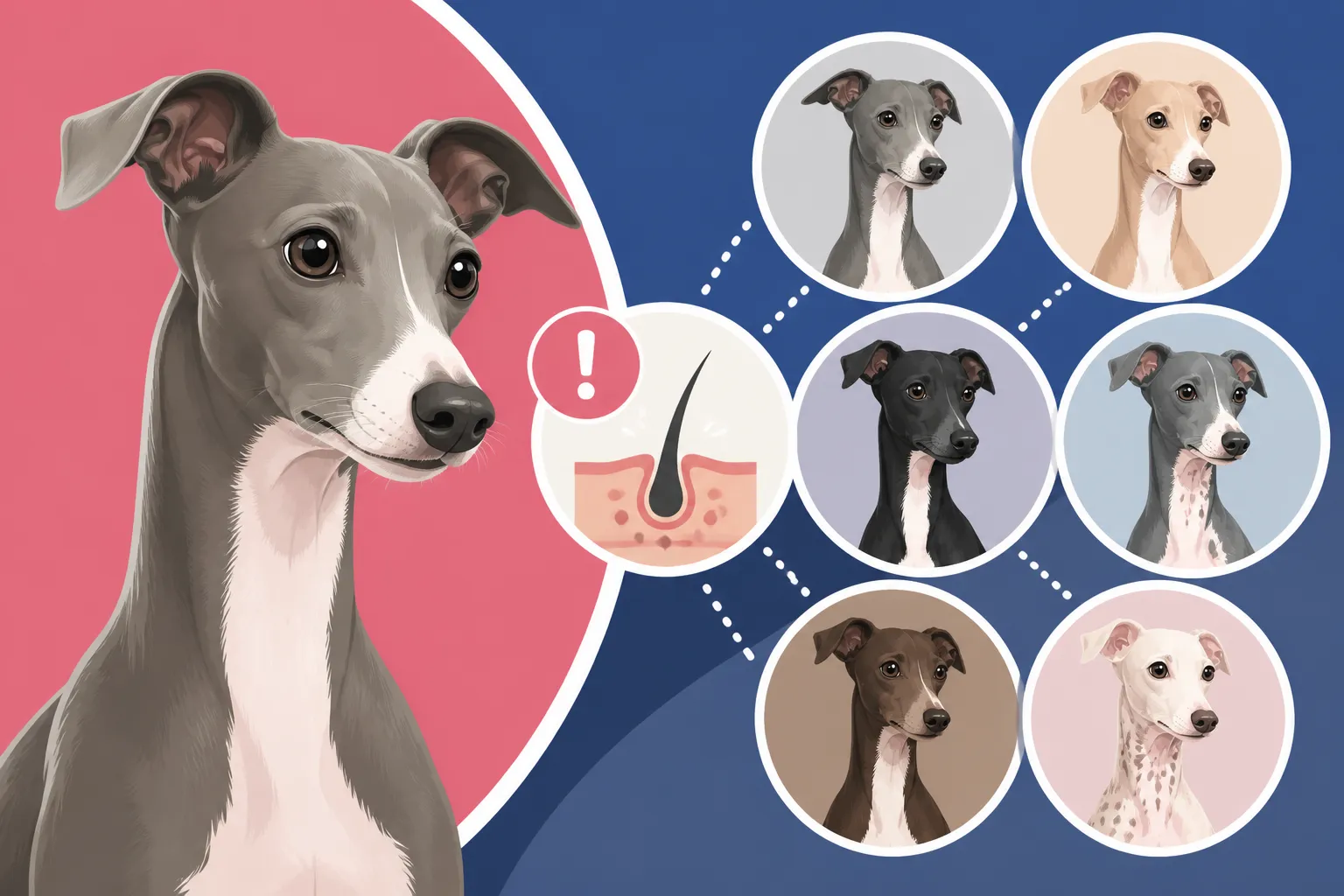
Color Dilution Alopecia, or CDA, is a hereditary dermatological condition that primarily affects dogs with "diluted" coat colors. Think blues, fawns, and sometimes Isabella (lilac). It’s not an infection or something they catch; it’s baked into their genetic makeup. Essentially, the pigment granules within the hair shaft are irregularly clumped, making the hair weak and prone to breakage. Imagine trying to build a sturdy wall with bricks that are crumbling and uneven – it’s just not going to hold up. This structural weakness means the hair breaks easily or simply fails to grow properly in the first place, leading to noticeable hair loss, often in specific patterns.
It's important to understand that CDA isn't just about aesthetics. While the hair loss is the most visible symptom, the underlying skin can also become quite fragile. This can lead to issues like dryness, flakiness, and even secondary bacterial infections because the skin's natural protective barrier is compromised. It’s a bit like having a house with a leaky roof; not only is the roof damaged, but everything underneath starts to suffer too.
Why Italian Greyhounds Are Particularly Susceptible
Italian Greyhounds, known for their delicate nature and stunning array of colors, are unfortunately among the breeds that can be predisposed to CDA. Their fine, short coat, combined with the presence of dilution genes for popular colors like blue and fawn, sets the stage for this condition. It’s not a universal truth for every blue or fawn Italian Greyhound, but the genetic predisposition is undeniably there. Breeders, striving for those beautiful, unique shades, have sometimes inadvertently increased the prevalence of the dilution gene in the breed without fully understanding its dermatological implications until later.
Unlike some other skin conditions that might pop up due to environmental factors or diet, CDA in Italian Greyhounds is truly genetic. This means it’s something they’re born with, even if the symptoms don't manifest until they're a few months old or even a year or two. Owners often feel a pang of guilt, wondering if they did something wrong, but it’s crucial to remember that this isn't due to neglect or poor care on your part. It's simply how their genes have expressed themselves. Understanding this can help you move past the initial shock and focus on proactive management.
The Impact of Diluted Pigment
The core issue in CDA lies with the diluted pigment. In dogs, melanin, the pigment responsible for coat color, is produced in two forms: eumelanin (black/brown pigment) and phaeomelanin (red/yellow pigment). Dilution genes act on eumelanin, essentially "diluting" black to blue and brown to Isabella or lilac. When this dilution occurs, the pigment granules are not evenly distributed within the hair shaft. Instead, they form large, irregular clumps.
This clumping creates weak points in the hair structure, almost like microscopic perforations. The hair becomes brittle, prone to breaking off at the skin level, or simply falling out. Over time, hair follicles in the affected areas can become damaged and eventually stop producing hair altogether. The skin itself often loses its protective melanin, making it more vulnerable to UV radiation and environmental irritants. This is why you might see a blue Italian Greyhound with very thin hair on its back, almost like their skin is translucent. This lack of natural protection can lead to a host of secondary issues, from dry, scaly patches to painful bacterial or yeast infections, requiring vigilant care.
The Genetic Link: Which Colors Are At Risk?
It can feel a bit like a genetic lottery, but when it comes to Color Dilution Alopecia in Italian Greyhounds, some "tickets" are more likely to hit than others. The critical factor here isn't just the visible color of your Iggy, but the underlying genetic code that determines that color.
The "Blue" Gene Connection
When we talk about Italian Greyhounds and CDA, the conversation almost always starts with blue Iggies. A blue coat in an Italian Greyhound isn't actually blue in the way we think of a vibrant sky; it's a diluted black. This dilution is caused by a specific gene, often referred to as the "dilute" gene (d locus). When a dog inherits two copies of this recessive gene (dd), black pigment is diluted to blue.
While blue Italian Greyhounds are undeniably stunning, they carry the highest risk for developing Color Dilution Alopecia. Not every blue Iggy will get it – some live their entire lives with perfect coats – but the probability is significantly higher than in other colors. Owners of blue Iggies need to be particularly observant for any signs of thinning hair, especially along the back, flanks, and ears, which are common areas for the condition to manifest. It’s a common frustration, falling in love with that gorgeous blue shade, only to find yourself dealing with persistent skin issues down the line. We have a detailed guide on what exactly Color Dilution Alopecia in a Blue Italian Greyhound entails.
Fawn and Isabella Coats: A Different Shade of Risk
Beyond blue, other diluted colors also carry a risk, albeit generally lower than true blues. Fawn, for instance, is a diluted red. In some cases, fawn Iggies can also be affected by CDA, though it's less common and often less severe than what's seen in blue dogs. The same genetic mechanism is at play, just acting on a different base pigment.
Isabella, sometimes called lilac, is another color that warrants attention. Isabella is essentially a diluted brown (or chocolate). This color is a combination of two recessive genes: the dilute gene (dd) and the brown gene (bb). So, an Isabella Italian Greyhound has a genetic makeup of bbdd. Because it carries the same dilution gene (dd) as blue dogs, Isabella Iggies also have an elevated risk for CDA. Just like with fawn, the severity can vary, but the potential is there. These dogs often present with thinning hair that might have a more reddish or purplish cast, matching their unique coat color. For both fawn and Isabella, regular coat checks and proactive skin care become essential.
Why Black and White Iggies Are Generally Safe
Now, for some good news! Italian Greyhounds with undiluted coat colors, such as solid black, red, or white, are generally not at risk for Color Dilution Alopecia. This is because their genes do not carry the specific dilution factor (the dd gene) that causes the pigment clumping in the hair shafts. If you have a classic black Italian Greyhound, for example, their black pigment (eumelanin) is dense and evenly distributed, leading to strong, healthy hair follicles.
Similarly, Iggies that are predominantly white or have significant white markings (often seen in various piebald patterns) are typically safe from CDA. Their white areas are due to a lack of pigment cells, not a dilution of existing pigment. So, while other skin issues might arise in any dog, CDA is not one you'd typically expect to see in these undiluted colors. This genetic distinction is why responsible Italian Greyhound breeders will carefully consider the coat colors and genetic history of their breeding pairs to minimize the risk of passing on the CDA gene, ensuring healthier puppies for future families. It's a key part of what an Italian Greyhound breeder should have tested.
Risk Summary Table
To help visualize the risk, here's a quick overview:
| Italian Greyhound Coat Color | Genetic Makeup (Simplified) | CDA Risk Level | Common Affected Areas |
|---|---|---|---|
| Blue | dd (diluted black) | High | Back, flanks, ears |
| Isabella (Lilac) | bbdd (diluted brown) | Medium to High | Back, flanks, ears |
| Fawn | dd (diluted red/yellow) | Medium | Back, flanks, legs |
| Black | DD or Dd (undiluted black) | Very Low | N/A |
| Red | DD or Dd (undiluted red) | Very Low | N/A |
| White (and markings) | N/A (lack of pigment) | Very Low | N/A |
Note: This table provides a general guideline. Individual dogs may vary.
Identifying CDA: Signs and Symptoms
The onset of Color Dilution Alopecia isn't always dramatic or immediate. It often starts subtly, leaving owners scratching their heads and wondering what's really going on with their beloved Iggy's coat. Knowing what to look for can make a huge difference in early detection and management.
Early Warning Signs in Puppies and Young Adults
CDA typically doesn't show up in brand-new puppies. Instead, you'll usually start noticing the signs as your Italian Greyhound matures, often between six months and two years of age. One of the first things you might pick up on is a generalized dullness to the coat. That once vibrant blue or fawn might start to look a little lackluster. Following this, you might observe that the hair in certain areas, particularly along the back, the top of the head, and the flanks, feels coarser or more brittle than the rest of their silky coat. It’s not uncommon to find small, broken hairs around their bedding or where they frequently lie.
Another tell-tale sign is the development of sparse patches or areas where the hair seems to be growing much slower, or just not at all. This isn't usually full-blown baldness overnight but more of a gradual thinning. You might run your hand over their back and feel less hair density than before, or see their skin through the coat more easily. Sometimes, the skin itself in these areas can start to appear slightly dry or flaky, even before significant hair loss occurs. If you're seeing these subtle changes in your blue or fawn Italian Greyhound, it's definitely time to take note and perhaps consult your vet. Early intervention can't cure CDA, but it can certainly help manage its progression and keep your dog more comfortable. It’s similar to how the age Color Dilution Alopecia starts in an Italian Greyhound is often subtle.
The Characteristic "Moth-Eaten" Appearance
As CDA progresses, the hair loss becomes more distinctive, often leading to what many describe as a "moth-eaten" appearance. This isn't uniform baldness across large sections of the body. Instead, you'll see irregular patches of thinning hair interspersed with areas where the hair might still be present, though often of poor quality. The most commonly affected areas are the dorsal midline (along the spine), the flanks, the chest, and sometimes the ears and tail.
The hair follicles in these areas are either producing very weak hairs that break off easily or have completely stopped production. The resulting look is often quite striking – a patchy, uneven coat that lacks its former luster. You might notice that the skin in these areas appears darker, almost grayish or purplish, due to hyperpigmentation, or conversely, very pale where there's no protective hair. This is what color dilution alopecia (What Color Dilution Alopecia Does to an Italian Greyhound) really looks like. It’s a visual confirmation of the underlying genetic issue, and while it doesn't cause physical pain directly, the exposed, fragile skin certainly can if not properly cared for. Many owners report feeling sad or frustrated by this change in their dog's appearance, but remember, your Iggy still loves you just the same.
Secondary Skin Issues and Complications
The hair loss itself is just one part of the CDA picture. Because the hair provides a natural protective barrier, its absence leaves the skin vulnerable. This delicate skin, which is already prone to dryness and flakiness, becomes an open invitation for secondary problems. It’s not uncommon for Italian Greyhounds with CDA to develop bacterial skin infections (pyoderma) or yeast infections. These manifest as red, itchy patches, bumps, pustules, or even a greasy, foul-smelling coat. The itching can be intense, leading your Iggy to scratch or lick excessively, which only exacerbates the problem and can create further skin trauma.
The exposed skin is also more susceptible to sunburn, especially in lighter-colored Iggies who spend time outdoors. Imagine not having hair to protect your scalp – that's what your Iggy's skin experiences. Moreover, the compromised skin barrier can make them more sensitive to environmental allergens. Addressing these secondary issues is paramount for your dog's comfort and overall health. This often involves topical treatments, antibiotics, or antifungals, alongside efforts to manage the underlying dryness. Staying on top of these complications often requires regular vet visits, and having a good pet insurance plan like one from Healthy Paws can be a real lifesaver when dealing with ongoing dermatological care and unexpected flare-ups.
Managing Life with CDA: Care and Support
Living with an Italian Greyhound affected by Color Dilution Alopecia means embracing a routine of careful, consistent skin and coat management. While there's no cure for this genetic condition, there's a lot you can do to keep your Iggy comfortable, minimize secondary issues, and maintain their quality of life.
Skin Hydration and Protection
The cornerstone of managing CDA is keeping your Italian Greyhound's skin well-hydrated and protected. Because the skin barrier is often compromised and lacking the natural protection of a full coat, it dries out easily. Regular moisturizing is crucial. This isn't just about making them feel better; it helps prevent cracks, flakiness, and reduces the likelihood of secondary infections taking hold. You might use veterinary-prescribed moisturizers, emollients, or even natural options like coconut oil (ensure it's pure and food-grade, as they'll likely lick it). Apply these gently after baths or whenever the skin feels dry, focusing on the thinnest areas like the back and flanks.
Beyond hydration, protection from the elements is vital. Sunburn is a real risk for exposed skin, so if your Iggy is spending time outdoors in sunny weather, consider applying dog-safe sunscreen to bald patches or dressing them in a lightweight UV-protective shirt. In colder climates, their lack of a dense coat means they'll feel the chill more acutely, making sweaters and coats not just a fashion statement but a necessity for warmth. This is why a blue Italian Greyhound might thin on the back, leaving them particularly susceptible to the elements. Indoor climate control is also important, as very dry indoor air can further dehydrate their skin. A humidifier in their sleeping area might even be beneficial.
Specialized Shampoos and Treatments
Bathing an Italian Greyhound with CDA requires a gentle touch and the right products. Harsh shampoos can strip the skin of its natural oils, leading to further dryness and irritation. Look for veterinary-recommended, hypoallergenic shampoos that are soap-free and specifically formulated for sensitive skin. Some shampoos may contain oatmeal, aloe vera, or ceramides to soothe and moisturize.
Your vet might also suggest medicated shampoos if secondary bacterial or yeast infections are present. These often contain ingredients like chlorhexidine or miconazole to combat microbes. It's crucial to follow your vet's instructions precisely regarding how often to bathe and how long to leave the shampoo on. After bathing, gently pat your Iggy dry rather than vigorous rubbing, which can irritate sensitive skin. Follow up with a good conditioner or leave-in treatment to lock in moisture. For more specific product advice, you can always ask your vet about which shampoo suits an Italian Greyhound's skin best.
Considering Supplements for Coat Health
While supplements won't "cure" CDA, some can play a supportive role in improving skin and coat health, reducing inflammation, and potentially strengthening existing hair. Omega-3 fatty acids, particularly EPA and DHA found in fish oil, are often recommended. These essential fatty acids are well-known for their anti-inflammatory properties and their ability to promote healthy skin and a shinier coat. You can find these in capsule form or as liquid supplements to add to their food.
Melatonin is another supplement that some owners and vets explore. While research is limited and results vary, anecdotal evidence suggests that melatonin might help stimulate hair growth in some dogs with alopecia, including CDA. It's thought to influence the hair growth cycle. However, it's absolutely crucial to discuss melatonin dosage and potential side effects with your veterinarian before starting it, as it's not suitable for all dogs. For some, whether melatonin helps an Italian Greyhound's coat is a question of trial and error under veterinary guidance. Additionally, supplements containing Vitamin E or zinc might be beneficial for overall skin health. Always ensure any supplement you choose is vet-approved and dosed appropriately for your Italian Greyhound's size and specific needs.
Breeding Responsibly: Reducing the Risk
For those passionate about the Italian Greyhound breed, understanding the genetic underpinnings of Color Dilution Alopecia is crucial for making informed and responsible breeding decisions. While the allure of unique coat colors is undeniable, prioritizing health and welfare should always come first.
Genetic Testing for Carriers
One of the most powerful tools breeders have in combating CDA is genetic testing. While a direct genetic test for CDA itself isn't always straightforward due to its complex inheritance pattern (it’s linked to the dilute gene, not a separate CDA gene per se), understanding the dilute gene status of potential breeding dogs is key. Breeders can test dogs to determine if they carry the "d" (dilute) allele. A dog that is "DD" is homozygous dominant and will not pass on dilution. A "Dd" dog is a carrier; it won't be blue or fawn itself but can pass the dilute gene to its offspring. A "dd" dog will express a dilute color (blue, fawn, Isabella) and will pass on a dilute gene to all of its offspring.
Responsible breeders aim to avoid breeding two "Dd" carriers together or breeding a "Dd" carrier with a "dd" dilute dog, as these pairings significantly increase the chances of producing puppies with the "dd" genotype, and thus a higher risk of CDA. By carefully selecting breeding pairs based on their dilute gene status, breeders can gradually reduce the prevalence of CDA within their lines. This proactive approach helps ensure healthier future generations of Italian Greyhounds, reducing the heartbreak for both breeders and new owners alike. It ties into the broader concept of what an Italian Greyhound breeder should have tested.
Ethical Breeding Practices
Ethical breeding goes beyond just genetic testing; it encompasses a holistic approach to canine welfare. For Italian Greyhounds, this means carefully considering temperament, conformation, and overall health, including susceptibility to conditions like CDA. A truly ethical breeder will prioritize the health and longevity of the breed over fleeting trends in coat color. They understand that while a blue or Isabella Italian Greyhound can be stunning, breeding solely for color without regard for health consequences is irresponsible.
Ethical breeders are transparent about the health history of their lines, including any incidence of CDA, and are committed to educating prospective puppy buyers about the potential risks associated with certain coat colors. They won't just sell you a puppy; they'll offer lifetime support and guidance. If you're looking to acquire an Italian Greyhound, especially a blue or fawn one, ask your breeder about their practices regarding the dilute gene, whether they test, and what steps they take in breeding away from alopecia in an Italian Greyhound. A reputable breeder will welcome these questions and be able to provide clear, informed answers.
Understanding Pedigrees and Lineages
Delving into a dog's pedigree and understanding its lineage can provide invaluable insights into potential health risks like CDA. A pedigree is more than just a family tree; it's a window into the genetic history of a dog. By studying the health outcomes of ancestors and siblings, breeders can identify patterns and make more informed decisions. If CDA has appeared in previous generations or in siblings from the same parents, it's a strong indicator that the genetic predisposition is present in that line.
Experienced breeders often keep meticulous records and collaborate with other reputable breeders to share information and collectively work towards healthier dogs. They'll know which lines have produced healthy, long-lived dogs and which might carry higher risks for specific conditions. For a prospective owner, asking to see a puppy's pedigree and inquiring about the health status of its parents, grandparents, and any previous litters can be very illuminating. While not a guarantee, a history free from CDA in closely related dogs offers more reassurance. This deep understanding of lineage is a hallmark of truly dedicated and responsible Italian Greyhound breeders.
Distinguishing CDA from Other Skin Conditions
When your Italian Greyhound starts losing hair or developing skin issues, it's natural to jump to conclusions, especially when you know about CDA. However, it's crucial to remember that many other conditions can mimic the symptoms of Color Dilution Alopecia. A proper veterinary diagnosis is always the first step to ensure your Iggy gets the correct treatment.
Ruling Out Allergies and Parasites
One of the most common causes of skin problems and hair loss in dogs are allergies and external parasites. Before settling on a CDA diagnosis, your vet will likely want to rule these out. Fleas, mites (like demodex or sarcoptes), and even lice can cause intense itching, redness, irritation, and subsequent hair loss from scratching and biting. A simple skin scrape, tape cytology, or flea comb can often identify these unwelcome guests.
Allergies, whether environmental (pollen, dust mites), food-related, or contact allergies, can also lead to similar symptoms. Dogs with allergies often present with generalized itching, red skin, ear infections, and hair loss in patchy areas or where they've excessively licked or chewed. Distinguishing these from CDA is critical because the treatments are entirely different. Allergy management might involve dietary changes, antihistamines, steroids, or immunotherapy, none of which would address CDA. A comprehensive diagnostic workup, which might include allergy testing or a food elimination trial, is key. When it comes to ongoing allergy care, having a pet insurance policy from a provider like Healthy Paws can significantly help cover the costs of diagnostics and medications.
Hypothyroidism Mimicking Hair Loss
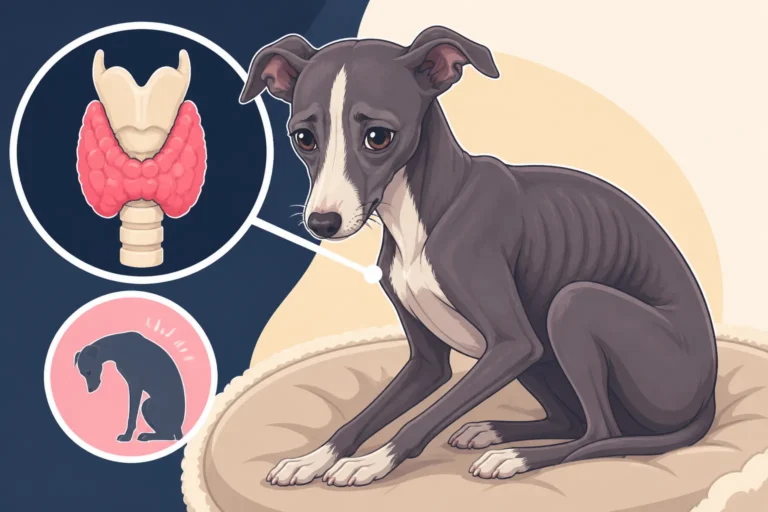
Another condition that can cause hair loss and mimic aspects of CDA is hypothyroidism, an underactive thyroid gland. Italian Greyhounds, while generally robust, can sometimes be affected by this endocrine disorder. Dogs with hypothyroidism often exhibit a dull, dry, brittle coat, thinning hair, particularly on the trunk, flanks, and tail (often referred to as a "rat tail"), and sometimes symmetrically distributed hair loss without itching. Other signs might include weight gain, lethargy, cold intolerance, and skin infections.
The key difference is that hypothyroidism-related hair loss typically doesn't show the characteristic pigment clumping associated with CDA, and it often affects areas differently. Furthermore, hypothyroidism can be diagnosed with a simple blood test that measures thyroid hormone levels. If diagnosed, it's easily managed with daily thyroid hormone supplementation, which can dramatically improve coat quality and overall health. So, if your Iggy is losing hair, don't immediately assume CDA; asking your vet to check for signs an Italian Greyhound has an underactive thyroid is a smart move.
When to Seek Veterinary Diagnosis
Given the overlap in symptoms with various skin conditions, it cannot be stressed enough: if you notice any changes in your Italian Greyhound's coat or skin, consult your veterinarian. Self-diagnosing based on online information can lead to incorrect treatment, prolonged discomfort for your dog, and potentially allow a more serious condition to go untreated.
Your vet will conduct a thorough physical examination, take a detailed history, and likely perform several diagnostic tests. These might include skin scrapes, fungal cultures, blood tests (to check for thyroid function or allergies), and sometimes even a skin biopsy for definitive diagnosis. A biopsy is often the most conclusive way to confirm CDA, as it allows a veterinary pathologist to examine the hair follicles for the characteristic pigment clumping. Getting a precise diagnosis is the only way to establish an effective management plan, ensuring your precious Italian Greyhound receives the most appropriate care for their specific condition.
Disclaimer
This article is intended for informational purposes only and does not constitute veterinary advice. Always consult with a qualified veterinarian for any health concerns or before making any decisions about your Italian Greyhound's care.