What Color Dilution Alopecia Does to an Italian Greyhound
It’s truly disheartening when you start to notice changes in your beloved Italian Greyhound’s beautiful, sleek coat. That thinning hair, the patchiness, the dry, flaky skin—it can be incredibly worrying, leaving you wondering what on earth is happening and if your cherished companion is in pain or suffering from something serious. This guide is here to shed light on Color Dilution Alopecia (CDA), a condition many dilute-colored Iggies face, helping you understand its effects, how to manage it, and what to expect.
Unpacking Color Dilution Alopecia in Italian Greyhounds
Finding out your Italian Greyhound might have a genetic condition can be scary, especially when it starts to affect their appearance and skin health. Color Dilution Alopecia, often just called CDA, is one of those conditions that can sneak up on you, especially if you’ve never encountered it before. It’s a hereditary genetic condition that primarily impacts dogs with "dilute" coat colors, meaning colors like blue (a dilute black) or fawn (a dilute red/brown). In these dogs, the pigment granules in their hair shafts are unevenly distributed, clumping together in a way that makes the hair weaker and more prone to breakage and loss.
The Genetic Underpinnings of CDA
At its heart, CDA is a genetic condition, which means it’s passed down from parents to offspring. It's tied to a specific gene locus, often referred to as the "D" locus, which controls the dilution of coat color pigments. Dogs inherit two copies of every gene, one from each parent. For a dog to express a dilute coat color like blue or fawn, they must inherit two copies of the recessive dilute gene (dd). It’s this very genetic makeup that, unfortunately, also predisposes them to CDA. Not every dog with a dilute coat will develop CDA, but they are significantly at higher risk compared to their non-dilute counterparts. This genetic component is why responsible breeders focus on health screenings, aiming to breed away from known carriers of such conditions, though it's not always straightforward with complex genetic interactions.
The clumping of pigment granules within the hair shaft doesn't just make the hair weak; it also causes the hair follicle itself to become abnormal. These misshapen follicles can't anchor the hair properly, leading to easy breakage and eventual hair loss. Imagine a fragile, poorly rooted plant trying to grow in thin soil; it's just not going to thrive. For our Iggies, this means their normally fine, delicate fur becomes even more susceptible to damage, making their skin beneath vulnerable.
The Impact on Hair and Skin Health
The most obvious effect of CDA is, of course, hair loss, or alopecia. This isn't just a cosmetic issue; it significantly impacts the skin underneath. Italian Greyhounds are already known for their fine, almost paper-thin skin, which makes them particularly susceptible to issues. When their coat thins or falls out in patches due to CDA, their skin loses its natural protective barrier. This can lead to a host of secondary problems, from dry, flaky skin to recurring bacterial infections (pyoderma) and even yeast infections. The skin becomes more exposed to environmental irritants and temperature fluctuations, exacerbating discomfort.
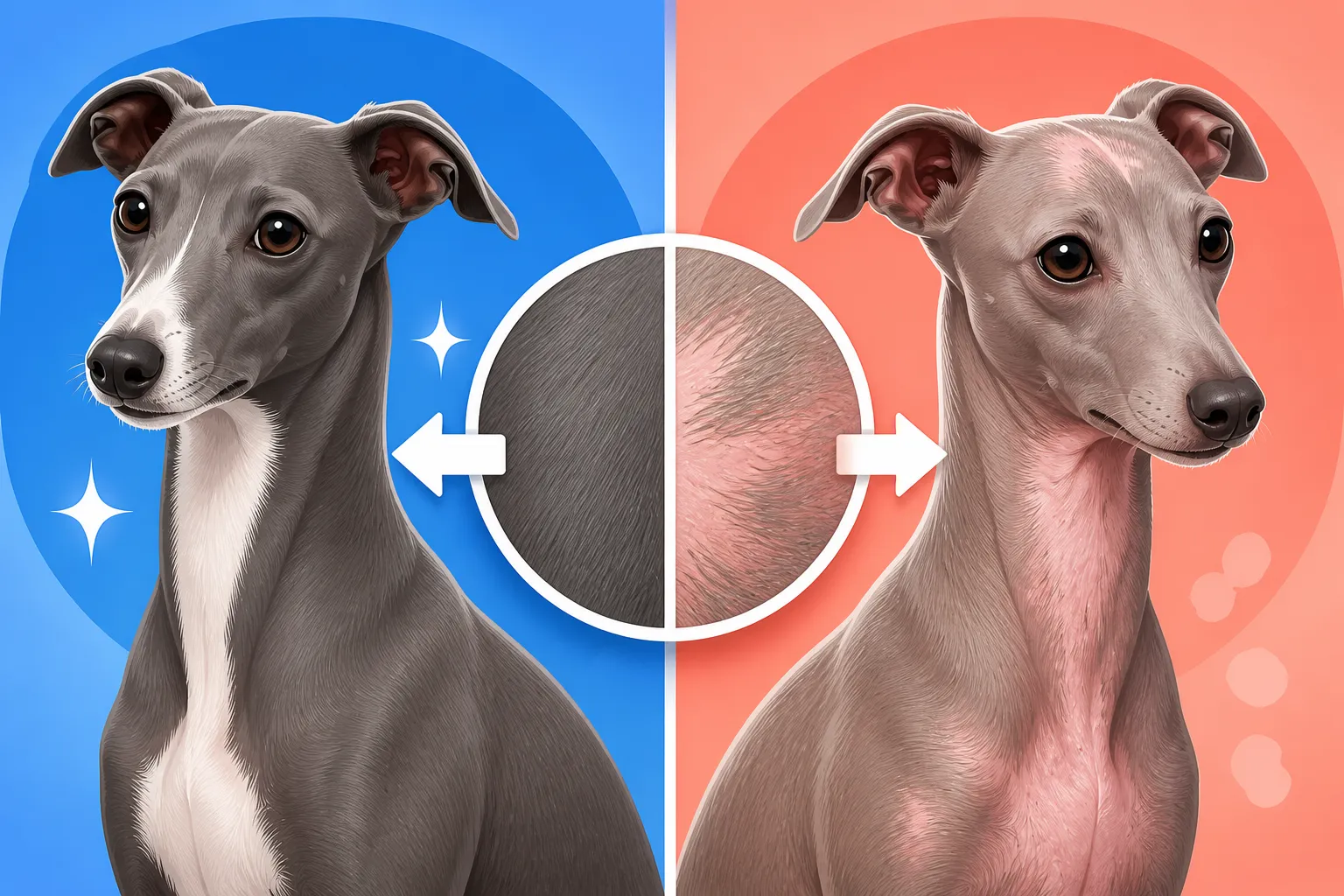
The initial signs might just be a dullness in the coat, or perhaps you notice more hair than usual on their bedding. Over time, distinct patches of thinning or complete hair loss will appear, typically on the back, flanks, ears, and neck. These areas might also develop a dry, scaly texture, or even pustules if a secondary infection takes hold. It’s a vicious cycle where weak hair leads to exposed skin, which then leads to further skin problems, making your sensitive Italian Greyhound even more uncomfortable. Keeping an Italian Greyhound Warm Is Daily Work, Not a Winter Job, and thinner fur only makes this more challenging.
Recognizing the Early Warning Signs of CDA
Catching the signs of Color Dilution Alopecia early can help you manage the condition more effectively and keep your Italian Greyhound as comfortable as possible. It often begins subtly, so it’s easy to dismiss early changes as normal shedding or environmental dryness. However, for a dilute-colored Iggy, any significant change in coat quality or skin condition warrants a closer look.
When Symptoms Typically Emerge
CDA usually doesn't show its full hand in puppyhood. Most Italian Greyhounds with CDA begin to exhibit symptoms between six months and three years of age. You might first notice a dullness in their coat, or perhaps the hair on their back and flanks seems a bit sparse compared to their chest and legs. This isn't a condition that suddenly appears overnight; it's a gradual process, making it sometimes hard to pinpoint exactly when it started. Initially, it might be patchy, with areas of normal-looking hair interspersed with thinner regions.
As the condition progresses, the hair loss becomes more pronounced and often symmetrical. The most commonly affected areas are the dorsal trunk (along the back), the flanks, ears, and occasionally the head. The hair that remains can often be brittle, easily broken, and sometimes has a "moth-eaten" appearance. It's not uncommon for an Italian Greyhound affected by CDA to also have a very dry, almost chalky skin texture in the affected areas.
Visual Cues and Skin Changes
Beyond the obvious hair loss, there are other visual cues and skin changes that signal CDA. The skin in affected areas might become noticeably flaky, scaly, or even oily in some cases due to altered sebum production. You might also observe comedones, which are essentially blackheads, as hair follicles become clogged. These clogged follicles and compromised skin barrier make the skin ripe for bacterial and yeast infections, leading to redness, itching, pustules, and a foul odor. This is particularly concerning because Italian Greyhounds have very delicate skin that can tear easily. Cuts, Scrapes and an Italian Greyhound's Paper Thin Skin are common enough, but CDA can exacerbate these issues.
A key indicator to look for is the lack of hair regrowth after shedding. While some dogs with CDA might experience cycles of thinning and slight regrowth, the overall trend is usually progressive hair loss. If you run your hand over your dog's coat and feel an uneven texture or notice small, broken hairs coming away easily, it's definitely time to consult your vet. A definitive diagnosis usually involves skin biopsies, where a veterinarian will examine the hair follicles and shafts under a microscope to identify the characteristic clumping of melanin pigment.
Italian Greyhound Colors and CDA Risk
Not all Italian Greyhounds are equally susceptible to Color Dilution Alopecia. As the name suggests, it’s primarily associated with specific dilute coat colors. Understanding which colors carry this risk is crucial for potential owners and breeders alike, as it helps in making informed decisions and anticipating potential health challenges.
Dilute Colors and Genetic Predisposition
The colors most commonly associated with CDA are blue and fawn. Blue Italian Greyhounds are essentially black Iggies with a dilute gene, giving them that stunning slate-grey coat. Fawn Italian Greyhounds are typically red or brown Iggies with the same dilute gene, resulting in a paler, often sandy or creamy hue. Both of these colors involve a dilute gene (dd) that affects the distribution of pigment, leading to the structural weaknesses in the hair shaft characteristic of CDA. It’s important to note that while all blue and fawn Iggies carry the dilute gene, not all of them will develop CDA. However, their genetic predisposition is undeniable.
Other colors, such as black, red, seal, cream, and white, are generally not associated with CDA, as they do not possess the dd gene. This isn't to say dogs of these colors can't experience other forms of alopecia or skin issues, but CDA specifically is tied to the dilute gene. If you have a blue or fawn Italian Greyhound, it's wise to be particularly vigilant for any signs of coat thinning or skin changes. Understanding Which Italian Greyhound Colors Carry the Alopecia Risk is key.
Identifying At-Risk Italian Greyhounds
If you're considering bringing a dilute-colored Italian Greyhound into your home, especially a blue one, it's important to understand the potential for CDA. While a reputable breeder will always perform health screenings and provide transparent information about their lines, knowing the inherent risks associated with certain coat colors is empowering. For instance, Why a Blue Italian Greyhound Thins on the Back is a common question, and CDA is often the answer.
Here's a quick overview of coat colors and their typical CDA risk:
| Italian Greyhound Coat Color | Dilute Gene (dd) Present | Typical CDA Risk | Common Appearance of Alopecia |
|---|---|---|---|
| Blue | Yes | High | Patchy thinning, dull coat, flaky skin on back, flanks, ears |
| Fawn | Yes | Moderate | Similar to blue, but sometimes less severe or later onset |
| Black | No | Very Low | Not associated with CDA |
| Red | No | Very Low | Not associated with CDA |
| Seal | No | Very Low | Not associated with CDA |
| Cream | No | Very Low | Not associated with CDA |
| White | No | Very Low | Not associated with CDA |
If you're getting a puppy, ask the breeder about any history of CDA in their lines, particularly if you're interested in a blue or fawn pup. While genetic testing for CDA isn't as straightforward as for some other conditions, good breeders will be aware of the prevalence in their dogs and can offer insights. Responsible breeders conduct thorough health evaluations, and understanding What an Italian Greyhound Breeder Should Have Tested is a good starting point.
Managing Life with an Italian Greyhound with CDA
Receiving a diagnosis of Color Dilution Alopecia can feel overwhelming, but it's important to remember that it's a manageable condition. While there's no cure for CDA, you can take significant steps to ensure your Italian Greyhound remains comfortable, happy, and minimizes secondary complications. The key is proactive, consistent care focused on skin health and protection.
Essential Skin and Coat Care
The cornerstone of managing CDA is meticulous skin and coat care. Since the hair loss leaves their delicate skin exposed, preventing dryness, irritation, and infection becomes paramount. Regular bathing with a gentle, moisturizing shampoo is often recommended, followed by a good conditioner. Look for products specifically formulated for sensitive skin or those containing ingredients like colloidal oatmeal, ceramides, or essential fatty acids. Your vet might also recommend medicated shampoos if secondary bacterial or yeast infections are present. Always rinse thoroughly to avoid leaving any residue that could further irritate the skin.
Topical moisturizers, oils (like coconut oil or specific veterinary formulations), and humectant sprays can help keep the skin hydrated and supple. Many owners find success with daily application to prevent excessive dryness and flaking. Additionally, omega-3 fatty acid supplements, often found in fish oil, can support overall skin and coat health from the inside out. Discuss these options with your veterinarian to determine the best regimen for your specific Iggy. This proactive approach not only keeps them comfortable but also helps prevent painful secondary infections.
Protecting Your Iggy's Vulnerable Skin
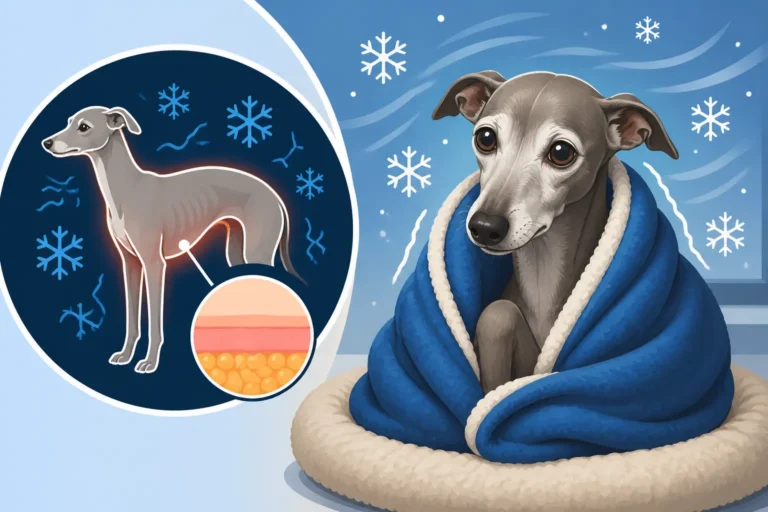
Because their skin is so fragile and exposed, protecting your Italian Greyhound from environmental factors is critical. In colder weather, sweaters and coats become even more essential. Their thin skin means they get cold easily, and the lack of insulating fur exacerbates this. You’ll want to ensure they are adequately dressed indoors and out. Also, consider soft bedding to prevent pressure sores, as their lack of cushioning fur combined with thin skin makes them prone to these, particularly on bony prominences like elbows and hocks.
Sun protection is another major consideration. Bald or thinning areas are highly susceptible to sunburn, which can be painful and increase the risk of skin cancer over time. When outdoors, particularly during peak sun hours, apply pet-safe sunscreen to exposed areas, or dress your Iggy in UV-protective clothing. Indoor comfort is equally important; make sure their favorite sleeping spots are warm and soft. While CDA doesn't directly cause pain, the secondary infections and dryness can be incredibly uncomfortable, so preventive care is truly an act of love.
When to Seek Veterinary Intervention and Support
While many aspects of CDA management can be handled at home with diligent care, there are times when veterinary intervention is absolutely necessary. Recognizing these moments and maintaining open communication with your vet ensures your Italian Greyhound receives the best possible care and avoids unnecessary suffering.
Addressing Secondary Infections
One of the most common and uncomfortable complications of CDA is secondary skin infections. The compromised skin barrier and damaged hair follicles create an ideal breeding ground for bacteria (pyoderma) and yeast (Malassezia dermatitis). If you notice redness, pustules, scabs, a strong odor, excessive itching, or persistent flaking that doesn't respond to regular moisturizing, it's time to see your vet. These infections typically require prescription medications, such as oral antibiotics or antifungals, as well as medicated shampoos or topical treatments.
Your vet might take skin scrapes or cultures to identify the specific pathogen and prescribe the most effective treatment. Ignoring these infections can lead to chronic skin issues, discomfort, and can sometimes be quite painful for your Italian Greyhound. Remember, while the alopecia itself is not curable, the infections are, and managing them promptly is crucial for your Iggy's quality of life. Regular check-ups can also help catch these issues before they become severe. Having pet insurance, like Healthy Paws, can certainly provide peace of mind for these unexpected vet visits and treatments, making sure you don't hesitate to seek help when needed.
Long-Term Management and Prognosis
Living with CDA means committing to long-term management. Your veterinarian will be your best partner in developing a comprehensive care plan. This plan might include a combination of specialized shampoos, topical treatments, oral supplements (like essential fatty acids, vitamin A, or melatonin, though the effectiveness of melatonin for Whether Melatonin Helps an Italian Greyhound's Coat varies), and dietary considerations. Regular follow-up appointments will allow your vet to monitor your Iggy's skin health, adjust treatments as needed, and screen for any new concerns.
The prognosis for Italian Greyhounds with CDA is generally good, provided the condition is well-managed. It's a cosmetic condition with potential secondary health implications, but it's not life-threatening. With dedicated care, most Iggies with CDA can live full, comfortable lives. The hair loss is permanent, and while you might see slight improvements in density with consistent care, don't expect a full coat regrowth. The goal is to keep the skin healthy and prevent infections. This ongoing commitment to their well-being is a testament to the special bond you share, and managing these long-term conditions is where the true partnership with your vet comes in.
Breeding and Prevention Considerations
For anyone involved in breeding Italian Greyhounds, understanding the genetic component of Color Dilution Alopecia is paramount. Responsible breeding practices are the first line of defense against propagating genetic conditions, and while CDA can be complex, there are steps breeders can take to minimize its occurrence.
Ethical Breeding Practices
Since CDA is an inherited condition linked to dilute color genes, ethical breeders will carefully consider the coat colors and genetic backgrounds of their breeding pairs. While there isn't a widely available, definitive genetic test specifically for CDA itself, breeders can use color testing to identify dilute carriers. If two dilute-carrying dogs are bred, there's a higher chance of producing puppies that not only express dilute colors but also have an increased risk of CDA. Breeding away from affected lines, or at least understanding the risks, is a crucial part of responsible breeding.
A breeder committed to the health of the Italian Greyhound breed will prioritize the overall health and temperament of their dogs above trendy coat colors. They will be transparent about any known instances of CDA in their lines and educate prospective owners about the potential for the condition, especially if they are offering dilute-colored puppies. This commitment to transparency and health is vital. Breeding Away From Alopecia in an Italian Greyhound is a goal for many conscientious breeders.
The Role of Genetic Testing
Genetic testing for color genes can help breeders make informed decisions. By knowing if a dog carries the dilute gene (d), breeders can avoid pairing two dilute carriers (Dd x Dd) or two dilute-expressing dogs (dd x dd) if their goal is to reduce the incidence of CDA in their offspring. While a dog expressing a dilute color (dd) is inherently at higher risk, a carrier (Dd) might not show symptoms but can pass the gene on. This is part of the broader commitment to health screening that responsible Italian Greyhound breeders undertake.
Prospective puppy owners should inquire about the genetic health of the parents, especially if they are interested in a blue or fawn Italian Greyhound. A good breeder will be able to discuss the health history of their lines, including any incidence of CDA, and explain the steps they take to promote healthy puppies. Remember, pet insurance like Healthy Paws can be a safety net, but proactive prevention through responsible breeding remains the ideal.
Supporting Your Italian Greyhound and Yourself
Living with a dog that has a chronic condition like Color Dilution Alopecia can be emotionally taxing. It's not just about managing the physical symptoms; it's also about supporting your Italian Greyhound through their discomfort and coping with your own feelings of worry or frustration. You’re not alone in this journey.
Understanding Your Iggy's Experience
Italian Greyhounds are famously sensitive and can be very attuned to their owner's emotions. If they are itchy, uncomfortable, or experiencing skin issues, it can affect their overall demeanor, making them more withdrawn or irritable. It’s vital to remember that their physical discomfort is real. They can't tell you they're itchy or that their skin burns, but their behavior will often show it. Pay close attention to subtle cues: excessive licking or scratching, rubbing against furniture, reluctance to be touched in certain areas, or even changes in appetite or energy levels.
Providing a consistent, comfortable routine, ample warmth, and gentle care will go a long way in making your Iggy feel secure and loved. Regular, gentle grooming sessions, even if it's just applying moisturizer, can become a bonding experience. Remember, Whether Color Dilution Alopecia Hurts an Italian Greyhound isn't always a simple yes or no; the secondary infections and dryness definitely cause discomfort and pain, and it’s these we must focus on preventing and treating.
Finding Community and Support
Connecting with other Italian Greyhound owners, particularly those who have experience with CDA, can be an incredible source of support and practical advice. Online forums, breed-specific social media groups, and local Italian Greyhound clubs offer platforms to share experiences, ask questions, and learn from others who truly understand what you're going through. You might discover tips for specialized clothing, specific shampoos that have worked wonders, or just find comfort in knowing you're not the only one dealing with a perpetually flaky blue Iggy.
Your veterinarian and their team are also invaluable resources. Don't hesitate to reach out with questions or concerns. They can provide professional guidance, recommend specialists if needed, and offer emotional support for you as a pet parent. Remember, owning an Italian Greyhound is a commitment, and managing health challenges is part of that journey. With love, knowledge, and support, you can ensure your Italian Greyhound with CDA lives a happy and fulfilling life.
Disclaimer
The information provided in this article is for general informational purposes only and does not constitute veterinary advice. Always consult with a qualified veterinarian for any health concerns or before making any decisions about your pet's medical care.