Why a Blue Italian Greyhound Thins on the Back
It's incredibly disheartening and often worrying to notice your beloved blue Italian Greyhound's once sleek, glossy coat starting to thin, especially along their back. Many owners face this exact frustration, wondering if it's a nutritional issue, an allergy, or something more serious. This guide will walk you through the primary cause of this specific type of hair thinning in blue Iggys: a genetic condition known as Color Dilution Alopecia (CDA), explaining why it happens and, most importantly, how you can lovingly manage it to keep your furry friend comfortable and healthy.
Understanding Why Blue Italian Greyhounds Develop Thinning Hair on Their Backs
The thinning hair you're observing on your blue Italian Greyhound's back is, more often than not, a hallmark sign of a genetic condition called Color Dilution Alopecia, or CDA. It’s a mouthful, but understanding what it means is key to helping your pup. This isn't just about aesthetics; it's about the very structure and health of their skin and coat. Unlike common shedding or seasonal changes, CDA presents a distinctive pattern of hair loss and skin issues that are specific to dogs with dilute coat colors.
The Genetic Link to Dilute Colors
At the heart of Color Dilution Alopecia is a genetic predisposition directly tied to the "dilute" gene. In Italian Greyhounds, this gene is responsible for those stunning, unique coat colors like blue (which is a dilute black) and fawn (a dilute red). Essentially, the dilute gene, often referred to as the "d" locus in canine genetics, affects how pigment (melanin) is distributed within the hair shaft. While it creates beautiful, softer shades, it can also unfortunately lead to structural weaknesses in the hair itself. When both parents carry this recessive "d" gene and pass it on to their offspring, the puppy can express a dilute coat color. While not all dogs with dilute coats will develop CDA, these are the only colors susceptible to it. You might find it interesting to learn more about Which Italian Greyhound Colors Carry the Alopecia Risk. This genetic roulette is one of the toughest parts of owning a blue Iggy. It's not something you did wrong; it's simply a roll of the genetic dice.
How Color Dilution Alopecia Affects the Hair Follicles
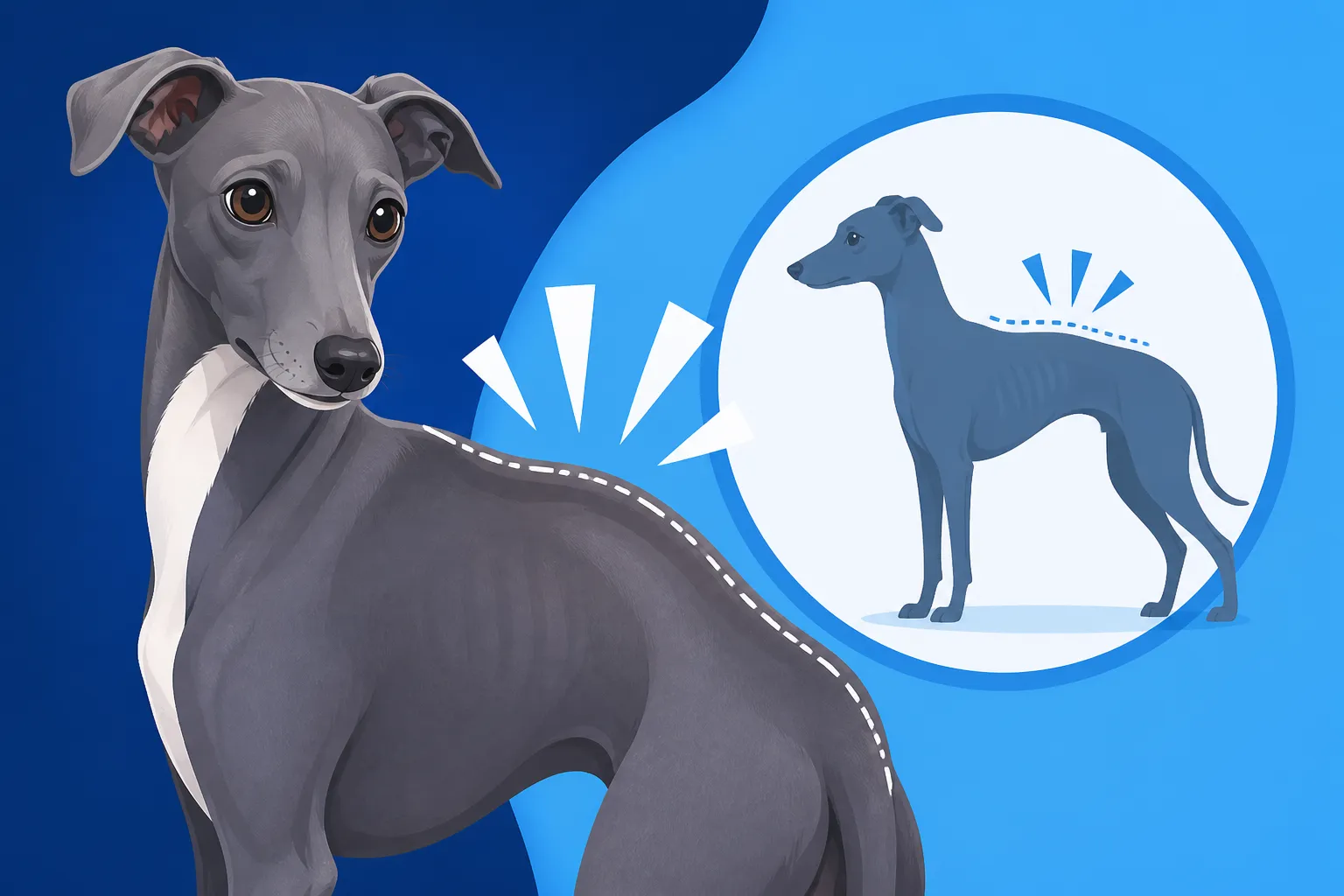
The mechanism behind CDA is fascinating, albeit problematic for our pups. In dogs affected by CDA, the melanin granules within the hair shaft clump together unevenly, rather than being smoothly distributed. Imagine tiny, irregular blobs of color instead of a uniform spread. These clumps weaken the hair shaft, making it fragile and prone to breakage. The hair shafts become twisted and distorted, making it difficult for them to grow normally or even emerge from the follicle. Because of this structural defect, the hairs break off easily, leading to the characteristic thinning and eventual bald patches you see. The most common areas for this thinning to appear are precisely the ones you've likely noticed: the back, flanks, and sometimes the neck or ears. These areas are often subject to more friction or exposure, which can exacerbate the already fragile hair. Over time, the hair follicles themselves can become damaged and scarred, leading to permanent hair loss in those areas. This process is truly What Color Dilution Alopecia Does to an Italian Greyhound beyond just visible hair thinning.
Recognizing the Specific Signs of CDA and Seeking a Diagnosis
Spotting the initial signs of Color Dilution Alopecia can be subtle at first, often mistaken for dry skin or seasonal shedding. However, CDA has a progression and specific characteristics that, once recognized, should prompt a visit to your veterinarian for a proper diagnosis. Early intervention won't cure it, but it can significantly improve your dog's comfort and prevent secondary issues.
Identifying the Pattern of Hair Loss
The most obvious sign of CDA is, of course, the hair loss itself. You’ll typically notice a gradual, symmetrical thinning of the coat, particularly across the back, flanks, and sometimes the outside of the ears or tail. The hair might look dull, brittle, and feel coarse to the touch. It won't just be shedding; you'll see actual patches where the hair is sparse, and the skin beneath is more visible. Some owners describe the coat as having a "moth-eaten" appearance. The process usually begins in young adulthood, often around six months to two years of age, though it can sometimes manifest later. For more context on the timing, you can check out The Age Color Dilution Alopecia Starts in an Italian Greyhound. As the condition progresses, the remaining hairs may snap easily, and new hair growth might be very fine or not occur at all. It's not uncommon for owners to first notice it when their Iggy's coat just isn't as luxurious as it once was, or when they feel a surprising patch of thin fur while petting them.
Differentiating CDA from Other Skin Conditions
Because hair loss and skin issues can stem from a variety of causes, it’s crucial to get a definitive diagnosis from your vet. Conditions like demodectic mange, ringworm, allergies, bacterial skin infections, or even hormonal imbalances such as hypothyroidism can mimic some of the symptoms of CDA. Your vet will likely perform a thorough physical exam and may recommend several diagnostic tests. These could include skin scrapings to look for mites, fungal cultures to rule out ringworm, blood tests to check for thyroid function, and even a skin biopsy. A skin biopsy is often the gold standard for diagnosing CDA, as it allows a veterinary pathologist to examine the hair follicles and shafts under a microscope for the characteristic clumping of melanin and structural abnormalities. It’s important to remember that CDA is not painful in itself, but the associated skin dryness and susceptibility to infection can cause discomfort. This is where a good pet insurance plan, like those offered by Healthy Paws, can really make a difference, helping to cover the diagnostic tests and ongoing vet care for chronic conditions like CDA, ensuring you can pursue the best care without financial stress.
Practical Management Strategies for an Italian Greyhound with Thinning Hair
While there's no magic cure for Color Dilution Alopecia, managing the condition effectively can significantly improve your Italian Greyhound's quality of life, minimize discomfort, and prevent secondary complications. It's about a holistic approach that focuses on skin health, proper nutrition, and environmental protection.
Specialized Skincare and Grooming Routines
Maintaining impeccable skin hygiene is paramount for an Iggy with CDA. Their fragile skin and damaged hair follicles make them highly susceptible to bacterial infections, folliculitis (inflammation of the hair follicles), and dry, flaky skin. Regular bathing with medicated or moisturizing shampoos and conditioners is often recommended. Look for shampoos containing ingredients like benzoyl peroxide to flush follicles, or colloidal oatmeal and ceramides to soothe and hydrate the skin. Your vet might prescribe specific shampoos or recommend brands like Douxo S3 Pyo or Malaseb for their antimicrobial and antifungal properties. The frequency of bathing will depend on the severity of your dog's condition and your vet's advice, but often a bath every 1-2 weeks is a good starting point. Following up with a good quality, leave-in conditioner or a hydrating spray can help lock in moisture and protect the delicate skin barrier. Always use lukewarm water and gently pat your dog dry to avoid irritating their skin further. When selecting products, consider researching Which Shampoo Suits an Italian Greyhound's Skin to find the best fit for their sensitive needs.
Nutritional Support and Supplementation
What goes into your Italian Greyhound's body plays a vital role in the health of their skin and coat. A high-quality diet rich in omega-3 and omega-6 fatty acids is incredibly beneficial. These essential fatty acids help to reduce inflammation, improve skin barrier function, and promote a healthier coat. You can often find these in fish oil supplements, or in certain specialized dog foods. Some anecdotal evidence suggests that melatonin supplementation might help stimulate hair growth in some dogs with CDA, though scientific proof is limited and results vary widely. Before adding any supplements to your dog's regimen, always consult with your veterinarian to ensure it's safe and appropriate for your individual Iggy. They can advise on proper dosages and potential interactions with other medications. While supplements aren't a cure, they can be a supportive measure, and understanding Whether Melatonin Helps an Italian Greyhound's Coat can help you make informed choices.
Protecting Your Italian Greyhound's Delicate Skin
An Italian Greyhound's skin is already thin and delicate, and CDA makes it even more vulnerable. Protection from environmental elements is crucial. In colder weather, their thinning coat means they'll feel the chill much more acutely. Investing in warm, well-fitting sweaters and coats is not just a fashion statement; it's a necessity. This helps prevent them from getting uncomfortably cold and can prevent skin cracking due to dryness. Check out our guide on Keeping an Italian Greyhound Warm Is Daily Work, Not a Winter Job for more tips on cold weather care. Conversely, during sunny periods, their exposed skin is highly susceptible to sunburn. Apply dog-specific sunscreen to any bald or thinned areas before they go outside, especially on their backs and bellies. Preventing sunburn is not just about comfort; it reduces the risk of skin cancer. You can find more specific advice on Sunburn on a Bald Italian Greyhound to protect your pup. Indoors, ensure they have soft, padded bedding to prevent pressure sores on bony areas that are now less cushioned by hair.
Addressing Secondary Skin Infections
One of the most concerning complications of CDA is the heightened risk of secondary bacterial or yeast infections. The damaged hair follicles and compromised skin barrier create an ideal breeding ground for opportunistic pathogens. You might notice red bumps, pustules, excessive flakiness, or a foul odor coming from their skin. Itching and discomfort are also common signs. If you suspect an infection, contact your vet immediately. They will likely prescribe topical treatments, oral antibiotics, or antifungal medications to clear it up. Prompt treatment is vital to prevent these infections from becoming severe and causing further damage to the skin and follicles. Regular vet check-ups are important to monitor your Italian Greyhound's skin health and catch any issues early. This ongoing care, including potential medications and specialized vet visits, highlights the value of having comprehensive pet insurance like Healthy Paws, which can help mitigate the financial burden of managing chronic conditions and their associated complications. It truly offers peace of mind when dealing with a condition that requires continuous attention. Understanding Whether Color Dilution Alopecia Hurts an Italian Greyhound is crucial, as the pain usually comes from these secondary infections, not the alopecia itself.
Long-Term Outlook and Breeder Responsibilities
Living with an Italian Greyhound affected by Color Dilution Alopecia requires ongoing care and attention. It’s a chronic condition, but with proper management, your Iggy can lead a happy, comfortable life. This also brings to light the important role of responsible breeding practices.
Living with a Chronic Condition
Embracing the reality that CDA is a chronic, lifelong condition is the first step. There will be good days where their coat looks relatively stable, and other days where flare-ups of dryness or infection might occur. Consistency in their skincare routine, dietary management, and environmental protection is your best defense. Regular veterinary visits are essential, not just for managing immediate issues but for long-term monitoring of their skin health. You'll become an expert in your dog's skin, learning what works best for them and recognizing early signs of trouble. It's important to understand that Whether an Italian Greyhound's Hair Grows Back After Alopecia is generally a 'no' for permanent growth in affected areas, but consistent care can improve the quality of existing hair and prevent further degradation. Your love and diligence are what truly make the difference in their comfort and well-being.
The Role of Ethical Breeding Practices
While CDA can be managed, prevention is always better. This is where ethical breeding plays a critical role. Responsible Italian Greyhound breeders are acutely aware of genetic conditions that can affect the breed, including CDA. They should strive to understand the genetic lineage of their breeding stock and avoid breeding dilute-to-dilute whenever possible if there's a history of CDA in the lines. While there isn't a direct genetic test specifically for CDA itself, breeders can make informed decisions based on pedigree and the known prevalence in certain lines. A transparent breeder will openly discuss health concerns like CDA, show you the parents, and have a clear health guarantee. This is part of the broader commitment to ensuring Whether the Italian Greyhound Is a Healthy Breed overall. Always ask prospective breeders about their health screening practices and their experience with dilute colors. For more information on what to look for, consider reading Which Health Tests an Italian Greyhound Breeder Should Run before bringing home a new puppy. Supporting breeders who prioritize health and genetics over popular colors helps reduce the incidence of conditions like CDA for future generations of these wonderful dogs.
| Aspect of CDA | Description | Management Approach |
|---|---|---|
| Cause | Genetic (recessive dilute gene) leads to abnormal melanin clumping in hair shafts. | No cure; focus on symptom management. |
| Symptoms | Progressive, symmetrical hair thinning on back/flanks, brittle hair, dull coat, dry/scaly skin, susceptibility to infection. | Specialized skincare, protective clothing, vet monitoring. |
| Diagnosis | Veterinary exam, skin scrapings, fungal cultures, blood tests (to rule out others), definitive skin biopsy. | Early vet consultation is key to rule out treatable conditions. |
| Complications | Secondary bacterial or yeast infections, folliculitis, discomfort, itching, pressure sores, sunburn. | Aggressive treatment of infections, protective measures, moisturizing. |
| Prognosis | Chronic, lifelong condition. Hair loss is often permanent in affected areas. | Good long-term quality of life with consistent, dedicated care. |
Disclaimer
This article is for general informational purposes only and does not constitute professional advice. Laws, prices and regulations vary by location and change over time. Consult a qualified professional for guidance on your specific situation.