Whether Melatonin Helps an Italian Greyhound’s Coat
It's incredibly frustrating when you notice your Italian Greyhound's beautiful, sleek coat starting to look a little… thin, patchy, or just not quite right. You try everything, from fancy shampoos to special diets, and often feel like you’re just throwing money at the problem without a real solution. It's natural to grasp at any potential remedy you hear about, and melatonin for coat health is one of those topics that often comes up in conversations among dog owners. This comprehensive guide is here to break down exactly what melatonin is, how it might (or might not) help your Italian Greyhound's coat, and what other, often more effective, strategies you can explore to keep their delicate skin and hair looking its best.
Understanding the Italian Greyhound Coat: More Than Just Hair
Before we even dive into melatonin, it’s vital to appreciate just how unique an Italian Greyhound’s coat and skin truly are. These aren't your average fluffy dogs; their coats are a defining characteristic, but also a source of many owner anxieties.
The Delicate Nature of Italian Greyhound Skin and Fur
Italian Greyhounds are renowned for their incredibly fine, short, and glossy coats that lie close to their delicate skin. This isn't just about aesthetics; it's a fundamental part of their sighthound heritage, designed for speed and minimal wind resistance. However, this beautiful minimalist coat comes with a trade-off: vulnerability. Their skin is notably thin, often described as "paper thin," and easily susceptible to nicks, scrapes, and dryness. You've probably already experienced a minor cut turning into a dramatic, bloody affair that leaves you wondering how such a tiny injury could cause such a fuss.
Unlike breeds with dense undercoats or thick fur, Iggies lack a substantial insulating layer, which is why they shiver so easily and always seem to be seeking out the warmest spot in the house or under a blanket. This lack of fur also means their skin is more exposed to environmental elements, be it harsh sun, dry air, or even abrasive surfaces. When coat issues arise, they tend to be very visible and can sometimes be indicative of deeper problems, not just cosmetic concerns. The density and health of their coat are directly linked to the health of their skin, and ensuring the latter is protected is paramount. For more on their skin's fragility, you might want to read about Cuts, Scrapes and an Italian Greyhound's Paper Thin Skin.
Common Coat and Skin Concerns in Italian Greyhounds
Italian Greyhounds, despite their generally robust health in some areas, do face specific coat and skin challenges. The most prominent and often heartbreaking one is Color Dilution Alopecia (CDA). This genetic condition primarily affects blue (grey) and fawn-colored Italian Greyhounds, leading to progressive hair thinning and loss, often starting on the back, flanks, and ears. If you have a blue Italian Greyhound and are noticing hair loss, it's crucial to understand What Color Dilution Alopecia Does to an Italian Greyhound. It's not just about aesthetics; the thinned skin can become dry, flaky, and prone to secondary bacterial infections.
Beyond CDA, Iggies can experience generalized thinning due to nutritional deficiencies, stress, allergies (though less common for skin issues in Iggies than some other breeds), or hormonal imbalances. Sometimes, even simply rubbing against bedding or furniture can cause localized hair loss in areas of friction due to their fine coats and delicate skin. Seasonal changes can also play a role, with some dogs experiencing mild coat thinning in response to shifting daylight hours and temperatures, though this is less dramatic than in double-coated breeds. Recognizing these distinctions is the first step toward finding an effective solution, and it often requires a veterinary eye to properly diagnose the root cause.
Demystifying Melatonin: What It Is and How It Might Work
Melatonin is a hormone we often associate with sleep, but its role in the body is more expansive, and for some dogs, it has been explored for certain types of alopecia.
The Science Behind Melatonin in Canines
Melatonin is a naturally occurring hormone produced by the pineal gland in response to darkness. Its primary role is regulating circadian rhythms, which means it helps control sleep-wake cycles. In dogs, as in humans, it can induce drowsiness and promote a sense of calm. This is why some owners use it as a natural aid for anxiety, fireworks phobia, or travel stress.
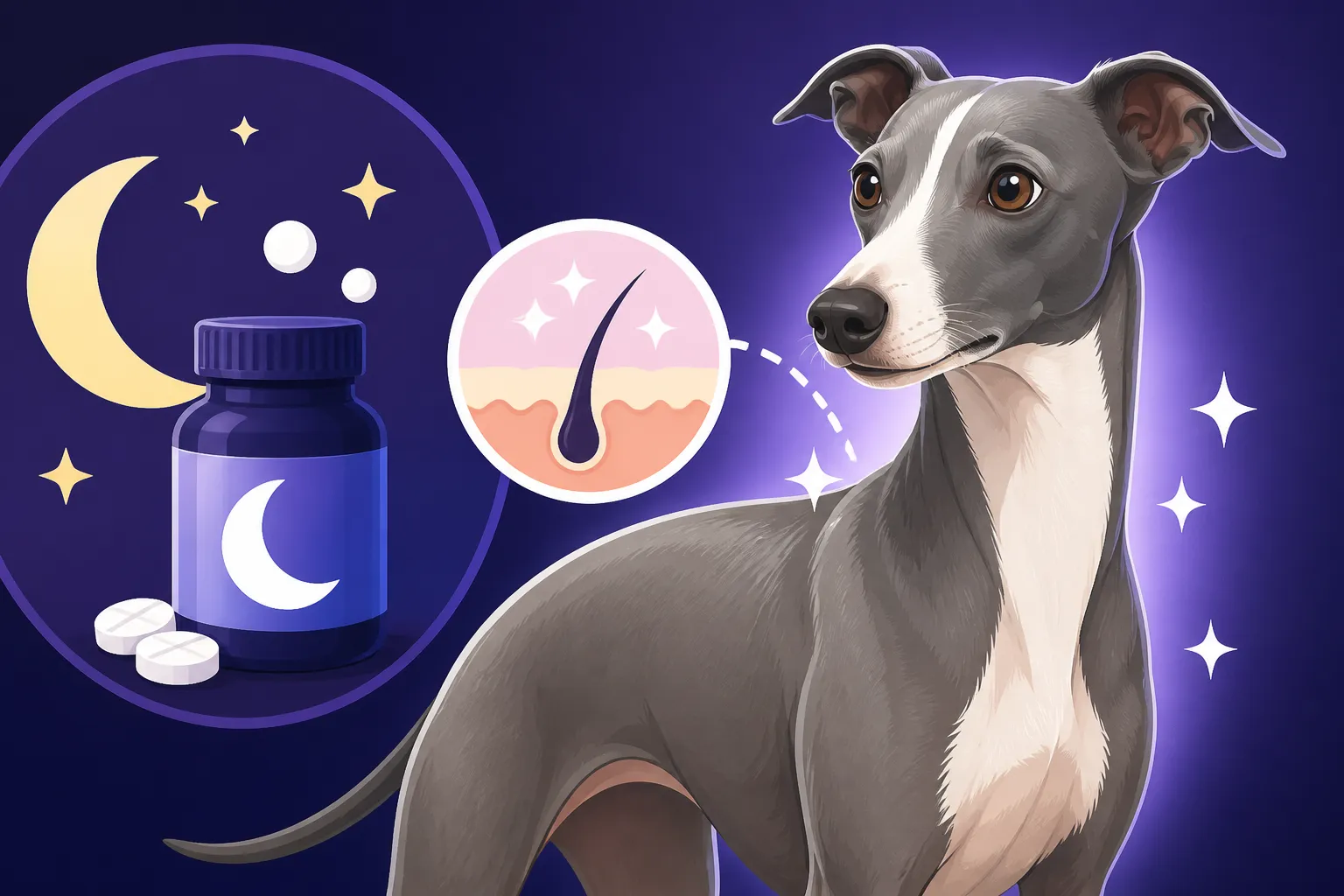
Beyond its role in sleep, melatonin also has indirect effects on other bodily systems, including the endocrine system and hair follicle cycles. It's believed to influence the timing of these cycles, potentially extending the growth phase (anagen) of hair and delaying the resting phase (telogen). This mechanism is often cited when melatonin is suggested for conditions like cyclical flank alopecia or pattern baldness, which are seasonal or breed-specific types of non-inflammatory hair loss not related to infection or parasites. The idea is that by modulating hormone levels or hair follicle activity, melatonin might encourage hair regrowth in affected areas. However, it's important to stress that scientific research specifically on melatonin for coat health in all dog breeds, and especially Italian Greyhounds, is not extensive, and results can be quite variable.
Specific Types of Alopecia Melatonin Targets
When discussing melatonin for coat issues, it's usually in the context of specific types of non-inflammatory alopecia. The most commonly cited include:
- Cyclical Flank Alopecia (Seasonal Alopecia): This condition typically affects breeds like Boxers, Airedales, and Bulldogs, causing hair loss on the flanks during certain times of the year, often in winter. The hair usually regrows in spring or summer, only to fall out again. Melatonin is sometimes used to try and break this cycle or promote faster regrowth.
- Pattern Baldness: Similar to human pattern baldness, this involves symmetrical hair loss in specific areas, such as behind the ears, on the chest, or on the thighs. Breeds like Dachshunds and Greyhounds can sometimes develop this.
- Adrenal or Sex Hormone Imbalances: In some cases, melatonin has been explored as an adjunctive therapy for hair loss associated with certain adrenal gland disorders or sex hormone imbalances that mimic other forms of alopecia.
It's crucial to note that melatonin is not a cure-all for all types of hair loss. It's generally ineffective for hair loss due to allergies, parasites (like fleas or mites), fungal infections, hypothyroidism, or trauma. Its potential benefit lies in conditions believed to be influenced by hormonal or light-cycle disruptions.
Melatonin for Italian Greyhound Coats: The Real Talk
Now, let's get down to how all of this applies to our delicate Italian Greyhounds. The short answer is: it's complicated, and definitely not a magic bullet.
When Melatonin Might Theoretically Help (with big caveats)
Given what we know about melatonin, its potential benefit for an Italian Greyhound's coat would be limited to situations where the hair loss is non-inflammatory, symmetrical, and possibly related to some subtle hormonal or seasonal influences that aren't Color Dilution Alopecia. For instance, if your Iggy experiences very mild, diffuse thinning during specific seasons and all other medical causes have been ruled out, a vet might consider a trial of melatonin as a low-risk option. However, this is far less common in Iggies than in other breeds, simply because their coat issues are so frequently tied to CDA or external factors.
The primary benefit for an Italian Greyhound might not even be direct coat stimulation, but rather indirect. If your Iggy is experiencing significant stress or anxiety that could be contributing to a dull, brittle coat (stress can impact overall health, including skin and fur), melatonin's calming properties might help reduce that stress, thereby allowing the body to better direct resources to coat health. But this is a secondary, indirect effect, and you'd be treating the anxiety more than the coat directly.
Why Melatonin Is Unlikely to Cure Color Dilution Alopecia (CDA)
This is the most important distinction for Italian Greyhound owners. Color Dilution Alopecia (CDA) is a genetic condition. It's caused by a faulty gene that affects the distribution and clumping of melanin pigment in the hair shaft, leading to fragile hairs that break easily and hair follicles that eventually stop producing hair altogether. This is why you often see thinning on the back or flanks, especially in blue Italian Greyhounds, where the coat gradually becomes sparse and almost bald.
Because CDA is genetic, melatonin, a hormone supplement, cannot "fix" the underlying genetic defect. It cannot change the structure of the hair follicles or repair the fragile hair shafts. Therefore, while some anecdotal reports might exist, scientific evidence does not support melatonin as an effective treatment for CDA. Owners often try everything, and it's understandable to feel desperate, but setting realistic expectations is crucial. If your vet diagnoses your Iggy with CDA, the focus will be on managing secondary skin infections, moisturizing the exposed skin, and keeping your dog comfortable, rather than trying to regrow hair that genetically won't grow back normally. Understanding The Age Color Dilution Alopecia Starts in an Italian Greyhound can help you recognize the signs early.
Administering Melatonin Safely and Effectively
If, after consulting your veterinarian, you decide to try melatonin for a non-CDA related coat issue, it's vital to do so responsibly.
Consulting Your Veterinarian is Non-Negotiable
Seriously, please don't start any new supplement, especially a hormone like melatonin, without talking to your vet first. This isn't just a suggestion; it's a critical step. Your vet needs to thoroughly examine your Italian Greyhound to rule out other, more serious causes of hair loss, such as:
- Thyroid issues: Hypothyroidism can lead to widespread hair loss.
- Cushing's disease: An adrenal gland disorder that can cause thinning skin and hair.
- Parasites: Mites, fleas, or fungal infections.
- Allergies: Environmental or food allergies can cause skin irritation and secondary hair loss from scratching.
- Nutritional deficiencies: Lack of essential fatty acids, protein, or vitamins.
Only after a proper diagnosis can your vet determine if melatonin is even a suitable consideration, or if another treatment is necessary. They can also advise on appropriate dosage, potential drug interactions, and what to watch out for. This is where pet insurance providers like Healthy Paws can be incredibly valuable, as they often cover diagnostic tests and treatments for unexpected illnesses, which can alleviate the financial stress of getting to the root of your Iggy's coat problems.
Dosage Guidelines and Potential Side Effects
Veterinary-approved melatonin dosages for dogs typically range from 1 to 6 mg, given one to three times daily, depending on the dog's size and the condition being treated. For an Italian Greyhound, which is a smaller breed, the dosage would generally be on the lower end of this spectrum, perhaps 1 to 3 mg. Your vet will provide the precise recommendation tailored to your dog's weight and specific needs. It's often recommended to start with the lowest effective dose.
As for side effects, melatonin is generally considered safe for most dogs, especially at appropriate doses. The most common side effect is drowsiness or lethargy, which is to be expected given its sleep-regulating properties. Less common side effects can include gastrointestinal upset (vomiting, diarrhea) or behavioral changes. Always monitor your dog closely when introducing any new supplement. If you notice any concerning symptoms, discontinue use and contact your vet immediately. It's also wise to purchase melatonin supplements specifically formulated for dogs or human-grade supplements that do not contain xylitol, an artificial sweetener that is highly toxic to dogs.
Holistic Approaches to Italian Greyhound Coat Health
Since melatonin isn't a silver bullet, focusing on a comprehensive, holistic approach is usually the most effective way to ensure your Italian Greyhound's coat and skin remain as healthy as possible.
Nutrition: Fueling a Healthy Coat from Within
Just like with us humans, what goes into your Italian Greyhound’s body profoundly impacts what shows on the outside. A high-quality diet is the cornerstone of a healthy coat. Look for dog foods that list a named meat source (e.g., "chicken meal," not "meat meal") as the first ingredient and contain essential fatty acids. Omega-3 and Omega-6 fatty acids, found in sources like fish oil (salmon oil, sardine oil) or flaxseed oil, are particularly beneficial for skin and coat health, promoting shine and reducing dryness and flakiness. Many Italian Greyhound owners find that supplementing with a good quality fish oil makes a noticeable difference.
Ensure your Iggy is receiving adequate protein, as hair is primarily composed of protein. A well-balanced diet also includes vitamins and minerals crucial for skin health, such as zinc and B vitamins. Sometimes, a change in diet or the addition of specific supplements, recommended by your vet or a certified veterinary nutritionist, can dramatically improve coat condition. Remember that feeding an Italian Greyhound correctly is about providing nutrient-dense food, not just quantity. For insights on managing their delicate metabolism, consider exploring Feeding an Italian Greyhound That Carries Seventeen Percent Body Fat.
Environmental Control and Skin Protection
Because Italian Greyhounds have such thin skin and minimal fur, their environment plays a huge role in coat health.
- Temperature and Humidity: Dry indoor air, especially in winter, can lead to dry, flaky skin, which in turn affects the coat. Using a humidifier can help. Conversely, too much humidity can sometimes exacerbate skin issues.
- Bedding: Their delicate elbows and hocks can develop calluses or pressure sores if they sleep on hard surfaces. Providing soft, orthopedic beds with plenty of blankets is essential. This not only protects their joints but also their skin and coat. Think about The Bedding a Thin Skinned Italian Greyhound Actually Needs to prevent localized skin and hair damage.
- Clothing: In colder weather, sweaters and coats are not just for warmth; they provide a protective layer against environmental elements that can dry out or irritate the skin. They also prevent physical abrasions.
- Sun Protection: Italian Greyhounds, especially those with very light or sparse coats, can get sunburned. If your Iggy spends time outdoors in sunny conditions, consider dog-safe sunscreen on exposed areas. Where to Put Sunscreen on an Italian Greyhound is a relevant resource here.
- Grooming: While Iggies don't need extensive grooming, regular, gentle brushing with a soft brush can help distribute natural oils, stimulate circulation, and remove loose hairs. Bathing should be infrequent, using a mild, moisturizing dog shampoo to avoid stripping natural oils.
Regular Veterinary Check-ups and Early Intervention
Perhaps the most crucial aspect of maintaining your Italian Greyhound's coat health is consistent veterinary care. Regular check-ups allow your vet to monitor overall health, catch potential issues early, and address any changes in coat condition. If you notice persistent thinning, itching, redness, or bald patches, don't wait. Early diagnosis of conditions like CDA, allergies, or hormonal imbalances can help manage symptoms and prevent secondary infections more effectively.
Your vet can recommend specific diagnostic tests, such as skin scrapings, biopsies, or blood work, to pinpoint the exact cause of any coat problems. Relying on professional expertise is always the best course of action. Having a good pet insurance plan from a provider like Healthy Paws can give you peace of mind, knowing that if serious diagnostics or long-term treatments are needed for a medical condition affecting your Iggy's coat, you'll be financially supported. Investing in preventative care and addressing issues promptly can save you a lot of worry and your dog a lot of discomfort in the long run.
Final Thoughts on Melatonin and Italian Greyhound Coat Health
Ultimately, while melatonin is an interesting supplement with some anecdotal success stories for certain types of canine alopecia, it's generally not a primary solution for Italian Greyhounds, especially if the underlying cause is Color Dilution Alopecia. The delicate nature of their skin and coat, combined with their genetic predispositions, means a targeted, comprehensive approach is almost always more effective.
Prioritizing a high-quality, balanced diet, providing a safe and comfortable environment, offering appropriate skin protection, and maintaining regular veterinary care are the pillars of Italian Greyhound coat health. These foundational elements address the actual needs of your sensitive sighthound, rather than hoping a single supplement will undo complex genetic or environmental factors. Always partner with your veterinarian to diagnose any coat issues accurately and develop a tailored treatment plan that truly supports your beloved Iggy's well-being from the inside out.
Disclaimer
This article is intended for informational purposes only and does not constitute veterinary advice. Always consult with a qualified veterinarian for any health concerns or before starting any new treatment or supplement for your Italian Greyhound.