Feeding an Italian Greyhound That Carries Seventeen Percent Body Fat
One of the most surprising, and sometimes frustrating, aspects of owning an Italian Greyhound is figuring out how to feed them properly. These aren't your average dogs; their incredibly lean physique, often cited as carrying only around seventeen percent body fat, means their nutritional needs are a world apart. This guide is here to help you navigate the unique challenges of keeping your slender companion healthy, energized, and appropriately warm through smart feeding choices, addressing common misconceptions and offering practical advice.
Understanding Your Italian Greyhound's Unique Metabolism and Body Composition
When you look at an Italian Greyhound, their delicate build is immediately apparent. They are sighthounds, bred for speed and agility, and their body composition reflects this athletic heritage. Unlike many breeds, they carry very little in the way of insulating fat, which means their diet and feeding regimen need to be carefully considered to support their health and comfort. It's not just about looking graceful; it's about a physiology that runs a bit differently from most other dogs.
Why Italian Greyhounds Are So Lean
The primary reason Italian Greyhounds carry so little body fat, often hovering around that distinctive seventeen percent mark, is genetic. They are designed for bursts of speed, not for endurance or retaining warmth in harsh conditions. Their sleek, streamlined bodies minimize drag and maximize efficiency for running. This lack of subcutaneous fat means their muscles and bones are very close to the surface, giving them that famously elegant, almost sculptural appearance. It's not a sign of malnourishment when you can see a rib or two; it's simply how they're built. Many new owners worry when they first feel those prominent hip bones or the slight curve of the spine, thinking their beloved pet isn't eating enough, but for an IG, this is often perfectly normal. You'll want to read about Why an Italian Greyhound Carries Almost No Body Fat to truly understand this fundamental aspect of the breed.
This natural leanness has profound implications for their metabolism. Their bodies are incredibly efficient, often burning through calories quickly to maintain their high energy levels and regulate their body temperature. They don't have the reserves of fat that other breeds might rely on. This means that even a slight dip in caloric intake can quickly translate to weight loss, and conversely, overfeeding can lead to weight gain that is disproportionately detrimental to their delicate frame. Finding that sweet spot in their diet becomes an ongoing balancing act.
Furthermore, their digestive systems are often tuned to process high-quality, easily digestible foods. Rich, fatty foods in large quantities can sometimes upset their sensitive stomachs, leading to soft stools or digestive distress. It's a delicate balance to provide enough calories without overwhelming their system. Thinking of their wilder, sighthound ancestors, their diet would have been lean game, not heavy, processed meals, and while our modern Iggies aren't hunting, their internal workings still reflect that heritage.
The Impact of Low Body Fat on Temperature Regulation and Energy
That low body fat percentage isn't just an aesthetic feature; it's a major factor in how an Italian Greyhound experiences the world. Without a thick layer of fat to insulate them, Iggies get cold very easily. This isn't just a mild inconvenience; it affects their comfort, their willingness to go outside for potty breaks, and even their ability to sleep soundly. You've likely seen your IG shivering on a slightly chilly day, even indoors, curled up under every blanket imaginable. This isn't them being dramatic; it's a physiological reality. Why a Nine Pound Italian Greyhound Gets Cold on the Table further elaborates on their cold sensitivity, highlighting how critical warmth is for them.
This sensitivity to cold means their bodies expend more energy to stay warm. If their diet isn't providing enough calories, they're essentially running on fumes, constantly trying to generate heat. This can lead to them feeling sluggish, being reluctant to exercise, and even becoming more prone to illness if their immune system is taxed by chronic cold stress. Adequate, consistent nutrition is therefore not just about growth or maintenance, but about providing the fuel for fundamental bodily functions, including thermoregulation.
On the flip side, their high metabolism means they also need a consistent supply of energy. Italian Greyhounds are known for their "zoomies" – those sudden bursts of intense, short-lived energy. They go from zero to sixty in a blink, and their bodies need readily available fuel for these powerful sprints. A diet that supports sustained energy without promoting excess weight is key. This often means carefully selected proteins and fats, along with complex carbohydrates, that release energy steadily rather than causing sugar spikes and crashes. Their unique energy expenditure pattern makes their food choice even more critical.
How Their Ancestry Influences Their Dietary Needs
The Italian Greyhound's lineage as a sighthound, tracing back thousands of years, provides valuable clues to their optimal diet. These dogs were historically bred for hunting small game and were companions to nobility, where a lean, athletic build was prized. Their digestive systems are largely optimized for a diet rich in protein and moderate in fat, reflecting the lean meat their ancestors would have consumed. They weren't scavengers of starchy grains or sugary fruits in the same way some other breeds might have been.
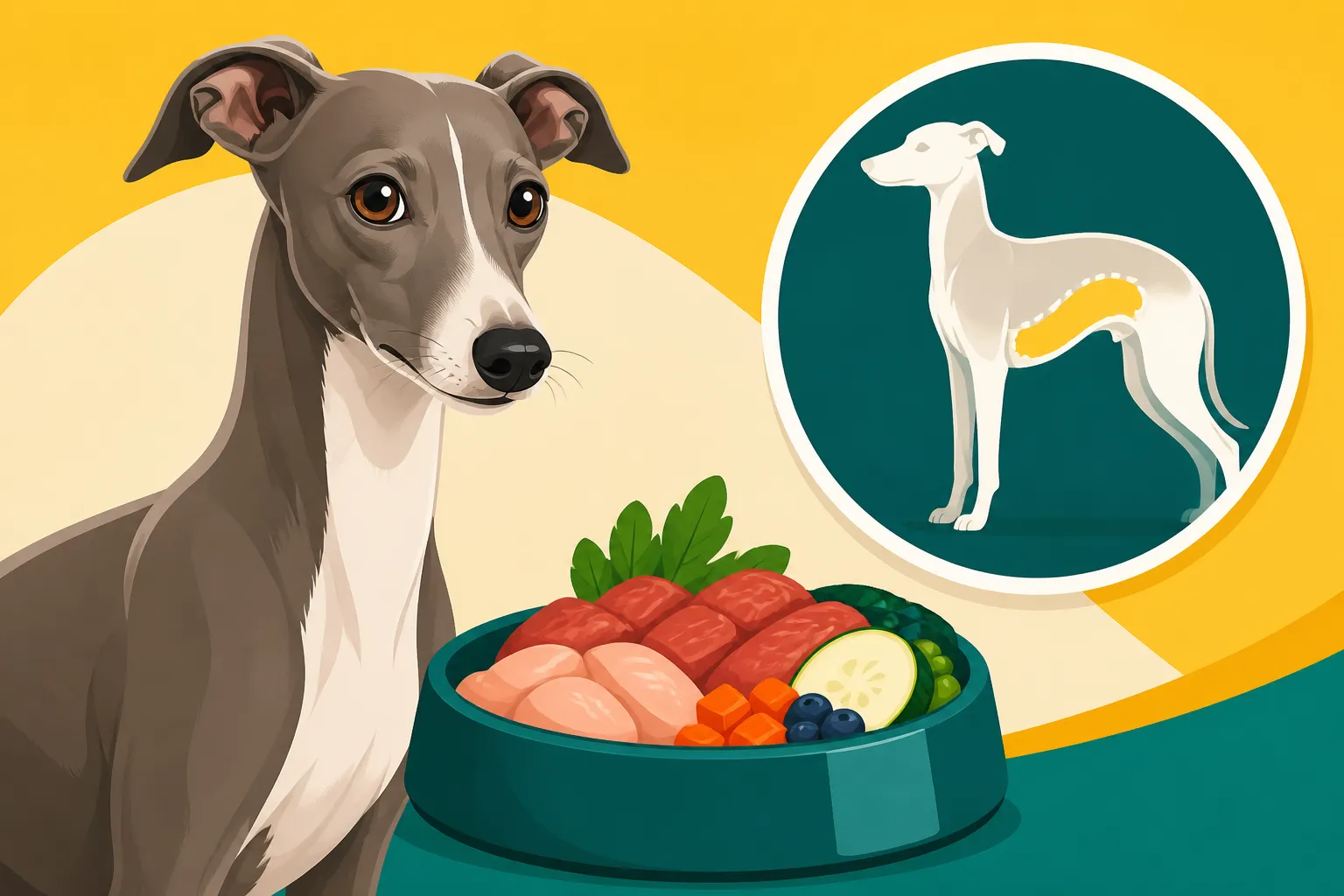
This ancient diet suggests that modern Iggies generally thrive on foods with high-quality animal protein sources. Chicken, turkey, lamb, and fish are often well-tolerated and provide the essential amino acids needed for their strong, lean muscles. While carbohydrates are necessary for energy, the type and quantity matter. Highly processed grains or excessive fillers can sometimes lead to digestive upset or contribute to an unwanted inflammatory response in their sensitive systems. Opting for digestible carbs like sweet potatoes, peas, or brown rice can be beneficial.
Furthermore, their relatively small size and delicate frame mean that anything that causes inflammation or digestive stress can have a more pronounced effect. A diet that supports gut health and minimizes allergens is often preferred. This isn't to say every Italian Greyhound needs a specialized, exotic diet, but it does mean being mindful of ingredients and opting for quality over quantity when it comes to their food. Understanding this ancestral connection helps us make more informed decisions about what goes into their bowl today.
Choosing the Right Food for Your Italian Greyhound
With so many dog food options on the market, it can feel overwhelming to pick the "right" one for your Italian Greyhound. The key is to remember their unique needs: lean body mass, high metabolism, and often sensitive digestion. It's not about the most expensive food, but the most appropriate one that provides balanced nutrition tailored to their specific physiology.
Navigating Kibble Options: Small Breed vs. All Life Stages
The debate between small breed specific kibble and all life stages formulas is a common one for Italian Greyhound owners. Small breed kibbles are designed with smaller mouth sizes in mind, making them easier for an IG to chew. More importantly, they often have higher calorie densities per kibble piece, which can be beneficial for a dog with a fast metabolism and tiny stomach that can't hold huge volumes. This concentrated nutrition helps ensure they get enough fuel without needing to eat excessive amounts of food. You might wonder Whether an Italian Greyhound Needs Small Breed Kibble, and often the answer leans towards yes for convenience and nutritional density.
However, not all small breed formulas are created equal. Some may contain more fillers or less digestible ingredients. When evaluating small breed kibble, look for real meat as the first ingredient, followed by digestible carbohydrates and healthy fats. Avoid artificial colors, flavors, and excessive amounts of questionable by-products. Companies like Royal Canin or Hill's Science Diet offer breed-specific or small-breed formulas that many owners find suitable. For a broad selection and easy comparison, many owners turn to online retailers like Chewy, which allows you to filter by size and specific nutritional needs.
On the other hand, many high-quality "all life stages" kibbles can also be excellent choices, especially those from reputable brands known for their balanced nutrition. These often contain premium ingredients and are formulated to meet the needs of dogs at any life stage, provided the portion sizes are adjusted. The main challenge here might be kibble size, which can sometimes be too large for an Italian Greyhound's delicate mouth, leading to them swallowing pieces whole, which isn't ideal for digestion or dental health. If you opt for an all life stages formula, make sure the kibble pieces are appropriately small.
The Role of Protein and Fat in an Italian Greyhound's Diet
For a lean, athletic breed like the Italian Greyhound, protein is paramount. It's the building block for their strong muscles and contributes significantly to their overall health, including immune function and coat quality. Look for dog foods that list a high-quality animal protein (like chicken, lamb, beef, or fish) as the first and often second ingredient. A protein content of around 25-30% on a dry matter basis is generally a good target for adult Iggies.
Fat, while often demonized in human diets, is crucial for Italian Greyhounds. As we've discussed, they have very little natural body fat, so dietary fat is a concentrated source of calories and essential fatty acids. These fatty acids (like Omega-3 and Omega-6) are vital for healthy skin and a shiny coat, and they play a role in joint health and cognitive function. A fat content of around 15-20% is typically appropriate. Too little fat, and your IG might struggle to maintain weight and energy levels; too much, and it could lead to digestive upset or undesirable weight gain on their delicate frame.
It's important to differentiate between healthy fats and unhealthy fillers. Look for sources like chicken fat, salmon oil, or flaxseed. Avoid foods with excessive amounts of rendered fats from ambiguous sources. The balance of protein and fat needs to support their high metabolism and energy output without overloading their digestive system. A food rich in both will help your Italian Greyhound thrive, providing the necessary fuel for their zoomies and the building blocks for their slender muscles.
Considering Wet Food, Raw, or Freshly Prepared Diets
Beyond dry kibble, there's a growing array of wet, raw, and freshly prepared food options, each with its own set of pros and cons for an Italian Greyhound. Wet food is often highly palatable, which can be a huge plus for picky eaters. Its higher moisture content can also contribute to hydration. However, it's typically less calorically dense than kibble, meaning you need to feed larger volumes to meet energy needs, and it can be more expensive. It's often used as a topper or mixed with kibble to increase palatability.
Raw feeding (BARF – Biologically Appropriate Raw Food or PMR – Prey Model Raw) aims to mimic a dog's ancestral diet. Proponents believe it leads to better coat health, cleaner teeth, and improved digestion. For an Italian Greyhound, a well-balanced raw diet can provide excellent nutrition, but it requires diligent research and careful preparation to ensure it's complete and balanced, avoiding nutritional deficiencies or excesses. This often means consulting with a veterinary nutritionist experienced in raw feeding. Pre-made raw diets are available, often found through specialized pet stores or online.
Freshly prepared or "human-grade" dog food services have gained popularity, offering convenient, balanced meals made with ingredients similar to those you'd find in your own kitchen. Brands like Ollie prepare and deliver fresh, pre-portioned meals, which can be a fantastic option for Italian Greyhounds. The palatability is usually very high, and the quality of ingredients can be superior, often leading to better digestion and coat health. The main drawback is typically the cost, which is higher than kibble. However, for a breed with specific needs and a tendency towards pickiness, the investment can be well worth it. Many owners find these options excellent for ensuring their Iggies are getting optimal nutrition without the fuss.
Determining the Right Portion Sizes and Feeding Schedule
Feeding an Italian Greyhound isn't as simple as scooping out a generic portion size listed on the back of a bag. Their unique metabolism, lean body mass, and activity levels mean that finding the just right amount of food is a personalized endeavor. It's about constant observation and adjustment.
Why "Recommended Guidelines" Don't Always Apply to Iggies
You've probably seen the feeding charts on dog food bags, suggesting X cups for a dog weighing Y pounds. For many breeds, these are reasonable starting points. But for an Italian Greyhound, with their exceptional leanness and high metabolism, these guidelines can be notoriously inaccurate. An Italian Greyhound might weigh, say, 10 pounds, but their caloric needs could be significantly higher than a 10-pound fluffy dog, simply because they burn calories faster and have less fat for insulation. Conversely, a less active IG might gain weight on a standard portion. How Much an Adult Italian Greyhound Eats delves deeper into these variations.
Their inherent cold sensitivity also plays a role. In colder months, or if they spend more time in a cool environment, their bodies will naturally burn more calories trying to stay warm. If their food intake doesn't increase slightly to compensate, they can quickly become underweight. It's a delicate dance of monitoring their environment, activity, and body condition, rather than adhering strictly to a static chart.
Furthermore, these guidelines don't account for individual differences in metabolism. Just like people, some Italian Greyhounds are naturally more efficient at utilizing calories, while others are little furnaces burning through everything. Relying solely on a chart can lead to either an underweight, shivering dog or one that's carrying too much weight, putting strain on their delicate bones. It's crucial to use the bag's recommendations as a very rough starting point and then let your dog's actual body condition guide your adjustments.
How to Assess Your Italian Greyhound's Body Condition
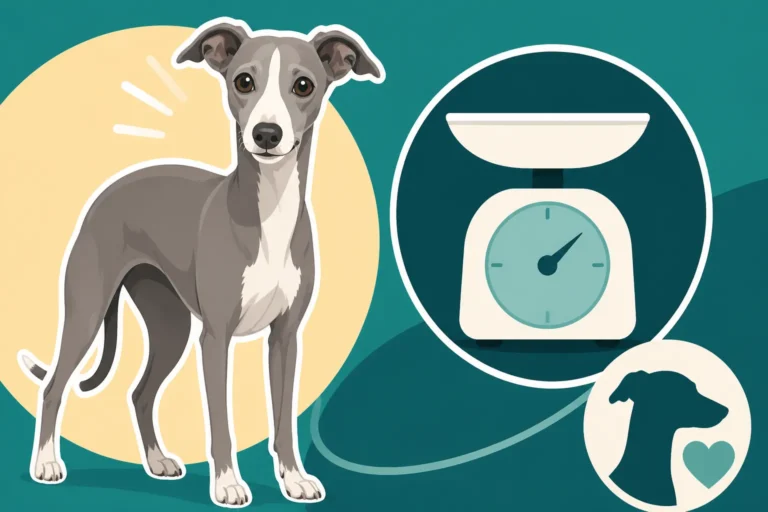
Since standard weight charts can be misleading, learning how to visually and physically assess your Italian Greyhound's body condition is your best tool. You want your IG to be lean, but not emaciated. When you look at your Italian Greyhound from above, you should see a definite waist, an hourglass shape, tucking up from the ribs to the hips. From the side, their abdomen should tuck up sharply from their chest.
When you run your hands along their sides, you should be able to easily feel their ribs, almost like feeling the knuckles on your hand, but they shouldn't be sharply prominent or visible without touching. You should also be able to feel their hip bones and the points of their shoulders, but again, these shouldn't be bony or stick out excessively. If you can clearly see every rib, every vertebra, and their hip bones protrude sharply, your Italian Greyhound is likely too thin and needs more food. If you can't easily feel their ribs, or they have a very round appearance from above and no abdominal tuck, they are likely overweight.
Monitoring their body condition regularly, perhaps once a week, allows you to make subtle adjustments to their food intake. A small increase or decrease in food, just a tablespoon or two, can make a significant difference over time for these small, delicate dogs. It's a skill that takes practice, but it's invaluable for ensuring your IG is at its ideal weight. For a more detailed guide, see What an Italian Greyhound Weighs and How to Tell If It Is Right and also check Signs an Italian Greyhound Is Underweight and Signs an Italian Greyhound Is Overweight.
Establishing a Consistent Feeding Routine
Consistency is key when it comes to feeding any dog, but especially an Italian Greyhound. Their sensitive digestive systems and often discerning appetites benefit from a predictable schedule. Most adult Italian Greyhounds do well on two meals a day, typically morning and evening. This helps regulate their metabolism, prevents them from getting excessively hungry, and makes housetraining easier if they're still learning or prone to indoor accidents.
Feeding at consistent times each day helps establish a routine, which can be particularly reassuring for anxious or schedule-sensitive Iggies. It also allows you to better monitor their intake and output. If your dog suddenly refuses a meal or has digestive issues, a consistent schedule helps you pinpoint when things went off track. For puppies, more frequent small meals are necessary, often three or four times a day, to support their rapid growth and tiny stomachs.
Beyond when you feed, where you feed also matters. A quiet, designated feeding area, away from the hustle and bustle of household traffic, can help a shy or easily distracted Italian Greyhound eat more comfortably. Some Iggies prefer to eat from raised bowls, which can be more comfortable for their long necks, though not strictly necessary. Whatever your routine, sticking to it helps build healthy eating habits and makes mealtime a positive, stress-free experience for your lean companion.
Addressing Common Feeding Challenges
Italian Greyhounds, despite their delicate appearance, can present some surprisingly common and persistent feeding challenges. From picky eating to opportunistic counter surfing, managing their mealtime habits requires patience, understanding, and sometimes a bit of creative problem-solving.
The Picky Eater: Strategies for Encouraging Appetite
"Picky" is a word many Italian Greyhound owners know intimately when it comes to food. It's not uncommon for an IG to turn up their nose at a perfectly good bowl of food, seemingly on a whim. This pickiness can stem from a variety of factors: their sensitive stomachs, a natural discerning palate, or even just being a bit spoiled (we've all been there!). This is thoroughly explored in Why an Italian Greyhound Refuses Its Dinner.
One strategy is to ensure the food is fresh and palatable. Dog food can go stale, especially if left out in the open. Storing kibble in airtight containers, away from heat and light, helps preserve its flavor and nutrition. Warming wet food or adding a little warm water to kibble can also release aromas, making it more appealing. For some Iggies, a dash of plain cooked chicken broth or a spoonful of plain yogurt can work wonders as a topper.
Another approach is to limit options and avoid free-feeding. If your Italian Greyhound knows a better-tasting alternative or human food is always available, they might hold out for that. Offer their meal for 15-20 minutes, then pick it up. They'll learn that mealtime is finite. If medical issues are ruled out, a healthy dog will not starve itself. For truly stubborn eaters, especially those on specific diets, exploring fresh food options like those from Ollie or even making your own balanced meals (with veterinary guidance) can be a game-changer for palatability. Remember, patience is key, and avoid constantly changing foods, as this can exacerbate pickiness and digestive upset.
Managing Rapid Eaters and Bloat Concerns
While Italian Greyhounds are typically more prone to picky eating, some can be rapid eaters, gobbling down their food as if it's their last meal. While bloat (gastric dilatation-volvulus or GDV) is a devastating condition, it's thankfully rare in Italian Greyhounds due to their small size and chest conformation. However, eating too quickly can still lead to indigestion, gas, and discomfort.
For an Italian Greyhound who eats too fast, slowing down their mealtime can improve digestion and reduce air intake. Slow feeder bowls are excellent tools for this. These bowls have various ridges and obstacles that make your dog work a little harder to get each mouthful, significantly extending mealtime. You can find a wide variety of slow feeder bowls on platforms like Amazon or Chewy. Another simple trick is to spread their kibble across a wide, flat baking sheet, forcing them to take more time to pick up each piece.
Splitting their daily food allowance into two or even three smaller meals, rather than one large one, can also help. This reduces the volume of food ingested at any one time, making it easier on their digestive system. Even if bloat isn't a primary concern, ensuring calm, measured eating habits contributes to overall digestive health and comfort for your sensitive Italian Greyhound.
Dealing with Food Stealing and Counter Surfing
Despite their generally refined demeanor, Italian Greyhounds can be surprisingly opportunistic food thieves and accomplished counter surfers. Their intelligence, combined with their ability to jump and climb, means that any food left unattended, especially human food, is fair game. This can be frustrating, and potentially dangerous if they get into something toxic.
Prevention is the best approach. Never leave food unattended on counters, coffee tables, or dining tables where your Italian Greyhound can reach it. Remember, they can jump much higher than you'd expect and are incredibly agile. Even a quick trip to the other room can be an opportunity for a nimble IG. Crating your Italian Greyhound or confining them to a safe, dog-proofed area during mealtimes or when you're preparing food can prevent these behaviors.
Training also plays a crucial role. Teaching a solid "leave it" command can be invaluable, though it requires consistent practice. Reward them heavily for ignoring tempting food, and always ensure they have their own appropriate toys and chew items to redirect their attention. If they are consistently successful at stealing food, the behavior becomes self-rewarding and much harder to break. It's also important that everyone in the household is on board with not leaving food within reach, as even one slip-up can reinforce the habit. Italian Greyhounds are clever, and they remember where the good stuff is.
Supplements and Treats: What's Necessary and What's Not
When it comes to enhancing your Italian Greyhound's diet, the world of supplements and treats can be a minefield of conflicting information. For a breed with unique needs, it's important to be discerning, prioritizing what genuinely supports their health without adding unnecessary ingredients or calories.
Essential Nutrients and When Supplements Might Be Considered
A high-quality, complete, and balanced dog food should, in theory, provide all the essential nutrients your Italian Greyhound needs. These include proteins, fats, carbohydrates, vitamins, and minerals. If you're feeding a premium kibble, wet food, or a well-formulated fresh/raw diet, additional supplementation is often unnecessary and can even be detrimental if it unbalances the diet. Over-supplementation, especially of vitamins like A and D, can lead to toxicity.
However, there are specific scenarios where supplements might be considered, always under the guidance of your veterinarian. For an aging Italian Greyhound, joint supplements containing glucosamine and chondroitin could be beneficial to support cartilage health, especially if they've had previous injuries or show signs of arthritis. Omega-3 fatty acid supplements (fish oil) can be helpful for skin and coat health, reducing inflammation, and supporting cognitive function, particularly if their primary diet is low in these. Similarly, a probiotic might be recommended if your IG has a sensitive stomach or frequent digestive upsets.
It's critical to avoid the temptation to add various supplements without professional advice. Your veterinarian can assess your Italian Greyhound's specific health status, diet, and lifestyle to determine if any deficiencies exist or if a supplement could genuinely offer a therapeutic benefit. Remember, a blanket approach to supplements is rarely effective and can sometimes do more harm than good.
Choosing Healthy Treats That Won't Pack on Unwanted Pounds
Treats are a wonderful way to bond with your Italian Greyhound, aid in training, and provide enrichment. However, with their delicate frames and propensity to gain weight disproportionately, choosing the right treats is vital. Many commercial treats are high in calories, sugars, and questionable ingredients, which can quickly lead to an overweight IG.
Opt for low-calorie, healthy treats. Small pieces of cooked lean meat (chicken, turkey), plain vegetables (carrots, green beans, broccoli florets), or fruits (apples without seeds, blueberries) make excellent, nutritious rewards. Many Iggies adore these natural options. For commercial treats, look for those specifically labeled "low calorie" or "training treats" and ensure they are very small. Always check the ingredient list to avoid artificial additives and excessive fillers. Brands found on Chewy or Amazon often have clear nutritional information to help you make informed choices.
Remember the "10% rule": treats should make up no more than 10% of your Italian Greyhound's total daily caloric intake. If you're giving a lot of treats, especially during training, reduce their main meal accordingly. This meticulous approach helps maintain their lean body condition while still allowing for the joy of treats.
Debunking Calcium Myths for Bone Health
A common concern, especially given the Italian Greyhound's propensity for leg fractures, is bone health. This often leads owners to wonder if they should supplement with extra calcium. However, this is a dangerous myth that needs to be debunked: supplementing a healthy Italian Greyhound with extra calcium is generally not beneficial and can actually be harmful, particularly for puppies. Whether an Italian Greyhound Puppy Needs Extra Calcium is an important read on this topic.
Commercial dog foods, especially those formulated for puppies or all life stages, contain precisely the right amount of calcium and phosphorus in the correct ratio for optimal bone development and maintenance. Adding extra calcium can disrupt this delicate balance, leading to skeletal abnormalities, especially in growing puppies. It can interfere with the absorption of other vital minerals and contribute to conditions like osteochondrosis.
The primary reason Italian Greyhounds are prone to fractures is their fine bone structure and relatively long, slender limbs, not a calcium deficiency. Their bones, particularly the radius and ulna in the front legs, are simply more delicate than those of other breeds. Protecting them involves careful handling, preventing jumps and falls, and ensuring they have appropriate footing, not dietary calcium supplements. Always consult your veterinarian if you have concerns about your Italian Greyhound's bone health; they can provide accurate, evidence-based advice.
Special Dietary Considerations Throughout an Italian Greyhound's Life
An Italian Greyhound's nutritional needs aren't static; they evolve significantly as they move through puppyhood, adulthood, and into their senior years. Adjusting their diet at each stage is crucial for supporting their changing bodies and maintaining optimal health.
Feeding an Italian Greyhound Puppy for Healthy Growth
Italian Greyhound puppies are tiny bundles of energy, and their rapid growth spurt requires careful nutritional management. The goal is steady, healthy growth, not accelerated growth, which can put undue stress on their developing bones and joints. High-quality puppy food specifically formulated for small breeds is generally the best choice. These foods typically have higher protein and fat content to meet the intense energy demands of a growing puppy, along with appropriate calcium and phosphorus levels.
Puppies need to be fed more frequently than adults, often three to four small meals a day, to support their fast metabolism and small stomach capacity. This helps prevent dips in blood sugar (hypoglycemia), which small breed puppies are prone to. Monitor their body condition closely; they should be lean and athletic, with palpable but not overly prominent ribs. Overfeeding a puppy can lead to excessive weight gain that strains their developing skeleton, while underfeeding can stunt growth and compromise their immune system.
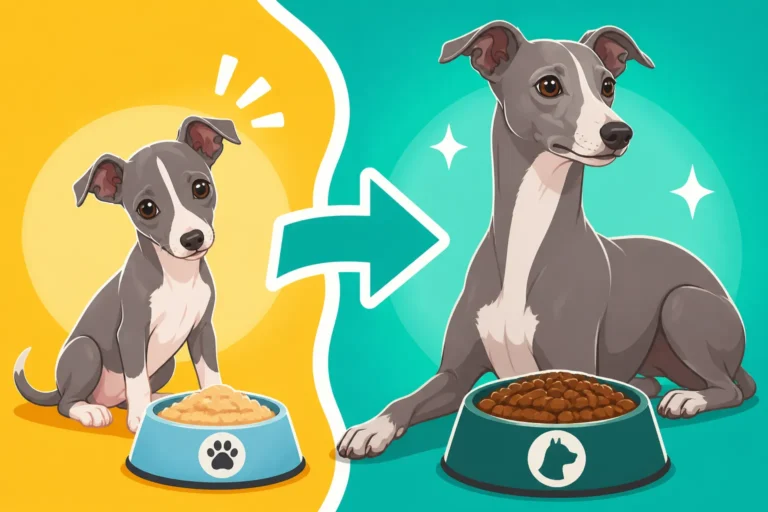
Transitioning a puppy to a new food should always be done gradually over 7-10 days to avoid digestive upset. Start by mixing a small amount of the new food with their old food, slowly increasing the proportion of new food each day. This is especially important for Italian Greyhounds, who often have sensitive stomachs. Ensure fresh water is always available. The first year with an Italian Greyhound puppy is a time of immense growth and learning, and their diet is foundational to their future health.
Adjusting Diet for Senior Italian Greyhounds
As Italian Greyhounds gracefully enter their senior years, typically around age 8-10, their dietary needs begin to shift. While they are known for their longevity, often living 14-15 years, their bodies inevitably change. Their metabolism may slow down, they might become less active, and their digestive efficiency can decrease. This means their caloric needs might decrease, or they might require more easily digestible nutrients. See Caring for an Italian Greyhound Past Eleven for more on senior care.
Many senior Italian Greyhounds benefit from a senior-specific dog food. These formulas typically have slightly lower calorie and fat content to prevent unwanted weight gain, and often contain increased fiber to support digestive health. They may also include joint-supporting ingredients like glucosamine and chondroitin, or higher levels of Omega-3 fatty acids for cognitive and joint health. If your senior IG becomes a bit pickier, warming their food or adding a palatable topper can help encourage eating.
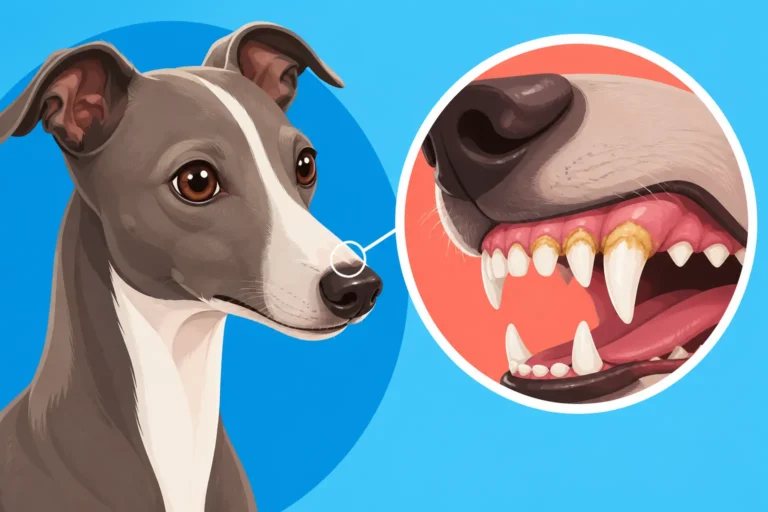
Dental health becomes even more critical in older Italian Greyhounds, as Periodontal Disease Is the Italian Greyhound's Most Common Diagnosis is a very real concern for this breed. If they have missing teeth or a sore mouth, transitioning to wet food or soaking kibble can make eating more comfortable. Regular veterinary check-ups are essential to monitor their weight, dental health, and overall condition, allowing for timely dietary adjustments.
Managing Weight for Overweight or Underweight Iggies
Maintaining an Italian Greyhound's ideal weight is a lifelong commitment. Both being overweight and underweight pose significant health risks for this breed. An overweight Italian Greyhound is at increased risk for joint problems, heart strain, and diminished agility, making them less comfortable and potentially shortening their lifespan. Even a pound or two can make a big difference on their small frame.
For an overweight IG, the solution involves two main components: reducing calorie intake and increasing appropriate exercise. Gradually reduce their daily food portion, focusing on their main meals rather than just cutting treats. Switch to lower-calorie treats, or use vegetables. Increase their daily walks and playtime, but ensure any new exercise regimen is introduced slowly to avoid injury. Consult your vet to rule out underlying medical conditions and to develop a safe weight loss plan.
Conversely, an underweight Italian Greyhound needs more calories, but it's not simply about piling on food. First, rule out medical issues such as parasites, dental problems, or underlying illnesses with your vet. Once cleared, gradually increase their daily food intake. This might mean adding a small extra meal, slightly increasing their current portions, or incorporating high-calorie, digestible toppers like cooked chicken, a bit of cottage cheese, or a spoonful of pumpkin. For a truly skinny Italian Greyhound, choosing a food with higher fat and protein content, perhaps even a puppy formula for a short period, can help them safely gain weight. Monitoring their body condition weekly is vital to ensure they are gaining at a healthy rate.
Summary Table of Italian Greyhound Feeding Considerations
| Aspect | Consideration | Rationale |
|---|---|---|
| Body Fat Percentage | Naturally ~17% body fat | Very lean, minimal insulation, high metabolism. |
| Cold Sensitivity | Extremely prone to cold | Lack of fat means more energy spent on thermoregulation; diet impacts comfort. |
| Protein Content | High-quality animal protein (25-30% dry matter) | Supports lean muscle mass, high energy, and overall health. |
| Fat Content | Moderate-to-high healthy fats (15-20% dry matter) | Concentrated energy source, essential fatty acids for skin/coat, warmth. |
| Kibble Size | Small breed kibble preferred | Easier to chew, higher caloric density for small stomachs. |
| Feeding Schedule | 2 meals/day (adults), 3-4 meals/day (puppies) | Consistent routine, prevents hunger dips, aids digestion. |
| Body Condition Check | Feel ribs, observe waist/tuck-up weekly | More accurate than weight charts due to unique build. |
| Treats | Low-calorie, natural options (veg, lean meat) | Avoid excess calories on a delicate frame; max 10% daily intake. |
| Calcium Supplements | Generally NOT recommended | Balanced diet provides sufficient calcium; excess can be harmful, especially for puppies. |
| Dental Health | Crucial consideration, especially with age | Prevents pain, allows comfortable eating; may require softer foods later. |
| Senior Diet | Adjust for slower metabolism, potential joint support | Prevents weight gain, aids digestion, addresses age-related needs. |
Disclaimer
This article is for general informational purposes only and does not constitute professional advice. Laws, prices and regulations vary by location and change over time. Consult a qualified professional for guidance on your specific situation.