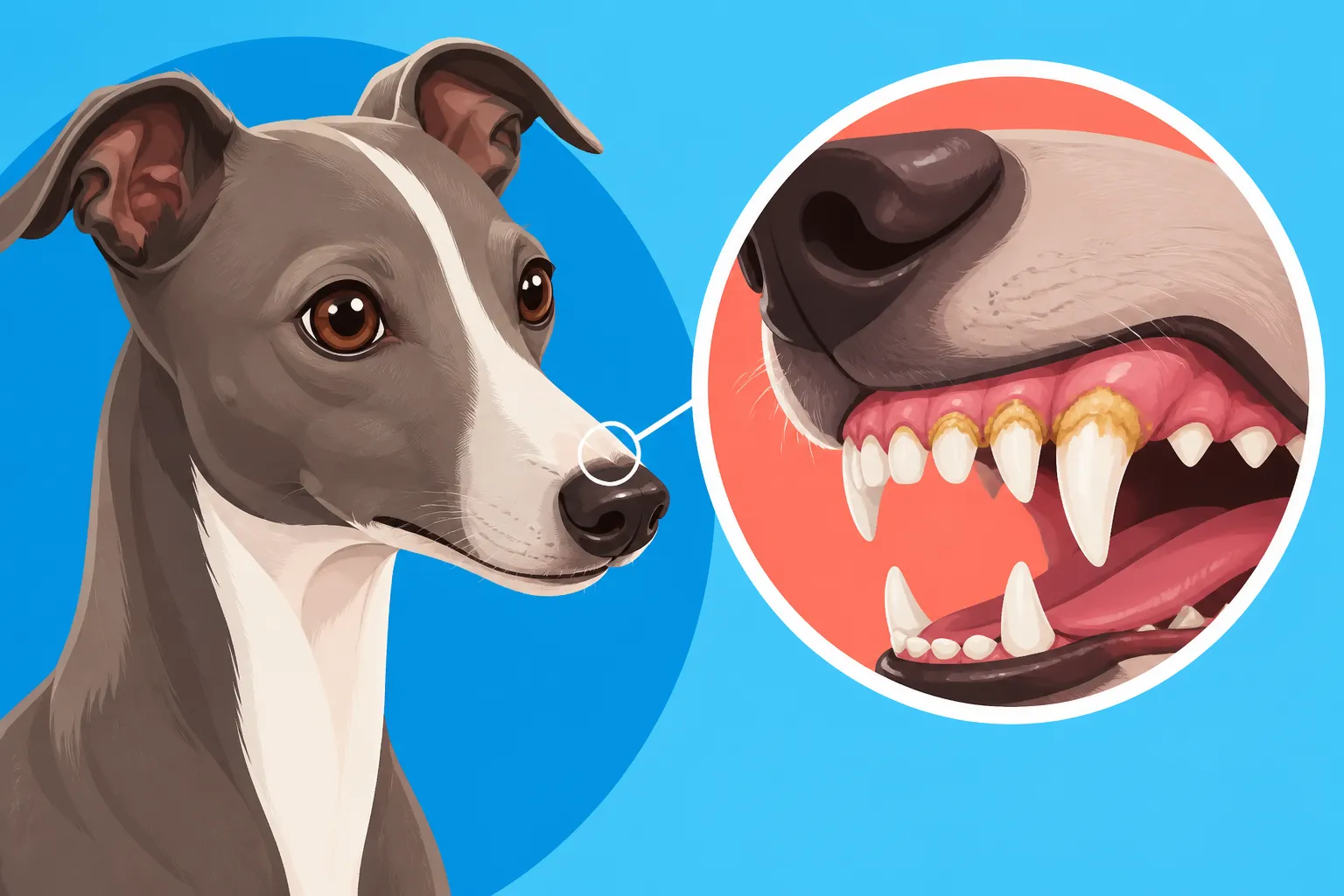
Where an Italian Greyhound’s Tartar Builds First
Oh, the infamous Italian Greyhound smile! We all love those long, graceful muzzles, but they come with a hidden challenge: dental health. It's a sad truth that our beloved Iggys are practically predisposed to dental issues, and tartar buildup is often the first villain to arrive on the scene. If you've ever peered into your Italian Greyhound's mouth, wondering where to even begin with dental care, or if you're just starting to notice that tell-tale yellowish film, this guide is for you. We're going to dive deep into exactly where that sneaky tartar loves to take root first, why it happens, and what you can do about it to keep those pearly whites (or what's left of them!) sparkling.
The Canine Dental Landscape: Understanding Where Tartar Takes Hold
When you think about tartar, you probably picture a general yellowing of the teeth. But it's rarely uniform, especially in a breed like the Italian Greyhound. Tartar, which is essentially hardened plaque, prefers certain areas of the mouth over others. It’s like a tiny, calcified unwelcome guest that sets up camp where it can cling most easily and where mechanical cleaning (like chewing on toys or certain foods) is least effective. Understanding these prime real estate spots is the first step in effective preventative care.
The Back Molars and Premolars: The Hidden Battleground
For many dogs, including our delicate Italian Greyhounds, the rear teeth – the molars and premolars – are often the first and worst places for tartar to accumulate. Think about it: these teeth are tucked away, harder to see without a good, thorough peek, and they often don't get the same kind of friction from chewing that the front teeth might.
When your Iggy chews, especially on softer foods or even some dental treats, the primary action might occur more towards the front or middle of the mouth. The very back teeth, particularly on the outer surfaces facing the cheek, can be somewhat neglected. Plaque forms here, a sticky biofilm of bacteria, food particles, and saliva. If this plaque isn't brushed away or removed, it starts to mineralize, hardening into tartar within a matter of days. Once it's tartar, brushing alone often isn't enough to remove it. This hidden buildup is particularly insidious because by the time you notice it, it's often quite advanced, possibly pushing against the gumline and leading to inflammation.
The Outer Surfaces of Teeth Near the Gumline: A Common Culprit
Regardless of whether it's the front or back teeth, tartar has a strong preference for the outer surface of the teeth, especially right where the tooth meets the gumline. This area is notoriously difficult to clean effectively, even with diligent brushing, if you don't know to target it specifically. The reason is simple: saliva, which contains minerals that contribute to tartar formation, pools around the gums. Add to that the constant presence of food particles and bacteria, and you have a perfect storm for plaque development.
In Italian Greyhounds, who often have very fine, delicate gums, this gumline tartar is particularly problematic. It acts as an irritant, leading to gingivitis – inflamed, red, and sometimes bleeding gums. If left unchecked, gingivitis progresses to Periodontal Disease Is the Italian Greyhound's Most Common Diagnosis, where the gums recede, bone loss occurs, and eventually, teeth become loose and fall out. The delicate nature of their mouths means this progression can happen shockingly fast, far quicker than in some other breeds.
The Incisors and Canines: Visible, But Still Vulnerable
While the back teeth and gumlines are often the first places for heavy buildup, don't overlook the incisors (the tiny front teeth) and the canines (the long, pointy ones). You might notice a yellow or brown stain on these teeth relatively early because they're so visible when your Iggy yawns or gives a little grin.
Tartar on the incisors often manifests as a thin, yellowish film, particularly on the upper teeth. These teeth might seem less prone because they're more exposed, but their small size and close proximity can still allow plaque to accumulate. The canines, with their deep roots and prominent surfaces, can also gather tartar, especially on the inner (tongue-facing) and outer (lip-facing) surfaces where brushing might miss. Many owners focus on the canines and visible incisors during quick checks, which is great for early detection, but remember that the bulk of the problem is usually brewing further back in the mouth.
Why Italian Greyhounds Are So Prone to Early Tartar Buildup
It's not just about poor hygiene, though that certainly plays a role. Italian Greyhounds, bless their hearts, are built in a way that makes them prime candidates for dental trouble. It’s a combination of genetics, jaw structure, and general physiology that sets them up for a battle against tartar from a young age. This susceptibility is one of the biggest challenges of owning this breed.
The Crowded Mouth Conundrum: Too Many Teeth, Too Little Space
One of the primary reasons Italian Greyhounds develop tartar so quickly and severely is their unique oral anatomy. They have a full set of 42 adult teeth, just like larger breeds, but they're packed into a much smaller, narrower jaw. This often leads to Why an Italian Greyhound's Teeth Crowd. When teeth are crowded, rotated, or too close together, they create tiny crevices and overlapping surfaces that are perfect traps for food particles and bacteria.
These tight spaces are incredibly difficult to clean, even with meticulous brushing. Imagine trying to floss between teeth that are practically fused together – it’s almost impossible. These areas become hotbeds for plaque development, and because they're so hard to reach, the plaque rapidly mineralizes into tartar. It's not uncommon to see significant tartar buildup in a young Italian Greyhound, sometimes even before they turn two years old, simply due to this anatomical predisposition. The Age an Italian Greyhound Starts Losing Teeth can sometimes even be accelerated by these structural issues.
The "Sighthound Mouth": Fine Bones and Delicate Gums
Beyond crowding, Italian Greyhounds, like other sighthounds, tend to have very fine bone structure, including their jawbones. Their gums are also often quite delicate and prone to inflammation. This means that when tartar does start to accumulate at the gumline, it can cause irritation and gingivitis much more rapidly than in a dog with more robust gum tissue.
The fine bone structure also contributes to a higher risk of complications once periodontal disease sets in. As the disease progresses and attacks the bone surrounding the teeth, Italian Greyhounds are more susceptible to jaw fractures during routine dental extractions, especially if the disease is advanced. This is a terrifying prospect for any owner and underscores the critical importance of proactive dental care. Why an Italian Greyhound's Jaw Can Break During Extraction is a real and serious concern for veterinary dentists treating Iggys.
Saliva pH and Diet Factors
While less about where tartar builds and more about how fast it builds, an individual dog's saliva chemistry and diet can also play a significant role. Some dogs naturally have more alkaline saliva, which can promote faster mineralization of plaque into tartar. While we can't change saliva pH, we can control diet.
A diet consisting solely of soft, wet food, while sometimes necessary, doesn't offer the same mechanical abrasion that kibble can, however minimal. While dry food isn't a magic bullet for dental health, the physical act of chewing can help reduce surface plaque to some extent, particularly on the grinding surfaces of the teeth. If your Italian Greyhound is on a soft food diet, perhaps due to a sensitive stomach or age, then daily brushing becomes even more non-negotiable. Even with dry food, those tiny, crowded teeth often don't get sufficient cleaning action to prevent buildup entirely.
Early Warning Signs of Tartar Buildup (Beyond Just Seeing It)
You might think you’ll spot tartar the moment it appears, but it’s often more subtle than a stark yellow or brown stain. Especially with Italian Greyhounds and their propensity for rapid dental decline, learning to recognize the earliest, almost imperceptible signs can be a game-changer for prevention and early intervention. Waiting until you see heavy, visible tartar often means the problem is already quite advanced.
The Tell-Tale Breath Test: What Bad Breath Really Means
One of the most common and often overlooked early warning signs of tartar buildup and impending dental disease is bad breath, or halitosis. Now, let’s be real, dog breath is rarely minty fresh. But if you notice a distinct, foul odor that's more than just "doggy," especially a strong, fetid, or rotting smell, it's a huge red flag. What Bad Breath Means in an Italian Greyhound is usually a sign of bacteria proliferating in the mouth, often due to plaque and tartar accumulation and the beginnings of gum inflammation.
This isn't just an unpleasant smell; it's a symptom. The bacteria responsible for that awful odor are the same ones driving the destruction of gum tissue and bone. Don't dismiss bad breath as just a normal part of having a dog. For an Italian Greyhound, it should prompt an immediate and thorough dental check. Early intervention, spurred by noticing bad breath, can prevent much more serious and costly problems down the line.
Red, Swollen, or Bleeding Gums: The Start of Gingivitis
Before tartar becomes heavily visible, its precursor, plaque, begins to irritate the gums. This irritation leads to inflammation, which is medically known as gingivitis. This is a reversible condition if caught early, but it’s the gateway to irreversible periodontal disease. Look closely at your Italian Greyhound’s gums. Are they a healthy salmon pink, or do they appear red, swollen, or puffy, particularly around the gumline where the teeth emerge?
Sometimes, you might even notice a thin red line right at the edge of the gums. During brushing or if your Iggy chews on a hard toy, you might see a tiny bit of blood. This bleeding is a definite sign of gum inflammation and should not be ignored. It means the delicate gum tissue is under attack. These subtle changes in gum color and texture are crucial early indicators that plaque and tartar are winning the battle in your Italian Greyhound’s mouth.
Behavioral Cues: Subtle Changes in Eating Habits or Chewing
Our stoic Italian Greyhounds are masters at hiding pain, making subtle behavioral changes even more important to notice. If your Iggy suddenly becomes pickier about food, drops kibble more often, or seems hesitant to chew on harder toys they once loved, it could be a sign of oral discomfort. They might favor one side of their mouth when chewing or simply eat more slowly.
Sometimes, they might even start rubbing their face with a paw or against furniture, attempting to alleviate discomfort. A decrease in enthusiasm for playtime or a general lethargy could also, in some cases, be linked to chronic pain from dental issues. Because dental pain can be constant and dull, it might not manifest as an acute, obvious yelp. Instead, it might be a gradual shift in their day-to-day habits. Pay close attention to these nuances; your Italian Greyhound might be quietly telling you their mouth hurts long before you see overt signs of dental disease.
Proactive Strategies: Preventing Tartar Where It Begins
Knowing where tartar likes to hide is incredibly empowering, because it means you can target those areas with precision. For Italian Greyhounds, prevention isn't just better than a cure; it's practically the only way to safeguard their long-term health and avoid painful, expensive dental procedures. It requires consistency and dedication, but it's one of the most loving things you can do for your delicate companion.
Daily Brushing: Your Most Powerful Weapon
There's simply no substitute for daily tooth brushing when it comes to preventing tartar buildup in Italian Greyhounds. And when we say daily, we mean it. The plaque that hardens into tartar can do so within 24-48 hours, so skipping days means you're already behind. You need to focus on those prime tartar zones: the outer surfaces of the back molars and premolars, and right along the gumline on all teeth.
Start by getting your Italian Greyhound comfortable with the process. Use a soft-bristled toothbrush designed for pets, or even a finger brush if that’s easier initially. Apply a pet-specific toothpaste – never human toothpaste, as it contains ingredients toxic to dogs. Many Iggys respond well to enzymatic toothpastes that help break down plaque. Focus on gentle, circular motions, ensuring the bristles reach the gumline. Even just 30-60 seconds of focused brushing can make a monumental difference. Brands like Virbac and CET offer excellent enzymatic toothpastes that you can find easily on Chewy or Amazon. Brushing an Italian Greyhound's Teeth Every Day is a habit that will pay dividends for their entire life.
Here's a quick guide to brushing your Iggy's teeth:
| Step | Action | Focus Area |
|---|---|---|
| 1. Gather Supplies | Pet-specific toothpaste (chicken or beef flavor often works best), soft-bristled dog toothbrush or finger brush. | N/A |
| 2. Introduce Toothpaste | Let your Iggy lick a tiny bit of toothpaste off your finger. Make it a positive experience! | N/A |
| 3. Lift the Lip | Gently lift your Iggy's upper lip to expose the teeth and gums. Praise and reward. | Outer surfaces of teeth, gumline. |
| 4. Angle the Brush | Hold the brush at a 45-degree angle to the gumline, with bristles pointing towards the gums. | Gumline, particularly on molars and premolars. |
| 5. Gentle Circular Motions | Brush in small, gentle circles on the outer surfaces of the teeth. Focus on a few teeth at a time, especially the back ones. | Outer surface of upper and lower molars/premolars, canines. |
| 6. Target the Gumline | Ensure the bristles are gently massaging the gumline to dislodge plaque. This is critical for preventing gingivitis. | Entire visible gumline, especially the cheek-facing side. |
| 7. Reward & Praise | Finish with enthusiastic praise, a small treat, or some playtime. Keep sessions short and positive, especially at first. | N/A |
Regular Veterinary Dental Check-ups and Professional Cleanings
Even with the most diligent home care, Italian Greyhounds will almost certainly need professional dental cleanings under anesthesia at some point in their lives, often starting relatively young. These cleanings are crucial because they allow the vet to remove tartar from beneath the gumline, polish the tooth surfaces, and conduct a thorough examination for issues like Retained Baby Teeth in an Italian Greyhound, periodontal pockets, and tooth resorptions. What Happens During an Italian Greyhound's Dental is far more comprehensive than any home care.
Your vet can tell you How Often an Italian Greyhound Needs a Dental Cleaning based on their individual oral health. For some Iggys, this might be yearly; for others, it could be every two years. Don't shy away from these procedures due to concerns about anesthesia. Modern veterinary anesthesia protocols, especially for sighthounds, are very safe. Your vet will perform pre-anesthetic bloodwork to ensure your Iggy is a good candidate, and they'll monitor them closely throughout the procedure. Why an Italian Greyhound's Dental Requires Anesthesia is because it's the only way to truly clean beneath the gumline and assess the entire mouth safely and thoroughly. Proactive dental care, including these professional cleanings, can significantly improve your Italian Greyhound's quality of life and potentially extend their lifespan. How Dental Disease Shortens an Italian Greyhound's Life is a very real consequence of neglected oral health.
Adjunctive Dental Aids: Use with Caution and Vet Guidance
While not a replacement for brushing or professional cleanings, certain dental aids can play a supportive role, especially if they are VOHC (Veterinary Oral Health Council) approved. These might include specific dental chews, water additives, or specialized dental diets.
For Italian Greyhounds, always choose dental chews carefully to ensure they are appropriately sized and soft enough not to risk a tooth fracture. Hard chews or bones are a definite no-go for their delicate teeth. Products like Greenies or VeggieDent from Chewy often have VOHC approval and can help with mechanical abrasion. Water additives, found on Amazon or Chewy, contain ingredients that help reduce bacteria in the mouth, but their effectiveness is limited without direct contact. Some prescription dental diets, like Hill's t/d or Purina DH, are designed with larger kibble that encourages chewing and has a scrubbing action, though their effectiveness can be limited for Iggys with severely crowded teeth. Always consult your veterinarian before introducing any new dental aid to ensure it's safe and appropriate for your Italian Greyhound. Whether Dental Chews Do Anything for an Italian Greyhound is a common question, and the answer is usually "some, but not enough on their own."
By understanding where tartar builds first and committing to a consistent dental routine, you can make a huge difference in your Italian Greyhound's oral health and overall well-being. It’s a commitment, yes, but those sweet, slightly-less-stinky kisses are absolutely worth it.
Disclaimer
This article is for general informational purposes only and does not constitute professional advice. Laws, prices and regulations vary by location and change over time. Consult a qualified professional for guidance on your specific situation.