When an Italian Greyhound’s Cut Needs Stitches
One of the most heart-stopping moments for any Italian Greyhound owner is discovering a cut or tear on their beloved dog's impossibly thin skin. Because their skin is so delicate and their body fat so minimal, even a seemingly minor scrape can quickly escalate into a gaping wound that might need more than just a bandage. This guide will walk you through how to assess an Italian Greyhound's cut, understand the signs that demand immediate veterinary attention, and ultimately, determine when stitches are absolutely necessary to ensure proper healing and prevent further complications.
Why Italian Greyhounds Are So Prone to Skin Lacerations
Italian Greyhounds, with their sleek, elegant build, possess a beauty that comes with a unique set of vulnerabilities. Their skin, in particular, is an area of constant concern for owners, often feeling as delicate as tissue paper. This isn't an exaggeration; it's a physiological reality that makes them prone to injuries other breeds might simply shake off.
The Anatomy of Delicate Skin
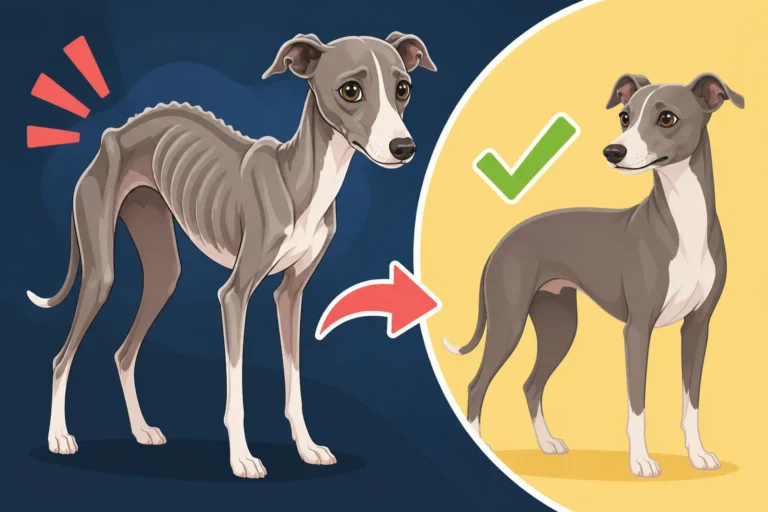
Unlike many breeds with thick, protective coats and ample subcutaneous fat, Italian Greyhounds have very fine, short hair and incredibly thin skin stretched tautly over their lean, muscular frames. They carry almost no body fat, which in other dogs acts as a natural cushion against bumps and scrapes. This lack of padding means there's very little barrier between the outside world and their delicate internal structures. Think of it this way: where a Golden Retriever might get a bruise, an Italian Greyhound is more likely to suffer a full-blown laceration. This is also why Why an Italian Greyhound's Skin Splits Instead of Bruising is a critical piece of knowledge for owners.
Common Scenarios Leading to Cuts
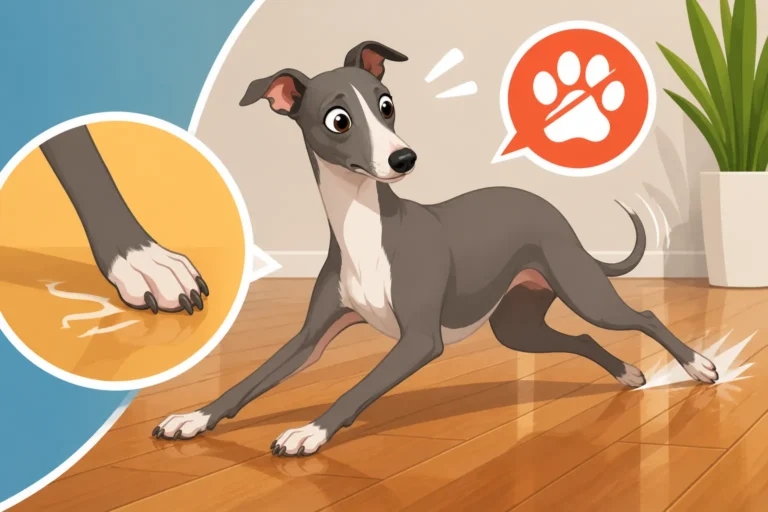
It often feels like these cuts appear out of nowhere, but they typically happen in scenarios that wouldn't faze a sturdier dog. A playful tumble with a bigger dog, brushing too close to a thorny bush on a walk, catching a nail on a doorframe, or even a sudden impact with a sharp corner of furniture can result in a significant tear. Indoors, their speed and agility, combined with their sometimes clumsy nature, can lead to running into chair legs or sliding on hard floors and scraping themselves. Even a rough scratch from their own nail can sometimes break the skin deeply enough to cause concern.
How to Assess a Cut on Your Italian Greyhound at Home
Finding a wound on your Italian Greyhound can send a jolt of panic through you, especially when you know how fragile their skin is. Before rushing to conclusions, take a deep breath and systematically assess the injury. Your initial evaluation will guide your next steps, whether that's immediate vet care or gentle home treatment.
Initial Inspection and Wound Depth
The very first thing to do is gently part the fur (what little they have!) around the wound and get a good look. Is it a superficial scrape, a puncture, or a clean linear cut? Pay close attention to the depth. A superficial scrape might just involve the top layer of skin, looking red and raw but not gaping. A deeper cut, however, will separate the skin edges, revealing underlying tissue. You might see fat, muscle, or even bone in severe cases. Look for any debris, like dirt, splinters, or glass, embedded in the wound. This initial inspection is crucial for understanding the severity.
Bleeding and Location
How much is it bleeding? A small cut might ooze a little, which can usually be controlled with gentle pressure. If the blood is gushing or pulsing, it suggests a larger vessel might be involved, indicating a more serious injury. The location of the wound is also incredibly important. Cuts on areas with less padding, like the legs, elbows, or joints, tend to be more critical because there's less tissue to protect vital structures and they are more prone to reopening with movement. Wounds over joints are particularly tricky because they are constantly stretched and pulled, making healing difficult without intervention.
Signs of Pain and Discomfort
Observe your Italian Greyhound's demeanor. Are they limping, refusing to put weight on a limb, or constantly licking or guarding the area? While IGs are notoriously stoic and excellent at hiding pain, obvious signs of distress are a huge red flag. Even subtle changes, like being less active, quieter, or hesitant to jump, could indicate significant discomfort. Trust your gut if your dog seems "off" in any way, as How an Italian Greyhound Hides Pain can be deceptive. A simple cut might cause minimal reaction, but a deep laceration will likely cause more pronounced changes in behavior.
Immediate First Aid for Italian Greyhound Skin Wounds
Once you've assessed the cut, providing immediate first aid is vital. This can help prevent infection, control bleeding, and prepare the wound for veterinary examination if necessary. Having a well-stocked first aid kit is paramount for any Italian Greyhound owner. For a full breakdown, check out What to Keep in a First Aid Kit for an Italian Greyhound.
Stopping Bleeding and Cleaning the Wound
Your first priority is to stop any active bleeding. Apply clean, firm pressure directly to the wound using a sterile gauze pad or a clean cloth. Maintain pressure for at least five to ten minutes without peeking, as interrupting the pressure can restart the clotting process. Once the bleeding is controlled, gently clean the wound. For this, a saline solution or a mild antiseptic wash (diluted povidone-iodine or chlorhexidine, not hydrogen peroxide or alcohol which can damage tissue) is best. Flush the wound thoroughly to remove any visible dirt or debris. You can find excellent wound care solutions and sterile supplies on sites like Chewy or Amazon. A pet-specific antiseptic spray can also be a lifesaver to have on hand.
Protecting the Wound
After cleaning, the goal is to protect the wound from further contamination and from your Italian Greyhound licking or chewing at it. Apply a thin layer of antibiotic ointment (specifically approved for dogs, or as directed by your vet) and cover the wound with a non-stick gauze pad, securing it with gentle self-adhering bandage wrap. Be very careful not to wrap too tightly, as this can cut off circulation. You should be able to slip two fingers comfortably under the bandage. For an Italian Greyhound, their delicate skin means even tape can cause damage, so choose self-adhering wraps designed for pets. Keeping the wound covered also reduces the temptation for your IG to interfere with the healing process, which can lead to infection or reopening of the wound.
When to Bypass Home Care and Head Straight to the Vet
While these first aid steps are crucial, some situations demand immediate professional attention. If the bleeding is severe and won't stop after 10-15 minutes of direct pressure, or if you suspect internal damage, don't delay. Deep wounds, especially those that expose muscle, fat, or bone, absolutely require veterinary assessment. Any wound that is wide open and gaping, or one where you can't bring the edges together easily, will likely need stitches. Puncture wounds, even if they seem small on the surface, can be deceptively deep and carry a high risk of infection. If your Italian Greyhound is showing extreme pain, lethargy, or other signs of shock, get to the emergency vet without hesitation.
Deciding When a Cut Needs Stitches: The Veterinary View
The decision to stitch a wound isn't always straightforward, even for a vet. It depends on several factors, and understanding these can help you communicate effectively with your veterinarian and feel more confident in the treatment plan. Italian Greyhounds, with their unique skin, often tip the scales toward needing intervention sooner rather than later.
Factors Influencing the Need for Stitches
Veterinarians consider several key factors when deciding on stitches (also known as sutures):
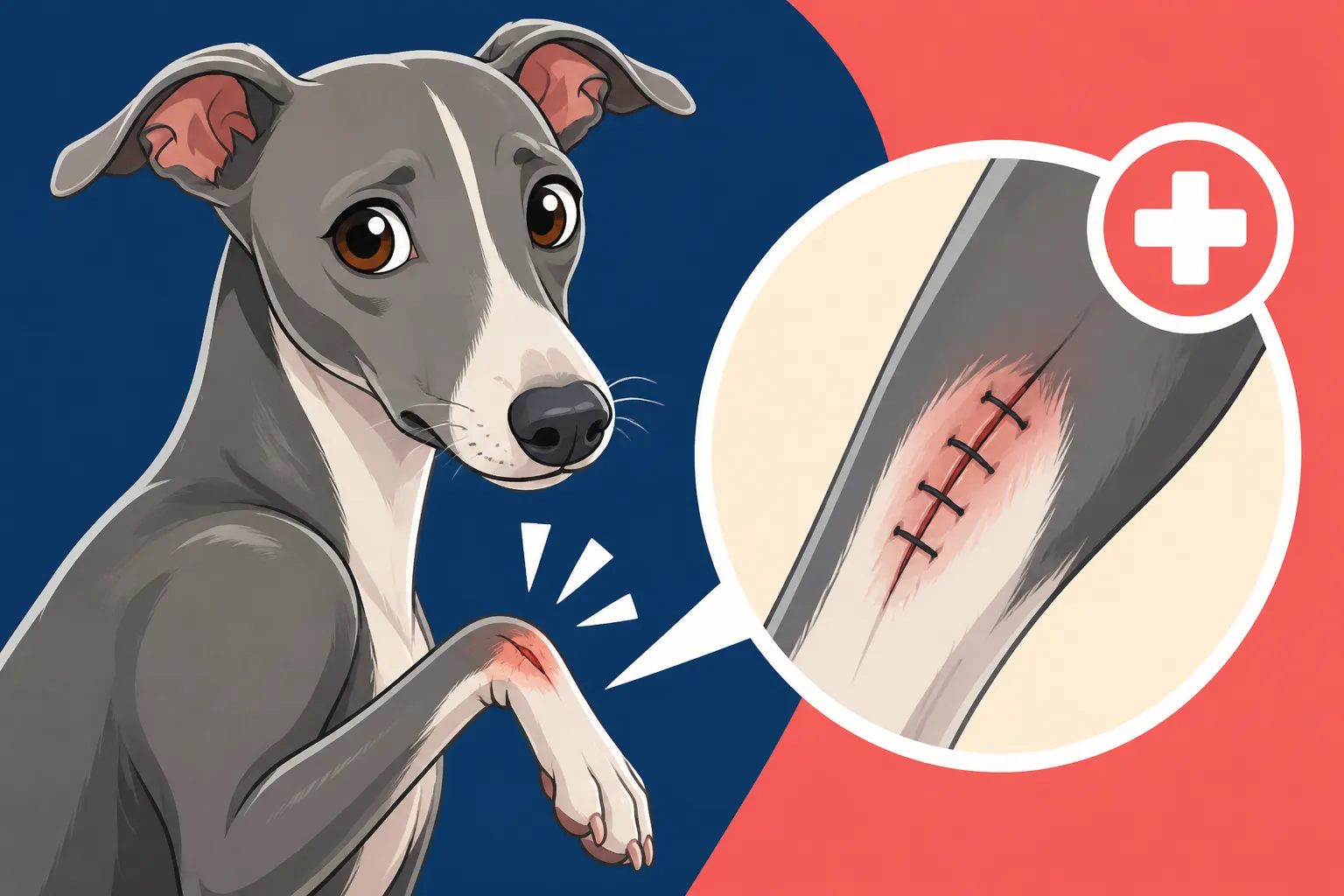
- Depth and Gaping: The most obvious indicator. If the wound goes through all layers of the skin and the edges are pulled apart, stitches are usually necessary to bring them back together. This promotes proper healing and minimizes scarring.
- Location: Wounds over joints, areas of high movement, or parts of the body with minimal tissue are often stitched to ensure they stay closed and heal without constant re-injury. The lower legs of an Italian Greyhound are classic examples.
- Contamination: Clean, fresh wounds are ideal for stitching. Heavily contaminated wounds or those with significant tissue damage may need thorough cleaning and debridement (removal of dead tissue) before stitching, or in some cases, might be left open to drain and heal by "second intention" if infection is a high risk.
- Time Since Injury: Stitches are most effective when applied within a few hours (ideally 6-8 hours, sometimes up to 24 hours depending on the wound) of the injury. Beyond this "golden window," the risk of infection increases significantly, and the wound might be better managed as an open wound.
- Tissue Viability: The health of the surrounding skin is important. If the skin edges are bruised, torn, or non-viable, they may need to be trimmed back before stitching.
For an Italian Greyhound, the thin skin often means wounds gape more easily and are less forgiving of being left to heal on their own.
The "Golden Window" for Wound Closure
There's a critical period after an injury during which a wound can be closed by primary intention (i.e., stitched directly). This "golden window" is typically within 6-8 hours, though some vets may extend it up to 24 hours for very clean, minimal trauma wounds. The reason for this window is bacterial contamination. After several hours, bacteria from the skin and environment multiply within the wound, increasing the risk of infection if the wound is then sealed up with stitches. If your Italian Greyhound's cut is deep and open, getting to the vet as quickly as possible within this timeframe greatly improves the chances of a successful, uncomplicated repair. Delaying can mean the difference between a simple stitch-up and a much longer, more complicated healing process.
| Wound Characteristic | Likelihood of Needing Stitches | Rationale |
|---|---|---|
| Deep, gaping, edges pulled apart | Very High | Promotes proper tissue alignment, reduces scarring, faster healing. |
| Superficial scrape | Very Low | Affects only top skin layers, heals well with topical care. |
| On a joint (knee, elbow) | High | Constant movement can pull edges apart, difficult to heal on its own. |
| Puncture wound | Low (but needs vet check) | Often deeper than it looks, risk of internal infection, but usually no gaping wound to stitch. |
| Clean, fresh (within hours) | High | Lower infection risk, ideal for primary closure. |
| Contaminated, older | Low (or delayed closure) | Higher infection risk if closed immediately; may need to heal open. |
| Excessive bleeding | Very High | Indicates larger vessel involvement, requires immediate control and repair. |
When Glue or Staples Might Be Used Instead
Sometimes, stitches aren't the only option. For small, clean, superficial cuts that don't gape much, veterinary tissue glue might be used. This creates a strong, flexible bond that holds the skin edges together. It's often quicker and less invasive than stitches, and the glue usually sloughs off as the wound heals. Staples are another option, particularly for longer, linear cuts where speed is a factor. They are often used for surgical incisions but can also be applied to traumatic wounds. Both glue and staples still require the same vigilant post-care as traditional stitches, including preventing licking and keeping the area clean. Your vet will decide the best method based on the specific characteristics of your Italian Greyhound's wound.
What to Expect at the Vet: Stitching and Beyond
Once you've made the decision to take your Italian Greyhound to the vet for a cut, it's helpful to know what the process entails. The goal is not just to close the wound, but to ensure it heals cleanly and thoroughly, which is especially important for their delicate skin.
Examination and Wound Preparation
Upon arrival, the veterinary team will thoroughly examine your Italian Greyhound and the wound. They'll assess the dog's overall health, looking for any signs of shock or other injuries. For the wound itself, they'll check its depth, contamination level, and the extent of tissue damage. Often, they'll need to clip the fur around the wound (even on an IG, sometimes those fine hairs get in the way!) to get a clear view and to prevent hair from getting into the wound during the procedure. This is followed by a meticulous cleaning and flushing of the wound to remove bacteria and debris. If there's any non-viable tissue, the vet will perform debridement, carefully trimming away dead or damaged skin to promote healthy healing. This cleaning and preparation phase is just as important as the stitching itself.
The Stitching Procedure
For most significant cuts, your Italian Greyhound will likely require some form of sedation or anesthesia for the stitching procedure. This ensures they remain still, comfortable, and pain-free, allowing the vet to do a precise job. Given their sensitivity to anesthesia, your vet will take extra precautions, possibly performing bloodwork beforehand to ensure they are a good candidate. Why Anesthesia Is Handled Differently in an Italian Greyhound is a very real concern for many owners. The vet will then use sterile instruments and suture material to carefully bring the skin edges together. They might use different types of stitches: some that dissolve under the skin, and some external ones that will need to be removed later. The technique chosen will depend on the wound's depth and location, aiming to minimize tension on the delicate IG skin.
Post-Stitch Care and Healing
The work doesn't stop once the stitches are in. Post-operative care is crucial for successful healing and preventing complications. Your vet will provide detailed instructions, which will almost certainly include preventing your Italian Greyhound from licking or chewing at the wound. This means an Elizabethan collar (the "cone of shame") or a protective recovery suit will be a non-negotiable part of their wardrobe for the next 10-14 days. You can often find comfortable, soft cones or recovery suits on Chewy or Amazon that are better tolerated than the traditional plastic ones.
You'll also need to keep the wound clean and dry, monitoring for any signs of infection such as redness, swelling, heat, pus, or a foul odor. Your vet might prescribe antibiotics or pain medication. Activity restriction is also vital, especially for wounds over joints; too much running or jumping can pull the stitches out. How Long an Italian Greyhound Takes to Heal a Fracture offers some perspective on general healing times, but stitches usually require 10-14 days before removal, with full tissue strength taking several weeks. Regular vet check-ups will be scheduled to monitor healing and remove external stitches. Be prepared for a cone after stitches (Whether an Italian Greyhound Needs a Cone After Stitches) as it's a critical part of their recovery.
Preventing Future Cuts on Your Delicate IG
While accidents can and do happen, there are many proactive steps you can take to minimize the risk of your Italian Greyhound suffering another skin laceration. Their delicate nature requires a heightened level of awareness and preparation from their human companions.
Environmental Safety Checks
Start by "IG-proofing" your home. Walk through your living spaces at their eye level, looking for potential hazards. Sharp furniture corners, exposed nails or screws, splintered wood, or even rough textures on flooring could be problematic. Consider adding corner protectors to coffee tables or sharp-edged furniture. Ensure all rugs are non-slip to prevent falls and skids. If you have a yard, regularly inspect it for hazards like broken branches, sharp rocks, or thorny plants. A securely fenced yard is a must for these agile escape artists, as they will chase anything that moves. For advice on overall safety, you might find tips in Setting Up a House an Italian Greyhound Cannot Break a Leg In, even though it focuses on leg breaks, many principles apply to general injury prevention.
Protective Gear and Supervision
When venturing outdoors, especially in unfamiliar environments or areas with potential brush, consider dressing your Italian Greyhound in protective clothing. A lightweight but durable coat or vest can offer an extra layer of defense against scrapes from branches or accidental contact. This is especially true for cooler weather, as Keeping an Italian Greyhound Warm Is Daily Work, Not a Winter Job often means they're already wearing a coat.
Supervision is your best tool. Never allow your Italian Greyhound to play unsupervised with larger, boisterous dogs who might accidentally step on or knock them over. Always keep them on a leash in unfenced areas, as their strong prey drive means they could bolt after a squirrel or rabbit without hesitation, potentially running into unseen dangers. Even at home, keeping a watchful eye during playtime can prevent many common accidents.
Regular Nail Trims and Health Maintenance
One often overlooked cause of skin tears is overgrown nails. Long, sharp nails can snag on carpets, furniture, or even their own skin, causing painful tears or avulsions. Regular nail trims are essential. If you're uncomfortable doing it yourself, your vet or a groomer can help. How Often an Italian Greyhound's Nails Need Trimming provides a good guide. Beyond nails, maintaining your Italian Greyhound's overall health and nutrition contributes to healthier skin. A balanced diet, perhaps with supplements for skin health if recommended by your vet, can support skin integrity. Brands like Ollie, while known for fresh food delivery, emphasize high-quality ingredients that contribute to overall well-being, including skin and coat health. While not a direct solution for cuts, good nutrition can play a supporting role in healing and preventing secondary issues.
By taking these proactive measures, you can create a safer environment for your Italian Greyhound, reducing the chances of those heart-stopping moments when you discover a new, alarming cut on their delicate skin.
Disclaimer
This article is for general informational purposes only and does not constitute professional advice. Laws, prices and regulations vary by location and change over time. Consult a qualified professional for guidance on your specific situation.