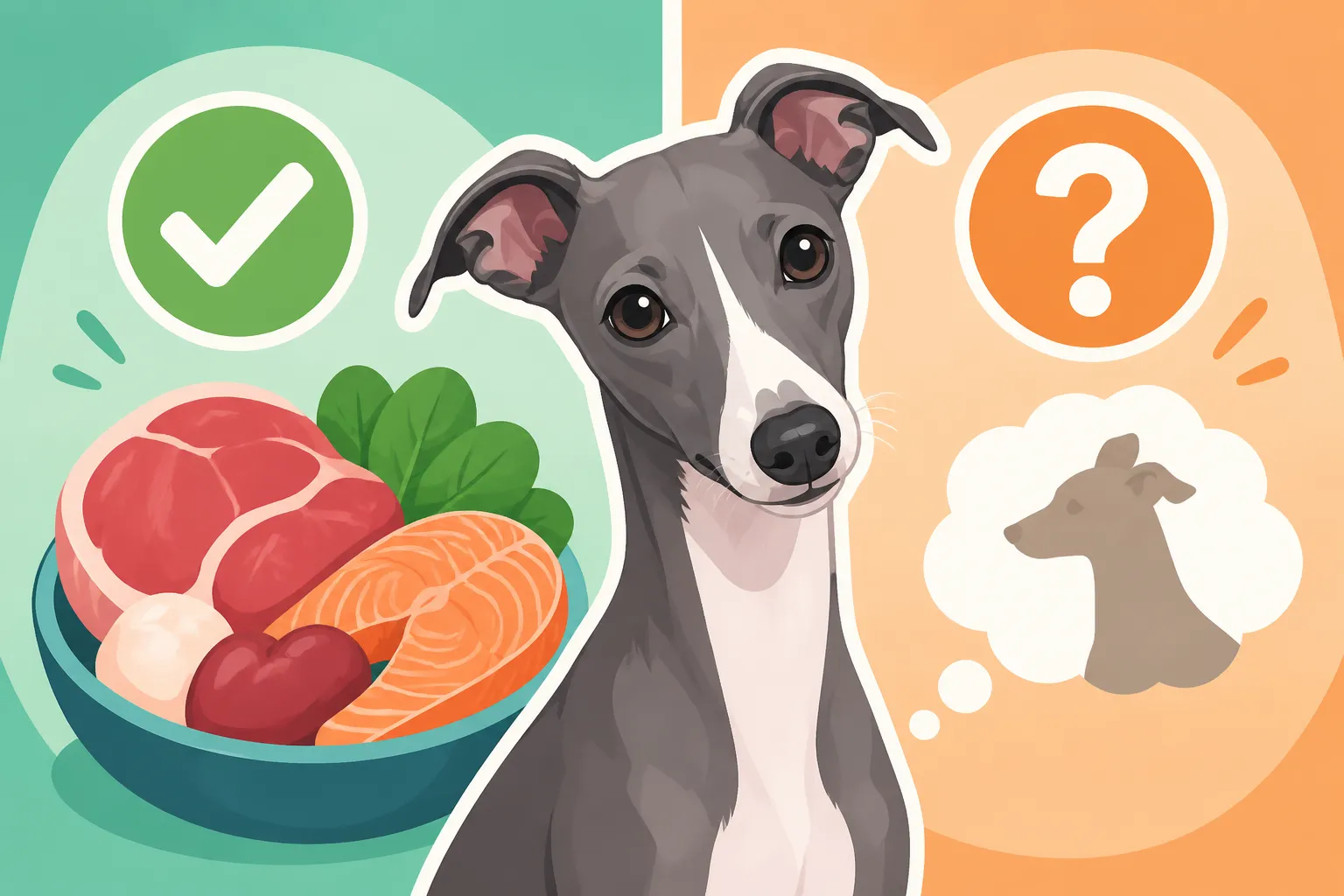
Whether Raw Feeding Suits an Italian Greyhound
For many Italian Greyhound owners, the topic of what to feed our delicate companions can feel like navigating a minefield. You want the absolute best for their health, their notoriously fragile bones, and their often finicky appetites, but the internet is full of conflicting advice. Deciding whether raw feeding is suitable for an Italian Greyhound isn't a simple yes or no answer; it requires a deep dive into your Iggy's specific needs, your lifestyle, and a thorough understanding of both the potential benefits and the very real risks involved. This guide aims to help you cut through the noise and make an informed decision for your beloved little sighthound.
Understanding the Raw Feeding Philosophy for Italian Greyhounds
The concept of raw feeding, often referred to as BARF (Biologically Appropriate Raw Food) or PMR (Prey Model Raw), is rooted in the idea of mimicking the ancestral diet of canids. Proponents argue that dogs, being descendants of wolves, are genetically designed to thrive on uncooked meat, bones, and organs, rather than highly processed kibble. This philosophy suggests that a raw diet offers superior nutrition, as enzymes and nutrients are preserved that might otherwise be destroyed during the cooking and processing of traditional dry dog food.
For Italian Greyhounds, a breed known for its lean build, fast metabolism, and sometimes sensitive digestive system, the appeal of a "natural" diet can be particularly strong. Owners often seek solutions for issues like dull coats, allergies, dental problems, or even just general vitality. The thought of providing a diet free from artificial ingredients, fillers, and grains, which are common in many kibbles, resonates with a desire to offer the purest possible nutrition to a dog whose health can sometimes feel precarious. However, it's crucial to remember that while the idea is simple, the execution of a truly balanced and safe raw diet, especially for a small, specialized breed like the Italian Greyhound, is anything but. Their small size and unique physiological needs mean that even minor nutritional imbalances can have magnified, sometimes serious, consequences.
Potential Benefits and Risks of Raw Feeding an Italian Greyhound
When considering a raw diet for your Italian Greyhound, it's easy to get swept up in the glowing testimonials. But a responsible owner needs to weigh both sides of the coin with a critical eye, understanding that what works for one dog might not work for another, especially when dealing with a breed as unique as the Iggy.
The Alluring Benefits for Italian Greyhounds
Many Italian Greyhound owners who switch to raw feeding report a host of positive changes. One of the most frequently cited benefits is a noticeable improvement in dental health. Raw, meaty bones are thought to help scrape away plaque and tartar buildup, which is a significant concern for Italian Greyhounds. Our little Iggies are notoriously prone to Periodontal Disease Is the Italian Greyhound's Most Common Diagnosis and often suffer from Why an Italian Greyhound's Teeth Crowd, making any perceived dental advantage incredibly appealing. While raw bones can offer some mechanical cleaning, it’s not a magic bullet and shouldn't replace regular professional dental care and daily brushing.
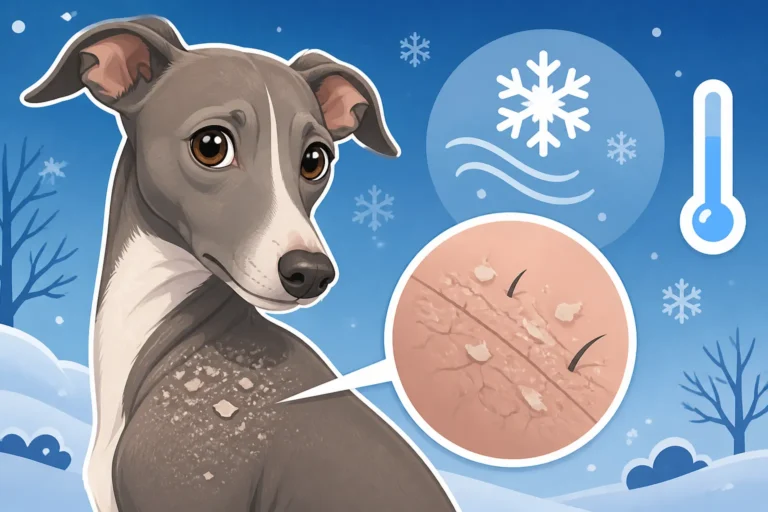
Beyond dental health, owners often observe shinier, softer coats and healthier skin, with fewer flakes or dry patches. This is attributed to the higher moisture content and readily available fatty acids in raw meat. Some Iggies, who can be prone to seasonal dry skin or even Color Dilution Alopecia in a Blue Italian Greyhound, might see these changes as a welcome relief. Digestive improvements are another common claim, including smaller, firmer, and less odorous stools, which indicates better nutrient absorption.
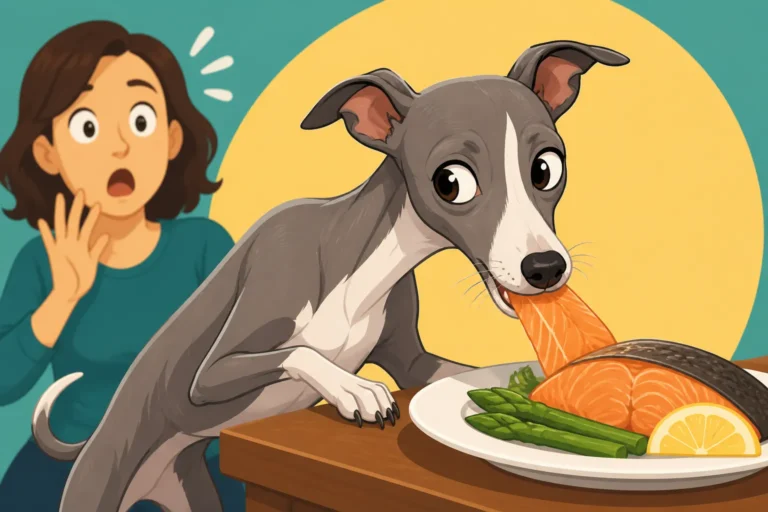
For Italian Greyhounds who are often Getting a Picky Italian Greyhound to Eat, a raw diet can sometimes be a game-changer. The novelty and palatability of fresh meat can entice even the most reluctant eaters, ensuring they get the calories and nutrients they need. Given that Why an Italian Greyhound Carries Almost No Body Fat, maintaining a healthy weight is paramount, and a diet they eagerly consume is a huge plus. Some owners also report an increase in sustained energy levels and better muscle tone, which supports their naturally athletic, albeit delicate, build.
The Serious Risks and Challenges
Despite the potential upsides, the risks associated with raw feeding, particularly for a breed like the Italian Greyhound, cannot be overstated. The most significant concern revolves around nutritional imbalances. Crafting a complete and balanced raw diet that meets all the specific needs of an Italian Greyhound, from puppyhood through their senior years (like Caring for an Italian Greyhound Past Eleven), is incredibly complex. It’s not just about feeding meat; it requires precise ratios of muscle meat, organ meat, bone, and sometimes specific supplements to ensure adequate levels of essential vitamins, minerals, and fatty acids. Without expert guidance from a board-certified veterinary nutritionist, DIY raw diets often fall short, leading to deficiencies or excesses that can cause serious long-term health problems, especially in a small, fast-growing puppy where bone development is critical.
Bacterial contamination is another major hurdle. Raw meat can harbor bacteria like Salmonella, E. coli, and Listeria, which can pose a risk not only to your Italian Greyhound but also to the humans in the household, particularly children, the elderly, or those with compromised immune systems. While dogs have robust digestive systems that can often handle these bacteria better than humans, they can still get sick, and they can shed bacteria in their feces, contaminating the home environment.
Then there's the danger of bone hazards. While proponents of raw feeding often emphasize feeding raw bones, these can be incredibly risky for Italian Greyhounds. Their delicate mouths and small, fine bones make them susceptible to dental fractures. A broken tooth can be incredibly painful and expensive to fix, and in the worst cases, can lead to infection or even jaw damage. Furthermore, small or improperly sized bones can cause choking, or if swallowed, can splinter and cause internal blockages or perforations of the digestive tract. Given the breed's delicate nature, the thought of internal injury is terrifying, especially since How an Italian Greyhound Hides Pain until an issue becomes severe. It's a risk that must be carefully considered.
Finally, the cost and logistical challenges are substantial. Raw ingredients can be expensive, and safe storage requires ample freezer space. Preparation demands time and strict hygiene protocols. Many veterinarians remain cautious or even against raw feeding due to these risks, making it difficult to find professional support if you choose this path. This is especially true if you live in a smaller community where access to a vet specializing in nutrition or sighthound-specific care might be limited.
Practicalities of Implementing a Raw Diet for Your Italian Greyhound
If, after careful consideration, you decide that raw feeding is something you still want to explore for your Italian Greyhound, understanding the practical aspects of sourcing, preparation, and transitioning your dog is absolutely essential. This isn't a diet you can jump into lightly, especially with such a delicate breed.
Sourcing and Preparation
There are generally two routes to raw feeding: commercially prepared raw diets or do-it-yourself (DIY) raw diets.
Commercial Raw Diets: These are often the safer and more convenient option, especially for Italian Greyhounds. Brands like Ollie and others offer pre-portioned, balanced raw or gently cooked meals that meet AAFCO (Association of American Feed Control Officials) nutritional guidelines. These diets are typically formulated by veterinary nutritionists, ensuring a proper balance of nutrients, including calcium and phosphorus, which are critical for bone health in Iggies. You can often find these options at specialty pet stores or order them online through retailers like Chewy or direct from the brand. The main advantages here are ease of use and reduced risk of nutritional imbalance. You still need to handle them safely to prevent bacterial contamination, but the formulation itself is taken care of.
DIY Raw Diets: This is where the highest risk lies, particularly for a small breed with specific needs. Creating a nutritionally complete and balanced raw diet from scratch for an Italian Greyhound is incredibly difficult and requires a deep understanding of canine nutrition, not just a casual interest. It involves careful calculation of percentages of muscle meat, organ meat, and bone, along with an understanding of micronutrients. Relying on generalized guidelines or anecdotal advice from other owners can quickly lead to severe deficiencies or excesses that compromise your Iggy's health. For instance, too much calcium can be as detrimental as too little, impacting bone density over time. If you are determined to go this route, it is absolutely non-negotiable to work with a board-certified veterinary nutritionist. They can formulate a custom diet plan tailored to your Italian Greyhound's age, weight, activity level, and any existing health conditions. This consultation is an investment in your dog's long-term health and mitigates many of the risks associated with improper DIY feeding.
Regardless of whether you choose commercial or DIY raw, stringent hygiene protocols are critical. This means:
- Washing your hands thoroughly before and after handling raw meat.
- Using separate cutting boards and utensils for raw meat.
- Cleaning and sanitizing all surfaces, bowls, and storage containers that come into contact with raw food.
- Storing raw food properly in the refrigerator or freezer.
- Promptly picking up and disposing of feces, as it can be a source of bacterial shedding.
Transitioning and Monitoring Your Iggy
Transitioning your Italian Greyhound to a raw diet should be done gradually to avoid digestive upset. Suddenly changing their food can lead to vomiting, diarrhea, or a complete refusal to eat. A common approach is to slowly introduce small amounts of raw food alongside their current diet, gradually increasing the raw portion over a period of 7-10 days, or even longer for a sensitive Iggy. During this time, keep a close eye on their stool quality, appetite, and energy levels.
Ongoing monitoring is vital. You should observe:
- Stool consistency: It should be firm and well-formed. Any chronic diarrhea or constipation needs immediate attention.
- Energy levels and demeanor: Your Iggy should be bright, active, and happy. Lethargy or changes in behavior can signal a problem.
- Coat and skin health: Look for improvements, but also watch for any new skin issues or dullness.
- Weight: Regular weigh-ins are important, especially for a breed that carries so little body fat. You need to ensure they are maintaining a healthy weight, which can be tough since Why an Italian Greyhound Eats Less Than You Expect sometimes.
- Dental health: While raw feeding might offer some benefits, continue to inspect their teeth and gums regularly. Be proactive about home dental care, as even with raw, How Common Dental Disease Is in an Italian Greyhound means you need to be vigilant.
Perhaps most importantly, maintain a close relationship with your veterinarian. Inform them of your decision to raw feed and schedule regular check-ups. Bloodwork can help monitor for any nutritional deficiencies or organ stress. For Italian Greyhounds, who can develop issues like The Heart Murmur an Old Italian Greyhound Develops or Kidney Disease in an Old Italian Greyhound as they age, having a vet who is aware of and monitors their diet is incredibly important. You might also find Amazon a useful resource for purchasing things like digital kitchen scales for precise portioning, hygiene supplies, or quality supplements recommended by your vet or nutritionist.
Making an Informed Decision for Your Delicate Companion
Ultimately, the decision of whether raw feeding suits your Italian Greyhound is a highly personal one. There's no single "best" diet for every dog, and what works wonderfully for one Iggy might not be appropriate or safe for another. It's not a choice to be made lightly, especially given the delicate nature and specific health considerations of the Italian Greyhound breed.
Consider your own lifestyle and commitment. Raw feeding, especially the DIY route, demands significant time, effort, and meticulous attention to detail. Are you able to consistently source high-quality ingredients, prepare meals safely, and ensure they are nutritionally balanced? Or does a commercially prepared raw diet, which offers more convenience and professional formulation, make more sense for you?
The most crucial step is to engage in open and honest dialogue with your veterinarian. Ideally, find a vet who has experience with Italian Greyhounds and is open to discussing various dietary approaches, or seek out a board-certified veterinary nutritionist. They can help you understand the nutritional requirements unique to your dog, interpret bloodwork, and provide guidance to minimize risks. Remember that What an Italian Greyhound's Vet Should Know Sighthounds is really important; their metabolism and sensitivities can differ from other breeds.
Raw feeding can be a rewarding path for some Italian Greyhound owners, leading to noticeable improvements in their dog's health and vitality. However, it also carries substantial risks that require careful management, ongoing education, and a commitment to hygiene and nutritional balance. By thoroughly researching, consulting with professionals, and being realistic about the demands involved, you can make the most informed decision for the health and happiness of your cherished Italian Greyhound.
Disclaimer
This article is for general informational purposes only and does not constitute professional advice. Laws, prices and regulations vary by location and change over time. Consult a qualified professional for guidance on your specific situation.