Getting a Picky Italian Greyhound to Eat
It's incredibly frustrating, isn't it? You pour your heart into choosing the best food for your beloved Italian Greyhound, only for them to turn their delicate nose up at it, sometimes for days on end. This guide is here to walk you through the myriad reasons why your Italian Greyhound might be a picky eater and, more importantly, equip you with practical, empathetic strategies to make mealtime a less stressful and more nourishing experience for both of you.
Understanding Why Your Italian Greyhound Might Be Picky
Italian Greyhounds are certainly unique little creatures, and their eating habits are no exception. What might seem like stubbornness on their part is often rooted in a combination of their physical characteristics, their sensitive nature, and sometimes, underlying health concerns. It’s not always about being a “bad” dog; it’s about understanding their world.
The Italian Greyhound's Unique Metabolism and Body Type
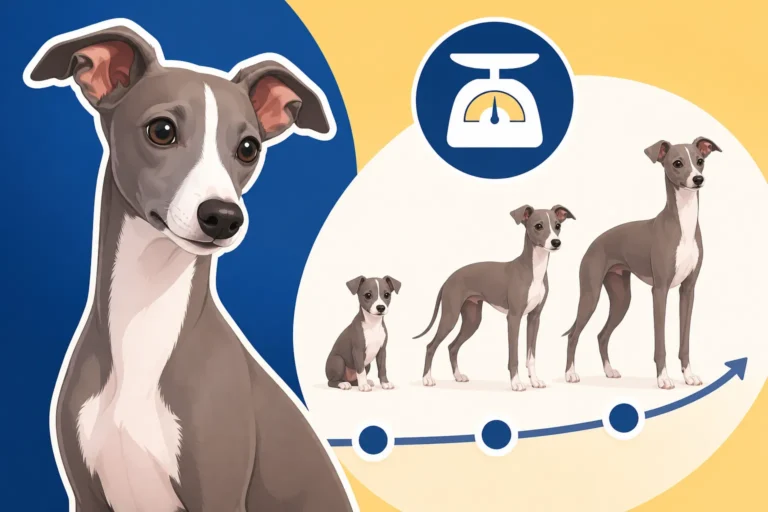
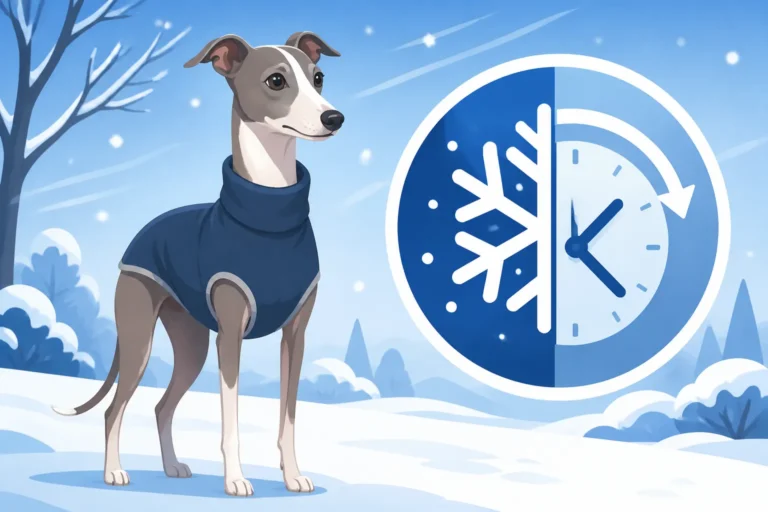
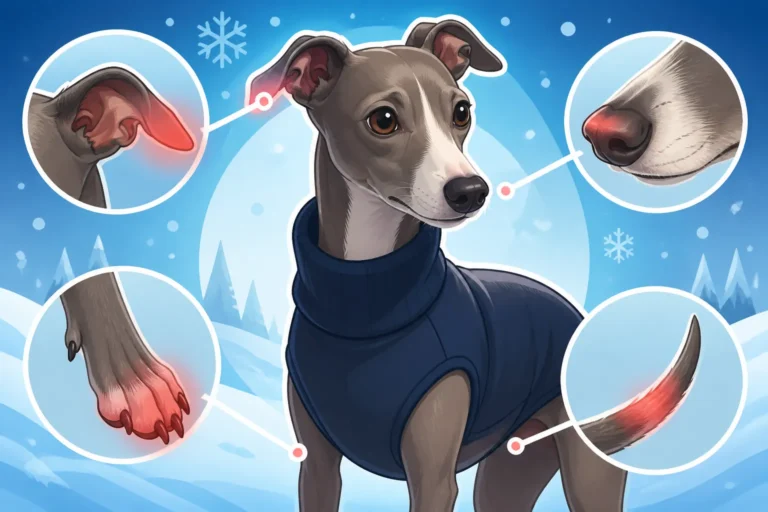
One of the first things to understand about Italian Greyhounds is their physical makeup. They are notoriously lean, often carrying only Seventeen Percent Body Fat. This isn't just an aesthetic; it means they have less insulation than many other breeds. Because of this, they can be very sensitive to temperature, both internal and external. If they're feeling even slightly chilled, their appetite can plummet. Think about how you feel eating a big meal when you're shivering – it's not appealing. Their small stomachs also mean they simply don't need a huge volume of food, which can sometimes be mistaken for pickiness. It's often not that they don't like the food, but that they feel full quickly or simply don't have the internal furnace of a larger, heavier-boned breed. This can also tie into why some Italian Greyhounds might seem to eat less than you expect, even as puppies.
Then there's the speed of their metabolism. Italian Greyhounds burn through calories quite efficiently, but this doesn't automatically translate to a ravenous appetite. In fact, some Iggies are just naturally built to be dainty eaters. If your Italian Greyhound is maintaining a healthy weight, has good energy levels, and a shiny coat, then their "pickiness" might just be their normal eating pattern. It's easy to worry when your dog isn't inhaling their food, but for an Iggy, a calm, measured approach to eating can be perfectly normal. Keeping an eye on How Much an Italian Greyhound Eats in a Month can help you track if their intake is consistent with their energy output.
Environmental and Behavioral Factors Affecting Appetite
Beyond their physical traits, the world around an Italian Greyhound greatly influences their desire to eat. These dogs are incredibly sensitive and thrive on routine and a calm environment. A noisy household, a new visitor, or even a change in their usual feeding spot can be enough to make them lose interest in their meal. They are deeply bonded to their people, often described as "Velcro dogs," and can sometimes feel anxious if they perceive a disruption in their daily rhythm. If they sense stress, even if it's yours over their eating habits, they might mirror that anxiety right back at the food bowl.
Consider the atmosphere at mealtime. Is it chaotic? Are there other pets vying for attention? Are you hovering, anxiously watching every bite (or lack thereof)? Italian Greyhounds are also creatures of comfort. They are notorious for being fussy about things like cold weather, even indoors. Why an Italian Greyhound Refuses to Go Out in Rain can easily extend to not wanting to eat if they're feeling slightly chilly or uncomfortable. Ensure their eating area is warm, quiet, and feels safe. Sometimes, simply moving the bowl from a high-traffic kitchen to a cozier corner can make a world of difference. Even something as subtle as the type of bowl can affect them; some Iggies prefer ceramic over metal, or a shallow dish that doesn't put pressure on their whiskers.
Ruling Out Medical Causes for Pickiness
Before you label your Italian Greyhound as just "picky," it's crucial to rule out any underlying medical issues. A sudden change in appetite or a persistent refusal to eat is a red flag that warrants a vet visit. Italian Greyhounds are prone to certain health conditions that can manifest as appetite loss or difficulty eating. Periodontal Disease Is the Italian Greyhound's Most Common Diagnosis, and a sore mouth from dental issues can make eating painful. Imagine trying to chew with a terrible toothache – dry kibble would be the last thing you'd want. Regular dental care is paramount, and if your Iggy is refusing food, a dental check-up should be high on your list.
Other issues like gastrointestinal upset, kidney problems, or even a low-grade infection could be behind a sudden lack of interest in food. Sometimes, it's not a pain, but a general feeling of malaise. They are small dogs, and even minor ailments can have a significant impact on their overall well-being and appetite. If your Iggy is also showing other symptoms like lethargy, vomiting, diarrhea, or changes in thirst, don't delay in seeking veterinary advice. Your vet can perform a thorough examination, including bloodwork, to ensure there’s nothing serious going on. It’s always better to be safe than sorry, especially with such a delicate breed.
Strategies for Encouraging a Picky Eater
Once you've ruled out any medical reasons for their pickiness, it's time to get creative and consistent with your approach. Remember, patience is key. Italian Greyhounds respond best to gentle encouragement and positive reinforcement.
Enhancing Mealtime Appeal and Routine
Establishing a predictable and calm mealtime routine is paramount. Italian Greyhounds thrive on schedule and knowing what to expect. Try to feed your Iggy at the same times each day, in the same quiet location. This creates a sense of security and reduces anxiety around food. Offer the food for a set amount of time – say, 15-20 minutes – and then pick it up, even if they haven't eaten much. This teaches them that food isn't always available and encourages them to eat when it's offered. Don't leave food down all day, as this can reinforce pickiness and grazing behavior.
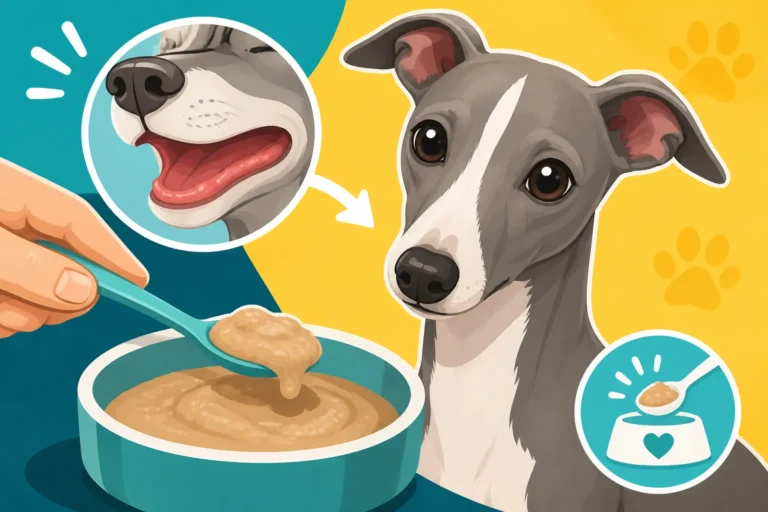
Making the food more appealing can also involve simple additions. Many Iggies love a little warm water or low-sodium chicken broth mixed into their kibble. This can soften the food, release aromas, and make it more palatable, especially if they have sensitive teeth or gums. You could also try a tiny dollop of plain yogurt or cottage cheese, or a cooked, unseasoned vegetable like pumpkin puree (great for digestion too!). Just be mindful not to add too much, as you still want them to get the primary nutrition from their dog food. Some owners find that a small amount of high-quality wet food mixed in works wonders. Brands like Ollie offer fresh, human-grade options that can be incredibly enticing to picky eaters and can be a good way to introduce variety and appeal.
The Role of Food Type and Texture
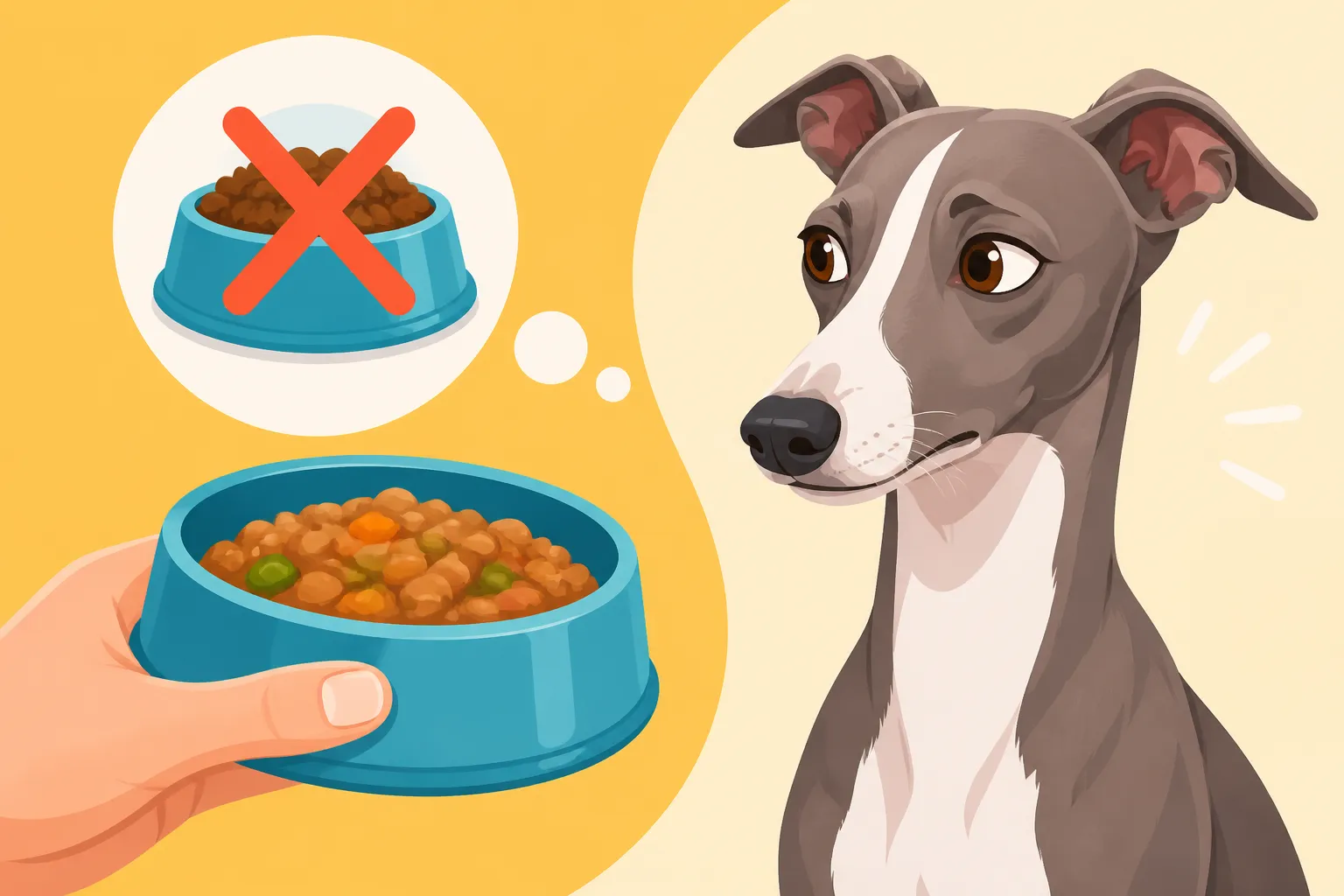
The actual food itself plays a massive role. Some Italian Greyhounds simply don't enjoy the taste or texture of certain kibbles. If you've been feeding the same food for a while and your Iggy has become consistently disinterested, it might be time for a change. When changing foods, do so gradually over several days to avoid upsetting their sensitive stomach. Whether an Italian Greyhound Has a Sensitive Stomach is a common concern, so slow transitions are vital. Consider different protein sources or even different kibble shapes and sizes. Sometimes, a smaller, easier-to-chew kibble is all it takes.
Many Italian Greyhound owners find success with freeze-dried raw food toppers or even switching to a fresh or gently cooked diet. These options often have a stronger aroma and a more appealing texture that can tempt even the most discerning palate. You can find a wide variety of these options available from online retailers like Chewy or Amazon, allowing you to experiment with different brands and styles without having to visit multiple specialty stores. Just ensure any food you choose is complete and balanced for small breeds. If you’re considering a raw or home-cooked diet, it’s always best to consult with a vet or a veterinary nutritionist to ensure it meets all their nutritional needs.
Managing Treats and Scraps
This is a big one for picky eaters: how many treats and human food scraps are they getting? It's easy to fall into the trap of over-treating or sharing bits of your meal, especially when your Iggy is looking at you with those big, soulful eyes. However, if they're filling up on treats or waiting for something "better" from your plate, they won't be hungry for their regular dog food. This is often a significant contributor to perceived pickiness.
Be firm but loving. Limit treats to high-value rewards during training sessions, and avoid feeding table scraps altogether. If you must give them a little something extra, make it a healthy, dog-safe treat in moderation, and never close to mealtime. If you find yourself asking How Much an Italian Greyhound Begs and caving in, it’s time to retrain both yourself and your dog. Consistency is crucial here. If your Iggy learns that refusing their meal won't lead to a tastier alternative, they'll be more likely to eat what's offered. It takes discipline from you, but it’s ultimately for their health and well-being.
When to Seek Professional Advice
While many Italian Greyhounds are naturally particular about their food, there are times when their eating habits signal something more serious, requiring expert intervention.
Identifying Red Flags and Persistent Issues
It's one thing for your Italian Greyhound to be a little finicky and occasionally skip a meal or two, especially if they make up for it later. It's quite another if they consistently refuse food for extended periods, or if their pickiness is accompanied by other worrying symptoms. Watch out for these red flags:
- Complete refusal to eat for more than 24 hours: This is a serious concern, especially for a small breed like an Italian Greyhound, which can quickly become dehydrated or hypoglycemic.
- Weight loss: If your Iggy is looking too thin or their ribs are becoming more prominent, it's a clear sign they're not getting enough calories. Regular weighing is important.
- Changes in energy levels or behavior: Lethargy, increased sleeping, disinterest in play, or irritability could all point to an underlying health issue.
- Vomiting or diarrhea: These are digestive upsets that need immediate attention.
- Signs of pain: Whining, limping (even if subtle; see Signs an Italian Greyhound Puppy Has Hip Pain) or a general reluctance to move can all impact appetite.
- Changes in drinking habits: Either excessive thirst or a refusal to drink water can be indicative of various health problems.
If you observe any of these symptoms in conjunction with food refusal, do not hesitate to contact your veterinarian.
Consulting Your Veterinarian
Your veterinarian is your first and most important resource when dealing with persistent pickiness. They can perform a thorough physical exam, blood tests, and potentially imaging (like X-rays) to identify any medical causes. As mentioned before, Periodontal Disease Is the Italian Greyhound's Most Common Diagnosis and a painful mouth can easily deter eating, so a dental check is often a key part of the investigation. Your vet can also assess your Italian Greyhound's overall body condition, determine if their current weight is healthy, and advise on appropriate feeding strategies based on their individual health profile.
They might suggest trying a prescription diet if specific health issues are identified, or they could recommend certain appetite stimulants if there's no clear medical reason for the refusal to eat. Vets who are familiar with sighthounds like Italian Greyhounds will also understand their unique metabolism and sensitivities, which can be invaluable in crafting a personalized approach. Don't be afraid to ask about your vet's experience with the breed; Why an Italian Greyhound's Vet Should Know Sighthounds is a valid question because of their unique physiological responses.
Considering a Veterinary Nutritionist
In more complex cases, where all medical avenues have been explored and your Italian Greyhound remains stubbornly picky or has specific dietary needs, your veterinarian might refer you to a board-certified veterinary nutritionist. These specialists have advanced training in animal nutrition and can formulate highly customized diets. This is particularly useful if your Iggy has allergies, sensitivities, or complex health conditions that require a very specific dietary composition.
A veterinary nutritionist can help you navigate different food types – whether that's specific kibbles, canned foods, raw diets, or home-cooked meals – to ensure your Italian Greyhound is getting all the nutrients they need while still finding something they are willing to eat. They can guide you on nutrient ratios, caloric intake, and even advise on safe and effective supplements. While this might seem like an extreme step for "just" pickiness, for some Italian Greyhounds, it's the critical link to ensuring their long-term health and well-being.
Common Reasons for Pickiness and Solutions
Here's a quick overview of common reasons your Italian Greyhound might be picky and practical steps you can take to address them.
| Reason for Pickiness | Possible Signs | Immediate Solutions |
|---|---|---|
| Medical Issue | Sudden change, lethargy, vomiting, weight loss, pain | Vet check, dental exam (especially for How Common Dental Disease Is in an Italian Greyhound) |
| Stress/Anxiety | Hiding, shivering, nervous demeanor, changes in routine | Create quiet, consistent meal routine; ensure warm, safe feeding spot |
| Dislikes Food | Sniffing and walking away, eating only a little | Try different flavors/proteins, warm water/broth on kibble, high-quality wet food topper |
| Too Many Treats/Scraps | Expecting human food, ignoring own bowl, not hungry | Eliminate table scraps, limit treats to training, offer only healthy, small treats |
| Temperature Sensitivity | Shivering, reluctant to leave warm bed for food | Ensure warm feeding area, warm up food slightly, consider indoor sweater if cold |
| Feeling Full/Small Stomach | Eats a few bites and stops, maintains healthy weight | Offer smaller, more frequent meals; don't leave food down all day |
Disclaimer
This article is for general informational purposes only and does not constitute professional advice. Laws, prices and regulations vary by location and change over time. Consult a qualified professional for guidance on your specific situation.