How Much an Italian Greyhound Begs
It’s a scene familiar to so many of us Italian Greyhound parents: you’re trying to enjoy a quiet meal, maybe a cup of coffee and a biscuit, and there they are. Those big, soulful eyes, fixed intently on your plate. A tiny paw might creep out, a soft whimper might escape, or they might just sit perfectly still, radiating an aura of profound starvation. It’s hard to resist, isn’t it? That intense gaze and the sheer persistence can make you feel like the cruelest human on earth for withholding even a crumb. This guide is here to walk you through why your Italian Greyhound seems to have mastered the art of begging and, more importantly, how to manage this behavior effectively so you can enjoy your meals in peace, and your Iggy stays healthy.
The Italian Greyhound's Relationship with Food: It's Complicated
For such a delicate-looking breed, Italian Greyhounds often have an incredibly intense relationship with food. It's not just about hunger; it's a complex mix of instinct, metabolism, and learned behavior that can make them seem like bottomless pits of craving. Understanding this is the first step to managing their persistent begging.
Why an Iggy's Instincts Drive Their Food Focus
Italian Greyhounds are sighthounds, and while they may be miniaturized, they retain many of the deep-seated instincts of their larger cousins. Historically, sighthounds were bred for speed and keen sight, not for their ability to pack on reserves. Their bodies are built for lean muscle and explosive bursts of energy, which means they naturally carry very little body fat. In fact, it's widely accepted that Why an Italian Greyhound Carries Almost No Body Fat, making them feel the cold more acutely and giving them less in the way of natural reserves. This lean build, while beautiful, can contribute to a primal drive to seek out and consume calories whenever possible.
Think about it from their perspective: a small, delicate dog with a high metabolism. Every bit of food represents energy and warmth. In a less domesticated setting, an Iggy would need to be constantly on the lookout for their next meal. Even though our modern Iggies are well-fed and cherished, these ancient instincts still whisper in their ears, telling them to secure any available sustenance. This isn't just "being greedy"; it's a deep-seated part of their genetic makeup. They haven't forgotten millennia of their ancestors having to work for every morsel.
The Perception vs. Reality of Hunger
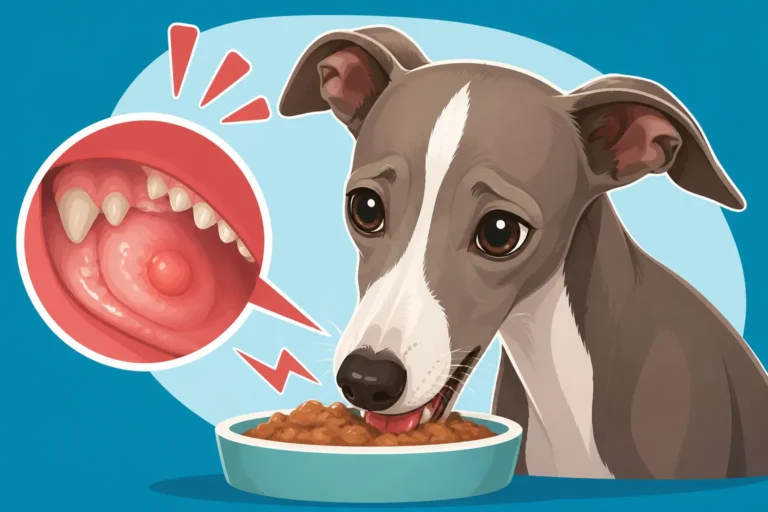
Owners often worry their Italian Greyhound is genuinely starving because of their dramatic displays of hunger. They might lick their lips incessantly, stare with unblinking intensity, or even shiver with apparent anticipation. It’s enough to make any caring pet parent question if they’re feeding enough. However, more often than not, this intense focus on your food isn't true physical hunger, but rather an opportunistic response.
Italian Greyhounds are intelligent and quick to learn. They observe human behavior with incredible precision. If even once, that pleading stare or soft nudge resulted in a dropped crumb or a tiny morsel from your plate, they’ve filed that information away. They know the routine, they understand the cues, and they're willing to put in the "work" of begging because they've learned it can yield results. Their small stomachs might fill relatively quickly with their actual meals, but their brains are hardwired to associate human food with something particularly high-value and desirable, even if it’s just a spoonful of yogurt or a piece of dry toast. Getting a Picky Italian Greyhound to Eat their own food can be a challenge, but their interest in your food is rarely an issue!
Common Begging Behaviors and What They Mean
Italian Greyhounds are masters of subtle and not-so-subtle communication when it comes to food. Their repertoire of begging behaviors is quite impressive, often making owners feel guilty or exasperated. Recognizing these tactics and understanding what they truly signify is key to addressing them.
The "Starving Puppy" Eyes and Persistent Nudging
Ah, the "starving puppy" eyes – a classic move in the Italian Greyhound begging playbook. They’ll position themselves strategically, often within arm’s reach, and gaze at you with an expression that suggests they haven't eaten in weeks, despite having just polished off their own dinner. This is frequently accompanied by a slow, deliberate paw placement on your leg, a gentle nudge of their cold nose into your hand, or soft, almost silent whimpers that tug at your heartstrings.
This behavior isn't about their caloric needs; it's about their understanding of your emotional responses. They know that look, that touch, those sounds can weaken your resolve. If you've ever given in, even once, you've inadvertently taught them that persistence pays off. They see you eating, and their thought process is simple: "My human has food. Food is good. I want food. How do I get food?" And their highly observant brains recall exactly which behaviors have worked in the past. It’s a powerful cycle of reinforcement that can be incredibly difficult for owners to break once established.
Counter Surfing and Opportunistic Theft
While the soulful gaze is a common tactic, some Italian Greyhounds escalate their begging to more active forms of food acquisition. This can include counter surfing or outright opportunistic theft. Many owners are surprised by how agile and determined an Iggy can be when there’s food involved. They might stand on their hind legs, balancing precariously, to reach something on a low counter, or even jump onto chairs and then onto the table if given the slightest opportunity. This can be particularly dangerous for a breed prone to fractures; a misstep could lead to A Broken Leg Is the Emergency Every Italian Greyhound Owner Fears.
This more aggressive food-seeking behavior is often a progression from persistent begging. If the subtle hints don't work, some Iggies decide to take matters into their own paws. It’s not malicious; it's simply a manifestation of their strong food drive and their intelligence in problem-solving. They've learned that if food is left unattended, it might as well be fair game. This is why you'll often read stories about How an Italian Greyhound Steals Food right off a plate or out of a grocery bag. Their lightning-fast reflexes and slender bodies make them surprisingly effective at snatching a treat before you even realize what's happening. They see an opportunity, and their sighthound speed kicks in, making them snatch-and-dash experts.
Effective Strategies to Manage and Reduce Begging
Managing your Italian Greyhound’s begging isn't about crushing their spirit or making them feel unloved; it's about setting clear boundaries for their health and your sanity. Consistency is the magic word here, and it requires a concerted effort from everyone in the household.
Setting Clear Boundaries and Consistency
The absolute golden rule for stopping begging is simple but hard: never, ever feed your Italian Greyhound from the table or your plate. Not even a tiny crumb, not even a lick of sauce, not even "just this once." Every single time you give in, you reinforce the begging behavior and teach your Iggy that their tactics are working. It's like putting a coin in a slot machine – if it pays out occasionally, they'll keep playing.
During your mealtimes, consider giving your Italian Greyhound an alternative activity that keeps them occupied and away from the table. This could mean putting them in their crate with a safe chew toy, using a baby gate to keep them in another room, or even simply having them lie on their bed a set distance away. If you decide on a designated "place," make sure everyone in the family, including guests, understands and enforces this rule consistently. One family member giving in can undo weeks of progress. Remember, What a Raised Voice Does to an Italian Greyhound can set them back, so gentle, consistent redirection is always better than scolding.
Redirection and Positive Reinforcement
Instead of directly punishing begging, which can confuse and stress your sensitive Iggy, focus on redirecting their attention and rewarding appropriate behavior. When you sit down to eat, give your Italian Greyhound a long-lasting, safe chew toy or a puzzle feeder filled with a portion of their kibble. This keeps their minds and mouths busy elsewhere and teaches them that good things happen away from your plate.
Here are a few redirection ideas:
- Chew Toys: Look for durable options from retailers like Chewy or Amazon that are designed for strong chewers but safe for small mouths.
- Puzzle Feeders: These can be fantastic for mental stimulation. By making them work for their food or a treat, you engage their brains and make them less focused on what you're eating.
- Designated Treats: If you want to give them a treat, do it before or after your meal, completely separate from the table. Reward them for lying calmly on their bed, not for staring at your food. Some excellent brands offer single-ingredient treats or specific dental chews. For example, Whether Dental Chews Are Safe for an Italian Greyhound is a common question, and yes, many are, but choose wisely for their delicate teeth.
The key is to reward calm, independent behavior. If they are quietly lying on their bed while you eat, go over after you finish your meal and give them praise, a snuggle, or a small, approved treat. This reinforces the idea that good things come from being patient and polite, not from demanding attention.
Addressing the "Is My Iggy Truly Hungry?" Question
It's natural to wonder if your Italian Greyhound's begging stems from actual hunger. Italian Greyhounds are typically fed small meals twice a day, sometimes three times for puppies or very active adults. For an adult, this usually amounts to around 1/2 to 1 cup of quality kibble per day, split into meals, but this can vary. How Many Cups a Day an Adult Italian Greyhound Eats depends heavily on their metabolism, age, and activity level, so always check with your vet for precise guidance.
To make sure your Iggy is getting enough, but not too much, food:
- Assess Body Condition: You should be able to easily feel your Italian Greyhound's ribs without seeing them sharply defined, and they should have a clear waist when viewed from above. If their ribs are very prominent, they might be underweight Signs an Italian Greyhound Is Underweight. If you can't feel their ribs easily, they might be overweight Signs an Italian Greyhound Is Overweight, which is risky for their delicate structure and overall health.
- Quality Food: Ensure you're feeding a high-quality dog food appropriate for their life stage and activity level. Brands like Ollie offer fresh, pre-portioned meals, which can be great for ensuring balanced nutrition without overfeeding. Alternatively, many high-quality kibble options can be found on Chewy.
- Portion Control: Stick to the recommended portions on the food bag or your vet's advice. If your Iggy still seems ravenous, consider supplementing their meal with safe, low-calorie additions like green beans (cooked, plain) or a spoonful of plain pumpkin puree. This can add volume without excessive calories.
Remember, most Italian Greyhounds are very efficient with their calories Why an Italian Greyhound Eats Less Than You Expect, and it's surprisingly easy for them to gain weight, which puts them at higher risk for fractures. How Easily an Italian Greyhound Gains Weight is a real concern, so controlled portions are essential.
Environmental Management and Training Tools
Beyond simply refusing to give in, actively managing your environment and utilizing specific tools can significantly reduce begging behavior and foster a more peaceful mealtime routine for everyone.
Mealtime Management
One of the most effective ways to manage begging is to remove the opportunity. This means proactively deciding where your Italian Greyhound will be during your meals.
- Crate Training: If your Iggy is crate trained, this is an excellent solution. Place them in their crate with a special, high-value chew or a puzzle toy only given during your meal times. This helps them associate your mealtime with their own enjoyable, quiet activity, rather than a frustrating period of longing. Make sure their crate is a comfortable, safe space, not a punishment zone.
- Baby Gates: For Iggies who aren't keen on crating during meals, a baby gate can be a lifesaver. Section off the kitchen or dining area, or put your Iggy in an adjacent room with their comfy bed and a toy. This physical separation prevents them from hovering and nudging.
- No Unattended Food: This might seem obvious, but it's crucial for Italian Greyhounds. Their speed and agility mean that even a quick turn of your head can result in a stolen snack. Never leave plates unattended on low tables, and be mindful of food left cooling on counters or accessible from chairs. As we've discussed, Why an Italian Greyhound Ends Up on the Kitchen Counter is a legitimate concern, and it's safer to prevent the opportunity than to constantly correct it.
Establishing these routines makes it clear to your Iggy that human mealtime isn't their mealtime, and it’s a non-negotiable boundary.
Using Dog-Specific Feeding Tools
To make your Italian Greyhound's own meal and treat times more engaging and satisfying, consider incorporating specialized feeding tools. These can help to slow down eating, provide mental stimulation, and reduce the perception of hunger.
- Slow Feeders: These bowls have ridges or obstacles that force your Iggy to eat around them, making their meal last longer. This prevents them from gobbling their food in seconds and then immediately turning their attention to your plate.
- Puzzle Toys: Many interactive toys require your dog to manipulate them to release treats or kibble. This mental exercise can be just as tiring as physical exercise and helps to fulfill their natural scavenging instincts in a controlled way. You can find a wide variety of these toys on platforms like Chewy or Amazon, ranging from simple treat-dispensing balls to more complex sniff puzzles.
- Snuffle Mats: These fabric mats with hidden pockets and folds are excellent for making mealtime a "hunt." You sprinkle kibble or small treats throughout the mat, and your Iggy has to use their nose to find them. This engages their senses and can make their meal feel more substantial and rewarding.
These tools transform eating from a quick gulp into an activity, which can significantly reduce their overall obsession with getting more food from you.
Training Commands to Discourage Begging
While environmental management is powerful, specific training commands can also empower your Italian Greyhound to make better choices during mealtimes. Gentle, positive reinforcement is key with this sensitive breed.
- "Place" or "Go to Bed": Teach your Iggy to go to a specific mat, bed, or crate and stay there while you're eating. Start with short durations and reward heavily for compliance. Gradually increase the time they need to stay. If they get up, calmly lead them back to their place without scolding.
- "Leave It": This command is invaluable for dropped food or when they show too much interest in something they shouldn't have. Practice "leave it" with low-value items first, then gradually increase the distraction. When they successfully leave an item, reward them with a higher-value treat from your hand. This teaches them that ignoring temptation can lead to an even better reward.
- "Down/Stay": A simple "down" or "stay" command can be used if they insist on sitting right at your feet. Again, reward calm adherence to the command.
The goal is to teach your Italian Greyhound that calm, polite behavior, or being in their designated space, earns them positive attention or rewards, while persistent begging earns them nothing. Consistency and patience will eventually pay off, transforming your meal times from a battle of wills into a peaceful experience.
| Begging Behavior | Underlying Cause (Often) | Effective Strategy | Recommended Tools/Practices |
|---|---|---|---|
| Staring/Whining | Learned behavior, desire for high-value human food | Ignore completely, redirect | Crate/gate during meals, provide chew toy, "Place" command |
| Nudging/Paw-ing | Seeking attention, learned behavior | Remove physical access, redirect | Baby gate, long-lasting chew toy |
| Counter Surfing | Opportunistic, strong food drive | Strict environmental control | Never leave food unattended, put Iggy in separate room |
| Stealing Food | Opportunistic, quick reflexes | Vigilance, "Leave It" command | Dog-proof surfaces, puzzle feeders for their own food |
| Constant Licking | Anticipation, attention-seeking | Redirection to appropriate chew, ignore | Kongs, dental chews Whether Dental Chews Are Safe for an Italian Greyhound |
In the end, learning how much an Italian Greyhound begs often comes down to how much we, as their loving human companions, allow them to. Their ability to make us feel guilty with those huge, soulful eyes is a superpower, but it's one we need to gently disarm for their own good and our peace of mind. With consistency, clear boundaries, and a little bit of strategic redirection, you can enjoy your meals without feeling like you're dining with a perpetually starving supermodel. It takes time, patience, and a united front from everyone in the household, but the reward is a well-behaved, happy Iggy who understands the rules around food, and a more relaxed dining experience for you.
Disclaimer
This article is for general informational purposes only and does not constitute professional advice. Laws, prices and regulations vary by location and change over time. Consult a qualified professional for guidance on your specific situation.