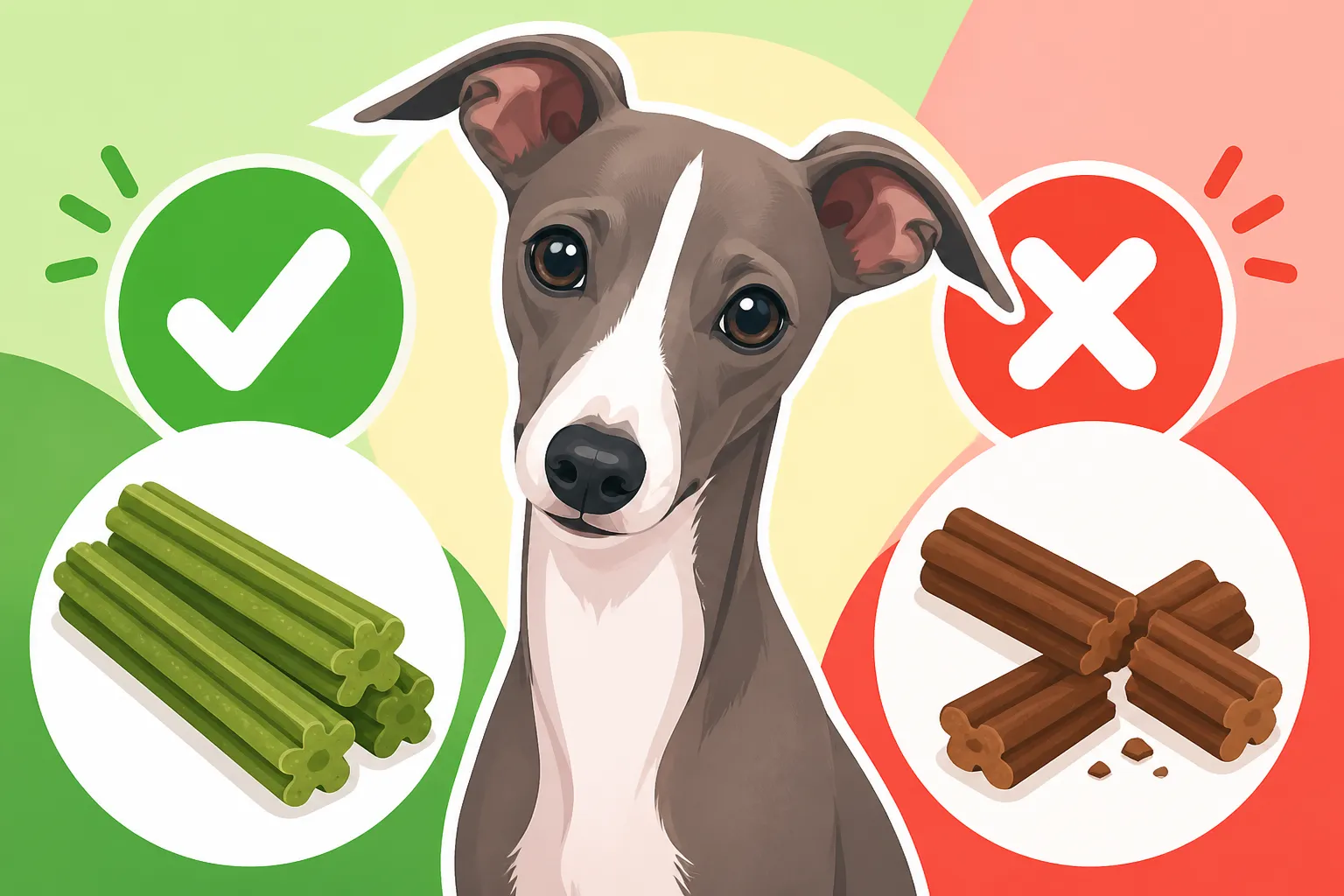
Whether Dental Chews Are Safe for an Italian Greyhound
It's incredibly frustrating when you're trying your best to keep your beloved Italian Greyhound healthy, especially when it comes to their notoriously tricky teeth, and you're constantly bombarded with products promising easy solutions. One minute you're thinking a dental chew could be a lifesaver, the next you're terrified it could cause more harm than good. This guide is here to cut through the confusion and help you understand whether dental chews are a safe and effective option for your delicate Italian Greyhound.
The Truth About Dental Chews and Your Italian Greyhound's Delicate Mouth
We all want to do right by our Italian Greyhounds, and the idea of a simple treat that also cleans their teeth is incredibly appealing. After all, nobody wants to spend endless hours trying to brush tiny, squirming mouths, and the thought of costly dental procedures is always looming. But for Iggies, with their famously fine bones, crowded mouths, and propensity for dental issues, what works for a Labrador might be downright dangerous for them. It’s crucial to understand that their unique anatomy means we have to approach everything, especially dental care, with an extra layer of caution and knowledge.
Italian Greyhounds are often praised for their elegance and speed, but their delicate nature extends to their oral health. Their long, narrow muzzles are beautiful, but they often don't provide ample space for all 42 adult teeth to sit comfortably. This crowding leads to a perfect storm for plaque and tartar accumulation, making them highly susceptible to Periodontal Disease Is the Italian Greyhound's Most Common Diagnosis. Many owners struggle with finding effective ways to combat this, and dental chews seem like a natural fit. However, without careful consideration, some chews can become a source of new problems rather than solutions.
It's not just the crowding that's an issue; it's also the delicate bone structure of their jaws and their often brittle teeth. An Italian Greyhound's jaw can be surprisingly fragile, and aggressive chewing on something too hard can lead to a broken tooth or, in very rare but devastating cases, even a fractured jaw. This is a terrifying prospect that keeps many Ig owners up at night. The goal isn't just to clean teeth, but to do so without creating a whole new set of painful, expensive, and potentially life-altering problems for our beloved companions. So, while dental chews hold promise, the devil is truly in the details when it comes to choosing them for an Ig.
Potential Risks: Why Not All Dental Chews Are Created Equal for Iggies
When you walk into a pet store or browse online at places like Chewy or Amazon, the sheer variety of dental chews can be overwhelming. They come in all shapes, sizes, and textures, each promising a brighter smile and fresher breath. But for an Italian Greyhound, this abundance can be a minefield. The very qualities that make a chew effective for a larger, more robust breed can make it dangerous for your Ig, turning a helpful tool into a potential hazard. It's not about being overly cautious, it's about being realistic about our breed's specific vulnerabilities.
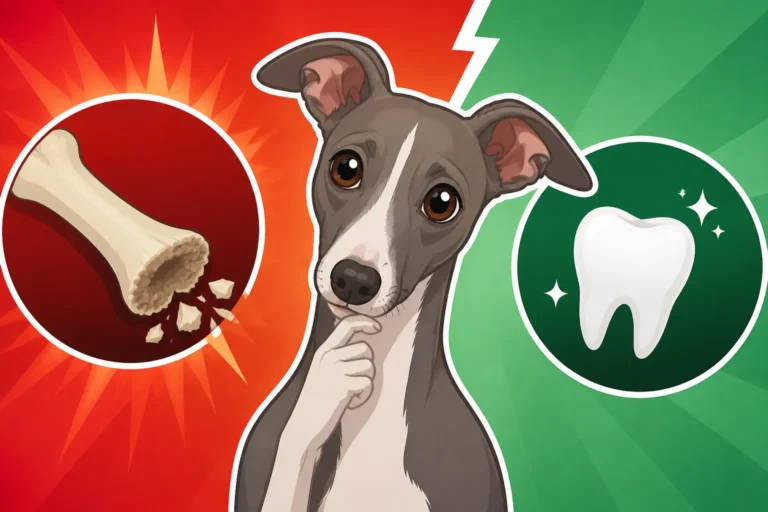
One of the biggest concerns is the risk of dental fractures. Many dental chews, especially those marketed as "long-lasting" or "heavy-duty," are simply too hard for an Italian Greyhound's teeth. Imagine your Ig gnawing vigorously on something that feels like a rock. Their small, often crowded teeth can easily chip, crack, or even break under such pressure. A broken tooth isn't just painful; it often requires a costly dental procedure, sometimes even extraction under anesthesia, which comes with its own set of concerns for our delicate Iggies. Why an Italian Greyhound's Jaw Can Break During Extraction is a stark reminder of how careful we must be.
Beyond dental damage, there's also the risk of choking or intestinal obstruction. Some chews, particularly those designed to break down into smaller pieces, can become choking hazards if your Ig tries to swallow a large chunk without adequate chewing. Other chews, especially those made from rawhide or certain synthetic materials, might not be digestible and could cause a blockage in their digestive tract. This is an emergency situation that would require immediate veterinary intervention. It's a terrifying scenario that every Ig owner tries to avoid, highlighting why a "one size fits all" approach to dental chews just doesn't work for our breed.
Choosing Wisely: How to Pick a Safe and Effective Dental Chew
Given the risks, it might feel like dental chews are off the table entirely for Italian Greyhounds. But that’s not necessarily the case! The key is making incredibly informed choices, prioritizing safety and suitability over flashy marketing. Think of it less as a casual purchase and more like selecting a specialized health product for your unique companion. We want to harness the benefits of mechanical cleaning without exposing them to unnecessary dangers.
When selecting a dental chew, texture is paramount. You want something that offers resistance for cleaning but is pliable enough not to damage teeth. A good rule of thumb is that if you can't easily indent it with your thumbnail, it's probably too hard for your Ig. Look for chews that are specifically designed to be flexible or have a somewhat spongy texture once chewed. Avoid anything that feels rock-hard or has a brittle quality that could splinter. Brands that focus on dental health often have softer options, and reading reviews specific to small or toy breeds on sites like Chewy can be very insightful.
Size and shape also matter tremendously. A chew that is too small can be swallowed too quickly, leading to choking. One that is too large might be difficult for their small mouths to maneuver effectively, or they might try to gnaw on an inappropriate section. Look for chews that are appropriately sized for toy breeds, offering enough bulk to require chewing but not so much that it's overwhelming. Shapes that encourage gnawing rather than just gulping, like a "toothbrush" shape or a twisted stick, can be beneficial. Always consider chews that have received the Veterinary Oral Health Council (VOHC) seal of acceptance, as this indicates they meet certain standards for reducing plaque and tartar. While VOHC approval doesn't guarantee a chew is safe for every individual dog's chewing style or dental health, it provides an excellent starting point for efficacy. When you're browsing for options, check the product descriptions carefully on Amazon or the manufacturer's website for these important details.
Here's a quick reference table to help guide your choices:
| Chew Characteristic | What to Look For (Ig-Safe) | What to Avoid (Ig-Risky) |
|---|---|---|
| Hardness/Texture | Flexible, pliable, slightly spongy, can indent with thumbnail | Rock-hard, brittle, synthetic bones, deer antlers |
| Size | Appropriately sized for toy breeds, prevents quick swallowing | Too small (choking hazard), too large (awkward to chew) |
| Shape | Designed to encourage gnawing (e.g., "toothbrush," twists) | Smooth, dense spheres that can be gulped |
| Ingredients | Digestible, natural, limited ingredients, VOHC-approved | Rawhide (potential for obstruction), excessive fillers, artificial colors |
| Durability | Breaks down slowly into soft, digestible pieces | Breaks into sharp shards, non-digestible chunks |
Remember, even with the "right" chew, supervision is key. Always watch your Italian Greyhound closely while they are enjoying a dental chew to ensure they are chewing safely and not attempting to swallow large pieces. If you notice any splintering or excessive aggression in their chewing, remove the chew immediately.
Beyond the Chew: Other Ways to Support Your Italian Greyhound's Dental Health
While a carefully chosen dental chew can be a helpful addition to your Ig's dental care routine, it should never be the only strategy. Think of it as a supplemental tool, not a standalone solution. The reality is that Italian Greyhounds need a multi-faceted approach to maintain good oral health, largely due to their unique dental challenges. Relying solely on chews, even good ones, is like humans only chewing gum instead of brushing their teeth.
The gold standard for Italian Greyhound dental care remains consistent, diligent home brushing. Yes, it can be a battle, but it truly makes the biggest difference. Learning Brushing an Italian Greyhound's Teeth Every Day is crucial, and finding Which Toothbrush Fits an Italian Greyhound's Mouth can make the process much easier. Daily brushing physically removes plaque before it hardens into tartar, preventing the cascade of issues that lead to periodontal disease. It's a commitment, but one that pays dividends in your Ig's long-term health and comfort.
Regular professional dental cleanings by your veterinarian are also non-negotiable for Italian Greyhounds. Despite your best efforts with brushing and chews, tartar will accumulate, especially in those crowded areas. These cleanings, performed under anesthesia for thoroughness and safety, allow your vet to address issues below the gumline and perform necessary extractions. How Often an Italian Greyhound Needs a Dental Cleaning often means yearly visits, and budgeting for What an Italian Greyhound's Lifetime Dental Costs is a serious consideration for any Ig owner. While no one loves the thought of anesthesia, Why an Italian Greyhound's Dental Requires Anesthesia is a critical part of ensuring a comprehensive and safe cleaning. Combine these strategies, and you'll be giving your Italian Greyhound the best chance at a healthy, pain-free smile for years to come.
Disclaimer
This article is for general informational purposes only and does not constitute professional advice. Laws, prices and regulations vary by location and change over time. Consult a qualified professional for guidance on your specific situation.