Whether an Italian Greyhound Needs Its Glands Expressed
It's an utterly baffling and frankly, pretty gross topic, isn't it? One minute your sweet Italian Greyhound is curled up on the sofa, the next they're dragging their rear end across your pristine rug, or worse, leaving a mysterious, pungent "fishy" odor in their wake. Suddenly, you're thrust into the world of anal glands, wondering if this delicate little dog needs some sort of manual intervention. This guide is here to cut through the confusion and explain exactly when, and if, your Italian Greyhound's anal glands need professional or even at-home attention, and how to spot the signs before things get really uncomfortable for your pup.
What Are Anal Glands and How Do They Work?
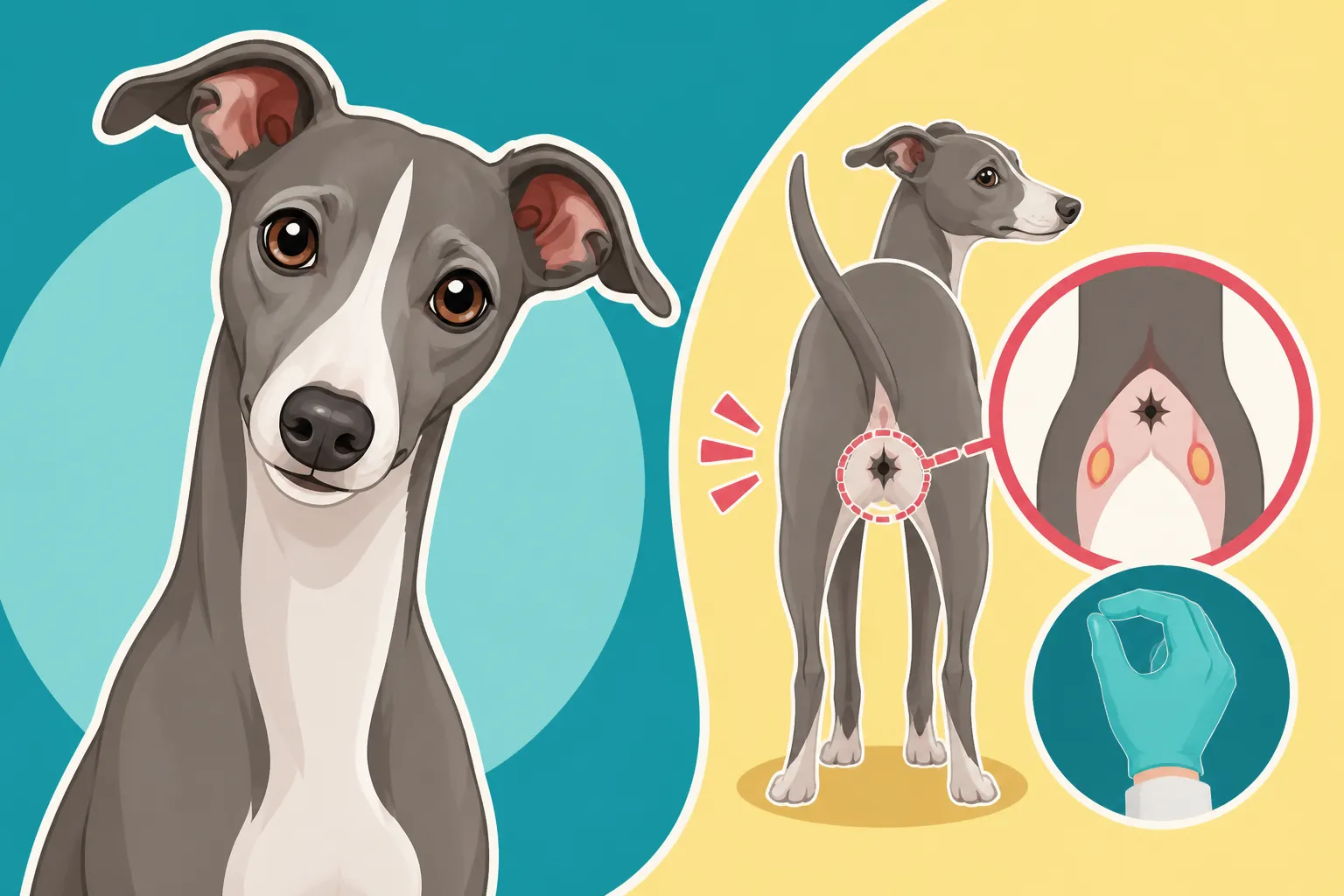
Let's get this out of the way first: anal glands, also known as anal sacs, are perfectly natural and serve a very specific purpose for dogs. They're not just some bizarre anatomical quirk; they're essentially scent markers. Every dog has two small glands, or sacs, located internally on either side of the anus, roughly at the 4 and 8 o'clock positions if you imagine a clock face. These sacs are lined with sebaceous glands that produce a strong-smelling, oily liquid – often described as fishy or musky – which is unique to each individual dog. Think of it as their personal identification card in scent form.
The Natural Role of Anal Glands
In a healthy dog, these anal glands are designed to express themselves naturally every time your Italian Greyhound has a bowel movement. As firm stool passes through the rectum, it exerts pressure on these small sacs, squeezing out a tiny amount of the fluid onto the feces. This is how dogs mark their territory, communicate with other dogs about their presence, sex, and even emotional state. It’s why dogs are so fascinated by sniffing other dogs' poop – they're reading the "messages" left behind. It’s an ancient, instinctual communication system that's still very much active in our modern companion dogs.
When everything is working as it should, you might never even notice your Italian Greyhound's anal glands exist. There's no strange odor, no scooting, no excessive licking. The system is self-sufficient. The stool consistency plays a crucial role here; a firm, well-formed stool provides the necessary pressure to empty the glands effectively. If the stool is too soft, too small, or too infrequent, the glands may not get the natural compression they need, leading to a host of potential problems.
Does Your Italian Greyhound Typically Need Their Anal Glands Expressed?
This is the million-dollar question for many Italian Greyhound owners, and it's surrounded by a fair bit of misinformation. The short answer for most healthy Italian Greyhounds is: no, not routinely. In an ideal world, a dog's anal glands should express on their own, without any human intervention. The idea that all dogs need their anal glands expressed regularly is a common misconception that can actually lead to more problems than it solves.
The Risks of Routine Manual Expression
While some groomers and even vets might offer routine anal gland expression, doing so without a clear medical need can be detrimental to your Italian Greyhound's long-term health. When glands are manually expressed too frequently, especially if they aren't truly full, it can cause irritation, inflammation, and even scar tissue to form over time. This scar tissue can then make it harder for the glands to express naturally, creating a dependency on manual expression. It becomes a vicious cycle where the dog then genuinely needs help because the natural mechanism has been compromised. You don't want to create an issue where one doesn't exist, especially with such a sensitive little dog. Why an Italian Greyhound's Vet Should Know Sighthounds is an important read because many general practices may not be as familiar with the specific nuances of breeds like IGs.
There are also instances where inexperienced or overly aggressive expression can cause trauma, leading to infections or abscesses. These are incredibly painful for your dog and can require antibiotics or even surgery to resolve. Our delicate Iggies are particularly prone to sensitive reactions, so any invasive procedure needs careful consideration.
When Manual Expression Is Necessary
Despite the general rule, there are definitely times when an Italian Greyhound does need their anal glands expressed. These are usually situations where the glands become impacted, infected, or abscessed. Impaction occurs when the fluid inside the glands thickens or the ducts become blocked, preventing natural expression. This leads to the glands becoming overly full and uncomfortable.
Infections happen when bacteria enter the impacted glands, causing pain, swelling, and often a foul odor. If an infection isn't treated promptly, it can escalate into an abscess, which is a pus-filled pocket that can be incredibly painful and may rupture, leading to an open wound. In these cases, manual expression by a veterinarian is crucial, often combined with medication, to relieve discomfort and prevent more serious complications. The key here is that it's a reactive measure to a problem, not a proactive routine.
Signs Your Italian Greyhound Might Need Anal Gland Attention
Since routine expression isn't recommended, how do you know if your Italian Greyhound actually has a problem that warrants a vet visit? Fortunately, our Iggies are usually pretty good at letting us know when they're uncomfortable, though How an Italian Greyhound Hides Pain can make it tricky sometimes. The signs are often quite distinct, if a little unpleasant to observe.
The Dreaded "Scoot" and Other Behavioral Cues
The most classic sign that your Italian Greyhound's anal glands might be bothering them is "scooting." This is when your dog drags their rear end across the floor, the carpet, or even the grass. They're doing this in an attempt to relieve the pressure or itchiness caused by full or irritated glands. It's their way of manually expressing them, albeit inefficiently and often messily. While scooting can occasionally be a sign of worms, if it's accompanied by other anal gland symptoms, it's a strong indicator of a gland issue.
Beyond scooting, you might notice your Italian Greyhound engaging in excessive licking or chewing around their tail base or under their tail. This is another self-soothing behavior, trying to alleviate discomfort. Some dogs may even chase their tail more frequently or become agitated and restless. In more severe cases, they might struggle to sit comfortably, seem reluctant to jump or use stairs, or even become withdrawn due to pain. Observe their overall demeanor, especially around their hindquarters.
Olfactory and Visual Indicators
The "fishy" odor is another undeniable clue. If you suddenly catch a strong, unpleasant, fishy smell in your home or around your dog, it's very likely anal gland fluid that has either leaked out due to overfull glands or been expressed during a scooting episode. Why an Italian Greyhound Barely Smells normally, so this distinct odor is a major red flag. This smell is potent and lingers, so you'll definitely notice it.
Visually, you might also see some changes. Look for redness, swelling, or irritation around your Italian Greyhound's anus. In some cases, if an abscess has formed and ruptured, you might even see blood or pus. Sometimes the skin around the anus can become inflamed and itchy, leading to hair loss from constant licking. If you gently lift your IG's tail, you might be able to spot these subtle changes. Remember to be gentle, as this area will likely be very tender if there's a problem.
Here's a quick comparison of normal vs. problematic signs:
| Characteristic | Normal Anal Gland Function | Problematic Anal Gland Function |
|---|---|---|
| Odor | Generally no discernible odor, or very mild after defecation. | Strong, persistent "fishy" or metallic smell. |
| Behavior | No scooting, excessive licking, or discomfort around the rear. | Scooting, persistent licking/chewing, tail chasing, restlessness, difficulty sitting. |
| Appearance | Area around the anus appears normal, no redness or swelling. | Redness, swelling, tenderness around the anus; possibly pus or blood if abscessed. |
| Stool Consistency | Firm, well-formed stools that pass easily. | Soft, loose, or irregular stools; straining during defecation. |
| Frequency of Issue | Never or extremely rarely. | Recurring issues, often increasing in frequency. |
How to Handle Anal Gland Issues: Vet Visit or Home Care?
When you notice any of the concerning signs, your first step should always be a call to your veterinarian. They are the best resource for diagnosing the underlying problem and recommending the safest and most effective course of action. Trying to address these issues at home without professional guidance can be risky.
The Role of Your Veterinarian
A veterinary visit will allow for a thorough examination. Your vet will palpate the anal glands to assess their fullness, consistency, and whether there are any signs of impaction, infection, or abscess. They can express the glands professionally and hygienically, ensuring no trauma is caused. If an infection is suspected, your vet might prescribe antibiotics, anti-inflammatory medications, or recommend a warm compress application. In severe cases of abscess or chronic issues, they may discuss dietary changes or even surgical options, such as anal sacculectomy (removal of the glands), though this is usually a last resort due to potential complications.
Don't hesitate to take your Italian Greyhound in for a check-up if you suspect an issue. These problems are painful, and your dog will feel a lot better once the pressure is relieved. Regular How Often an Italian Greyhound Needs a Wellness Exam appointments can also help catch these issues early.
Dietary Adjustments and Fiber Supplements
Often, anal gland issues stem from soft or inconsistent stools that don't provide enough natural pressure for expression. This is where dietary adjustments can make a huge difference. Ensuring your Italian Greyhound is on a high-quality diet that promotes firm, regular bowel movements is key. Sometimes, simply switching to a different kibble or even incorporating fresh food can help.
Adding fiber to your Italian Greyhound's diet is a common and effective strategy. Fiber adds bulk to the stool, making it firmer and easier for the glands to express naturally. Great natural sources of fiber include:
- Canned pumpkin: Not pumpkin pie filling, but plain, 100% canned pumpkin. A teaspoon or two mixed with food once or twice a day can work wonders.
- Psyllium husk: This is a powerful fiber supplement. Always start with a very small amount and ensure your dog has access to plenty of fresh water, as it absorbs a lot of moisture. You can find psyllium husk supplements at pet stores or general health stores, and resources like Chewy offer a variety of options.
- Specific fiber supplements: There are many commercially available fiber supplements formulated for dogs that you can find through retailers like Amazon or Chewy. Always consult your vet before adding any new supplement to your dog's diet.
Some Italian Greyhound owners find that a fresh food diet significantly improves stool consistency. Brands like Ollie offer fresh, human-grade food that can be easier for some dogs to digest, leading to more consistent and firm stools. If your Italian Greyhound suffers from a sensitive stomach (Whether an Italian Greyhound Has a Sensitive Stomach), exploring different food options might be particularly beneficial. What an Italian Greyhound Eats in a Month and Whether an Italian Greyhound Needs Small Breed Kibble are excellent resources for re-evaluating your dog's diet.
When Home Expression Is (Rarely) Considered
While I strongly advocate for professional veterinary care for anal gland issues, some experienced owners, under strict veterinary guidance, learn to express their dog's anal glands at home. This is not for the faint of heart, or for novices. It requires a solid understanding of canine anatomy, a strong stomach, and a dog that is extremely tolerant. There's a significant risk of causing injury, infection, or pain if done incorrectly. It should only be attempted if your vet has specifically trained you and confirmed that your dog's issues are uncomplicated impactions, not infections or abscesses.
For home hygiene after any leakage or accidental expression, pet-safe wipes can be a lifesaver. You can find these easily on Amazon, and they're gentle enough for frequent use around sensitive areas. Just remember, cleaning up the mess isn't addressing the underlying problem, but it helps keep your home (and your Italian Greyhound) smelling a bit fresher! Cleaning Up After an Italian Greyhound Accident covers some general clean-up tips that might be helpful.
Ultimately, for the vast majority of Italian Greyhounds, anal gland expression is a non-issue until it becomes one. The goal is to support natural function through a healthy diet and firm stools. If problems arise, your vet is your best ally in getting your little sighthound comfortable again.
Disclaimer
This article is for general informational purposes only and does not constitute professional advice. Laws, prices and regulations vary by location and change over time. Consult a qualified professional for guidance on your specific situation.